Some foods spark an argument before anyone takes a bite. Mention liver in a breakfast loaf, fish prepared with lye, or pizza covered in an unfamiliar cheese, and suddenly the dinner table has more opinions than guests. Yet these dishes carry stories that stretch far beyond their ingredients.
Consider South Carolina, where boiled peanuts became the official state snack in 2006, or Cincinnati, where Skyline Chili has served its distinctive spaghetti-and-chili combination since 1949. These traditions reveal how geography, immigration, family recipes, and local preferences shape American food culture.
Not everyone from a particular region loves its famous foods, and newcomers aren’t automatically opposed to them. Still, these 11 specialties offer plenty of reasons for a lively conversation.
Scrapple: Pennsylvania’s Unusual Breakfast Classic
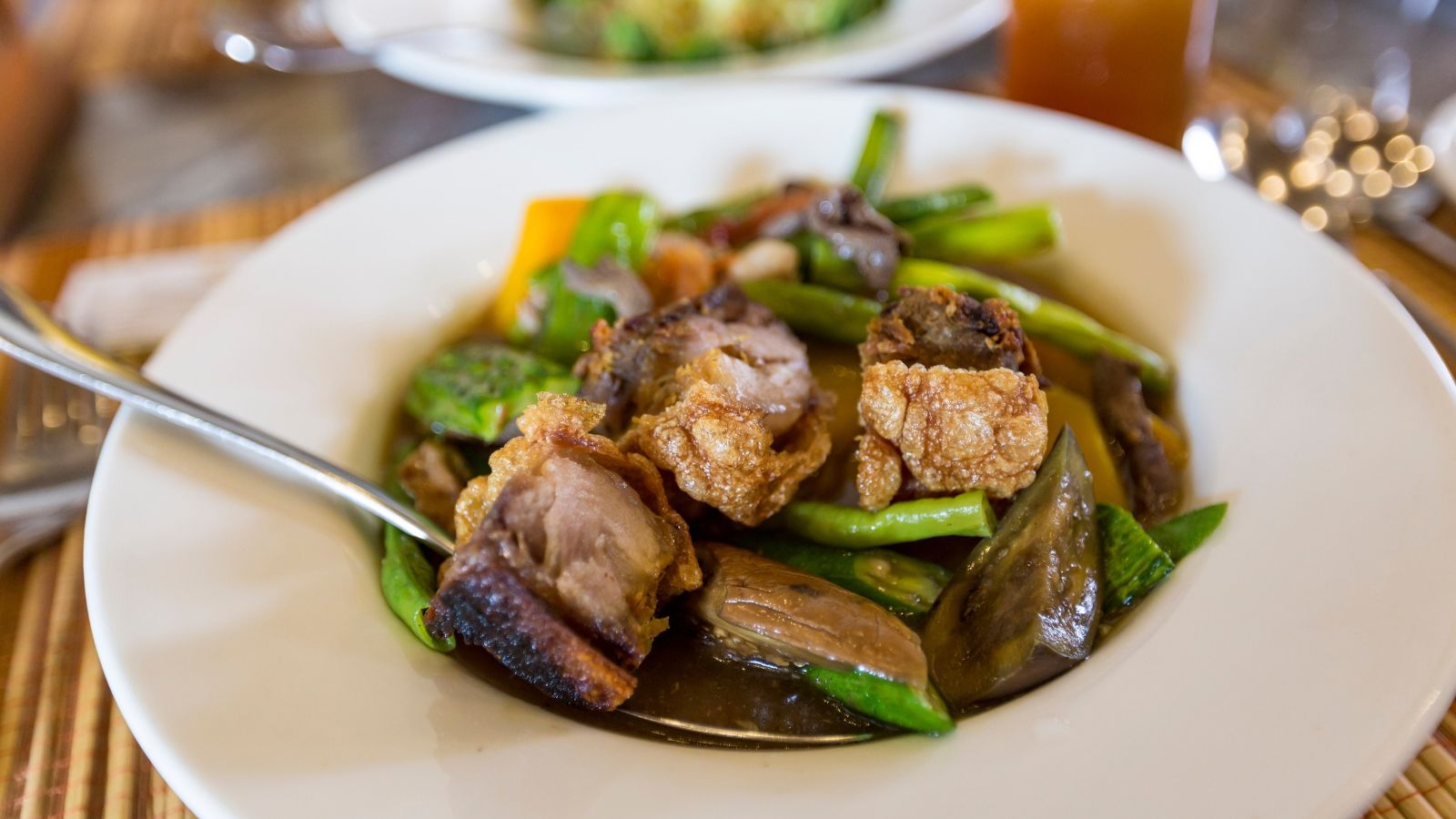
Scrapple has deep roots in Philadelphia and the surrounding Mid-Atlantic region. Its name might suggest an assortment of kitchen leftovers, but the ingredients are much more specific.
According to Habbersett’s product information, Original Scrapple combines pork broth, pork, pork skins, cornmeal, wheat flour, pork hearts, pork livers, and seasonings.
The mixture is formed into a loaf, sliced, and pan-fried until browned. For unfamiliar diners, the organ meats may raise eyebrows, but the finished dish is a longstanding regional breakfast tradition.
Cincinnati Chili: When Spaghetti Meets Chili
Ask for chili in Cincinnati, and you might receive something entirely different from the bowl you expected. Skyline’s famous 3-Way features spaghetti topped with chili and a generous layer of shredded cheddar.
The company traces its beginnings to 1949 in Cincinnati, although the broader Cincinnati chili tradition began earlier, with Empress Chili Parlor in 1922.
Greek-inspired spices give the sauce its distinctive character. For some diners, chili over spaghetti is wonderfully familiar; for others, the combination takes a little getting used to.
Spam Musubi: Hawaiʻi’s Handheld Favorite
Spam musubi brings together three simple components: cooked Spam, pressed rice, and nori seaweed.
The combination reflects Hawaiʻi’s distinctive food culture and its connections to Japanese cooking traditions. Hormel’s official recipe uses a soy-sauce-and-sugar glaze for the Spam before assembling it with rice and nori. The recipe makes four servings and takes approximately 30 minutes.
Someone unfamiliar with Spam might hesitate at first, but musubi is a familiar food in Hawaiʻi, with variations in sauces, seasonings, and preparation.
Rocky Mountain Oysters: The Name Doesn’t Tell the Story
Despite the name, Rocky Mountain oysters have nothing to do with seafood. They’re prepared animal testicles, traditionally associated with the American West.
A 2016 NPR report visited Bruce’s Bar in Severance, Colorado, where kitchen manager Dennis Guffy prepared beef, lamb, and bison versions. The pieces were sliced, breaded, and fried before serving.
The reporter admitted some hesitation before tasting them, while Guffy described customers who needed encouragement to try a bite. It’s a striking example of how knowing an ingredient’s identity can influence expectations before flavor enters the conversation.
Pork Roll: New Jersey’s Breakfast Sandwich Debate
Few regional breakfast ingredients spark as much debate over naming as New Jersey pork roll. Taylor Provisions describes its product as made from pork, salt, sugar, and a proprietary spice blend.
The manufacturer’s information also acknowledges the familiar divide between the terms “Taylor ham” and “pork roll.” A classic preparation features pan-fried slices tucked into a hard roll with egg and American cheese.
The argument is often about what to call the meat rather than whether it belongs on breakfast sandwiches. Either way, the debate has become part of New Jersey’s culinary identity.
Goetta: Cincinnati’s Oat-Filled Sausage Tradition
Goetta, pronounced “GET-uh,” brings a distinctive texture to the breakfast table. According to Glier’s Goetta, the mixture combines pork, beef, steel-cut oats, onions, and seasonings.
Cook the ingredients together, form them into a loaf, and slice for frying. The oats are essential to the preparation, not an accidental addition.
For someone expecting an ordinary breakfast sausage, goetta offers something different. Its grain-and-meat combination reflects a longstanding food tradition in Greater Cincinnati and Northern Kentucky.
Livermush: Western North Carolina’s Proud Specialty
Livermush sounds straightforward, but its name can stop an unfamiliar diner in their tracks. The North Carolina Liver Mush Festival describes the regional specialty as a mixture of pig liver, cornmeal, seasonings, and other pork ingredients.
The festival organizer states that liver makes up at least 30% of the mixture. Once formed into a loaf and chilled, livermush can be sliced and fried, and it often appears in breakfast biscuits.
Shelby’s annual celebration has honored the dish since 1985, showing how an ingredient combination that might surprise newcomers can become a point of local pride.
Boiled Peanuts: South Carolina’s Soft-Shelled Snack
If you expect peanuts to crunch, the first bite of a boiled peanut might surprise you. Instead of roasting them, cooks simmer peanuts in their shells until they become soft.
South Carolina recognized the tradition officially in 2006, when lawmakers designated boiled peanuts the state snack. The South Carolina Department of Agriculture describes their familiar presence at roadside stands and gas stations.
The texture is the defining difference. To someone expecting a dry, crunchy snack, boiled peanuts introduce an entirely different way to enjoy a familiar ingredient.
Lutefisk: Minnesota’s Much-Debated Scandinavian Tradition
Lutefisk has a reputation that often arrives before the fish itself. Associated with Scandinavian-American communities in Minnesota and the Upper Midwest, it is made from dried fish that undergoes a traditional lye-based preparation before cooking.
Minnesota’s Olsen Fish Company continues to market lutefisk made from Norwegian ling cod, including fresh and frozen versions. A 2012 Associated Press report documented diners who cherished the tradition alongside others who questioned its gelatinous texture.
Even people connected to the tradition sometimes had mixed feelings, showing the divide isn’t simply between locals and outsiders.
St. Louis-Style Pizza: A Different Kind of Cheese Experience
St. Louis-style pizza has two defining characteristics: an exceptionally thin, crisp crust and a cheese that behaves differently from mozzarella.
Imo’s Pizza describes its signature Provel as a blend of cheddar, Swiss, and provolone. The company also emphasizes its square-cut slices and toppings extending to the crust’s edges. Provel melts into a creamy coating rather than producing mozzarella’s familiar long strings.
That difference can delight some pizza lovers and disappoint others who expect a more conventional slice. Neither preference makes the other wrong.
Ambrosia Salad: A Dessert Wearing a Salad’s Name
Ambrosia salad closes this journey with something sweet, creamy, and wonderfully unexpected. Dole’s published recipe combines canned mandarin oranges, pineapple tidbits, miniature marshmallows, shredded coconut, and sour cream. The recipe serves eight and requires at least two hours in the refrigerator.
For someone expecting leafy greens, the word “salad” might be confusing. Yet ambrosia has a documented place at Southern gatherings, with families preparing their own versions using different fruits, dressings, and additions.
Its charm lies partly in that flexibility, and partly in the memories people attach to the dish.
The Beauty of America’s Divided Taste Buds
From Cincinnati’s chili-covered spaghetti to Minnesota’s lutefisk, regional American cooking includes dishes that resist easy judgment.
Some grew from immigrant traditions, others became familiar breakfast foods, and several are celebrated through local events and longstanding family customs. What tastes unusual to one person may remind another of childhood mornings, holiday gatherings, or meals shared with relatives.
That doesn’t mean everyone loves every local specialty. It simply means food carries more than flavor. Sometimes, the most interesting part of a regional dish isn’t deciding whether you like it. It’s discovering why someone else has loved it for generations.
Related: 9 Regional American Dishes That Deserve More National Attention