Most mistakes in life do not arrive wearing warning signs. They sneak in through the tiny habits we repeat every morning, every lunch break, every grocery trip, and every lazy Sunday at home. A 2013 article took a fun look at everyday habits people often get wrong, from handwashing to household tools, and the idea still hits because ordinary routines can quietly become bad routines.
The tricky part is that these mistakes feel normal. Everyone around us does them, so we rarely stop to question them. But a few small corrections can save time, protect health, prevent waste, and make daily life feel a little less like we are losing a fight with our own kitchen, bathroom, and desk chair.
Washing Your Hands Like Foam Is the Goal
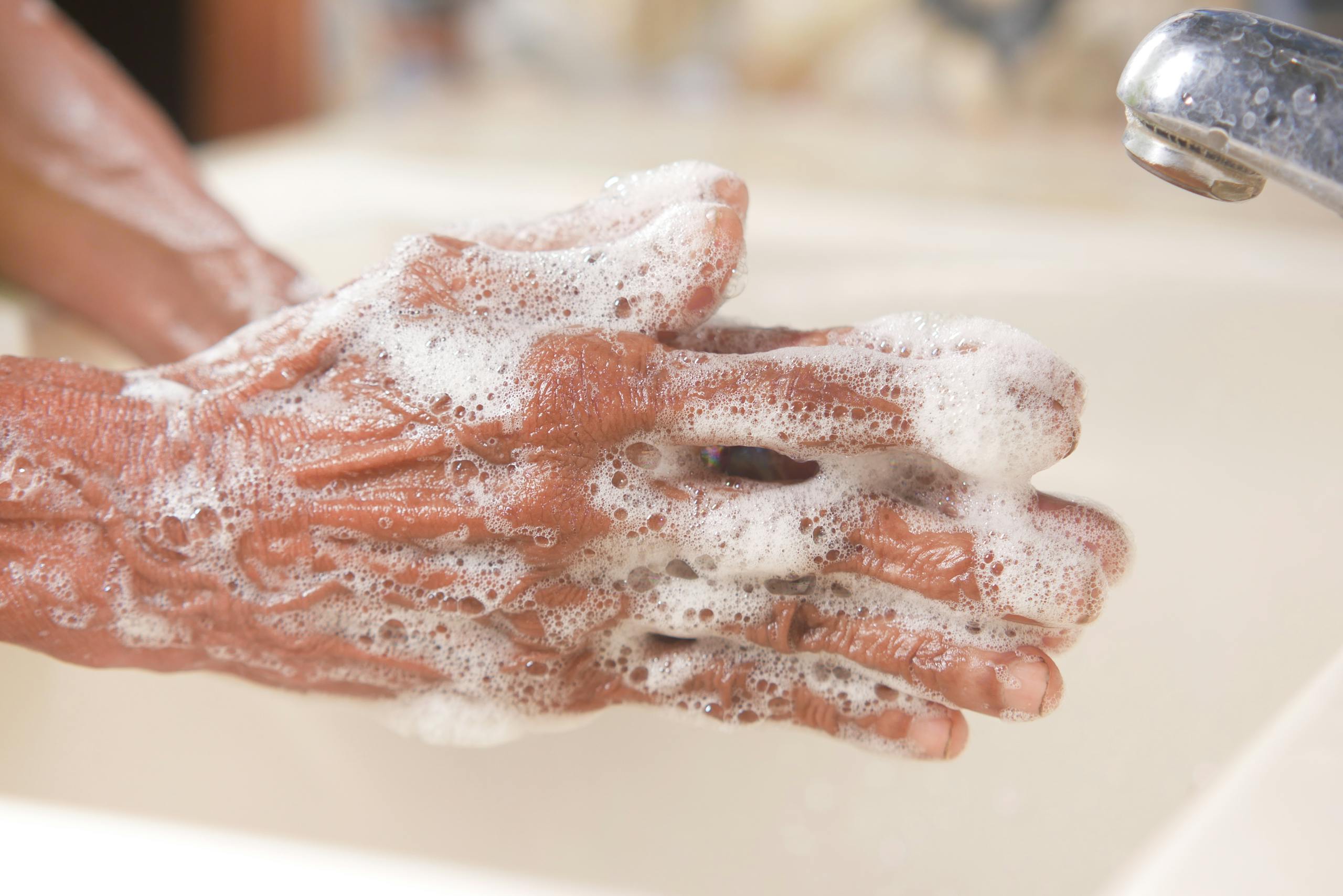
A mountain of bubbles may look satisfying, but foam alone is not the real victory. The bigger mistake is rushing through the job, missing the backs of the hands, ignoring the spaces between fingers, and giving the nails a quick pass as if germs politely avoid them. The CDC recommends scrubbing with soap for at least 20 seconds, covering the backs of the hands, between the fingers, and under the nails, before rinsing and drying.
The better habit is simple: stop treating handwashing like a splash-and-go pit stop. Soap helps lift dirt, oils, and germs, but time and coverage matter. If your hands are already under the tap, those extra few seconds are not a burden; they are the whole point.
Brushing Your Teeth Like You’re Sanding Wood
Many people brush harder when they want their teeth to feel cleaner, but teeth are not floor tiles. Aggressive brushing can irritate gums, wear down enamel, and still miss the spots that need attention. The American Dental Association recommends brushing twice a day with a soft-bristled toothbrush and replacing it every three to four months, or sooner if the bristles look worn.
The smarter move is patience, not pressure. Use a soft brush, take your time, and let fluoride toothpaste do its job. A gentle two-minute routine beats a harsh 35-second attack that leaves your mouth feeling fresh but your gums quietly annoyed.
Wearing Sunscreen Once and Calling It Protection

Sunscreen is not a magic shield you apply at breakfast and trust until sunset. Many people put on too little, miss areas like ears and necks, then spend hours outdoors, assuming they are covered. The American Academy of Dermatology says sunscreen should be reapplied every two hours when outdoors, and immediately after swimming or sweating.
The everyday fix is to treat sunscreen like a routine, not a one-time gesture. Keep it near your keys, in your bag, or next to your outdoor gear. Sun damage does not care that you had good intentions at 8 a.m.
Letting Leftovers Cool for Too Long
That pot of soup sitting on the stove can feel harmless, especially when everyone is tired after dinner. The problem is that food safety has a clock, and bacteria do not wait until you feel ready to clean up. USDA guidance says leftovers should be refrigerated within two hours after cooking or after being removed from a warming appliance.
The better habit is to portion leftovers into shallow containers sooner, then refrigerate them before the evening disappears. This protects your food, your money, and your stomach. In the future, you will also appreciate opening the fridge to a ready meal instead of a questionable science experiment.
Sitting at Your Desk Like Your Spine Owes You Money
Modern desk posture can turn a regular workday into a slow-motion wrestling match with your neck, shoulders, and lower back. The common mistake is leaning toward the screen, keeping the monitor too low, and letting feet dangle or tuck awkwardly under the chair. Mayo Clinic recommends placing the monitor directly in front of you, about an arm’s length away, with the top of the screen at or slightly below eye level.
The fix does not require a luxury office setup. Raise your screen, plant your feet, support your lower back, and bring your keyboard close enough that your shoulders can relax. Your body should not have to suffer just because your inbox is dramatic.
Lifting Heavy Things With Your Back Instead of Your Legs

Everyone knows the phrase “lift with your legs,” yet people still bend over, twist to the side, and yank heavy objects as if auditioning for a back injury. The mistake usually happens when the object seems manageable, like a laundry basket, grocery crate, child’s toy box, or suitcase.
MedlinePlus advises standing close to the object, bending at the knees, keeping the back straight, and avoiding twisting while lifting or carrying.
The safer habit is to slow down before the lift. Square your body, tighten your core, use your hips and knees, and turn with your feet instead of your spine. The extra three seconds are cheaper than weeks of moving like a haunted chair.
Doing Crunches and Expecting Belly Fat to Disappear
Crunches can strengthen abdominal muscles, but they are often oversold as a shortcut to a flatter stomach. The body does not usually burn fat exactly where you point your workout. Harvard Health notes that spot exercises like sit-ups can tighten abdominal muscles, but they do not directly remove visceral fat, which responds better to aerobic activity and strength training.
The better approach is less glamorous but far more useful. Build a routine that includes walking, cycling, resistance training, balanced eating, and enough consistency to matter. Abs are not created by punishment; they are revealed through overall habits.
Stretching Cold Muscles and Calling It a Warm-Up
A lot of people start workouts by holding long stretches, then wonder why they feel sluggish when it is time to move. Static stretching has its place, but it is not always the best opening act before intense exercise.
Recent expert guidance from the American Council on Exercise notes that dynamic warm-ups are usually the better choice before speed, power, or high-effort activity.
Think of your body like an engine that needs a gradual start. Marching, lunges, arm circles, light jogging, or mobility drills can prepare muscles for action. Save long, relaxed stretching for later, when your body is warm and ready to loosen up.
Sleeping Next to Your Phone Like It’s a Teddy Bear

Phones have become bedside companions, alarm clocks, entertainment centers, and late-night anxiety machines. The problem is that one quick scroll can become 40 minutes of blue light, notifications, and mental noise.
The Sleep Foundation recommends making the hour before bed a relaxing screen-free period and keeping the bedroom as screen-free as possible.
The better habit is boring in the best way. Charge your phone across the room, use a real alarm clock if needed, and give your brain a quieter landing before sleep. Your body cannot fully power down when your hand is still hovering over another video.
Washing Produce the Wrong Way or Not at All
Some people skip washing fruits and vegetables because the produce “looks clean.” Others go too far and use soap, detergent, or fancy washes that do not belong on food. CDC food safety guidance recommends washing or scrubbing fruits and vegetables under running water before eating, cutting, or cooking, unless the package says prewashed.
The easy fix is to keep it simple. Use clean running water, scrub firm produce like potatoes or melons, and wash your hands before handling food. Fresh produce should taste like dinner, not like dirt, bacteria, or dish soap.
Conclusion
Everyday mistakes are annoying because they hide inside habits that feel harmless. Nobody wakes up thinking, “Today I will ruin my posture, waste leftovers, under-protect my skin, and brush my gums into submission.” We just move fast, copy what we have always seen, and trust routines that may need a small upgrade.
The good news is that most of these fixes are not expensive, complicated, or dramatic. Wash a little longer, brush a little gentler, refrigerate a little sooner, sit a little smarter, and give your phone a bedtime of its own. Life may not come with an instruction manual, but a few better habits can make the daily grind feel a lot less backward.