Swiping your credit card has become second nature. Whether you’re filling up your gas tank, paying a bill, or buying something online, a purchase takes only a few seconds.
But not every transaction is as straightforward as it seems.
Some payment terminals can be targeted by criminals attempting to steal card information. Other businesses charge processing fees that make credit card purchases more expensive. And certain transactions can trigger interest charges before you even receive your next statement.
Card-skimming schemes cost financial institutions and consumers an estimated $1 billion or more annually.
The key is knowing when to be cautious.
Here are seven places where Americans should take a closer look before swiping their credit cards.
Gas Stations With Older Payment Terminals
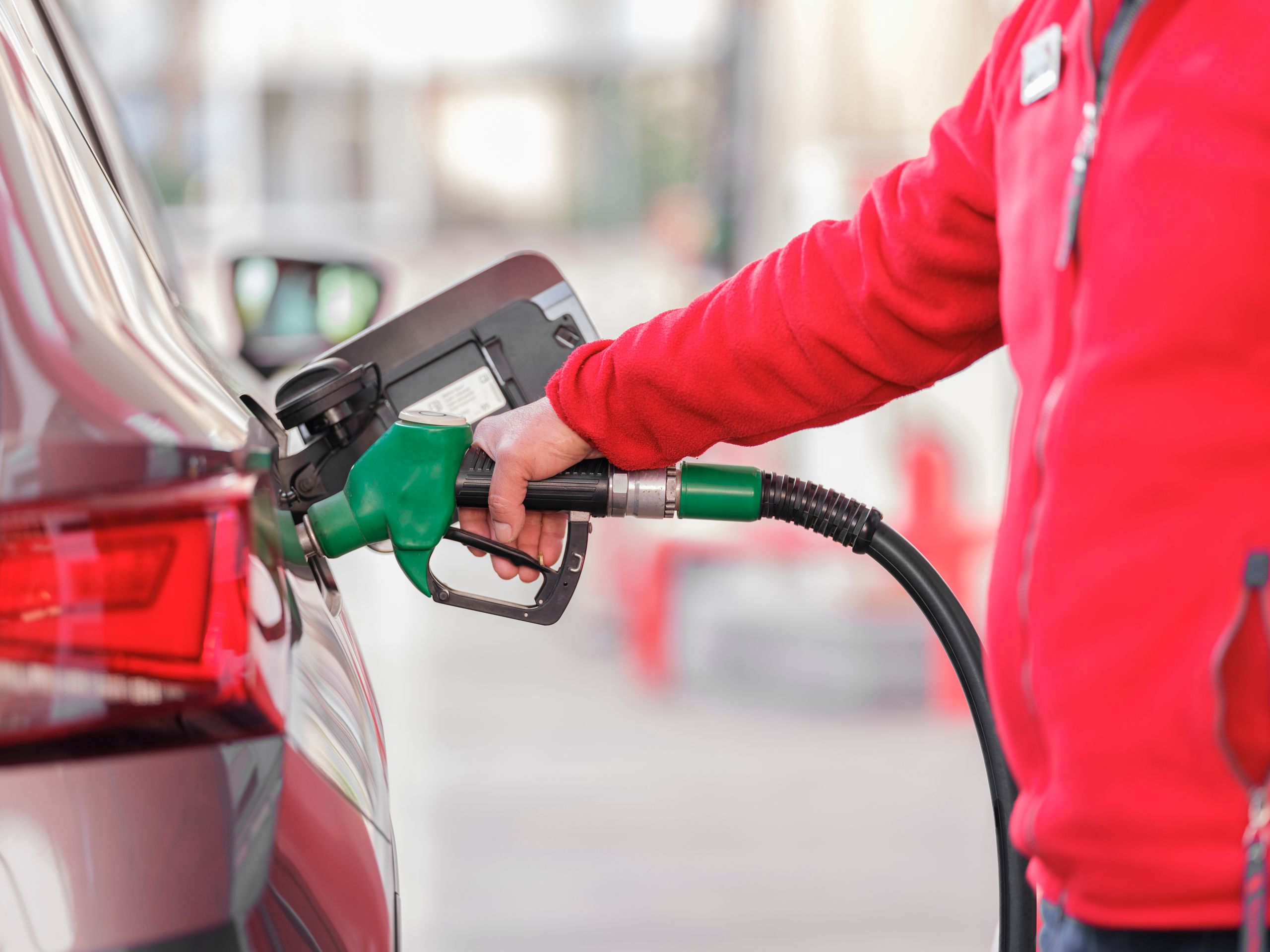
Stopping for gas is routine, but the payment terminal attached to the pump deserves a little attention.
Criminals sometimes install devices called skimmers inside or around fuel-pump card readers.
These devices can capture payment card information without customers realizing anything is wrong.
According to the FBI’s guidance on skimming, some gas-pump skimmers connect to internal wiring, making them hard to detect.
That means a card reader can appear completely normal even when a device has been installed.
Before paying, inspect the terminal for damaged panels, loose components, or signs of tampering.
Whenever possible, choose a pump near the store entrance where employees have a clearer view.
The FBI also recommends using contactless payment instead of swiping or inserting a card when available.
If something looks suspicious, paying inside is another alternative.
Standalone ATMs in Convenience Stores
Need cash quickly? That ATM sitting beside the convenience store counter might look tempting.
However, using a credit card to withdraw money can create two separate problems.
First, ATMs can be targeted by criminals installing skimming devices.
Second, credit card withdrawals generally count as cash advances.
Cash advances often carry additional fees and higher interest rates than ordinary purchases.
Unlike regular credit card purchases, cash advances typically begin accumulating interest immediately.
That means a $100 withdrawal could cost more than $100 even if you repay it relatively quickly.
ATM operators may also charge separate withdrawal fees.
If you need cash, withdrawing money from your checking account using a debit card may be less expensive.
For security, choose well-maintained ATMs in monitored locations and check the card reader before inserting anything.
Unfamiliar Online Shopping Websites
You’ve probably seen advertisements offering expensive products at unbelievably low prices.
A designer handbag costs $40. A new smartphone is advertised at half its usual price. The website looks professional, and the countdown timer says the offer expires soon.
But before entering your credit card number, investigate the seller. Scammers create fake shopping websites using stolen product photographs, logos, and convincing advertisements.
Some customers receive counterfeit merchandise. Others receive nothing.
Warning signs include unusually low prices, unclear return policies, and pressure to complete a purchase immediately.
Search for independent reviews and verify the retailer’s contact information.
Also, remember that an HTTPS address indicates an encrypted connection, not necessarily a legitimate business.
Interestingly, credit cards are often safer than irreversible payment methods when shopping online because qualifying purchases come with dispute protections.
The lesson isn’t to avoid credit cards online. It’s to avoid entering card information on websites you haven’t verified.
Self-Service Checkout Machines With Suspicious Card Readers
Self-checkout machines are convenient when you’re buying just a few groceries.
Unfortunately, criminals can also target payment terminals.
Criminals can attach skimming devices to card readers at grocery stores and other retail locations.
Some criminals install overlays that look like ordinary parts of the payment terminal.
Others use devices designed to fit inside card readers.
Most retail checkout machines are legitimate, and encountering one doesn’t automatically mean your information is at risk.
Still, customers should watch for unusual equipment.
A loose keypad, crooked card slot, or strangely bulky reader can be a warning sign.
If the terminal appears damaged or modified, notify an employee and use another payment station.
Contactless payments can also reduce exposure to certain card-skimming techniques.
Government Tax Payment Websites
Paying taxes with a credit card might sound convenient, especially when you want to earn rewards.
But there’s an important detail: credit card processing fees.
The Internal Revenue Service lets taxpayers make many federal tax payments through approved third-party processors.
However, those processors charge fees.
As listed by the IRS, Pay1040 charges 1.75% for consumer credit card payments, with a $2.50 minimum.
ACI Payments charges 1.85%, also with a $2.50 minimum.
For example, paying a $3,000 tax bill through a processor charging 1.75% would add $52.50 in fees.
That amount could exceed the rewards earned from the transaction.
Taxpayers who carry the balance may also incur credit card interest.
The IRS offers electronic bank-account payment options that generally don’t carry the same card-processing charges.
Before using a credit card, compare the total fees with any potential rewards or financing benefits.
Car Rental Counters
Renting a car can involve more than paying the advertised daily rate.
Many rental companies place temporary authorization holds on customers’ credit cards.
These holds may exceed the expected rental cost because companies want to account for possible additional charges.
According to the Federal Trade Commission’s rental-car guidance, these holds can temporarily reduce a customer’s available credit.
For someone with a modest credit limit, that can become inconvenient.
Imagine having a $2,000 credit limit and encountering a substantial rental authorization while traveling.
Even if the company doesn’t ultimately charge the full amount, those funds may temporarily become unavailable for other purchases.
Before renting, ask about the deposit, authorization amount, insurance options, and when it will be released.
Credit cards can still be useful for rental cars, particularly when they offer qualifying rental insurance benefits.
The important thing is understanding the terms before handing over your card.
Sports Betting Websites and Gambling Transactions
Using a credit card for sports betting can be expensive in ways customers might not expect.
Some credit card companies classify gambling transactions as cash advances rather than ordinary purchases.
That distinction can trigger immediate interest and additional fees.
In a December 2024 analysis, the Consumer Financial Protection Bureau examined credit card policies related to sports gambling.
The agency found that issuers allowing gambling transactions frequently treated them as cash advances.
Some consumers faced cash-advance fees of $10 or more per transaction.
The CFPB also observed increases in cash-advance fee activity after sports betting became legal in certain states.
Not every card issuer permits gambling transactions, and applicable rules vary by state and provider.
But borrowing money through a credit card to place bets adds financial risk.
Unlike an ordinary purchase, gambling doesn’t guarantee that you’ll receive anything of value in return.
Adding high-interest debt to that uncertainty can make losses more expensive.
What to Do if You Notice an Unauthorized Credit Card Charge
Even careful shoppers can fall victim to payment fraud.
That’s why checking credit card statements and enabling transaction alerts can be useful.
Monitor accounts for unfamiliar transactions, including small purchases that criminals may use to test stolen card information.
If you notice something suspicious, contact your card issuer promptly.
You may need to freeze the card, request a replacement, or dispute an unauthorized charge.
Federal law protects qualifying unauthorized credit card transactions, though reporting requirements and individual circumstances matter.
Keeping transaction receipts and reviewing your statements can help you identify problems before they become more complicated.