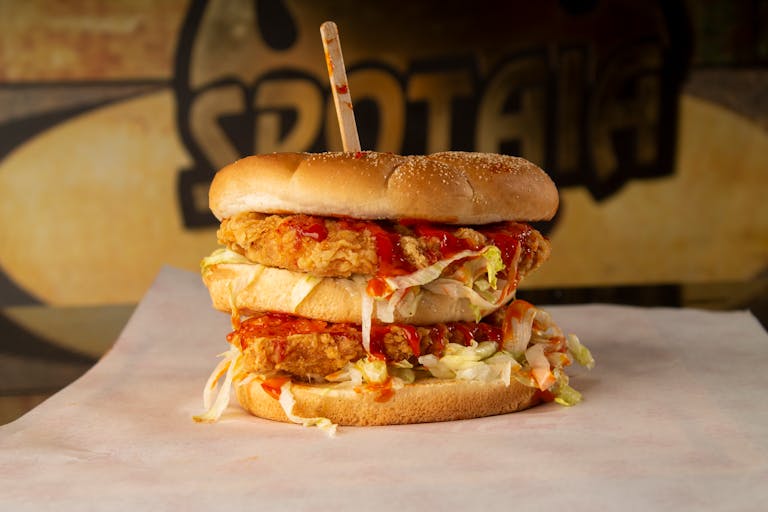
Finding basic groceries out of stock or more expensive is frustrating.
When staples rise in price or run out, grocery planning gets harder.
A food shortage isn’t imminent. Grocery prices rose 1.8% over the past year, with a 2.3% increase projected for 2026.
These numbers show rising costs, not shortages. Review your pantry and choose staples based on price and how often you use them.
A supply of basics makes meal planning easier when prices change, shopping is delayed, or shortages occur.
Here are 21 useful grocery staples to keep on hand. These items help ensure you’re prepared for unexpected price increases, supply chain disruptions, or emergencies that might make shopping difficult. These basics let you make a variety of meals, stretch your budget, and keep your household running smoothly even when circumstances change.
Related: Possible Food Shortages: 9 Items to Stock Up On Now
Bottled Water
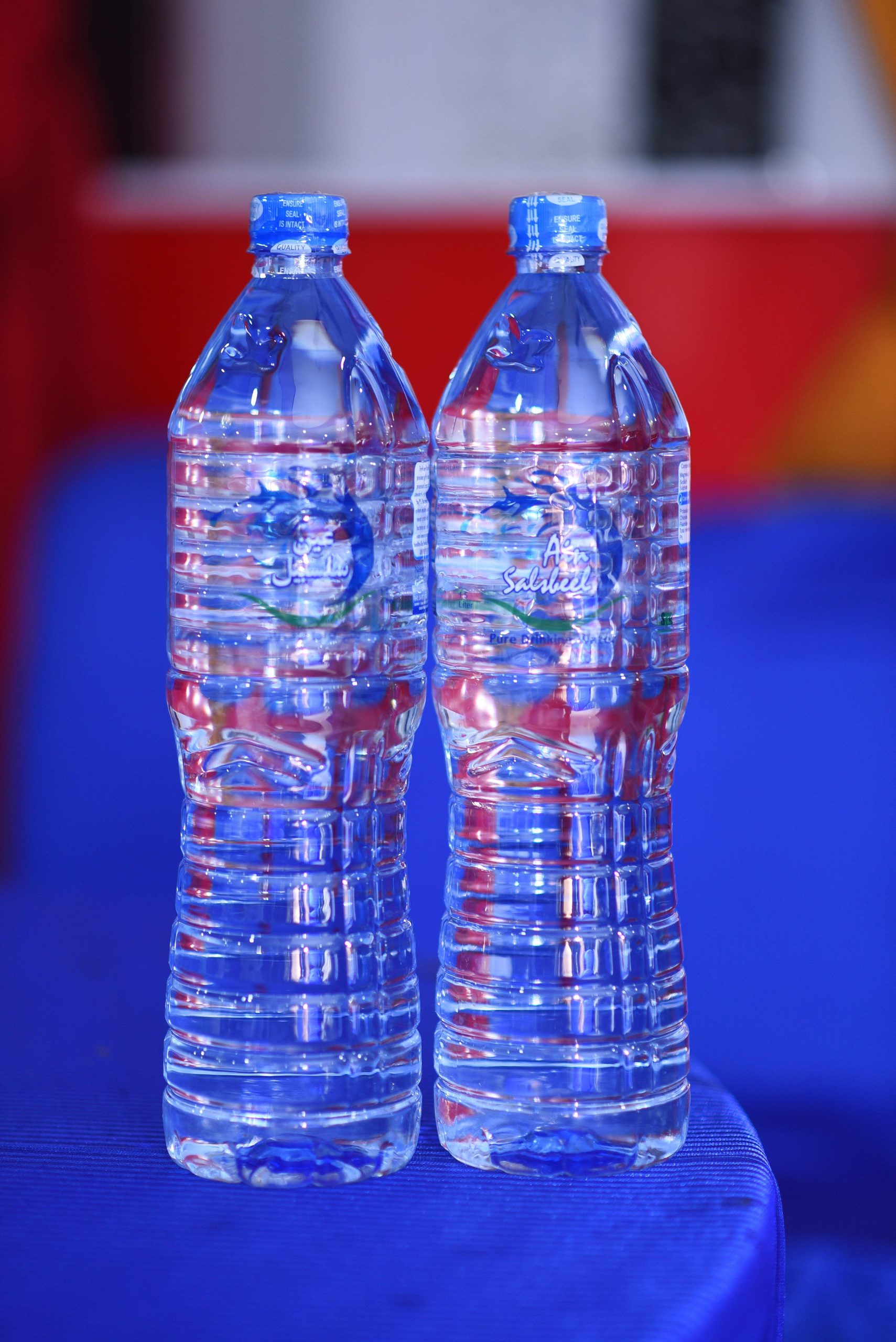
Water is essential if your tap stops working.
A water outage affects drinking, cooking, and household needs.
Store at least one gallon of water per person per day for three days.
A family of four needs 12 gallons for three days.
Store bottled water as directed and rotate supplies.
Don’t stockpile water; keep enough for emergencies.
Related: People Who Carry a Reusable Water Bottle Everywhere Often Share These 8 Qualities
White Rice
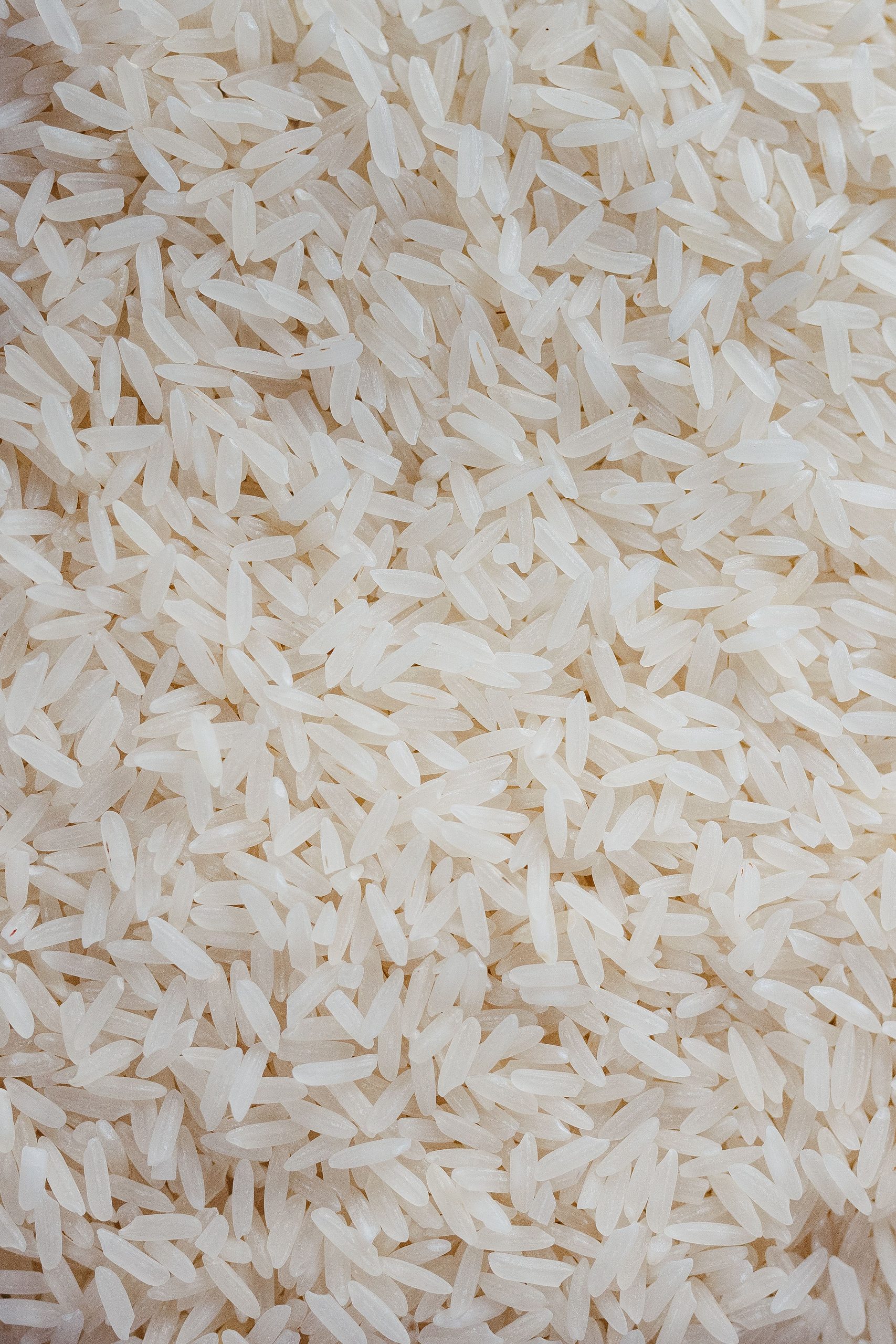
White rice is a versatile staple.
It pairs with vegetables, beans, and meat, and stretches leftovers.
A five-pound bag of rice is about $3.52, but prices vary.
Rice is practical, stretches meals, and stores well.
Store rice in a sealed container in a cool, dry place.
Rice needs water and cooking, so don’t rely on it alone.
Related: How To Avoid Food Poisoning From Rice
Dry Pasta
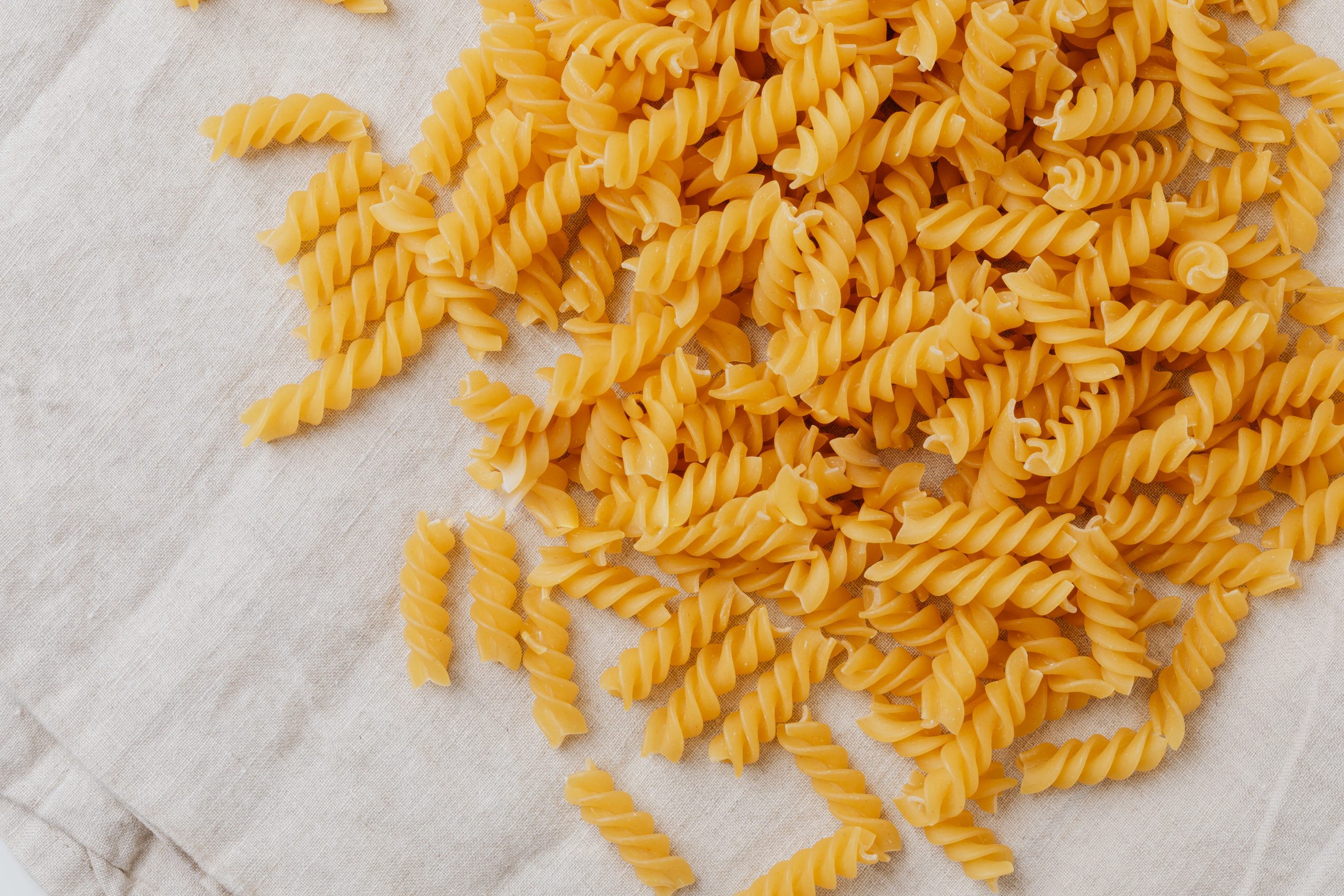
Pasta is a staple.
It’s affordable, stores easily, and can become a meal quickly.
A 16-ounce box of spaghetti is about $1.89.
Pair pasta with canned tomatoes, vegetables, or seasonings for a meal.
Keep pasta for quick, simple meals when fresh food is scarce.
Store it dry and use older packages first.
Oatmeal

Oatmeal is a simple breakfast.
A 42-ounce container of oats is about $5.24.
Use oats for breakfast, baking, or snacks.
Oats also pair easily with other pantry ingredients.
Oats work in many meals and recipes.
Keep oats sealed between uses.
Related:20 Human Foods Dogs Can Eat
Canned Beans
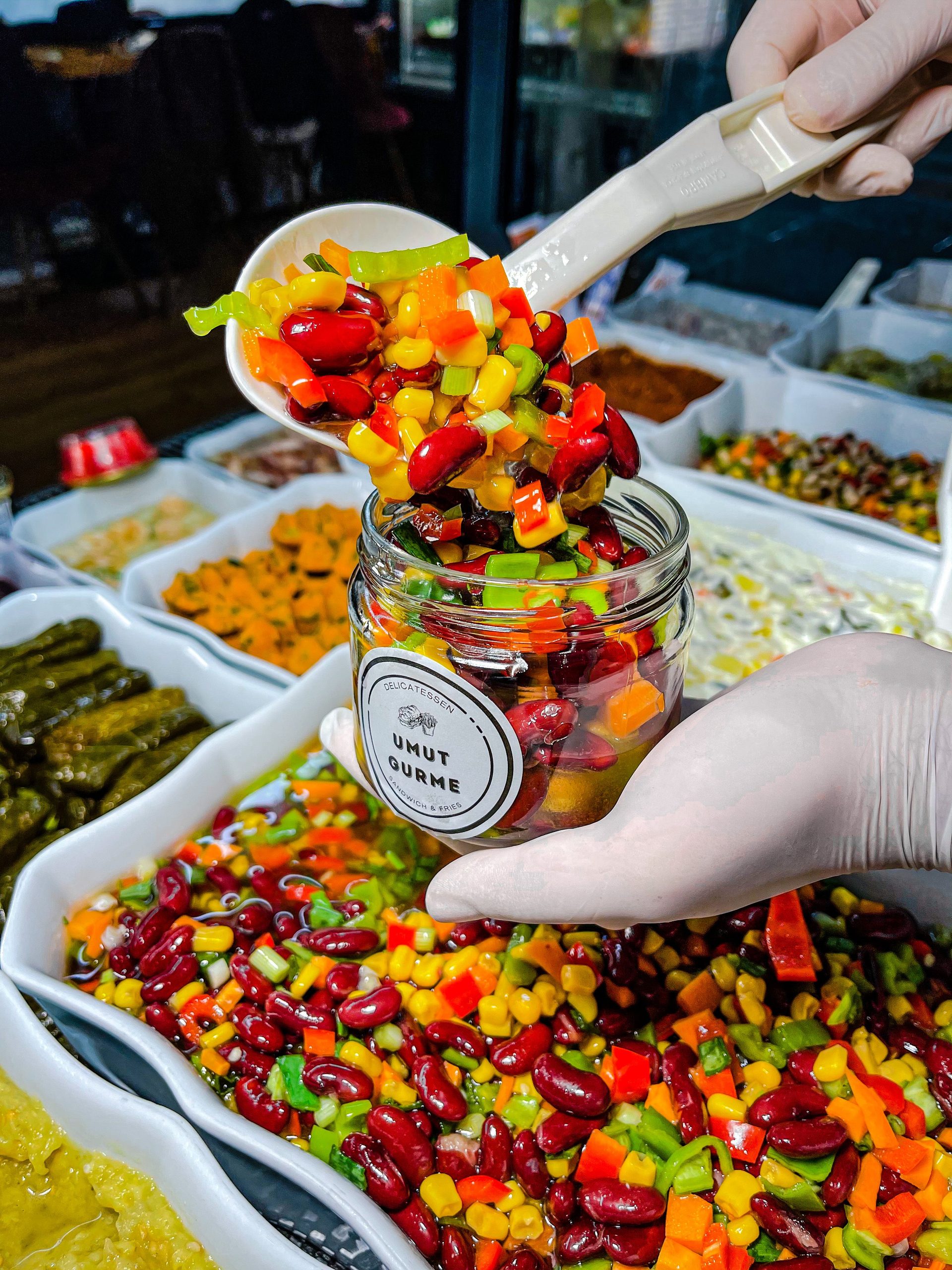
Canned beans make quick meals.
Beans work in rice, soups, salads, and casseroles.
A 15-ounce can of black beans is about 92 cents.
Canned beans are convenient because they’re already cooked.
Add them to meals without soaking or long cooking.
Buy beans your household enjoys and uses.
Dried Lentils
Dried lentils are often overlooked.
Yet they’re useful in soups, stews, and vegetable dishes.
Lentils need little space.
Lentils require cooking, so balance them with ready-to-eat foods.
Prices vary by brand and size.
Lentils are versatile for soups and grain-based meals.
Canned Tuna
Canned tuna is useful for no-cook meals.
Use tuna in sandwiches, pasta, or salads.
A five-ounce can of tuna is about $1.29.
Canned tuna is shelf-stable and convenient.
Check the date and the container.
Refrigerate leftovers after opening.
Canned Chicken
Canned chicken is convenient.
It’s cooked and can be used in sandwiches, soups, casseroles, or quick lunches.
It’s a backup when you need meat without refrigeration.
Compare cost per ounce for best value.
Choose products your family uses and rotate them into meals.
Peanut Butter
Peanut butter needs no prep.
Spread on bread or crackers, or use in baking.
A 16-ounce jar of peanut butter costs about $2.99.
Unopened jars are convenient; check storage instructions.
It doesn’t require cooking.
Ready-to-eat foods are practical during power outages.
Choose alternatives for allergies or preferences.
Canned Tomatoes
Canned tomatoes are versatile.
Use canned tomatoes in sauces, soups, stews, or chili.
A 14.5-ounce can of diced tomatoes is about 96 cents.
Keep a few cans for easy meal prep.
Store high-acid canned tomatoes for 12 to 18 months.
Quality depends on storage.
Canned Corn
Canned corn is simple to store.
Serve as a side, or in soups, rice, or casseroles.
A 15.25-ounce can of corn is about 59 cents on promotion.
Prices may vary by retailer.
Canned corn is convenient because it requires little preparation.
Stock a variety of canned vegetables.
Canned Fruit
Fresh fruit isn’t always in stock.
Canned fruit is useful between shopping trips.
Use canned fruit for desserts, sides, or breakfasts.
Canned fruit prices depend on brand, size, and packing liquid.
Check labels and store canned fruit as directed.
USDA recommends using high-acid canned foods within 12–18 months.
Ready-to-Eat Soup
Sometimes you need pantry items requiring no prep.
Open and serve.
Canned soup is convenient for quick meals.
Soup varieties are good for lunches, dinners, or recipes.
Canned soup is helpful when time is short.
Choose soups your household likes and check if they need heating or water.
Packaged Broth
Broth is often overlooked until needed.
Use broth for soups, stews, rice, or sauces.
A 32-ounce carton of chicken broth is about $2.29.
Broth is convenient but should be refrigerated after opening.
Refrigeration matters for emergency supplies.
Opened cartons usually need refrigeration.
Shelf-Stable Cereal
Cereal is often overlooked when planning for emergencies.
That simplicity is part of its appeal.
Most cereals are ready to eat and familiar.
Cereal prices vary by brand, size, and promotions.
Buy cereals your household enjoys, and compare prices.
Store cereal in a cool, dry, and sealed container.
Crackers
Crackers are good for no-cook snacks and meals.
Crackers pair well with soup, canned fish, or peanut butter.
A 13.7-ounce package of crackers is about $3.99.
They’re convenient for snacks or light meals.
Store crackers in an airtight container to keep them crisp.
Seal crackers tightly after opening.
All-Purpose Flour
Flour is essential for baking.
Use flour for bread, biscuits, pancakes, and pastries.
A five-pound bag of flour is about $2.38.
Buy only as much flour as you use and can store.
Store flour properly, and check its freshness.
Buy flour for your needs.
Granulated Sugar
Sugar is important to keep on hand.
Use sugar in baking, desserts, and drinks.
A four-pound bag of sugar is about $2.97.
Sugar is easy to keep stocked.
Keep sugar dry and sealed.
Buy sugar in amounts you use and can store safely.
Cooking Oil
Cooking oil is essential.
Vegetable oil is common in cooking and baking.
A 48-ounce bottle of vegetable oil is about $3.99.
Oils deteriorate, so don’t store them long-term.
Store oil away from heat and light; buy what you’ll use.
Stock your pantry with what you’ll use.
Powdered Milk
Powdered milk is useful if milk isn’t available or refrigeration is limited.
Dry milk is shelf-stable and can be reconstituted as directed.
Use it in recipes that require milk.
Check labels for size, preparation, and storage.
Powdered milk needs safe water and may require refrigeration after preparation.
Powdered milk offers flexibility when milk is limited.
Infant Formula or Pet Food for Households That Need Them
Not all staples are needed in every home.
Families with infants need formula; pet owners need pet food.
The importance of these products depends on your household.
Include formula and pet food as needed.
Check storage, expiration, and usage before buying extra.
Buy the right amount of specialized products and stick to your routine.
What Food Storage Guidance Actually Says
Food must be stored properly.
USDA: High-acid canned foods keep quality for 12–18 months.
Low-acid canned foods last 2–5 years if stored well.
These are guidelines, not guarantees.
Don’t use damaged cans.
Store dry goods properly and use the oldest first.
Keep your pantry organized and stocked with foods you will eat and that store well.
A Well-Stocked Pantry Is About Preparation, Not Panic
Empty shelves and rising prices are unsettling, but do not mean a food shortage is coming.
Rising prices and empty shelves don’t mean a shortage is coming.
Don’t overbuy in the name of preparedness.
A reasonable supply of staples makes cooking more predictable.
It provides flexibility during shopping delays or disruptions.
Gradually buy a little extra of what you use, check dates, and rotate supplies.
A well-stocked pantry provides flexibility and peace of mind.
It means having practical options when plans change, prices rise, or items are unavailable. By keeping a thoughtful supply of staple foods and rotating them regularly, you can adapt to shifting circumstances, reduce stress, and make sure your family always has what it needs. A well-managed pantry helps you save money, avoid last-minute shopping trips, and stay in control of your household’s nutrition. Preparation is key to peace of mind, especially in uncertain times.
.