Children rarely misbehave for no reason, even when it feels like they are choosing chaos with both hands. A tantrum in the grocery store, a slammed door after a simple request, or a sudden burst of backtalk can look like defiance on the surface. Underneath it, there is often a message the child does not yet know how to say calmly.
Misbehavior can be loud, messy, embarrassing, and exhausting, but it is also information. Kids are still learning to handle hunger, boredom, jealousy, fear, frustration, disappointment, and the strange pressure to seek independence before they are ready. When parents learn to read the behavior rather than only react to it, discipline becomes less about winning a battle and more about teaching a skill.
They Are Desperate for Attention

Some children act out because they have learned that bad behavior gets a faster reaction than good behavior. A child may interrupt, whine, throw toys, or bother a sibling because they want connection, even if the connection comes through scolding. To a child, being corrected can still feel better than feeling ignored.
This does not mean parents must give attention to every outburst. The smarter move is to notice the behavior you want before the drama begins. Praise calm voices, kind choices, patient waiting, and helpful actions so the child learns that positive behavior gets noticed, too.
They Are Testing the Rules
Children test limits to see if the rule is real. When a parent says no, a child may push back to see if no means no today, tomorrow, and in front of visitors. That testing can be irritating, but it is also part of how children learn boundaries.
The danger begins when rules change based on mood, exhaustion, or embarrassment. If whining works once, the child may try it again with even more force. Consistent limits help children feel safer because they know what to expect, even when they do not like the answer.
They Lack the Right Skills
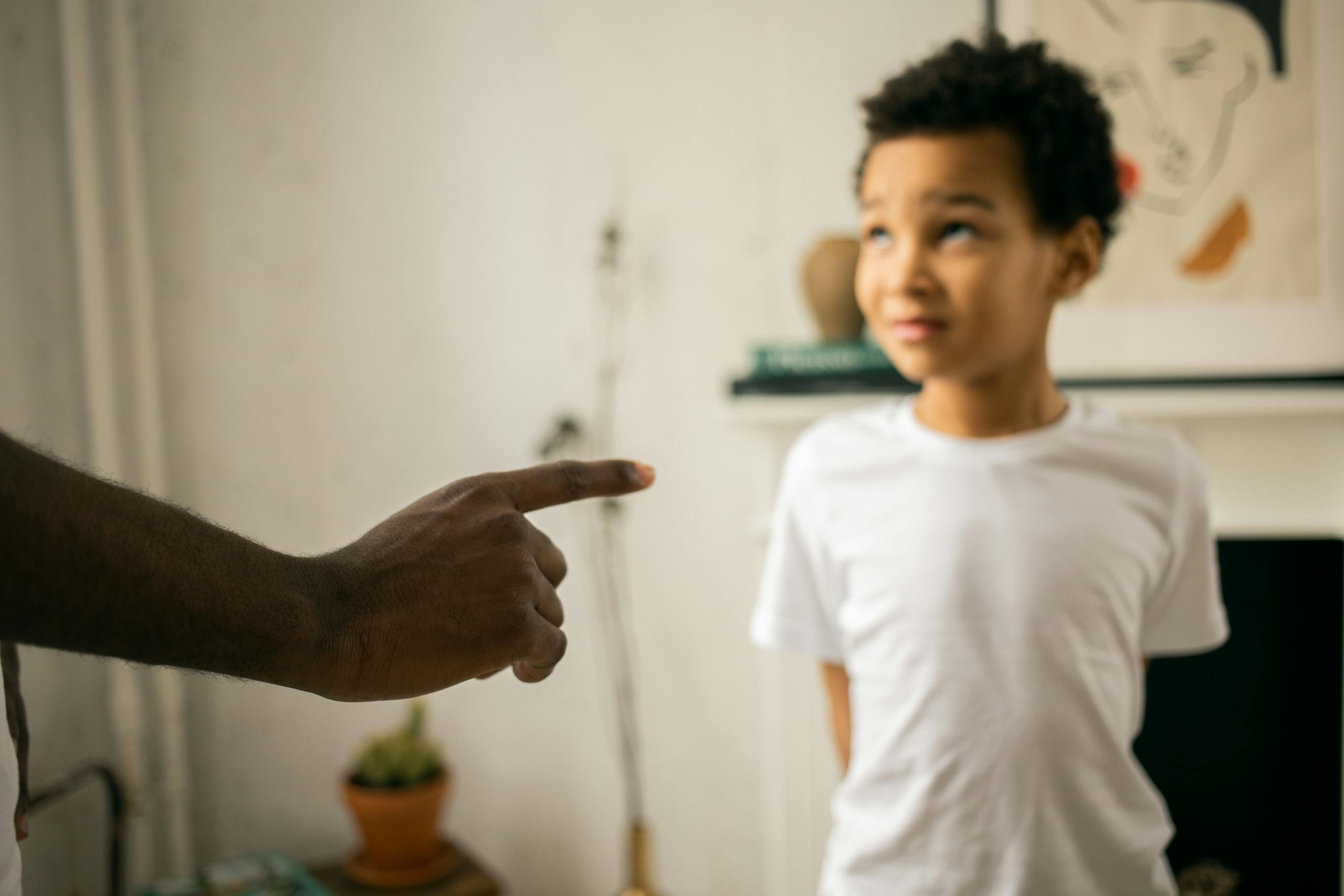
Some misbehavior is not rebellion. It is a skill gap wearing the costume of bad behavior. A child who grabs toys may not know how to ask for a turn, and a child who screams during homework may not know how to explain that the task feels too hard.
Punishment alone cannot teach a missing skill. Parents need to show the better choice in simple steps, then practice it again when everyone is calm. Instead of saying, “Stop being rude,” it may help to say, “Try saying, can I have a turn when you are done?”
They Are Overwhelmed by Big Emotions
Children can feel adult-sized emotions in small bodies that are still learning to control themselves. Anger, jealousy, fear, shame, excitement, and disappointment can all come out as yelling, crying, running away, or refusing to listen. The child may look out of control because, in that moment, they truly are struggling to control themselves.
This is where emotional coaching matters. Parents can help by naming the feeling and offering a safer action. A child who learns to say, “I am mad,” has a better tool than hitting, throwing, or melting down in silence.
They Are Hungry, Tired, or Overstimulated

Sometimes the reason is not deep, mysterious, or psychological. A child may simply be hungry, tired, too hot, too noisy, or overstimulated by a long day. Adults can become short-tempered under the same conditions, but children have fewer ways to hide it.
This is why prevention is powerful. Snacks, sleep routines, quiet breaks, and realistic schedules can help prevent many behavior problems before they escalate. A child who falls apart at the same time every evening may not need a lecture as much as rest, food, and a calmer routine.
They Are Copying What They See
Children are excellent imitators, even when adults wish they were not paying attention. They copy tone, facial expressions, conflict styles, screen behavior, sibling behavior, and the way adults react under stress. If a child sees shouting solve problems, shouting may become their first tool too.
Parents do not need to be perfect, but they do need to be aware. Modeling calm apologies, respectful disagreement, patience, and self-control gives children a living example to follow. A parent who says, “I was frustrated, so I am going to take a breath,” teaches more than a lecture ever could.
They Want More Control

Many children misbehave when they feel powerless. Refusing to get dressed, delaying bedtime, arguing over chores, or ignoring instructions can become a way to feel in charge. The behavior may be difficult, but the need behind it is often independence.
The answer is not to hand over the whole house to the child. The better answer is a limited choice. “Do you want to brush your teeth before pajamas or after pajamas?” gives the child control within a safe boundary.
They Learned That Misbehavior Works
Children repeat what gets results. If crying gets candy, crying becomes a strategy. If refusing homework leads to extra screen time because the parent gives up, refusal becomes useful.
This is one of the hardest patterns to break because giving in often feels easier in the moment. The problem is that short-term peace can lead to long-term conflict. Parents can reset the pattern by calmly holding the line and rewarding cooperation instead of surrendering to pressure.
They Are Trying to Show Independence

As children grow, they naturally want to prove they are no longer babies. Preschoolers may insist on doing everything alone, tweens may challenge family rules, and teens may push for privacy, choice, and respect. Independence can look messy before it becomes mature.
Parents can guide this need without crushing it. Age-appropriate responsibility helps children feel trusted. Let them choose outfits, manage simple chores, plan homework time, or solve small problems while still keeping firm safety rules in place.
There May Be a Deeper Concern
Frequent, intense, or risky behavior may sometimes point to something more than ordinary childhood testing. A child who struggles constantly with focus, impulse control, anxiety, sleep, aggression, or emotional regulation may need extra support. This does not mean the child is bad, broken, or beyond help.
Parents should pay attention to patterns, especially when behavior affects school, friendships, home life, or safety. A pediatrician, counselor, therapist, or school support team can help identify what is really going on. Getting help early can make life easier for the child and the whole family.
Conclusion
Misbehavior is frustrating, but it is rarely meaningless. A child may be asking for attention, testing a limit, copying behavior, craving control, missing a skill, or struggling with emotions too large to manage alone. When parents pause long enough to ask what the behavior is communicating, the response becomes wiser and calmer.
The goal is not to raise a child who never misbehaves. The goal is to raise a child who slowly learns better ways to speak, cope, wait, ask, apologize, and try again. Discipline works best when it teaches the child what to do next, not just what they did wrong.