Frank Kendall spent more than five decades working inside America’s national security system, helping oversee some of the country’s most sensitive military programs. Now, the former Air Force secretary is facing a rare Pentagon dispute after officials revoked his access to classified information over an alleged disclosure involving Air Force One.
The Pentagon says Kendall improperly revealed classified details connected to the presidential aircraft. Kendall denies knowingly sharing protected information and says he has not been told what specific information officials believe he disclosed.
The controversy has transformed a debate over a presidential aircraft into a wider national security story involving classified information, government accountability and the responsibilities of former officials. At the center of the dispute is one unanswered question: What exactly does the Pentagon believe Frank Kendall revealed?
Pentagon Revokes Frank Kendall’s Security Clearance Over Alleged Disclosure
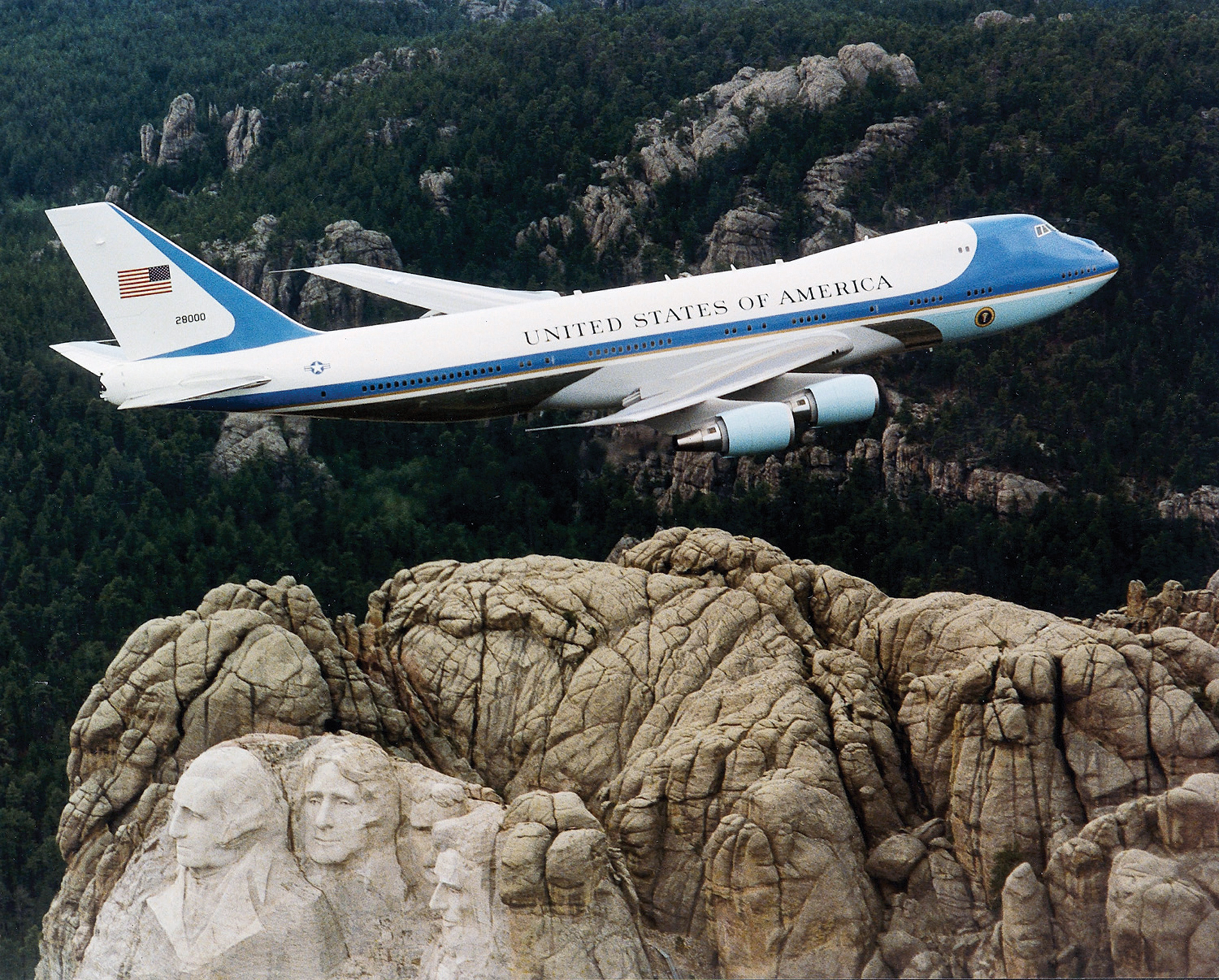
U.S. Air Force File Photo., Public domain, via Wikimedia Commons
The Pentagon announced that Frank Kendall’s eligibility to access classified information was revoked immediately after officials determined he allegedly disclosed sensitive information related to Air Force One. Chief Pentagon spokesman Sean Parnell announced the decision, describing it as a response to what the department called an unauthorized disclosure of classified information.
Parnell said protecting classified information is a fundamental responsibility and that those who violate that trust lose the privilege of access. The Pentagon has not publicly identified the exact information Kendall allegedly disclosed or explained when the alleged disclosure occurred.
Officials have also not named the media outlet involved or confirmed whether the matter has been referred for criminal investigation. The lack of public details has left major questions about what evidence led to the decision.
Kendall Denies Wrongdoing and Says He Is “Completely Mystified”
Kendall responded by rejecting the Pentagon’s accusation and questioning the basis for the decision. He said he was “completely mystified” by the revocation and maintained that he had always been careful when discussing national security matters.
The former Air Force secretary said he has not been informed about what specific information officials believe he improperly shared. He has argued that he never knowingly revealed classified material.
The dispute now rests on two opposing claims. The Pentagon says sensitive information was improperly disclosed, while Kendall says he did not cross that line.
Why Air Force One Information Is Highly Sensitive
The controversy involves Air Force One, an aircraft that serves as much more than presidential transportation. The plane functions as a secure command center that allows the president to communicate, make decisions and direct government operations during major national events.
Because of that role, details about the aircraft’s defensive systems, communications technology and security procedures receive strict protection. Revealing certain capabilities could potentially provide foreign adversaries with information about United States presidential security measures.
However, not every discussion about Air Force One is automatically classified. The central issue in Kendall’s case is whether information he discussed moved from public knowledge into protected national security territory.
The Air Force One Controversy Began with an Unusual Aircraft Deal
The Kendall dispute comes as questions continue surrounding a Boeing 747 donated by Qatar for possible use as Air Force One. The aircraft attracted attention because foreign government donations of major presidential assets are extremely uncommon.
Supporters argued the aircraft could provide a faster replacement option while the United States develops future presidential aircraft. Critics raised concerns about security, foreign influence, and whether a donated aircraft could meet the strict demands of presidential travel.
The aircraft underwent extensive modifications before being considered for presidential operations. Those upgrades focused on adapting the plane for secure communications, presidential missions, and other specialized requirements.
Questions About the Aircraft’s Security Features Intensified
The debate surrounding the aircraft grew after reports raised questions about whether the Qatar donated plane contained every advanced security feature found on traditional Air Force One aircraft. Those discussions focused on whether the aircraft had certain defensive capabilities expected from a presidential platform.
Officials have emphasized that the aircraft underwent security reviews before being used by the president. At the same time, experts have noted that converting an existing aircraft into a presidential command platform involves complex engineering challenges.
Kendall became part of the conversation because of his experience leading the Air Force and overseeing defense acquisition programs. However, officials have not publicly stated whether his known public comments were the specific information involved in the Pentagon’s allegation.
A Former Defense Leader Now Caught Between Transparency and Secrecy
Kendall’s case stands out because of his long history inside America’s defense establishment. Before serving as Air Force secretary, he held one of the Pentagon’s most powerful civilian positions overseeing military technology and acquisition.
He spent decades working with classified programs and advising government leaders on some of the country’s most sensitive defense decisions. His career was built around managing information that required strict protection.
The person now accused of mishandling sensitive information is someone whose professional reputation was built around protecting it. That contrast has made the case especially significant.
The Controversy Expanded into a Debate Over Press Freedom
The Air Force One dispute also became connected to a broader fight over journalism and government investigations. Reports about security concerns involving the aircraft led the Justice Department to subpoena journalists from The New York Times who covered the issue.
The subpoenas raised concerns among press freedom advocates, who argued that forcing reporters to reveal sources could affect investigative reporting on national security matters. The government has defended efforts to investigate unauthorized disclosures of classified information.
The situation highlights a long running challenge for democratic governments. Officials must protect sensitive information while also allowing the public to understand decisions involving national security.
Losing a Security Clearance Does Not Mean Criminal Guilt
Kendall’s classified access is a serious administrative action. However, it does not mean he has been convicted of a crime or found guilty in a court of law.
Security clearance decisions determine whether someone should continue having access to sensitive information. A criminal case would require prosecutors to establish separate facts and prove violations under federal law.
So far, no criminal charges against Kendall have been announced. The public knows the Pentagon acted, but the evidence behind that decision remains undisclosed.
The Questions That Remain About Frank Kendall’s Case
Several major questions remain unanswered following the Pentagon’s announcement. Officials have not explained what specific information Kendall allegedly revealed or why they consider it classified.
The government has not said whether the information created a security risk or whether investigators believe a criminal offense occurred. Those details will likely determine the next stage of the controversy.
For now, the dispute remains a clash between an official government allegation and a former defense leader’s denial. The missing piece is the evidence behind the decision.
Why the Frank Kendall Controversy Matters
The dispute involving Frank Kendall reaches beyond one person and one aircraft. It reflects a larger challenge facing governments around the world: protecting national security while maintaining transparency and public trust.
Air Force One has become the symbol of that debate because it combines technology, presidential power, and national defense. The aircraft controversy has now expanded into questions about information control and accountability.
The Pentagon says Frank Kendall revealed classified information. Kendall says he did not. Until officials provide more details, the biggest unanswered question remains what exactly led the government to take such an extraordinary step.