President Trump’s health has once again sparked public attention after he appeared unable to walk in a straight line while descending from Marine One at JFK Airport. The 79-year-old moved in a zig-zag pattern toward reporters, just hours after attending a high-profile and controversial appearance at Madison Square Garden, prompting renewed scrutiny from observers, medical professionals, and social media.
While some dismissed the display as a minor stumble, others note that at his age, observable balance issues can reflect underlying cardiovascular, neurological, or musculoskeletal challenges, especially under conditions of fatigue and public pressure.
Fatigue, Travel, and the MSG Marathon
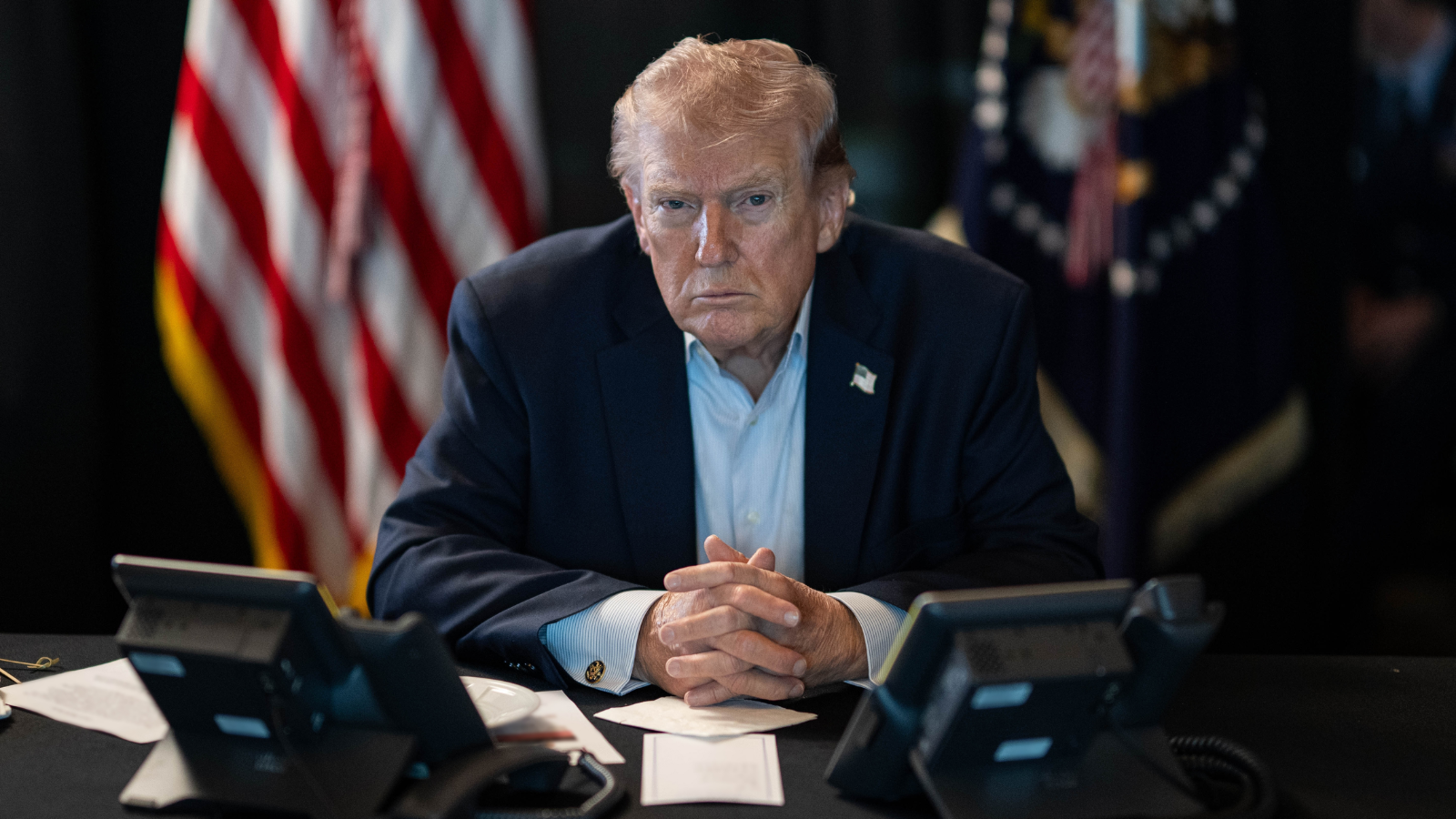
Trump’s unsteady gait came after a demanding day that included Air Force One travel, Marine One logistics, and a live NBA event at Madison Square Garden. Thousands of police patrolled the city streets, security restrictions were tightened, and the crowd’s reaction was mixed, with boos during the national anthem and his saluting on the Jumbotron.
The combination of a long day, high-stress exposure, and the sensory intensity of a public arena could naturally affect balance. Observers note that fatigue can temporarily impair coordination, meaning the zig-zag walk may not be entirely representative of chronic health issues.
Swollen Ankles and Past Health Observations
Several onlookers and social media users referenced Trump’s visibly swollen ankles, a condition noted during prior appearances. Peripheral edema, which can be related to circulation or cardiovascular health, may affect gait stability, especially when combined with fatigue or long periods of standing.
Other minor physical signs, such as bruised hands or a mysterious neck rash, further fueled public speculation about the president’s overall health. While not definitive, these factors contribute to the perception that something is physically amiss.
Cognitive Screenings Versus Physical Observations
Trump has repeatedly highlighted his perfect scores on cognitive screenings, including the Montreal Cognitive Assessment (MOCA), framing them as indicators of “extreme intelligence.” Experts caution, however, that such tests measure basic cognitive function and are not designed to assess motor coordination, balance, or stamina.
Medical commentators emphasize that a high cognitive score does not preclude observable physical difficulties, particularly in older adults who may experience fatigue, joint stiffness, or cardiovascular limitations.
Public Perception and Media Reaction
Social media immediately reacted to the footage, with commentary ranging from alarm to ridicule. The zig-zag walk became a viral topic, highlighting how visual cues of imbalance can influence public perception and political narratives, particularly for a president constantly under scrutiny.
Political figures, including Rep. Alexandria Ocasio-Cortez, and journalists have weighed in, framing the incident in both health and symbolic terms, showing how physical appearance in high-profile settings can impact credibility and optics.
Security and Environmental Constraints
Trump’s descent from Marine One occurs under tight security protocols. Protective measures, steep stairs, and the need for precise movement can amplify minor missteps, making a short lapse in balance appear more dramatic than it is.
Environmental factors, such as tarmac conditions, footwear, and the presence of Secret Service agents, further complicate interpretations, reminding observers that public appearances are staged under unique, physically challenging circumstances.
Age, Risk, and Contextualizing the Concern
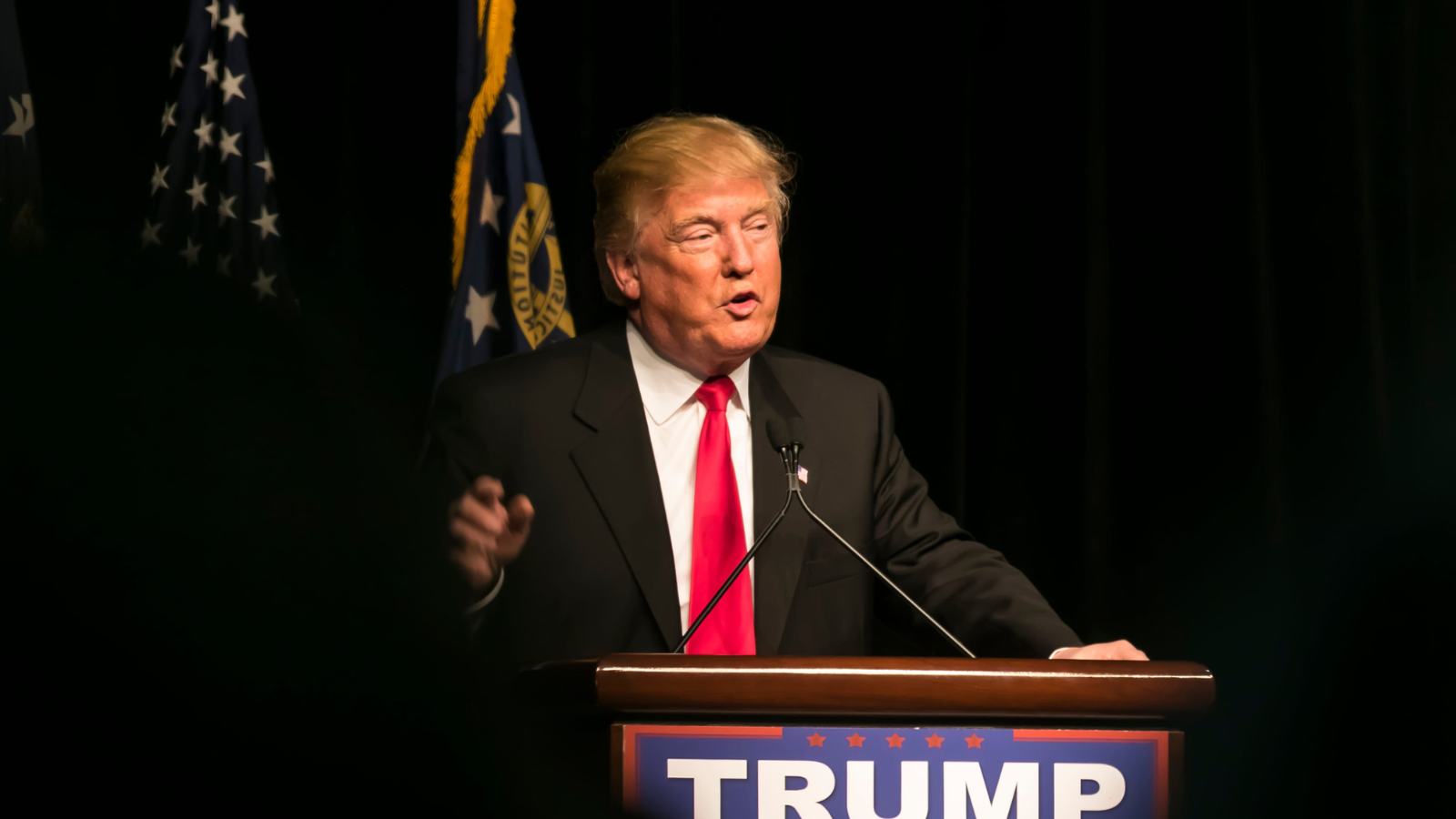
At 79, minor balance difficulties are not uncommon, particularly after long days or disrupted sleep. Aging can affect muscle strength, joint flexibility, and reflexes, all of which influence gait stability.
Combining age-related changes with environmental stressors, fatigue, and preexisting minor health issues provides a fuller picture: what may appear alarming in media clips could be a natural response to intense circumstances rather than an acute medical emergency.
The Bigger Picture: Health, Politics, and Optics
Trump’s zig-zag walk is more than a physical moment; it is a reflection of the intersection between health, politics, and public perception. Observers are left weighing what normal aging is versus what might signal underlying health risks, while social media amplifies every visible sign.
Medical professionals stress the need to interpret such events with nuance: physical imbalance can occur in the context of fatigue, swelling, or environmental conditions. For the public, however, even brief stumbles in highly visible moments can dominate the narrative and influence political discourse, demonstrating the power of optics in modern presidential life.