We often meet U.S. presidents at the polished end of their public lives: standing behind podiums, signing laws, appointing judges, commanding armies, and carrying the weight of national crises. Yet the jobs U.S. presidents held before taking office tell a far more human story. Before the White House, many were teachers, tailors, farmers, journalists, ranchers, lawyers, soldiers, publishers, oilmen, professors, and businessmen.
That matters because early work leaves marks. A surveyor learns land. A teacher learns poverty close-up. A postmaster learns trust. A newspaper owner learns persuasion. A farmer learns risk. A general learns command. When we study the jobs U.S. presidents held before taking office, we see that presidential leadership rarely starts in Washington.
George Washington Was A Surveyor Before He Became The First President
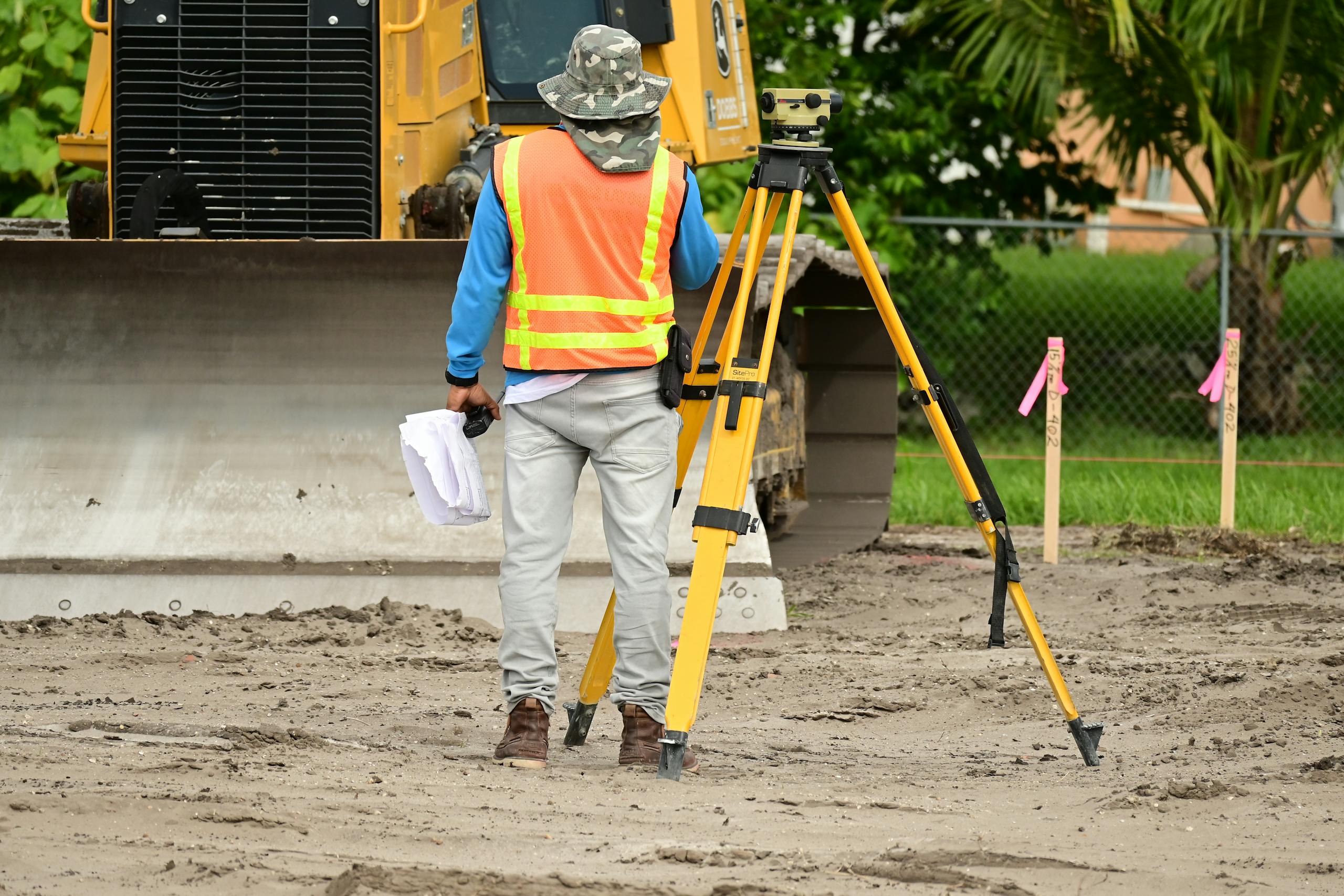
George Washington’s first major paid public role came long before the Revolution. At 17, he secured an appointment as a surveyor for Culpeper County, Virginia, a job that provided him with income, outdoor discipline, and direct exposure to land ownership in the expanding colonies. That early work shaped his understanding of property, geography, settlement, and frontier ambition before he became commander of the Continental Army and later the first president.
John Adams Built His Reputation As A Lawyer And Diplomat
John Adams was a Harvard-educated lawyer who entered the patriot cause through argument, law, and revolutionary politics. Before the presidency, he served in the Continental Congress, worked as a diplomat in Europe, and later became the first U.S. minister to Great Britain. His pre-presidential career was not flashy, but it trained him in negotiation, constitutional thinking, and the difficult art of representing a new nation abroad.
Martin Van Buren Rose Through Law, Taverns, And Political Machinery
Martin Van Buren grew up in Kinderhook, New York, where his father’s tavern exposed him to travelers, political conversation, and local power networks. He studied law, moved into New York politics, became a U.S. senator, briefly served as governor of New York, and later joined Andrew Jackson’s administration as secretary of state. His path shows how local legal practice and political organization could become a national launchpad.
Abraham Lincoln Delivered Mail Before He Led A Nation
Abraham Lincoln’s pre-presidential life included farm labor, rail splitting, storekeeping, law, and one unusually memorable federal job. In 1833, at age 24, Lincoln became postmaster of New Salem, Illinois, and served until the office closed in 1836. USPS records note that mail arrived weekly, and Lincoln personally delivered uncollected letters, often carrying them in his hat.
Andrew Johnson Worked As A Tailor Before Entering Politics
Andrew Johnson’s early life was marked by poverty, apprenticeship, and trade work. He was apprenticed to a tailor as a boy, later opened a tailor shop in Greeneville, Tennessee, and built a working-class identity that followed him into politics. That background helped him present himself as a champion of ordinary white laborers, even as his presidency became one of the most controversial in American history.
Grover Cleveland Was A Sheriff Before His Two White House Terms
Grover Cleveland was a lawyer in Buffalo before politics pulled him upward. He later became mayor of Buffalo, governor of New York, and the only president before Donald Trump to serve nonconsecutive terms. One darker part of his pre-presidential résumé came from his time as sheriff, when opponents branded him with a harsh nickname tied to executions carried out during his tenure. (Duffy, 2018)
Theodore Roosevelt Tried Ranching After Personal Tragedy
Theodore Roosevelt did not enter public life as a quiet desk politician. After his mother and first wife died on the same day in 1884, he spent much of the next two years in the Dakota Badlands, where he lived on his ranch properties, drove cattle, hunted, and absorbed the rugged western image that later shaped his public persona. (Elkhorn Ranch – Theodore Roosevelt National Park, 2024)
William Howard Taft Was A Judge And The Philippine Governor General
William Howard Taft preferred law to politics, and his résumé proves it. Before the presidency, he served as a federal circuit judge and later as chief civil administrator in the Philippines, where he became governor general. His record included road building, school expansion, economic development, and increased participation in local government, giving him an administrative background rare among presidents. (Taft, William Howard, n.d.)
Woodrow Wilson Was A Scholar Before He Became A Wartime President
Woodrow Wilson’s path to power began in classrooms, not campaign rallies. After Princeton, the University of Virginia Law School, and a doctorate from Johns Hopkins, Wilson built an academic career and became Princeton’s president in 1902. (Woodrow Wilson | whitehouse.gov, n.d.) That background shaped his belief in executive leadership, public persuasion, and reform, though his legacy remains deeply contested because of his racial views and policies.
Warren Harding Ran A Newspaper Before Running The Country
Warren G. Harding’s pre-presidential brand was rooted in Marion, Ohio. He bought and operated The Marion Daily Star from 1884 until 1923, building a public voice through local journalism, publishing, and community influence. (The Marion Star, 2026) Long before radio and television changed politics, Harding understood how a newspaper could shape reputation, loyalty, and hometown identity.
Calvin Coolidge Climbed From Local Law To Governor
Calvin Coolidge’s career was not built on spectacle. After graduating from Amherst College, he entered law and politics in Northampton, Massachusetts, and then moved step by step from councilman to governor. That slow climb gave him a reputation for restraint, discipline, and conservatism before he became president after Warren Harding’s death.
Herbert Hoover Was A Mining Engineer Before The Great Depression Defined Him
Herbert Hoover’s early career looked more global than that of many presidents before him. After earning a geology degree from Stanford, he entered mining work, first struggling to find a role before landing positions that took him to Australia and then China. His mining career gave him technical, managerial, and international experience before public service made him famous.
Franklin D. Roosevelt Practiced Law Before Public Office Took Over
Franklin D. Roosevelt attended Harvard and Columbia Law School before entering politics. His public career began with election to the New York Senate in 1910, then service as assistant secretary of the Navy under Woodrow Wilson. His legal education and elite networks mattered, but his later fight with polio and his governorship of New York became even more central to the leadership style Americans saw during the Great Depression.
Harry Truman Farmed Before He Became Commander-in-Chief
Harry S. Truman grew up in Missouri and spent 12 years prospering as a farmer before World War I pulled him into military service. After returning from France, he opened a Kansas City haberdashery that failed. Those early years gave Truman a reputation for plain speech, practical judgment, and stubborn resilience before he inherited the presidency in 1945.
Dwight Eisenhower Commanded Armies Before Winning Elections
Dwight D. Eisenhower entered the White House with one of the strongest military résumés in U.S. presidential history. During World War II, he commanded Allied landings in North Africa and later served as the supreme commander of the troops invading France on D-Day. After the war, he became president of Columbia University and later commanded new NATO forces before Republicans recruited him for the 1952 race.
John F. Kennedy Worked As A Foreign Correspondent
John F. Kennedy’s journalism career was brief but historically rich. JFK Library archives preserve materials from his 1945 Hearst Newspapers assignment, including materials tied to the United Nations Conference on International Organization and letters describing the work. Those months positioned Kennedy at the center of postwar diplomacy before he became a congressman, senator, and president.
Lyndon B. Johnson Taught Poor Mexican-American Students In Texas
Lyndon B. Johnson’s teaching job in Cotulla, Texas, became one of the most emotionally powerful chapters of his early life. In 1928, he taught at Welhausen Ward Elementary School in a segregated border town serving impoverished Mexican-American students. The National Park Service notes that he used part of his first paycheck to buy sports equipment and created contests, activities, and organized programs for the children.
Jimmy Carter Managed A Peanut Farm Before Becoming President
Jimmy Carter’s identity as a peanut farmer was not a campaign decoration. Born in Plains, Georgia, Carter grew up around peanut farming, politics, and the Baptist faith, then returned home after seven years as a naval officer. That mix of military discipline, small-town agriculture, and state politics shaped the image he carried into the 1976 campaign.
Ronald Reagan Was A Sports Announcer, Actor, And Television Host
Ronald Reagan’s career before politics ran through radio, film, unions, and television. After college, he became a radio sports announcer, landed a Warner Brothers contract after a 1937 screen test, appeared in 53 films, became president of the Screen Actors Guild, and later hosted “GE Theater.” Few presidents entered politics with a stronger command of camera presence and mass communication.
George H. W. Bush Built A Career In Oil Before Public Service
George H. W. Bush served as a young Navy pilot during World War II, then moved into the Texas oil industry after graduating from Yale. His business career preceded a long public-service career that included Congress, the United Nations, the Republican National Committee, the U.S. Liaison Office in China, the CIA, the vice presidency, and finally the presidency.
Bill Clinton Taught Law Before Becoming Arkansas Governor
Bill Clinton’s pre-presidential life moved through Georgetown, Oxford, Yale Law School, and Arkansas politics. After Yale, he briefly taught law at the University of Arkansas, ran unsuccessfully for Congress in 1974, became Arkansas attorney general, and then became governor at age 32. His early teaching and legal background helped build the policy-heavy image that later defined his national campaigns.
George W. Bush Worked In Oil And Baseball Before The White House
George W. Bush’s path blended business, family politics, and sports management. Before politics, he worked in the Texas oil industry and founded Arbusto Energy in 1977. In 1989, he assembled a group of investors to buy the Texas Rangers baseball team and served as managing general partner for five years, gaining business visibility before becoming Texas governor.
Barack Obama Was A Community Organizer And Civil Rights Lawyer
Barack Obama’s pre-presidential story included private-sector work, community organizing, elite legal training, and civil rights law. After graduating from Columbia in 1983, he worked in New York, then moved to Chicago to organize with churches on housing and job-training issues. After Harvard Law School, where he became the first African American president of the Harvard Law Review, he returned to Chicago and joined a civil rights law firm.
Joe Biden Was A Public Defender Before His Long Senate Career
Joe Biden’s early legal career started after Syracuse University Law School. He first worked for a corporate law firm but soon moved into public defense, representing clients from Wilmington’s east side before winning a New Castle County Council seat and, in 1972, a U.S. Senate seat. After the vice presidency, he also held a role at the University of Pennsylvania as the Benjamin Franklin Presidential Practice Professor.
Donald Trump Was A Real Estate Developer And Television Personality
Donald Trump entered national politics from business and entertainment rather than elected office. He took over his father’s real estate company in 1971, renamed it the Trump Organization, and expanded into hotels, resorts, residential and commercial buildings, casinos, and golf courses. In 2004, he launched “The Apprentice,” giving him a television platform years before his presidential campaigns.