Narcissism is often misunderstood because it does not always arrive loudly. Sometimes it walks into a room with charm, confidence, polished manners, and a smile that makes everyone else feel lucky to be noticed. The problem begins when that charm turns into control, the confidence turns into superiority, and the relationship slowly becomes a place where one person’s ego takes up all the air.
We do not need to diagnose someone to notice harmful patterns. Narcissistic traits can appear in romantic relationships, families, friendships, workplaces, and social circles. Some people show occasional selfishness, which is part of being human, but narcissistic behavior becomes more serious when it is repeated, rigid, and emotionally damaging. The clearest warning signs usually show up in how a person handles attention, criticism, empathy, power, and accountability.
Grandiosity That Feels Like Superiority, Not Confidence
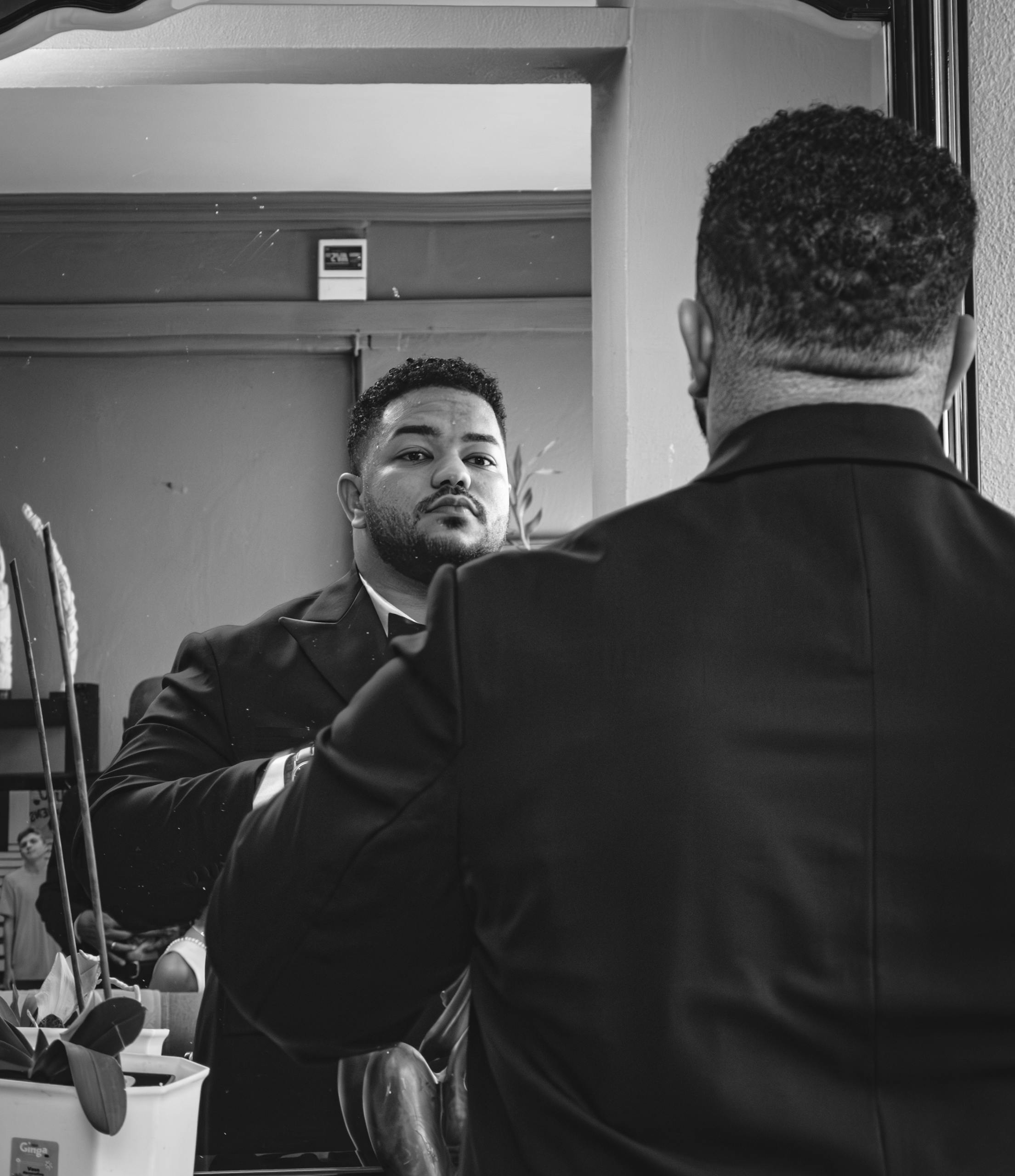
Healthy confidence has room for other people. Narcissistic grandiosity does not. A narcissistic person may speak as if they are more intelligent, attractive, talented, spiritual, successful, or important than everyone around them. Their self-image is often inflated, and they may expect special recognition even when their actions do not match their claims.
We may notice this in the way they exaggerate achievements, dominate conversations, name-drop powerful people, or treat ordinary situations as beneath them. They may present themselves as misunderstood geniuses, rare talents, or natural leaders, constantly surrounded by people too average to appreciate them. At first, this can sound impressive. Over time, it can become exhausting because every room must somehow revolve around the importance of the room.
The deeper problem is that grandiosity often blocks humility. When someone believes they are always exceptional, they rarely feel the need to listen, grow, or take responsibility. We may find ourselves praising them just to keep the peace, even when their behavior does not deserve it.
A Constant Hunger for Admiration
One of the clearest signs of narcissistic behavior is an endless need for praise. Everyone enjoys appreciation, but narcissistic admiration feels different because it is never satisfied for long. Compliments may calm them for a moment, but soon they need more attention, more validation, and more proof that they are still the center of the story.
This can show up through fishing for compliments, turning every conversation back to themselves, posting for constant validation, or becoming cold when others receive attention. If a friend succeeds, they may redirect the moment toward their own achievements. If a partner gets praised, they may suddenly act irritated, bored, or dismissive. Their need to be admired can make everyone else feel invisible.
We should pay attention when praise becomes a requirement rather than a gift. A relationship becomes unhealthy when one person must constantly feed another person’s ego to avoid punishment, silence, jealousy, or rage.
Entitlement That Ignores Other People’s Limits
Entitlement is more than wanting good things. It is the belief that special treatment is owed. A narcissistic person may expect others to rearrange their lives, forgive repeated harm, offer endless emotional labor, or provide loyalty without receiving respect in return. They may behave as though rules, boundaries, delays, and consequences are personal insults.
We may see entitlement in small daily moments. They take the best seat without asking. They expect instant replies but ignore messages when it suits them. They borrow money, time, attention, or favors without genuine gratitude. They interrupt, demand, pressure, and then act offended when someone says no.
The danger of entitlement is that it turns other people into service providers. Our needs become inconvenient. Our boundaries become attacks. Our time becomes available by default. A person who truly respects us may dislike a boundary, but they will still understand that we have the right to set one.
Lack of Empathy That Leaves Others Emotionally Alone

A lack of empathy may be the most painful sign because it makes closeness feel one-sided. A narcissistic person may understand emotions intellectually, but they often struggle to care deeply when someone else’s feelings interfere with their comfort, image, or agenda. They may dismiss pain, minimize distress, or act annoyed when someone needs support.
This can look like saying we are too sensitive, dramatic, needy, weak, or ungrateful. If we cry, they may become irritated. If we explain how they hurt us, they may turn the conversation into a discussion of how unfairly they are being accused. If we need comfort, they may offer a cold answer, change the subject, or use our vulnerability against us later.
Real empathy does not mean perfect reactions every time. It means a person can pause, listen, and care about the impact of their behavior. When empathy is consistently missing, the relationship begins to feel lonely even when the person is physically present.
Manipulation That Makes Control Look Like Love
Narcissistic behavior often becomes deeply confusing because manipulation can be wrapped in charm, concern, romance, or moral language. A person may say they only want what is best for us, but their version of “best” always gives them more control. They may use guilt, flattery, fear, silence, anger, pity, or affection to push us into doing what they want.
Love bombing is one early example. They may overwhelm us with attention, promises, gifts, intensity, and big declarations before real trust has had time to grow. Later, that warmth may disappear, leaving us chasing the person they seemed to be at the beginning. This push-and-pull pattern can make us work harder for approval that once came freely.
Manipulation can also become subtle. They may twist facts, deny conversations, rewrite events, or make us feel responsible for their bad behavior. Over time, we may stop asking, “Was that wrong?” and start asking, “How do I avoid upsetting them?” That shift is a serious warning sign.
Gaslighting That Makes Us Question Our Reality
Gaslighting is a form of emotional manipulation that makes a person doubt their memory, instincts, or judgment. A narcissistic person may deny things they clearly said, accuse us of imagining problems, call us unstable, or insist that our feelings are proof that we cannot be trusted. The goal is not healthy disagreement. The goal is control over the story.
We may begin saving screenshots, replaying conversations, or asking friends if we are overreacting. We may apologize for things we did not do just to end the argument. We may feel nervous before raising concerns because we already know the discussion will somehow be blamed on us.
Gaslighting is especially damaging because it attacks the foundation of self-trust. When we can no longer trust our own perception, we become easier to control. A healthy relationship allows two people to remember things differently without one person trying to destroy the other’s confidence in reality.
Exploitation Hidden Behind Charm

A narcissistic person often views relationships through usefulness. They may value people for attention, access, money, status, labor, comfort, sex, admiration, or emotional supply. When someone is useful, they may be charming and generous. When that usefulness fades, the warmth may disappear quickly.
Exploitation can be obvious, like taking money or using someone’s connections. It can also be emotional, like expecting a partner to absorb constant drama without receiving care in return. It can happen in families when one person demands loyalty but gives little respect. It can happen at work when a boss takes credit, shifts blame, or uses praise only to keep people overperforming.
The key pattern is imbalance. We keep giving, adjusting, explaining, rescuing, and forgiving, while they keep taking. A relationship should not feel like a stage where one person performs greatness, and everyone else works backstage.
Envy, Competition, and the Need to Win
Narcissistic people often struggle to celebrate others without comparison. Someone else’s success can feel like a threat because it takes attention away from them. They may minimize achievements, point out flaws, change the subject, or suggest that another person succeeded only through luck, favoritism, looks, money, or manipulation.
This can become especially painful in close relationships. A partner may resent our growth. A friend may become distant when we receive praise. A family member may mock our goals while pretending to “keep us humble.” A coworker may copy our ideas and then act as if they improved them.
Envy does not always look like obvious jealousy. Sometimes it looks like sarcasm, silence, backhanded compliments, or sudden criticism after something good happens to us. A person who loves us should not need us to shrink so they can feel tall.
Arrogance, Contempt, and Casual Cruelty
Arrogance is the attitude that other people are beneath them. It may show up through eye-rolling, interruptions, mocking, condescending jokes, public embarrassment, or the habit of speaking to people as if they are stupid. A narcissistic person may treat service workers, employees, relatives, or vulnerable people with contempt when there is no social reward for being kind.
This behavior matters because character is often most clearly evident when a person has power. Anyone can be charming around people they want to impress. The stronger test is how they treat someone who cannot offer them status, money, attention, or advantage.
Casual cruelty should never be ignored just because it is presented as humor. If someone repeatedly humiliates others and then says everyone is too sensitive, they are not being honest. They are asking for permission to harm people without consequence.
Rage, Defensiveness, and Punishment After Criticism
Narcissistic behavior becomes most visible when the person is corrected, challenged, rejected, or exposed. Even mild feedback can feel like an attack on their identity. Instead of listening, they may explode, mock, deny, blame, withdraw, or punish the person who dared to question them.
This reaction may include shouting, insults, silent treatment, revenge, smear campaigns, or sudden emotional coldness. They may accuse the other person of jealousy, betrayal, disrespect, or cruelty. The original issue disappears, and the conversation turns into a conversation about soothing their wounded pride.
Healthy people may feel defensive, but they can usually return to the issue and reflect on it. Narcissistic defensiveness often refuses repair because accountability feels unbearable. The relationship becomes a courtroom where they must always be innocent, and someone else must always be guilty.
The Narcissistic Pattern We Should Watch For
A single trait does not prove narcissism. The pattern matters. When grandiosity, entitlement, lack of empathy, manipulation, and defensiveness appear together across time, the relationship often becomes emotionally unsafe. We may feel drained, confused, guilty, isolated, and strangely addicted to small moments of kindness.
The most damaging part is the slow erosion of self-trust. We may begin doubting our memory, lowering our standards, hiding our pain, and accepting treatment we once would have recognized as unacceptable. We may keep waiting for the charming version of the person to return, not realizing that the charm and the harm are part of the same cycle.