A Nostalgia-Led Comeback That Tests Consumer Trust in Crown Nuggets Marketing
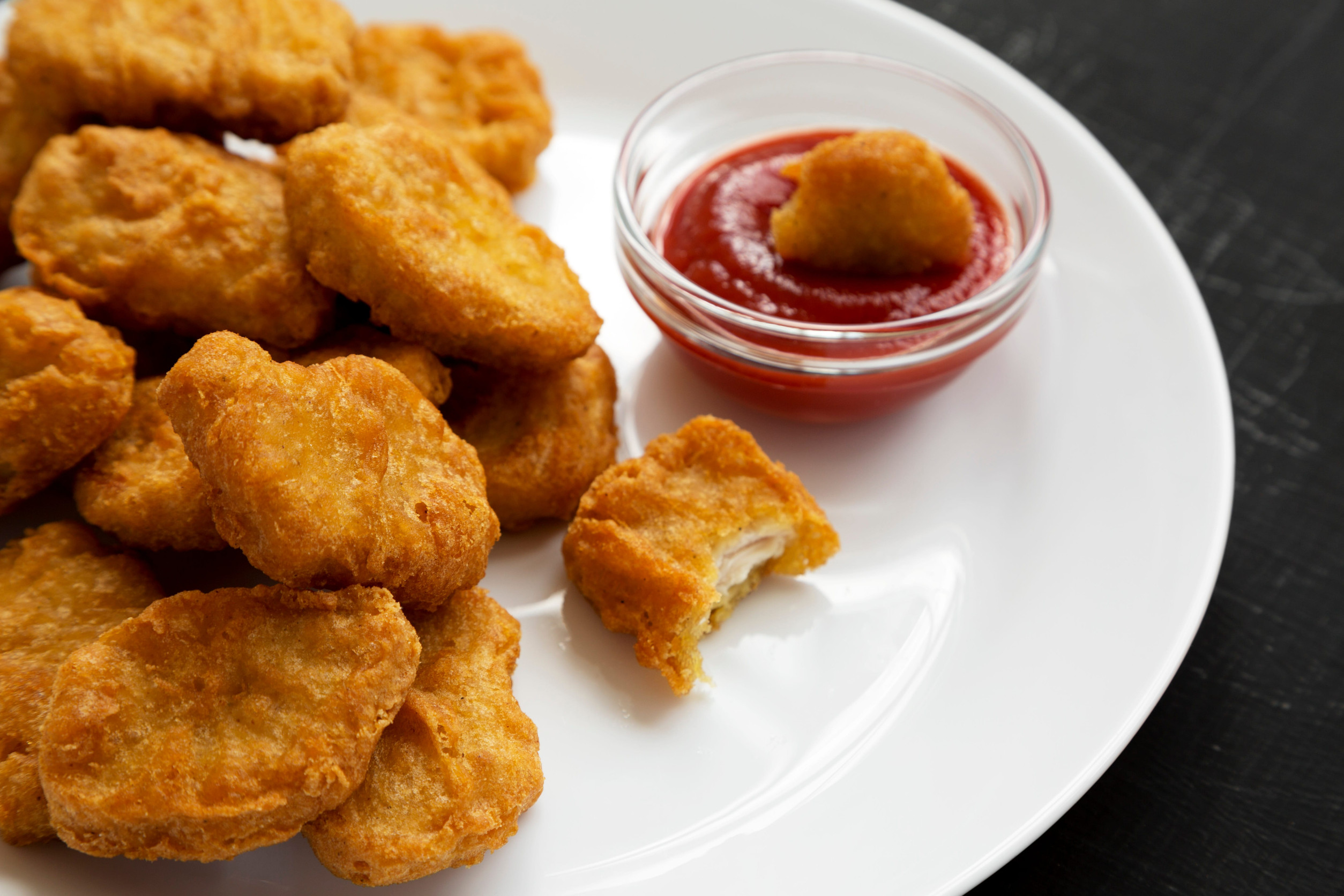
The return of crown nuggets at Burger King has been positioned as a response to long-standing consumer demand. However, beneath the surface of celebration lies a more complex narrative about how modern fast-food brands use nostalgia as a recurring commercial strategy rather than a genuine restoration of legacy products.
The crown nuggets revival reflects a broader industry pattern where discontinued menu items reappear not as permanent fixtures but as controlled, time-limited campaigns designed to generate urgency and attention. This shift raises important questions about whether consumer demand is truly being met or carefully shaped through marketing cycles.
Fast food nostalgia has become a powerful economic force. Yet its increasing commercialization introduces uncertainty about authenticity, product consistency, and whether long-awaited returns truly reflect the originals that consumers remember.
Memory Versus Reality in the Crown Nuggets Revival
The crown nuggets return has revived strong emotional recall among long-time customers, but it has also exposed a widening gap between memory and expectation. Many consumers associate the original product with a distinct seasoning profile and texture that may no longer exist in the same form.
Over time, ingredient sourcing, production standards, and cost structures in the fast food industry have shifted significantly. These changes often influence flavor outcomes in subtle but meaningful ways, even when branding and shape remain identical.
This creates a central tension in the Crown Nuggets narrative. Are consumers responding to a faithful recreation, or to an idealized memory shaped by time and nostalgia rather than the product itself?
Such questions are not unique to this case. Food historians and consumer behavior analysts have long noted that discontinued products often gain symbolic value after removal from the market, making accurate replication increasingly difficult.
The Economics of Nostalgia and the Rise of Controlled Scarcity
The return of crown nuggets also highlights how scarcity has become a central economic tool in modern fast food strategy. Limited-time availability encourages immediate consumption while reinforcing emotional urgency among consumers who fear missing out.
This approach transforms product launches into short-lived cultural moments rather than stable menu additions. The effect is heightened engagement over a brief period, followed by disappearance, thereby preserving future demand.
In this context, crown nuggets function less as a permanent menu revival and more as a repeatable engagement mechanism. The scarcity model ensures that attention cycles remain active, even when the product itself is absent.
Industry observers have increasingly pointed to this pattern as part of a broader shift toward attention-driven revenue models. Instead of relying on continuous product innovation, brands leverage timing and exclusivity to sustain consumer interest.
Crayola Collaboration and the Expansion of Experience Over Substance
The inclusion of a partnership with Crayola adds another layer to the Crown Nuggets rollout. The collaboration introduces coloring activities and branded materials to enhance the family dining experience.
On the surface, this aligns with broader trends in experiential dining, where food purchases are paired with interactive elements. However, it also shifts attention away from the product itself and toward supplementary engagement tools.
This raises a key analytical question about modern fast food strategy. When entertainment and branding extensions become central to the meal experience, does the core food product lose its relative importance?
The growing reliance on cross-brand collaborations suggests that emotional engagement increasingly depends on external experiences rather than culinary innovation alone.
The Internet-Driven Petition Cycle Behind Product Revivals
The crown nuggets comeback is also part of a larger digital ecosystem in which consumer nostalgia is continually amplified across online platforms. Social media discussions, forums, and informal petitions play a significant role in keeping discontinued products visible in public conversation.
Over time, this creates a feedback loop between consumer sentiment and corporate monitoring systems. Brands observe persistent engagement signals and interpret them as justification for reintroducing legacy products.
However, this system raises concerns about representativeness. Online enthusiasm may not always reflect broader consumer demand, yet it can still influence product strategy due to its visibility and intensity.
As a result, product development decisions may increasingly reflect digital signal strength rather than balanced market research.
Innovation Concerns in a Cycle of Recycled Menu Strategies
The return of crown nuggets also contributes to a broader critique of fast food innovation trends. Industry patterns suggest a growing reliance on reintroduced products rather than the introduction of entirely new offerings.
This approach offers clear commercial advantages. Familiar products carry lower risk, require less marketing education, and already possess built-in brand recognition. However, it may also reduce the incentive to develop new menu concepts that reflect changing consumer preferences.
Over time, this cycle can create a perception that menus are becoming increasingly static beneath the surface of seasonal rotation. Instead of innovation-driven growth, brands may lean more heavily on legacy-driven engagement.
Crown nuggets, in this sense, become part of a larger question about whether fast food is evolving or repeatedly revisiting its past.
Generational Perspectives and the Fragmentation of Food Identity
The return of crown nuggets also reveals a generational divide in how fast food nostalgia is experienced. For older consumers, the product represents a return to a specific period of brand identity and personal memory.
For younger consumers, however, it is often encountered as a trend shaped by social media rather than lived experience. This creates two distinct interpretations of the same product: one rooted in memory, the other in discovery.
This fragmentation affects how value is assigned. Emotional attachment differs depending on whether the product is remembered or newly introduced through digital culture.
As a result, crown nuggets operate simultaneously as nostalgia and novelty, depending on the audience.
Brand Identity and the Commercialization of Symbolic Design
The crown shape itself reflects a deliberate branding strategy. It reinforces Burger King’s long-standing visual identity built around royalty and playful authority.
By embedding brand symbolism directly into food form, the company strengthens recognition while blurring the boundary between product and marketing tool. The design becomes both edible and symbolic.
However, this also raises questions about whether branding now carries more weight than culinary development. When visual identity becomes the primary differentiator, product substance risks becoming secondary.
This dynamic reflects a broader trend in consumer goods where symbolic recognition often competes with functional quality.
Final Reflection on the Limits of Nostalgia as a Business Model
The return of crown nuggets at Burger King illustrates a fast food industry increasingly shaped by memory, scarcity, and controlled repetition. What appears to be a simple product revival reflects a deeper system in which nostalgia functions as a recurring economic instrument.
While the strategy generates immediate engagement, it also introduces long-term questions about innovation, authenticity, and consumer trust. If past products continue to return in cycles, the boundary between memory and marketing becomes increasingly difficult to distinguish.
The crown nuggets revival ultimately invites a broader reflection. When nostalgia becomes a predictable business model, does it still belong to the consumer, or does it become something carefully managed by the brand itself?