Halloween candy looked a little different when Baby Boomers were growing up. Before oversized variety bags and endless seasonal flavors became the norm, trick-or-treaters found everything from candy corn and chewy caramels to colorful wafer rolls and old-fashioned lollipops.
During the 1950s and 1960s, packaged sweets became an increasingly important part of Halloween. Candy companies promoted convenient, individually wrapped treats, though homemade goodies and other surprises still made their way into children’s trick-or-treat bags.
The fun part? Many candies from those decades are still available today. Some have changed owners, packaging, or even recipes, but their familiar names remain. Here are ten worth revisiting this Halloween.
Brach’s Classic Candy Corn
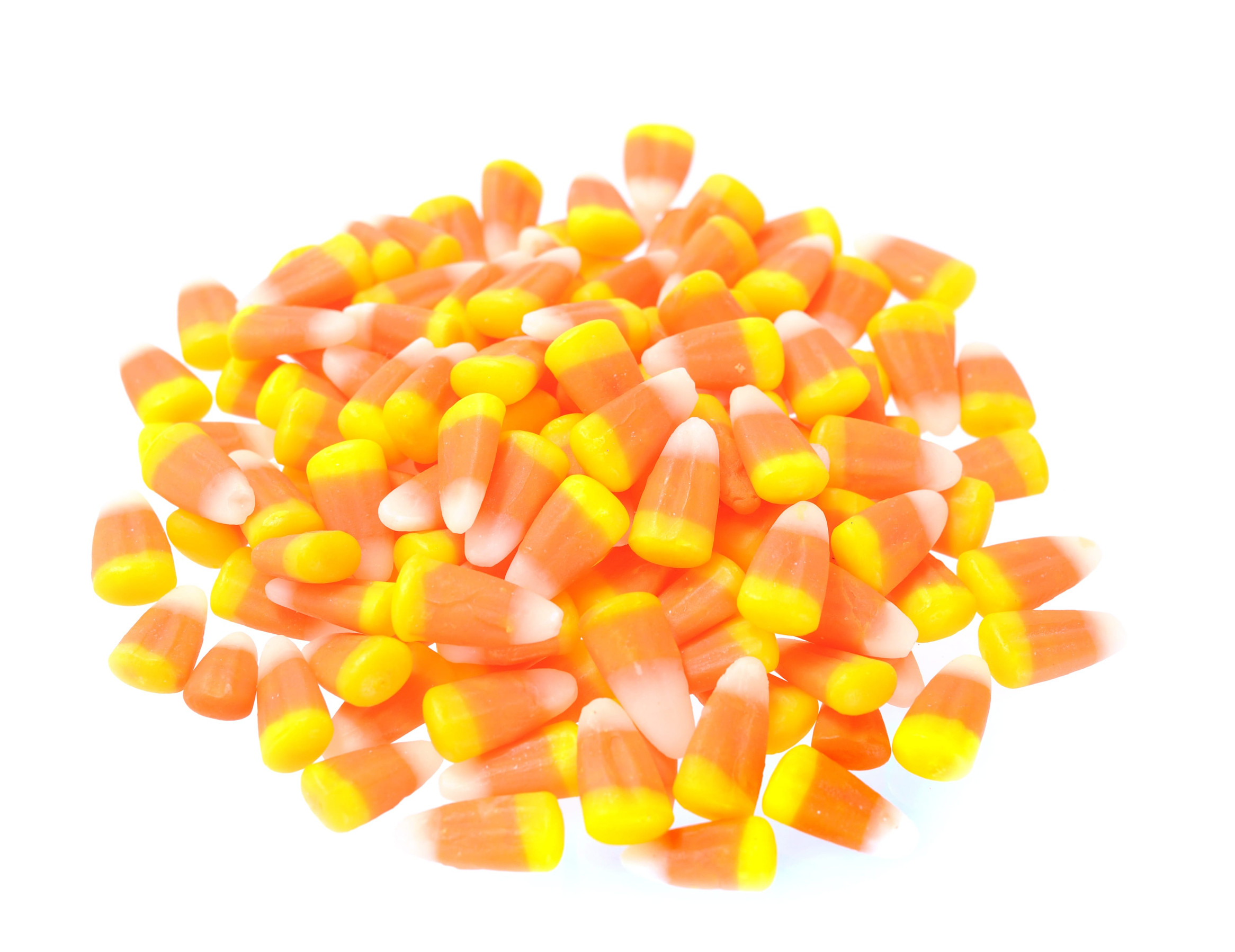
A Halloween classic with serious staying power.
Brach’s began making candy corn in the 1920s, decades before the colorful kernels became fixtures of modern Halloween displays. During the 1960s, the company even sold five-cent trick-or-treat pouches containing approximately 40 to 50 pieces, according to candy historian Samira Kawash.
The familiar yellow, orange, and white kernels remain available today. Ferrara now owns Brach’s, and Target listed an 11-ounce bag for $2.79 during the October 22, 2026, research check.
Whether you love candy corn or prefer something chocolatey, it’s hard to imagine a traditional Halloween candy bowl without it.
Tootsie Rolls
The chewy candy that outlasted generations of trends.
Tootsie Rolls were already established long before Boomers started trick-or-treating. The company traces its introduction to 1896, although historical research suggests the familiar candy may have emerged commercially somewhat later.
By the 1950s, Tootsie Rolls appeared in national advertising and children’s television promotions. Their dense, chocolate-flavored chew offered something different from an ordinary chocolate bar.
Today, Tootsie Roll Midgees are still sold individually wrapped in convenient bags. Target listed a 15-ounce bag for $4.79, making these old-fashioned favorites easy to add to a nostalgic candy assortment.
Tootsie Pops
Remember that famous question about the number of licks?
Introduced in 1931, Tootsie Pops combine a hard candy shell with a chewy Tootsie Roll center. But for many younger Boomers, the advertising might be almost as memorable as the candy itself.
Mr. Owl arrived in 1970, helping turn the question of how many licks it takes to reach the center into a lasting advertising catchphrase.
The candy remains available in Halloween packaging. Target listed a 13.2-ounce bag for $3.99. It is a fun option for anyone who remembers those classic commercials or wants to introduce the candy to another generation.
Dum-Dums Lollipops
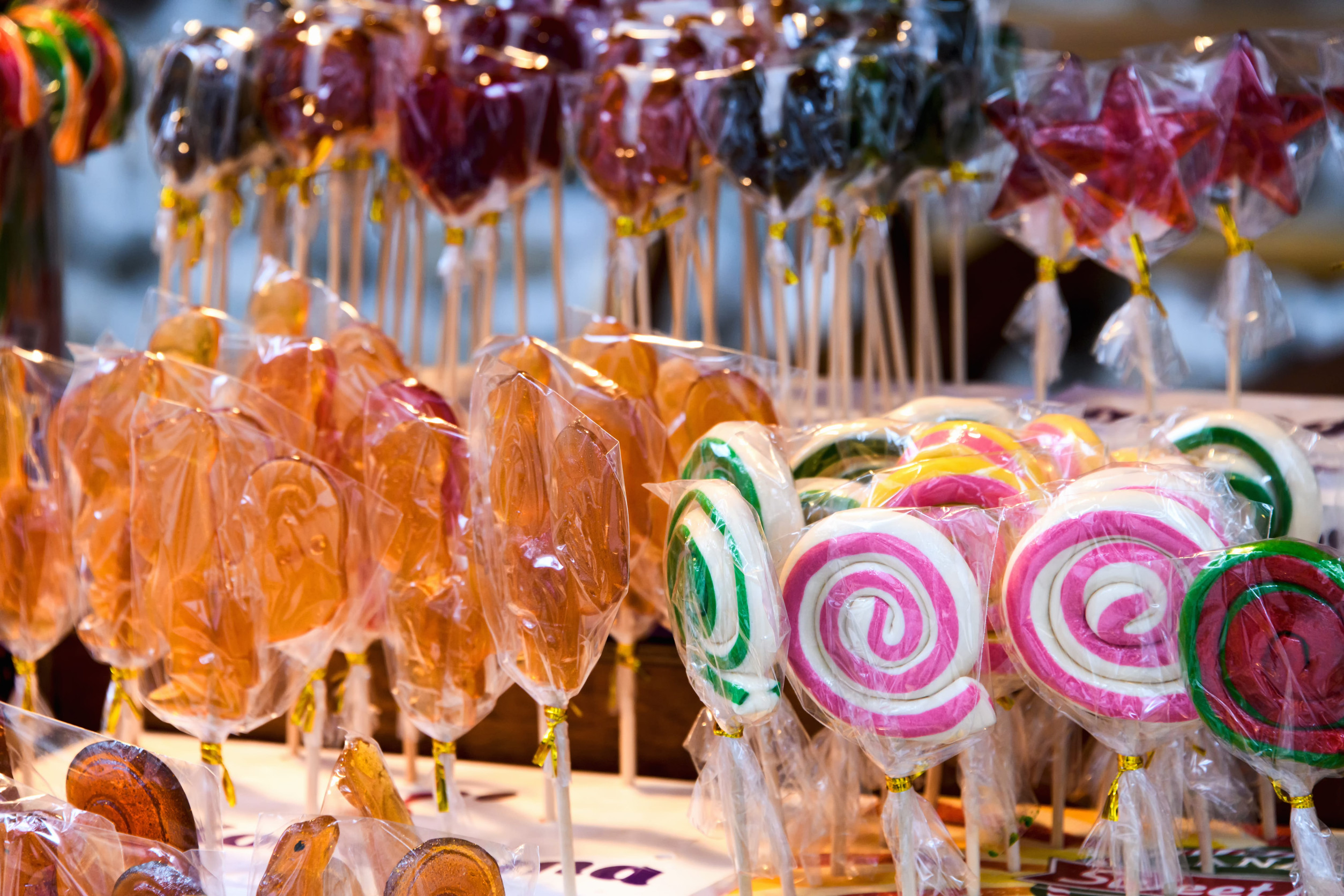
Small lollipops with a surprisingly interesting history.
Dum-Dums first appeared in 1924 and joined Spangler Candy Company’s lineup in 1953. Their compact size, assorted flavors, and individual wrappers make them a natural addition to a candy bowl.
One particularly nostalgic detail is the old “Save Wraps for Stuff” promotion. Introduced in 1959, it allowed customers to save wrappers toward rewards. The program eventually ended, but it remains a fascinating part of the candy’s history.
Dum-Dums are still sold today, including the Original Mix. Target listed a 13-ounce bag for $4.69. Just remember that the Mystery Flavor debuted much later, in 2001, rather than during the earliest Boomer childhood years.
Smarties
Those tiny candy rolls with unmistakable pastel colors.
American Smarties arrived in 1949 when Edward Dee established Ce De Candy in New Jersey. He started with just two machines in a rented facility, eventually building a candy business closely associated with the Halloween season.
These aren’t the chocolate Smarties sold in some other countries. The American version consists of small, compressed candy wafers wrapped in individual rolls.
The company is now called Smarties Candy Company, and the original candy still appears in seasonal packaging. Target listed a large 64-ounce Halloween bag for $10.49.
Bit-O-Honey
A chewy treat with honey and crunchy almond pieces.
Bit-O-Honey dates back to 1924, when the Schutter-Johnson Company introduced it in Chicago. Originally sold as a bar, the candy became recognizable for its chewy texture and combination of honey and almonds.
Spangler acquired the brand in 2020 and refreshed its packaging in 2023. The company has also changed the candy’s texture and almond content, so today’s version shouldn’t be assumed to be identical to the original.
You can still buy Bit-O-Honey, including directly from Spangler. Its online store listed a 30-pound bulk case for $134.95, although shoppers looking for smaller quantities can check local retailers.
Necco Candy Wafers
The colorful candy discs that nearly disappeared.
Necco Wafers have one of the longest histories on this list. Their origins trace back to 1847, when Oliver Chase developed a machine for cutting candy lozenges. The New England Confectionery Company itself formed decades later, in 1901.
These thin, powdery wafers come in flavors including cinnamon, wintergreen, chocolate, and licorice. They also have a comeback story worth remembering.
After Necco closed in 2018, the wafers disappeared from shelves, then returned under Spangler in 2020. Today, Spangler sells the original assortment, with a 24-roll tray listed for $38.48 during the October research check.
DOTS Original
Chewy little gumdrops in a colorful box.
Introduced in 1945, DOTS offered a fruity alternative to chocolate bars and hard candies. The original assortment includes cherry, strawberry, lemon, lime, and orange flavors.
The candy started as a Mason product before joining Tootsie Roll Industries in 1972. Despite newer variations appearing over the years, the original five-fruit assortment remains part of the lineup.
Retailers still list standalone boxes, though local inventory can vary. Target’s 52-ounce Child’s Play Halloween assortment also listed the original DOTS at a sale price of $8.99.
Milk Duds
The imperfectly shaped candy with a memorable name.
Milk Duds entered the candy business in 1928 through Chicago’s F. Hoffman & Company. The manufacturer’s unusual name came from unsuccessful attempts to make the chocolate-coated caramel pieces perfectly round.
Instead of abandoning the irregular pieces, the company made that imperfection part of the candy’s identity.
Hershey acquired Milk Duds in 1996, and the familiar yellow theater boxes are still around. Target listed a five-ounce box for $1.59.
For anyone assembling a candy bowl inspired by an old-fashioned candy counter, Milk Duds offer a wonderfully recognizable addition.
Charleston Chew Vanilla
The candy bar with a memorable freezer trick.
Charleston Chew arrived during the 1920s and took its name from the fashionable Charleston dance. Its vanilla nougat filling and chocolate coating set it apart from conventional candy bars.
One especially fun tradition developed after Nathan Sloane purchased the business in 1957. The company encouraged customers to freeze Charleston Chews before eating them, a serving suggestion the brand still promotes.
Tootsie Roll Industries now owns Charleston Chew and still offers vanilla bars and fun-size packages. However, we still need to confirm fresh retailer inventory and pricing for the original bar before publication.
For a little old-school candy nostalgia, trying one frozen is a fitting tribute to its history.
Halloween candy has changed a lot over the decades, but these familiar sweets prove some childhood favorites can survive generations of changing tastes and traditions.
Other Posts You May Like
- 9 Things You Should Never Do When Handing Out Halloween Candy
- 8 U.S. Destinations That Turn Halloween Into a Huge Celebration Every Year and Are Worth Visiting