Remember when a school day involved chalkboards, purple worksheets, and lunchboxes decorated with your favorite TV characters? If you attended school in the 1970s, you probably remember at least a few of these things. Back then, technology looked very different, and even simple classroom activities required a little more hands-on effort.
Schools have changed dramatically since those days. Computers have replaced much of the old equipment, lunch payments have gone digital, and students can find information without opening a single encyclopedia. Here are 10 school-day experiences that might bring back some memories.
Walking or biking to school
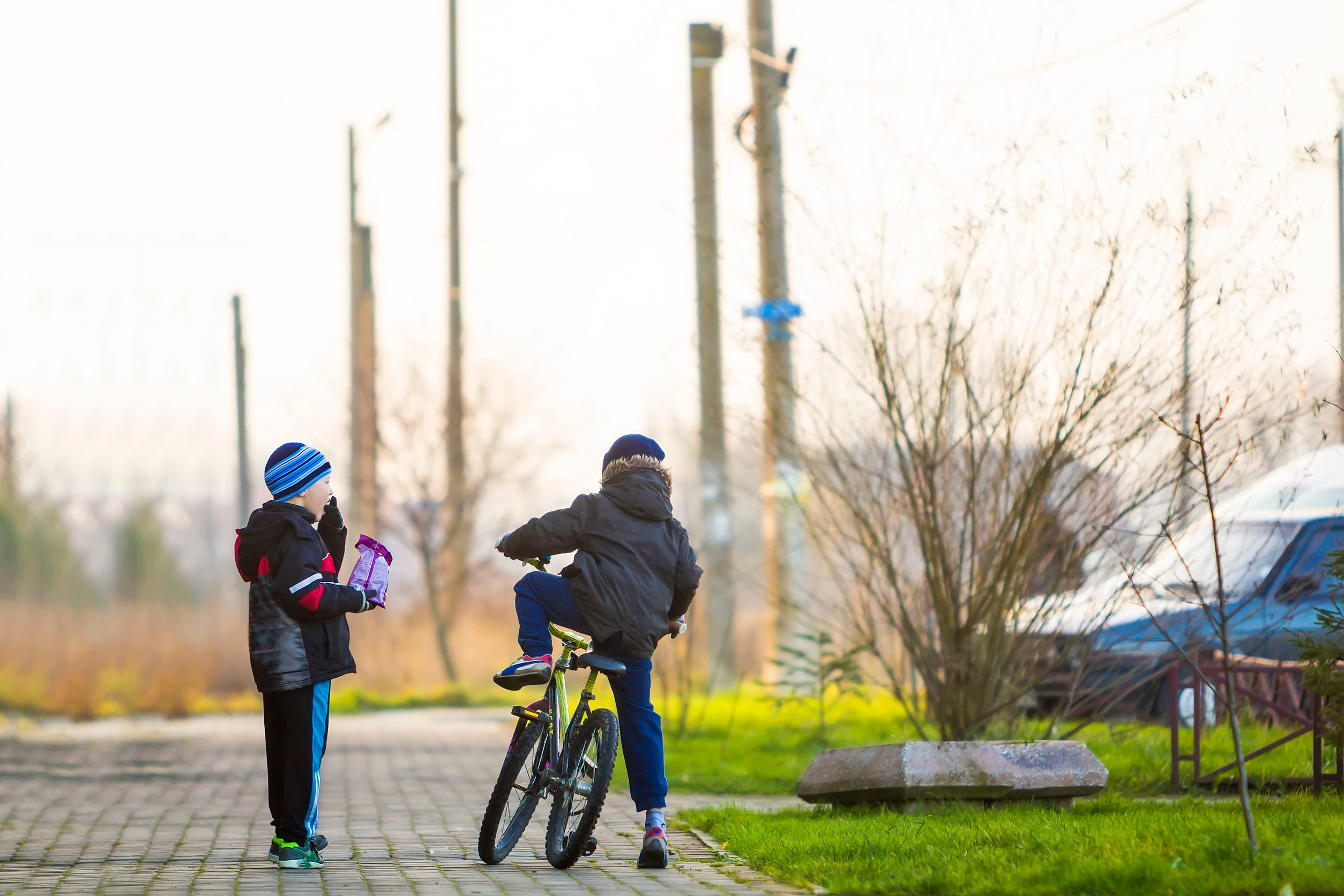
For many children growing up around the 1970s, the school day began with a walk or bike ride through the neighborhood. There was no need to join a long line of cars outside the school entrance if you lived close enough to make the trip yourself.
According to the National Center for Safe Routes to School, 48% of kindergarten through eighth-grade students usually walked or biked to school in 1969. By 2009, that figure had dropped to 13%.
Distance, school locations, and transportation arrangements all contributed to changing routines. Children still walk and bike to school today, but it’s much less common than it once was.
Working answers out on a chalkboard
Before interactive whiteboards and classroom screens, teachers relied on chalkboards to explain lessons and work through problems.
Students could be called to the front of the classroom to solve an equation or write an answer while everyone watched. Making a mistake meant correcting it right there on the board.
Chalkboards were practical because teachers could erase one lesson and immediately begin another. Today, whiteboards and digital displays have taken over much of that job, although some schools still use traditional chalkboards.
Related: 9 Things Kids in the 1950s Were Taught That Children Rarely Hear Today
Getting a purple ditto worksheet
If you remember receiving worksheets covered in purple lettering, you probably encountered a ditto machine.
These machines used a process called spirit duplication to reproduce classroom materials. Teachers and school staff could prepare a master copy and use it to make multiple handouts.
The purple lettering was one of the most recognizable features of the finished pages.
By the early 1980s, most ditto machines had been replaced by photocopiers. Modern printers make reproducing worksheets much easier, but they cannot recreate the distinctive appearance of those old purple pages.
Waiting for the next filmstrip frame
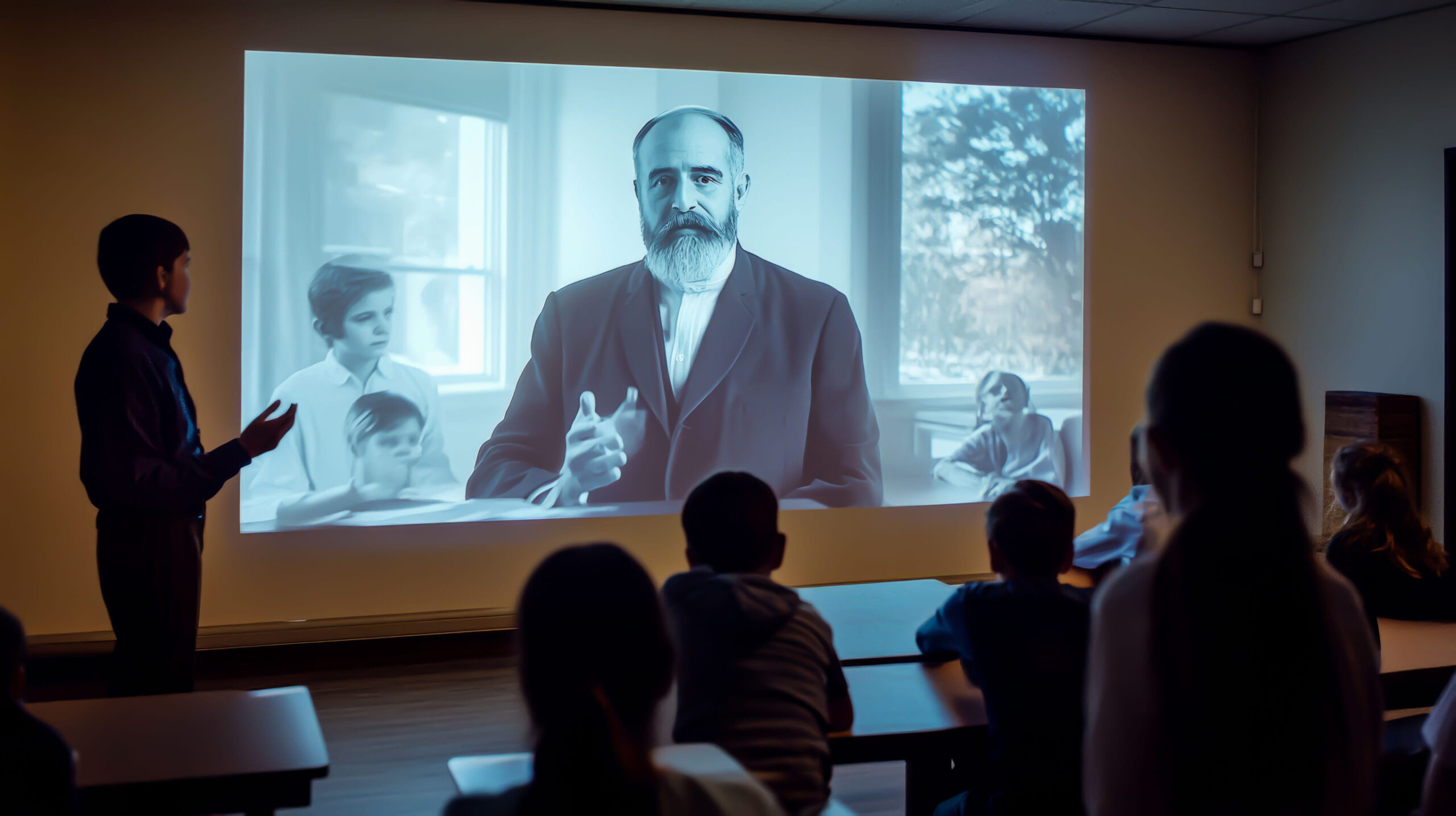
Watching a filmstrip could make an ordinary classroom lesson feel like a special occasion.
Unlike a regular movie, a filmstrip displayed a sequence of still pictures. Some presentations included recorded narration, with an audible cue telling the operator when to advance to the next image.
Filmstrips covered all kinds of educational subjects. A 1975 instructional bibliography even listed dozens of filmstrips designed to teach metric measurement.
Videocassettes became an important alternative during the 1980s, followed by computer-based presentations and videos. Students still watch educational material, but manually advancing filmstrip frames is now an unusual classroom experience.
Following a lesson on clear plastic sheets
Overhead projectors were another familiar piece of classroom equipment.
Teachers placed transparent sheets on a brightly illuminated surface, projecting the information onto a screen for students to see. They could write directly on the sheets, point to important details, or uncover information one section at a time.
A 1977 teacher-training manual even explained how overhead projectors could operate in normally lighted classrooms.
Today, teachers can accomplish similar tasks with digital presentations and interactive displays. The old routine of arranging clear plastic sheets on a projector has largely given way to computer-connected equipment.
Carrying a metal character lunchbox
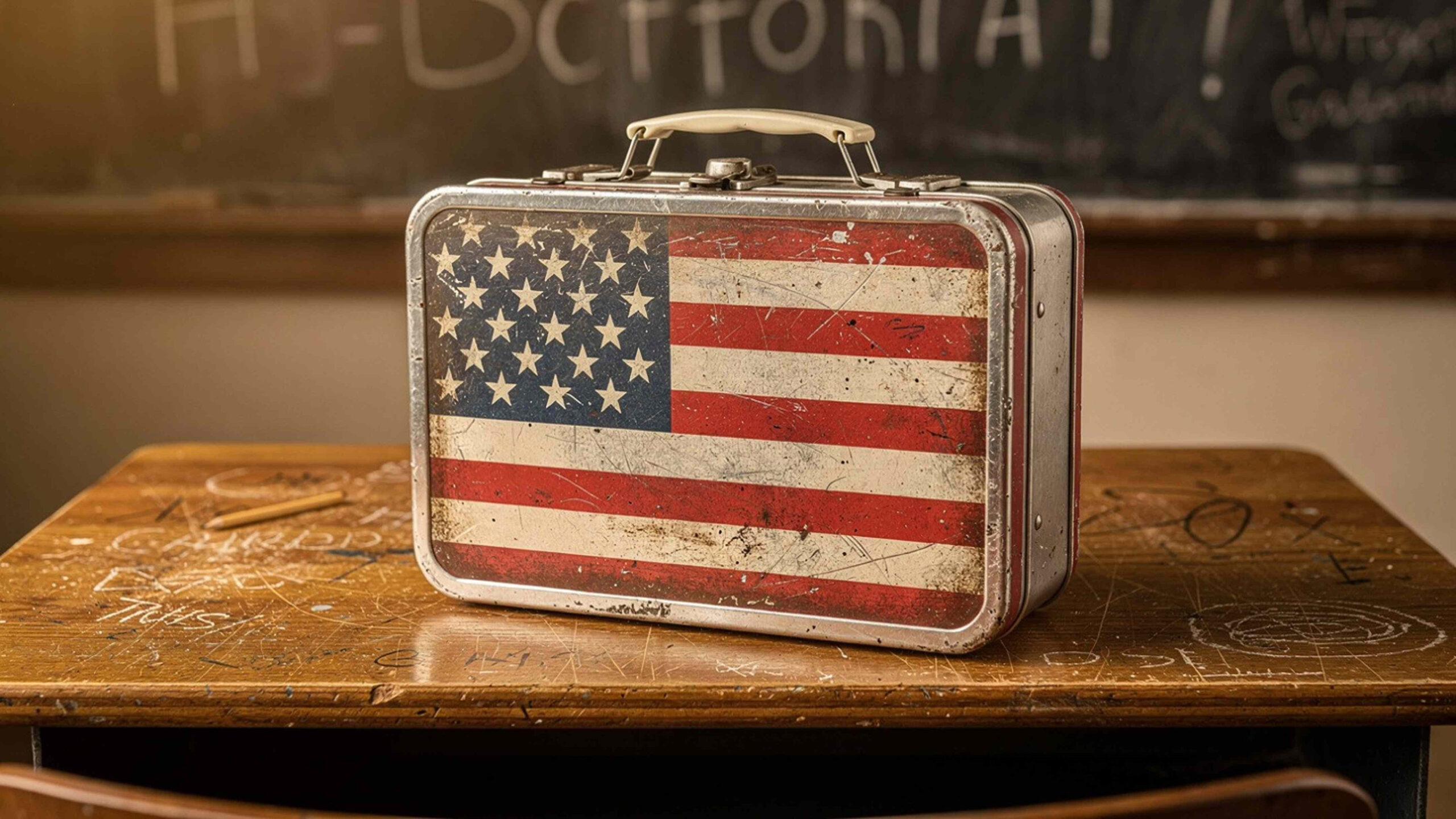
A school lunchbox could say plenty about your favorite television shows.
In the 1970s, children carried decorated metal lunchboxes featuring popular entertainment characters. Some came with coordinating insulated drink containers.
The Smithsonian preserves a Partridge Family lunchbox manufactured in 1971 and a Happy Days example dating to 1977.
Those sturdy boxes often featured hinged lids, snap closures, and folding handles.
Metal eventually lost ground to molded plastic during the 1980s. Although metal lunchboxes are still available, today’s students are more likely to encounter soft-sided insulated lunch carriers.
Keeping track of a lunch ticket
For students who purchased school meals, lunchtime sometimes required remembering one small but important item: a ticket.
Some schools sold numbered tickets or tokens that students presented when collecting lunch. Others issued tickets through classrooms or school offices.
A 1972 school lunch administration report described several payment arrangements, including weekly purchases.
Today, many districts use electronic meal accounts, student identification numbers, and online payments. Cash hasn’t disappeared everywhere, but keeping a physical lunch ticket until mealtime is far less central.
Searching the library’s card catalog
Finding a library book used to involve much more than typing a title into a search box.
Students searched through drawers filled with catalog cards arranged by author, title, or subject. Once they found the correct entry, they used its location information to track down the book.
School-library guidance from 1974 specifically discussed teaching children how to use card catalogs.
Online catalogs eventually transformed the process, letting students search entire collections by keyword.
Still, there was something satisfying about finding the correct card and discovering exactly where the book was waiting.
Related: 7 Things Baby Boomers Were Taught in School That Don’t Exist Today
Taking typing on an actual typewriter
Long before students learned keyboard shortcuts on computers, high-school typing classes taught practical skills using real typewriters.
Lessons covered keyboard operation, margins, tab stops, and document formatting. Students practiced typing letters, envelopes, outlines, and other assignments.
Accuracy mattered, especially during timed exercises.
A documented Illinois high-school program from 1974 even included instruction on correcting mistakes made on an original typed page.
Students still learn keyboarding today, but computers have changed the experience. Fixing an error no longer requires the same careful work as preparing a document on a typewriter.
Starting a report with a printed encyclopedia
Before online searches became part of everyday schoolwork, a printed encyclopedia was a valuable starting point for classroom research.
Students looked up subjects alphabetically, consulted indexes, and searched through volumes for useful information. Photographs, maps, and diagrams helped explain unfamiliar topics.
A 1974 educational bibliography described the 1973 World Book Encyclopedia as a 22-volume collection.
Printed encyclopedias have not completely disappeared. World Book even offers a 22-volume 2026 edition.
However, searching online reference collections is now an alternative to pulling a large book from a library shelf.
School days may look different today, but these familiar routines remind us how much classroom life has changed in just a few generations.
Other Posts You May Like
- 9 Things People Born in the 1950s Remember About Their First Day of School
- 6 Old-School Parenting Rules Boomers Grew Up With That Would Spark Chaos Today