A microscopic parasite capable of causing weeks of watery, sometimes explosive, diarrhea is forcing fresh produce into the center of a widening food-safety investigation.
By July 9, 2026, the Centers for Disease Control and Prevention had received reports of 843 domestically acquired cases of cyclosporiasis across 31 states. At least 86 patients had been hospitalized, although no deaths had been reported. Federal investigators expect the total to rise because national reporting can lag illness onset by approximately six weeks.
Michigan has emerged as the clearest sign that the official national figure does not yet reflect the full scale of the problem. State officials reported 1,562 cases and 44 hospitalizations as of July 10, a startling increase for a state that ordinarily records only a small fraction of that number during an entire year.
With investigators unable to name a responsible farm, supplier, restaurant chain or produce item, some restaurants are no longer waiting for a targeted recall. They are temporarily removing ingredients, changing how vegetables are purchased and increasing precautions around raw foods that cannot be thoroughly cooked.
Cyclospora outbreak case numbers reveal a widening investigation.

The differences between federal and state totals have caused understandable confusion. Michigan’s case count alone is higher than the CDC’s confirmed national total, but the figures come from different surveillance systems operating on different timelines.
The CDC’s count includes cases that have been reviewed and classified as domestically acquired. Patients included in that figure became sick after eating food in the United States and reported no international travel during the 14 days before illness. The agency has warned that its data are subject to a reporting delay and that state health departments may have more current data.
The CDC has also recorded hundreds of infections among people who recently traveled outside the United States. Those travel-associated cases are counted separately from the domestic outbreak total.
Why are some restaurants removing fresh ingredients?
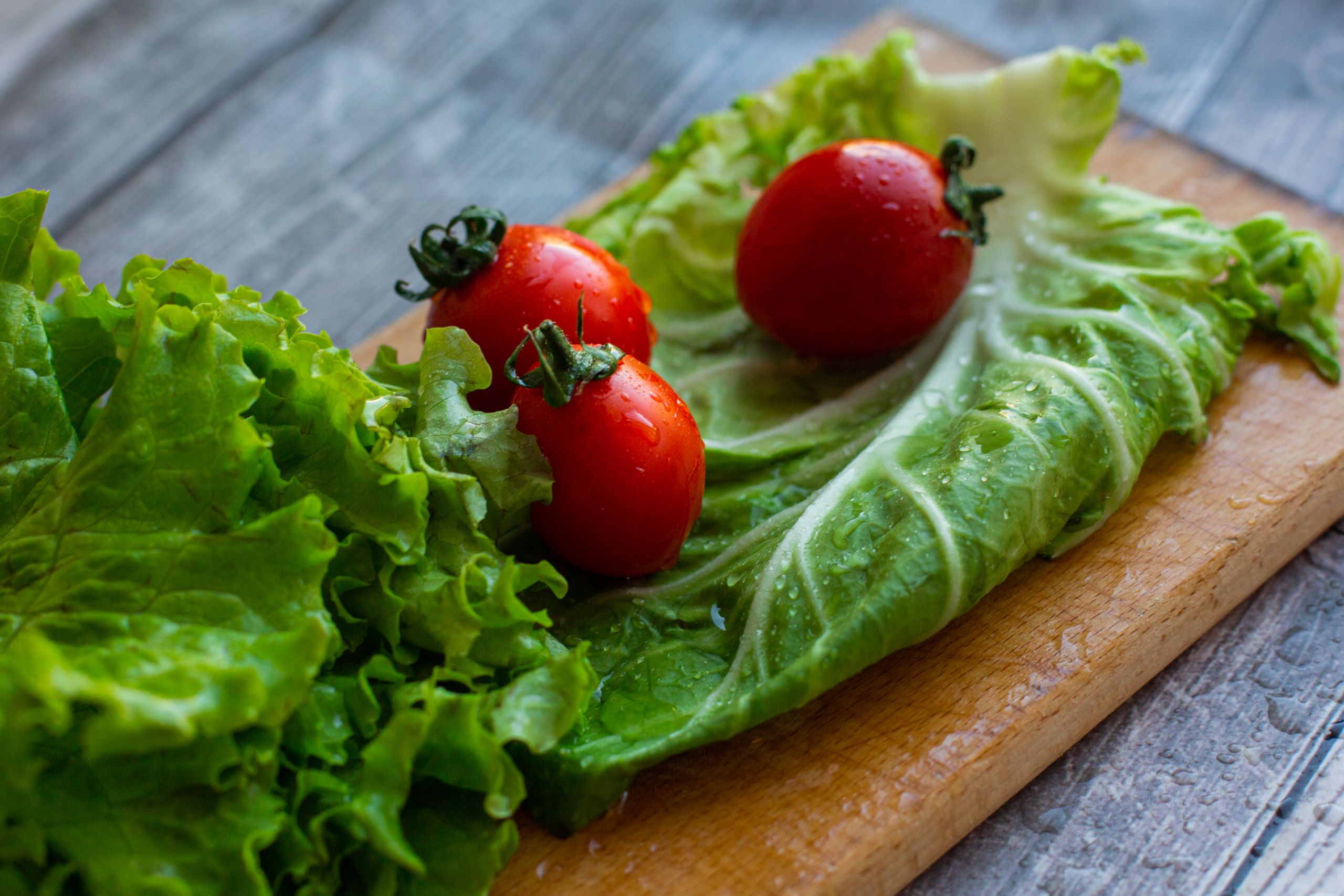
The absence of a confirmed source has left restaurants facing a difficult choice. They can continue serving raw produce while following standard food-safety procedures, or they can temporarily remove ingredients that are difficult to clean and cannot be cooked without changing the meal.
Dipisa’s Pizza in Stevensville, Michigan, announced that it was temporarily removing lettuce, tomatoes, and onions. The restaurant described the decision as a precaution while investigators searched for the source of the outbreak.
The Red B Restaurant in Idabel, Oklahoma, increased its produce-washing precautions and removed kale and parsley because their uneven surfaces make thorough cleaning difficult. The steps were taken despite the absence of confirmed cases connected to the restaurant.
Roma’s Pizzeria and Italian Restaurant in Michigan told customers that it uses whole heads of lettuce rather than pre-cut bagged lettuce. Employees cut the lettuce inside the restaurant, a practice the business said was already in place for freshness and quality rather than adopted in response to a confirmed exposure.
These menu changes do not mean the restaurants served contaminated food. They show how businesses respond when public health authorities cannot provide a specific product name, supplier notice, or recall list.
No single food has been identified as the source of the outbreak.
Federal regulators are investigating several Cyclospora clusters, but the products responsible have not been publicly identified.
As of July 8, the Food and Drug Administration listed multiple active Cyclospora investigations involving products described only as “not yet identified.” Traceback work had begun, but no targeted consumer warning had been issued naming a particular brand or food item.
Traceback investigations attempt to reconstruct the journey of food through restaurants, distributors, processing facilities, farms, and water systems. That process becomes unusually difficult when patients have eaten several types of fresh produce during the days before their symptoms began.
Cyclospora illness generally appears about one week after exposure, although symptoms can begin in as little as two days or take two weeks or longer. By the time a patient receives a diagnosis, restaurant receipts may be gone, packaging may have been discarded, and the remaining produce may have moved through numerous distribution channels.
Investigators must also determine whether the country is confronting a single large outbreak or several unrelated clusters occurring during the same seasonal period. The FDA’s separate active investigations suggest that more than one contaminated product or supply chain could be involved, although that possibility has not been confirmed.
What Cyclospora is and how the parasite spreads
Cyclospora cayetanensis is a microscopic, single-celled parasite that infects the small intestine. The illness it causes is known as cyclosporiasis.
People generally become infected after consuming food or water contaminated with fecal matter containing the parasite. Fresh produce can become contaminated through agricultural water, irrigation systems, handling practices, or environmental exposure before reaching a grocery store or restaurant.
Direct person-to-person transmission is considered unlikely. After Cyclospora leaves the human body, it usually must remain in the environment for at least one to two weeks before becoming infectious. That biological delay distinguishes it from several stomach viruses that can spread rapidly between diners, relatives, or co-workers.
Foods associated with previous Cyclospora outbreaks
Investigators have not identified the food responsible for the current surge. Previous outbreaks, however, have been associated with fresh produce, especially products eaten raw or with minimal preparation.
Past concerns have included:
- Bagged salad mixes and lettuce blends
- Cilantro and basil
- Raspberries
- Snow peas
- Green onions
- Other leafy vegetables and fresh herbs
We should not treat every item on this list as contaminated. Historical association is not proof that any of these foods caused the current outbreak. Removing every fruit, vegetable and herb would also create needless fear without solving the central problem.
The list remains useful because it shows why restaurants are focusing on raw leafy greens, herbs, and produce with complex surfaces. These foods contain folds, crevices, and tightly packed leaves, making microscopic contamination difficult to remove.
Why ordinary washing cannot provide a complete guarantee
Running water remains an important food-safety measure, but it does not sterilize produce.
The CDC advises washing fruits and vegetables thoroughly under running water, scrubbing firm produce with a clean brush and cutting away bruised or damaged sections. Hands should be washed before and after preparing raw produce, while cut or cooked foods should be refrigerated promptly.
Cyclospora presents an additional challenge because routine chemical sanitizing methods may not kill it. Washing can reduce surface contamination, but it may not remove every organism lodged within the irregular surfaces of berries, herbs, or leafy greens.
Michigan health officials have advised restaurants and commercial kitchens in affected areas to buy whole heads of lettuce instead of prewashed bagged mixtures, discard the outer two or three leaves and rinse the remaining leaves under running water. They have also encouraged separating herb leaves, trimming green onions and cooking produce when possible. (
Cooking offers stronger protection than rinsing alone. Michigan officials report that heating food to at least 158 degrees Fahrenheit (70 degrees Celsius) kills Cyclospora.
Freezing should not be treated as a guaranteed solution. State guidance indicates that freezing may reduce parasite levels but does not necessarily eliminate them, particularly in foods such as raspberries.
What safer restaurant choices look like during the outbreak
Dining out does not automatically mean accepting a high risk of infection. The challenge is that customers cannot observe every stage of washing, storage and preparation.
For people seeking a more cautious approach, cooked meals offer fewer uncertainties than salad bars, uncooked garnishes and dishes built around raw leafy produce. Steamed vegetables, cooked sauces, baked toppings and thoroughly heated ingredients provide an additional barrier that rinsing cannot match.
Customers can also ask whether a dish contains uncooked lettuce, cilantro, basil, green onions or raw berries. A request to leave off a garnish may be easier for a restaurant to accommodate than replacing the entire meal.
How restaurants can reduce Cyclospora risks
The current outbreak highlights the value of layered food-safety procedures. No single step can guarantee that raw produce is free from contamination, but several precautions can reduce exposure and prevent additional kitchen hazards.
Restaurants can purchase produce from suppliers with dependable traceability records, keep lot numbers and invoices, and document delivery dates. Those records allow public health teams to act faster when patients report eating at the same location.
Whole produce can provide kitchens with greater control over trimming and preparation than pre-cut mixtures. Outer leaves should be discarded when recommended, while remaining produce should be washed under clean running water. Cutting boards, utensils, refrigerators and produce display areas should be cleaned and sanitized before and after use.
Restaurants should also prevent washed produce from contacting unwashed boxes, dirty sinks or preparation surfaces. Clean foods can become contaminated again when storage and workflow practices allow raw deliveries to mix with ready-to-eat ingredients.
Menu flexibility is another powerful tool. A restaurant that can substitute cooked vegetables, remove raw garnishes, or pause the use of a difficult-to-clean ingredient can respond quickly without shutting down its operation.
Cyclospora symptoms can continue for weeks.
Cyclosporiasis is rarely fatal, but describing it as a minor stomach illness understates its potential severity.
The parasite commonly causes frequent watery diarrhea, which may be sudden and explosive. Other possible symptoms include stomach cramps, bloating, increased gas, nausea, fatigue, loss of appetite, and weight loss. Some patients may experience vomiting, muscle aches or a low fever.
Symptoms can appear to improve and then return. Without treatment, the illness may persist for a few days, for more than a month, or even longer in vulnerable patients. People with weakened immune systems or poor general health face a greater risk of severe or prolonged disease.
Prolonged diarrhea can disrupt work, sleep, travel, and everyday activities. It can also lead to dehydration, particularly when a person cannot replace lost fluids or continues vomiting.
Persistent diarrhea should prompt specific medical testing.
Anyone experiencing sudden, severe or persistent diarrhea should contact a healthcare professional, especially during an active outbreak.
Cyclospora is diagnosed through stool testing, but routine laboratory panels do not always include the parasite. A clinician may need to specifically request Cyclospora testing. Because the organism can be difficult to detect, patients may need to provide multiple stool samples on different days.
The standard treatment is the prescription antibiotic combination trimethoprim-sulfamethoxazole, commonly known as TMP-SMX. Rest and fluid replacement are also important. People with sulfa allergies should discuss alternative options with a clinician rather than attempting to select medication independently.
Medical attention becomes particularly important when diarrhea lasts several days, symptoms repeatedly return, dehydration develops or the patient is pregnant, elderly, immunocompromised or living with another serious health condition.
Why finding the source may take time
Cyclospora investigations rarely offer the immediate clarity consumers expect from a typical packaged-food recall.
The parasite cannot be linked as easily as some bacteria because molecular tools for connecting individual infections are still developing. Investigators therefore rely heavily on interviews, meal histories, restaurant records, and supply chain information.
Fresh produce may also travel through complex networks. A single restaurant dish can contain ingredients from several farms and distributors. One salad mixture may combine lettuce, cabbage, carrots, and herbs, all processed at different locations.
Seasonal timing further complicates the picture. Reports of domestically acquired Cyclospora generally rise between May and August. A seasonal increase can contain several distinct outbreaks, sporadic infections and travel-related cases arriving at the same time.