Chicago’s food story does not stop at a deep-dish slice or a fully dressed hot dog.
It continues through a plantain sandwich in Humboldt Park, a sauce-soaked steak sandwich in Bridgeport and a tray of sweet bread from a Pilsen bakery. Some dishes were created here. Others arrived with immigrant communities and became part of neighborhood life.
These ten foods offer a wider view of the city’s table. They are not secrets, but they give visitors a reason to explore beyond the familiar orders.
Consider this an invitation to follow curiosity into Chicago’s neighborhoods.
Jibaritos: A Sandwich With Plantains Instead of Bread
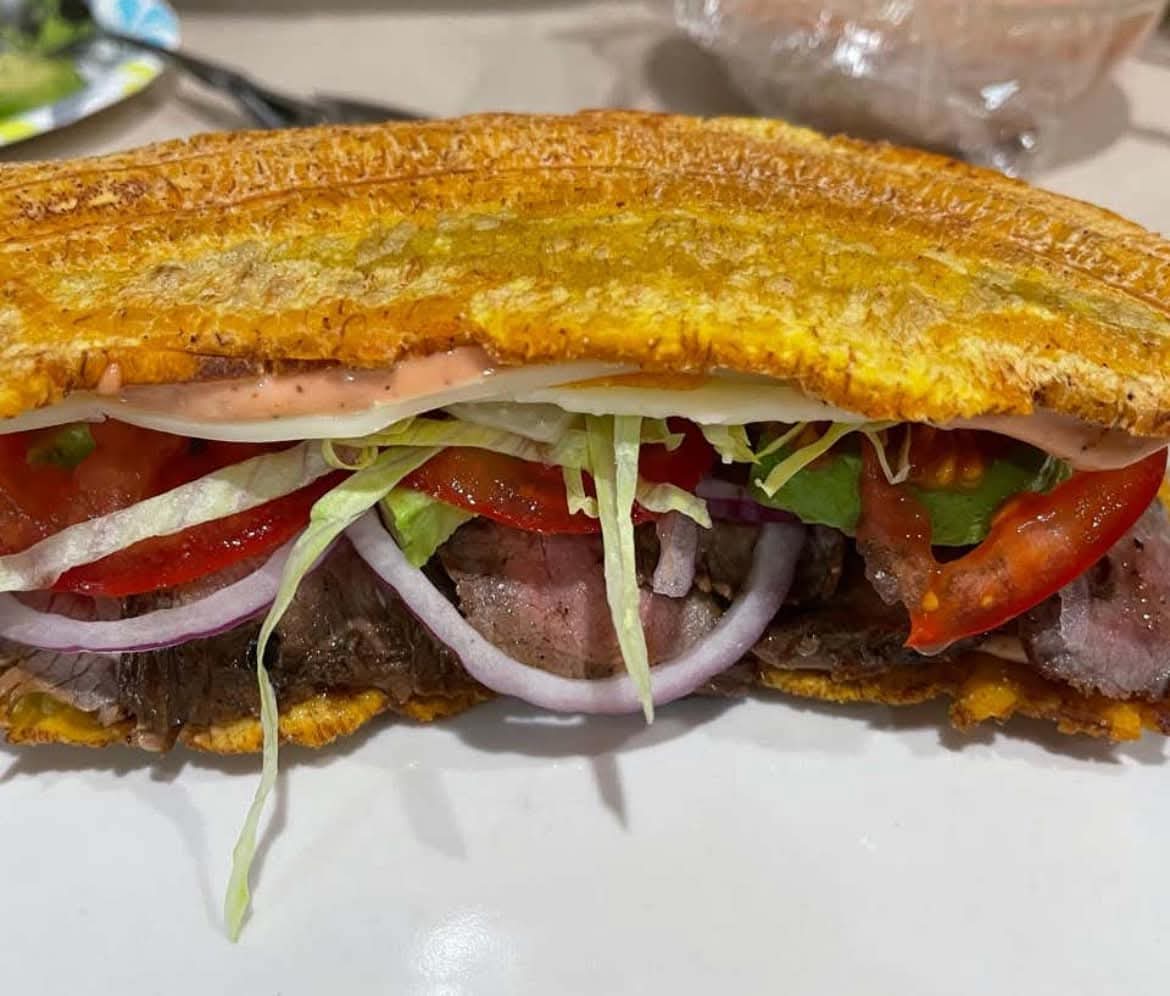
The jibarito makes its first impression before you take a bite: flattened, fried plantains hold the filling where bread would usually be.
This Chicago creation is connected to the city’s Puerto Rican community. Fillings vary, including meat, seafood, or vegetables, plus condiments like mayonnaise and cheese.
Choose Chicago’s local-food guide points diners toward Papa’s Cache Sabroso in Humboldt Park and La Bomba in Logan Square, among other options. The appeal is the contrast between crisp plantain and the sandwich filling.
Breaded Steak Sandwiches: Bridgeport’s Substantial Lunch
A breaded steak sandwich is not a delicate undertaking.
At Ricobene’s, breaded steak comes on a roll with red gravy. Cheese and peppers can make it even more filling. South Side Weekly identifies the sandwich as a Bridgeport specialty found at only a handful of neighborhood establishments.
Ricobene’s official website confirms its location at 252 W. 26th Street. Founded in 1946, the restaurant gives this sandwich a long-established neighborhood setting.
Order it for the combination of breaded meat, sauce, and bread. Neatness can wait.
Jim Shoe Sandwiches: Three Meats, One Chicago Mystery
Also spelled “gym shoe,” this sandwich combines corned beef, roast beef, and gyro meat, with toppings and sauces that vary by shop.
It is associated with South and West Side sandwich counters, but its exact birthplace remains unresolved. WTTW’s reporting on Chicago’s handheld foods acknowledges that uncertainty rather than assigning a definitive inventor.
Stony Sub on Stony Island Avenue is one documented place to find a version. The sandwich is worth discovering without attaching an origin story nobody can conclusively prove.
Pizza Puffs: A Fried Counter-Service Classic
A pizza puff takes familiar pizza flavors in a different direction: a filled, folded parcel commonly served fried.
Chicago manufacturer Iltaco added its version to the lineup in 1976. WTTW documented its longstanding presence at Byron’s Hot Dogs and the family business behind its production.
This is a different Chicago pizza experience from either deep dish or a tavern-style slice. Its local significance lies in neighborhood counter-service menus and the manufacturer’s history, not a grand dining-room presentation.
Mother-in-Law Sandwiches: A Tamale Meets a Bun
The name may invite questions, but the basic construction is straightforward: a tamale in a hot dog bun, covered with chili.
Additional toppings can vary. Local food reporting calls it one of Chicago’s distinctive handheld foods but notes it can be hard to find.
Treat this one as an order to look for, not a promise that every hot dog stand serves it. When it appears on a neighborhood counter menu, it offers another way to experience the city’s tamale tradition.
Related: 6 Tiny Restaurant Touches That Are Quietly Winning Over Diners and Making Every Visit Feel Personal
Rib Tips: A Window Into Chicago Barbecue
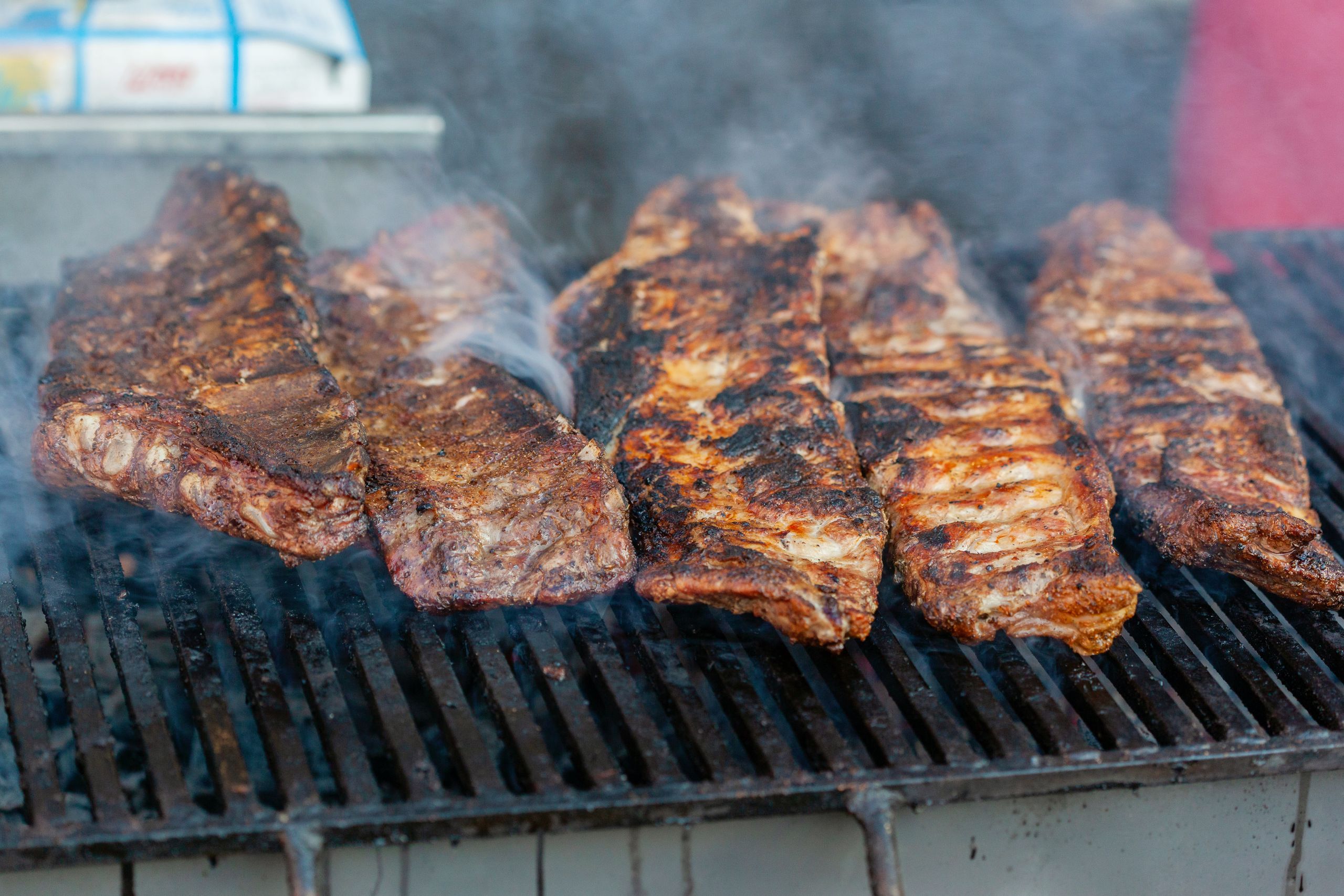
Chicago barbecue deserves its own stop on the itinerary.
Rib tips are closely connected to the city’s South and West Side barbecue traditions. Block Club Chicago links that food culture to the Great Migration and documents the glass-walled “aquarium” smokers used by local pitmasters.
Local reporting highlights Honey 1 BBQ for its rib tips and aquarium smoker.
This order introduces visitors to a Chicago tradition with its own equipment, history, and approach.
Flaming Saganaki: Greektown’s Tableside Moment
Saganaki gives dinner a little theater.
Choose Chicago identifies flaming saganaki as a dish first introduced to American diners in Chicago’s Greektown and lists Athena among the neighborhood restaurants serving it.
The draw is not only the flame. It also invites you to explore Greek dining in a neighborhood closely tied to that tradition.
Make the cheese course part of the experience, then leave room to discover the rest of the menu.
Pierogi: Polish Comfort Food With Plenty to Explore
Pierogi open another route through Chicago’s neighborhood cooking.
The Polish dumplings remain part of the city’s dining landscape. Local reporting highlights restaurants serving them alongside dishes such as kielbasa and potato pancakes.
Polish Pączki Café on West Foster Avenue lists pierogi among its traditional Polish dishes.
They are not a Chicago invention. Their presence here reflects the city’s food traditions. Ask which fillings are available and let the order introduce you to the restaurant’s broader cooking.
Pączki: A Sweet Stop With Polish Roots
Pączki bring the bakery side of Chicago’s Polish food traditions into the picture.
These Polish pastries appear in the city’s cafes and bakeries. Polish Pączki Café serves them alongside savory dishes, giving visitors a place to explore both sides of the menu.
Check available varieties before making a special trip.
Whether you stop for a pastry or combine it with lunch, the appeal is discovering a tradition that belongs to Chicago’s food culture without having originated there.
Conchas: Pilsen’s Bakery Invitation
Conchas are Mexican sweet breads topped with a distinctive sugar paste.
In Pilsen, Panadería Nuevo León has operated since 1973. Its self-service format invites customers to take a tray and tongs before choosing conchas and other breads and sweets.
WGN’s reporting describes Chicago bakeries as places where pan dulce helps preserve Mexican food culture.
A bakery stop changes the rhythm of a food trip. Instead of another large restaurant meal, you can explore the selection and choose something for later.
Chicago’s neighborhood table has room for all these foods without asking anyone to give up pizza or hot dogs. On your next visit, which unfamiliar order could become the one you remember most?