Many people know that milk, meat, and leftovers belong in the refrigerator. However, some everyday foods often sit on kitchen counters or in cupboards, even though refrigeration can preserve their quality, slow spoilage, or reduce food-safety risks.
From opened condiments to certain fruits and vegetables, knowing what belongs in the fridge can make a real difference in how long groceries last. Some foods benefit from refrigeration immediately after opening, while others should be chilled only after they reach a particular stage of ripeness.
The challenge is that food-storage advice is not always straightforward. A product that is safe in a pantry while unopened may require refrigeration once its packaging has been opened. Similarly, some foods can remain at room temperature in cooler environments but spoil much faster in hot weather.
Here are eight foods you should consider refrigerating, along with practical tips to help you store them safely and avoid unnecessary waste.
Opened Peanut Butter
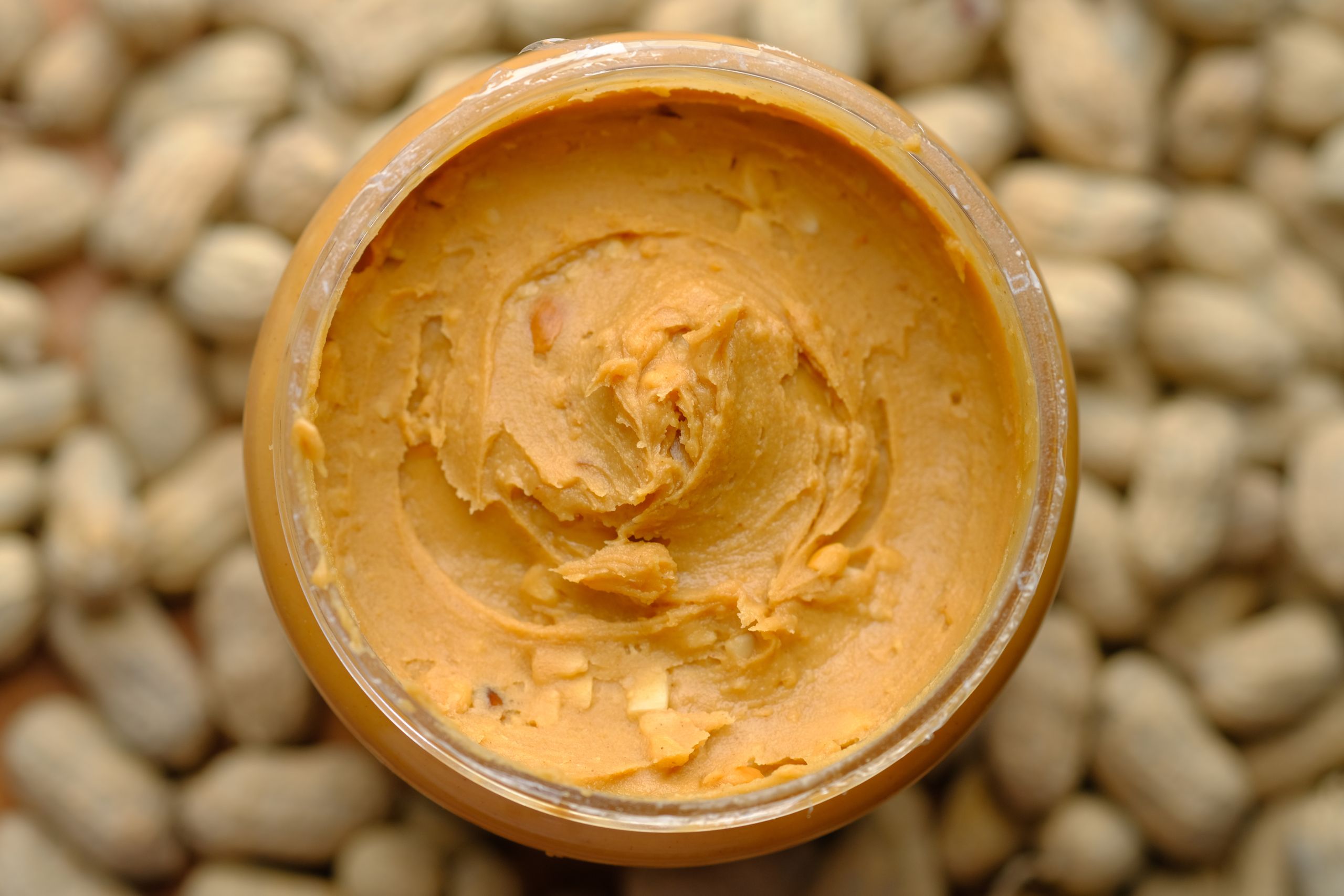
Peanut butter is a pantry staple in many households, and many people leave the jar in a cupboard after opening it. Whether refrigeration is necessary depends on the product.
Commercial peanut butter made with stabilizers is generally designed to remain usable at room temperature after opening, provided the label permits it. However, natural peanut butter made primarily from peanuts and salt can benefit from refrigeration, particularly after opening.
Natural varieties often separate because their oils rise to the surface. Refrigeration slows this separation and can help preserve the product’s quality over time. It’s also especially useful when the manufacturer’s instructions recommend chilling the jar after opening.
The downside is that cold peanut butter firms up and may be harder to spread. Taking out the amount you need a little before serving can help soften it.
Always check the storage instructions on the container rather than assuming every variety needs the same treatment. Use a clean utensil to avoid introducing crumbs or moisture, and discard the product if it develops an unusual odor, visible mold, or other signs of spoilage.
The key takeaway is simple: natural peanut butter often benefits from refrigeration, while wide conventional varieties do not require it.
Eggs
Eggs are a kitchen essential, but people often misunderstand how to store them, especially in countries where eggs are commonly sold unrefrigerated.
In the United States, commercially processed shell eggs are washed and sanitized before sale, so refrigeration helps prevent bacterial growth. The U.S. Department of Agriculture recommends keeping refrigerated eggs at 40°F (4°C) or below.
Once eggs are refrigerated, keep them refrigerated. Repeatedly moving them between cold and warm environments can cause condensation, which may allow bacteria to move through the shell.
Store eggs in their original carton on an interior refrigerator shelf, not in the door, where temperatures fluctuate more often.
However, egg-handling practices vary by country. In some places, eggs are sold without refrigeration, and local guidance may allow room-temperature storage under appropriate conditions. Follow local food-safety recommendations and your supplier’s instructions.
Fresh Berries
Strawberries, blueberries, raspberries, and blackberries can spoil surprisingly quickly when left on the kitchen counter.
These fruits contain a lot of moisture and are prone to mold growth. Warm temperatures can speed deterioration, leaving berries soft, mushy, or inedible before you finish the container.
The U.S. Food and Drug Administration recommends storing perishable fresh produce, including strawberries, in a clean refrigerator at 40°F (4°C) or below.
To help berries last longer, refrigerate them promptly after purchase. Remove visibly damaged or moldy fruit, and avoid washing the entire container until you are ready to eat the berries, since excess moisture can encourage spoilage.
Use a breathable container that lets excess moisture escape, and avoid crushing the delicate fruit under heavier groceries.
You can also freeze berries if you buy more than you can eat in time. Frozen berries work well in smoothies, oatmeal, and baking.
A simple storage adjustment can help preserve their texture and reduce the amount of fruit that ends up being thrown away.
Related Post:You’re Probably Not Refrigerating These 10 Foods, and It Could Cost You Your Health
Cut Melons and Other Prepared Fruit
Whole watermelons, cantaloupes, and other intact melons may be displayed at room temperature, but cutting them changes their storage requirements.
Once a melon is sliced, microorganisms from the rind, knife, cutting board, or surrounding environment can be transferred to the moist flesh. Leaving prepared fruit in a warm kitchen for an extended period can let bacteria multiply.
The FDA recommends refrigerating cut or packaged fresh produce.
After cutting a melon, place the pieces in a clean, covered container and refrigerate them promptly. Use clean utensils and wash the outside of the fruit under running water before cutting it to help prevent surface contamination from reaching the flesh.
The same principle applies to prepared pineapple, sliced mango, cut papaya, and other peeled or chopped fruits.
Do not rely solely on appearance or smell to decide whether cut fruit is safe. Harmful bacteria may not produce obvious signs of spoilage.
Opened Maple Syrup
Pure maple syrup is often treated like honey, with some households leaving the bottle in a cupboard after opening it. However, the two products have different storage needs.
Although unopened commercial maple syrup can generally remain shelf-stable when properly packaged, manufacturers typically recommend refrigerating opened pure maple syrup.
Maple syrup contains sugar and water, and its moisture content means it can develop mold or spoilage during storage if conditions are unsuitable.
Refrigeration helps preserve its quality after opening. For longer storage, you can also freeze maple syrup in a freezer-safe container, so you can keep a larger supply without using it immediately.
Check the product label for specific instructions, since commercially prepared syrups and imitation pancake syrups may contain different ingredients and preservatives.
If you notice mold or other suspicious changes, don’t assume removing the visible portion makes the remaining syrup safe. Follow the manufacturer’s guidance and discard questionable products.
Opened Salsa
A sealed jar of commercially processed salsa can often be stored in a pantry until you open it. The situation changes once you break the seal.
Opening the jar exposes its contents to air, utensils, and potential contamination. Refrigeration slows the growth of many microorganisms and helps maintain the salsa’s quality.
After opening, refrigerate the jar and follow the storage instructions on the label. Keep the lid tightly closed and use a clean spoon when serving.
Fresh salsa made with chopped tomatoes, onions, peppers, and herbs requires particular care because it may lack the processing and preservatives used in some shelf-stable products.
Homemade salsa should generally be refrigerated promptly, especially when prepared with fresh ingredients that have been cut or mixed.
Never leave salsa out for long at a party or during a family meal. The FDA generally recommends refrigerating perishable foods within two hours, or within one hour when temperatures exceed 90°F (32°C).
Fresh Herbs
Fresh herbs such as parsley, cilantro, dill, and chives can lose their freshness quickly when stored incorrectly.
Leaving them exposed on a counter may cause them to wilt, dry out, or deteriorate, especially in a warm kitchen. Refrigeration can help many delicate herbs stay fresh longer.
For leafy herbs, remove damaged leaves and keep the bunch in a clean container or loosely wrapped in a slightly damp paper towel. Depending on the herb, storing the stems in a small amount of water inside the refrigerator may also help.
Avoid sealing wet leaves in an airtight container, as trapped moisture can encourage deterioration.
Basil is an important exception: it is particularly sensitive to cold and often keeps better at room temperature, away from direct sunlight, than in a very cold refrigerator.
The best approach is to consider each herb rather than treat every variety the same.
Proper storage helps preserve the flavor of fresh herbs and reduces the temptation to discard an entire bunch after using only a small handful.
Whole-Grain Flour
Flour is commonly stored in a kitchen cupboard, but whole-grain flour can benefit from refrigeration, particularly if you buy it in large quantities or live in a warm environment.
Unlike refined white flour, whole-grain flour includes the grain’s bran and germ. These components contain natural oils that can become rancid over time, affecting the flour’s smell and flavor.
Refrigeration can help slow this deterioration, especially when the flour is stored in a tightly sealed, moisture-proof container. Freezing is another option for longer-term storage.
If condensation is a concern, let the flour reach room temperature while still sealed before opening it. Moisture entering flour can encourage clumping and spoilage.
Refined white flour, by contrast, generally keeps well in a cool, dry cupboard when stored in an airtight container.
The goal is to protect flour from heat, moisture, insects, and prolonged air exposure. Choosing the right storage method can help preserve baking quality and reduce waste.
Check Before You Chill
Refrigeration is useful, but it is not a universal solution for every food. Eggs, fresh berries, cut fruit, opened salsa, and opened maple syrup often need more attention than they receive. Natural peanut butter and whole-grain flour may also benefit from refrigeration, depending on their formulation and storage conditions.
Fresh herbs require a little more care because some varieties prefer cooler temperatures while others are sensitive to the cold.
For safety, keep your refrigerator at or below 40°F (4°C), store perishable foods promptly, and follow the instructions on product labels. The FDA also recommends refrigerating perishable foods within two hours of being left at room temperature, with a shorter limit in very hot conditions.
Posts You Might Like:
10 Foods You Should Never Store in the Fridge — Here’s What to Do Instead
7 Foods You Should Never Store in the Fridge Door, According to Food Safety Experts