Deviled eggs do not need a complete makeover to feel exciting again. A crisp fried caper, a spoonful of tomato jam or a scattering of salted almonds can change the experience without abandoning the creamy filling that makes the appetizer familiar. Published recipes from chefs and food writers offer plenty of examples, ranging from pantry-friendly additions to smoked seafood and caviar
This isn’t evidence that everyone is suddenly reinventing deviled eggs, nor is it a ranking of the best toppings. It is a collection of documented ways to add contrast: crunch against creaminess, briny ingredients against rich yolks, or a little heat against a mild base. Some recipes also modify the filling, so their toppings should be understood as part of a complete flavor combination, not guaranteed upgrades for every batch.
Crunch Is the Easiest Way to Change the Bite
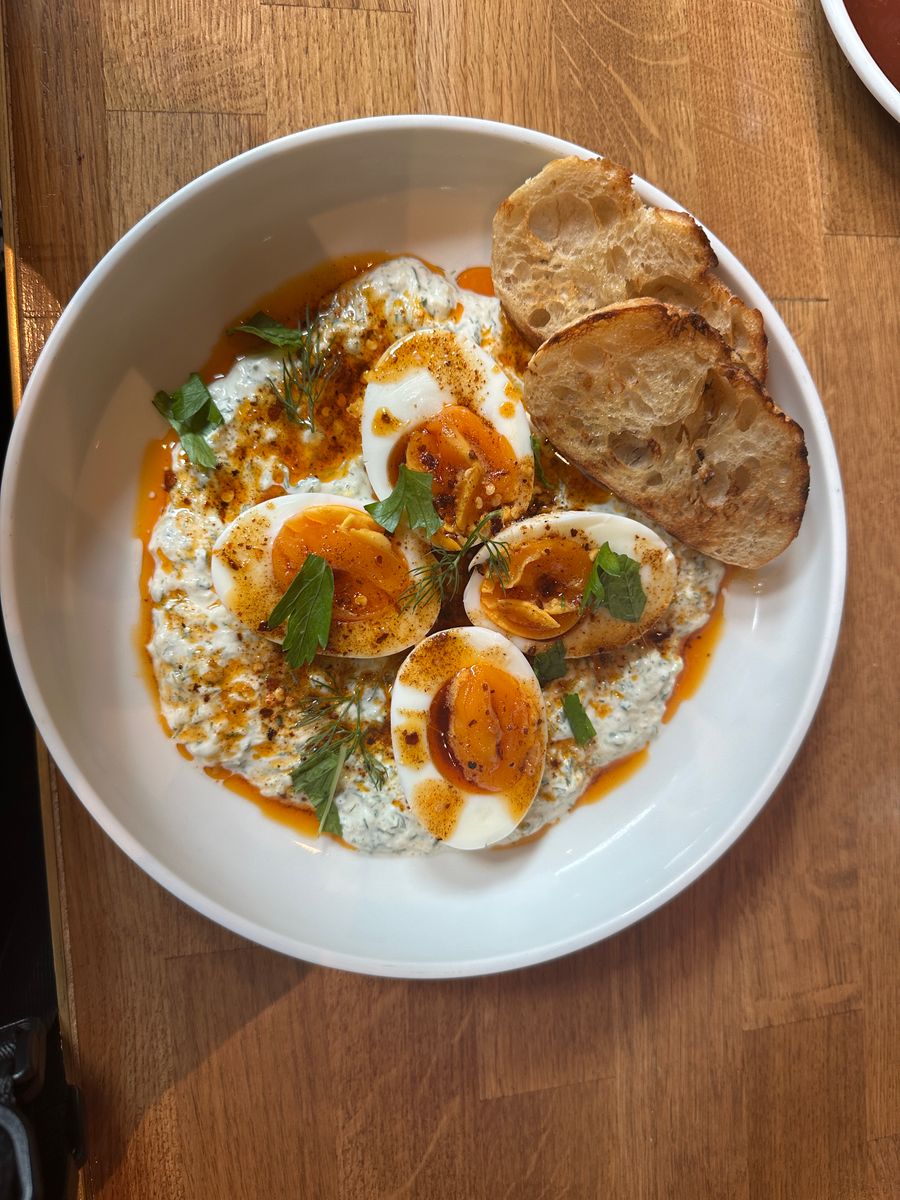
Fried capers are a particularly interesting alternative to the usual paprika dusting. Serious Eats’ recipe pairs their crisp, briny character with parsley, lemon juice and extra-virgin olive oil. The capers add texture as well as seasoning, giving an otherwise soft appetizer a distinctly different top. Follow the published frying instructions rather than assuming capers straight from the jar will deliver the same result; unfried capers offer brininess, but not that crisp finish.
Crispy shallots take the idea in another direction. In a separate Serious Eats preparation, Thai-style fried shallots accompany lemony deviled eggs and diced hot chilies. The shallots add a sweet-savory note, while the chilies bring heat. That combination shows how a topping can do more than decorate: it can define the whole appetizer. Anyone cooking for people with different heat preferences can keep the spicy version distinct from milder eggs.
Salted almonds add an unexpected crunch to Audrey Saunders’ smoked-trout deviled eggs. Saunders, the acclaimed mixologist, combines trout with mayonnaise, parsley and curry powder, then finishes the eggs with chopped salted almonds. The nuts complement the specially seasoned seafood filling rather than serving as a random garnish. If you try the recipe, flag the almonds and fish for guests with allergies so the attractive presentation doesn’t hide what’s inside.
Pickled mustard seeds offer another textural option without a crisp fried coating. J. Kenji López-Alt’s Wursthall-style eggs layer them over a filling seasoned with Dijon mustard, vinegar and pickled-chile brine. “The real secret here is to absolutely pack them with mustard and vinegar,” he writes. Extra-virgin olive oil, Aleppo chile flakes, flaky salt and a small herb sprig complete that recipe, making it a deliberately assertive alternative to a restrained, mildly seasoned classic.
Briny, Smoky and Spicy Toppings Bring Bigger Personality
Smoked salmon is a useful starting point for a more substantial topping. Chef Michael Mina’s recipe mixes chopped salmon into the yolk mixture with mayonnaise, Dijon mustard, cornichons, and pickle brine. Top with more salmon and sliced cornichons, then finish with Old Bay seasoning. It is a coordinated variation: the garnish echoes ingredients already in the filling, rather than competing with them. Use that complete recipe as your guide if you want Mina’s intended combination.
Caviar delivers a different kind of seafood finish. One Food & Wine recipe places Siberian sturgeon caviar and a slice of pimiento-stuffed olive on the filled eggs. The appeal is an especially briny topping with a distinctive look, but it isn’t necessary for a successful appetizer. Deviled eggs can accommodate a luxurious ingredient without requiring hosts to turn a familiar party tray into an expensive shopping project.
For a more accessible savory option, consider anchovies. Serious Eats’ deconstructed deviled-egg recipe tops egg halves with mayonnaise, an anchovy fillet, capers, and herbs such as chives or chervil, then olive oil and black pepper. Because it’s deconstructed,it doesn’t use the standard mashed-yolk filling. Its topping idea is still informative, but reproducing that dish means following its format rather than calling it a conventional deviled egg.
Tomato jam brings color and a concentrated vegetable component. Food & Wine’s shakshuka-inspired version makes the topping with fire-roasted tomatoes, harissa, garlic, and smoked paprika, then adds cilantro. The filling combines yolks with mayonnaise and whole-milk yogurt. The publication’s tasters praised the recipe’s originality and tomato jam, but that is a reported tasting response, not proof that every guest will prefer it. The jam also requires its own preparation, so this is more involved than opening a garnish jar.
Related: The Worst Mistake You Can Make When Cooking Eggs, According to a Food Safety Expert
Keep the Classic Foundation, and the Tray Safely Chilled
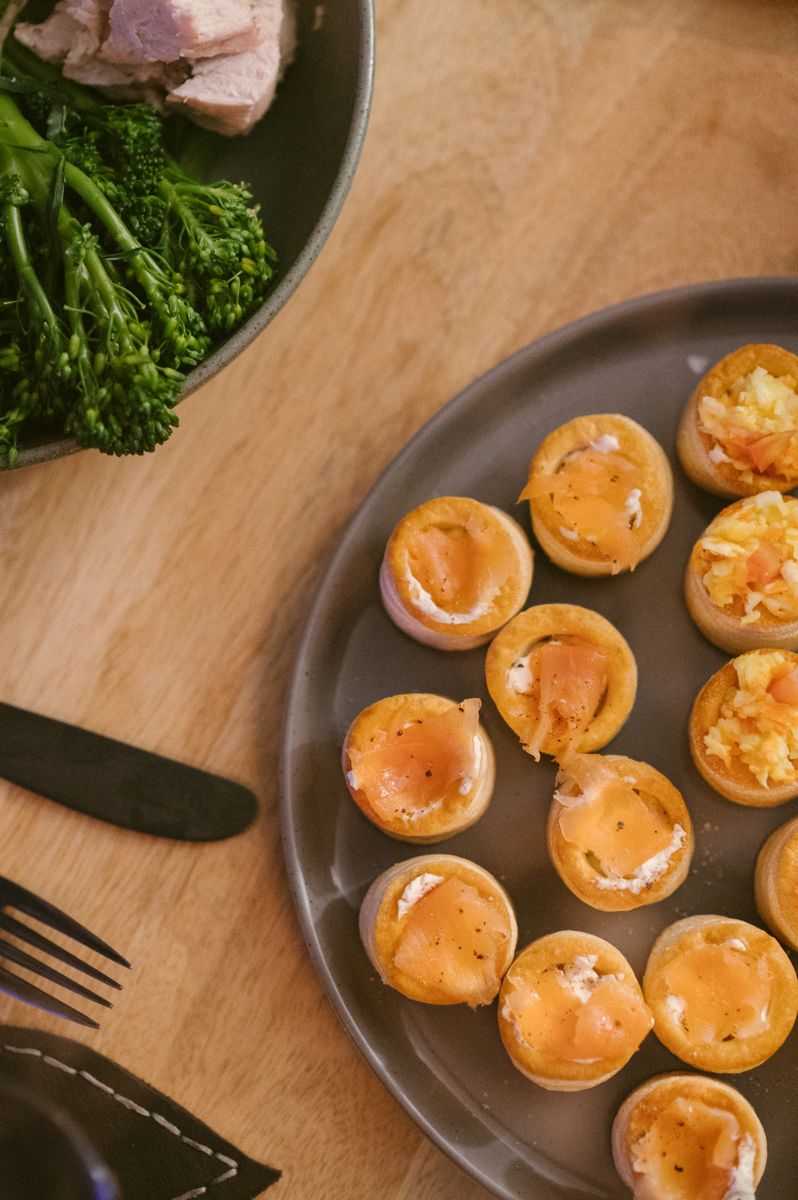
Creative toppings work best when they have a recognizable base to play against. The deviled eggs Edna Lewis and Scott Peacock developed offer a useful reminder of that foundation: their filling includes mayonnaise, a splash of cream, a little sugar, and white wine vinegar, with chives or chervil on top. Lewis helped preserve the cooking traditions of rural Black communities; Peacock is a James Beard Award-winning chef associated with Southern cooking. Their version demonstrates that restraint can be as intentional as embellishment.
Don’t put every topping on the same egg. Choose one complete published variation, or treat a modest garnish swap as your own experiment rather than a tested recipe. A tray divided between a familiar preparation and one adventurous option gives guests a clear choice. Label seafood and nut variations, and don’t assume a small garnish is inconsequential just because the rest of the appetizer looks conventional.foodandwine+1
The makeover doesn’t change food safety. The FDA advises against leaving cooked eggs or egg dishes out of refrigeration for more than two hours, or more than one hour when temperatures exceed 90°F. It also says, “Keep cold egg dishes on ice if they are going to stay out longer than 2 hours.” Keep the serving tray properly chilled, and replenish from refrigerated portions rather than treating a festive topping as permission for an all-afternoon buffet.
The most appealing upgrade is not necessarily the fanciest. Fried capers add crunch, smoked salmon reinforces a seafood filling, and tomato jam introduces a different flavor direction. Each gives you a specific reason to reach beyond paprika while leaving the familiar egg-and-yolk structure recognizable. The classic has not stopped working; these recipes simply show how much room it has for another delicious idea