A South Carolina DUI case has left two families shattered, a retired law enforcement officer dead, and a Little River woman facing a long prison sentence after prosecutors said she drove drunk, struck a motorcyclist, fled the scene, and then went to pick up her daughter from school.
Kayla Tisdale, thirty-eight, was sentenced to fourteen years in prison after pleading guilty to felony DUI resulting in death in connection with the April fourth, twenty twenty five, crash that killed Steven Marshall, sixty-two, near North Myrtle Beach. The case has drawn attention across Horry County because of the disturbing sequence prosecutors described in court, including Tisdale’s blood alcohol level, her decision to leave the crash scene, and her separate federal criminal case tied to drug trafficking proceeds.
Fatal DUI Crash on Sea Mountain Highway Killed Steven Marshall
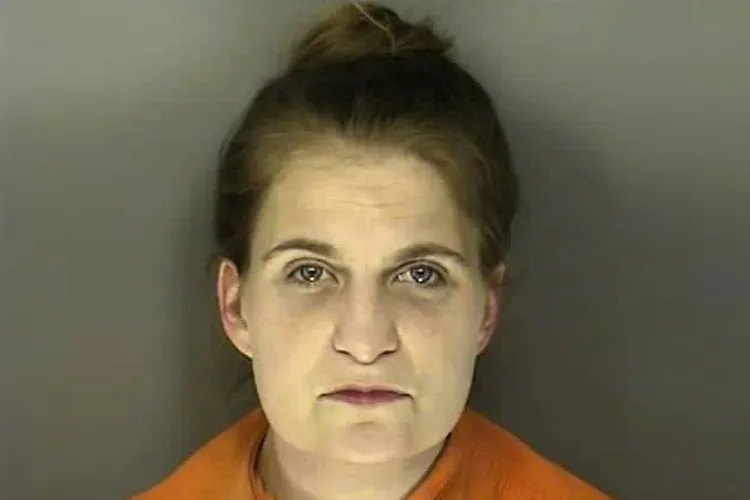
The crash happened around one thirty in the afternoon on Sea Mountain Highway in the Little River and North Myrtle Beach area, where prosecutors said Tisdale was driving a Cadillac SUV when she failed to yield and struck Marshall, who was riding a motorcycle.
Marshall died almost instantly from the impact, according to prosecutors. His death was especially painful for the community because he was not just another name in a court file. He was a retired law enforcement officer who had spent more than two decades in public service before relocating to the Myrtle Beach area.
For many residents, the crash’s location also makes the story feel close to home. Sea Mountain Highway is a familiar road for locals, visitors, workers, families, and retirees moving through the Grand Strand area. What should have been an ordinary afternoon became the scene of a deadly DUI crash that prosecutors said was entirely preventable.
Prosecutors Say Tisdale Fled the Scene and Picked Up Her Daughter
One of the most troubling parts of the case is what the authorities said happened after the crash. Instead of remaining at the scene, calling for help, or waiting for law enforcement, prosecutors said Tisdale left and went to pick up her daughter from elementary school.
That detail has become central to public reaction because it adds a painful human layer to an already tragic case. A man had just been fatally injured, witnesses were left behind, and a child was pulled into the consequences of an adult’s alleged choices.
State troopers later arrested Tisdale after she arrived at a house, according to prosecutors. Witnesses had helped identify her, and investigators quickly connected her to the crash.
Blood Alcohol Level Was Reported at 0.19
Investigators said Tisdale’s blood alcohol concentration was zero point nineteen. That is more than twice South Carolina’s legal limit of 0.08.
Prosecutors said Tisdale admitted she had been drinking since about eight thirty that morning. They also said she did not remember buying her last drink from a Circle K gas station, though surveillance footage showed the purchase.
Those details shaped the prosecution’s argument that this was not a single careless moment behind the wheel. It was presented as a chain of decisions that began earlier in the day and ended with a retired officer losing his life on a public road.
A Retired Officer’s Life Was Cut Short
Steven Marshall was sixty-two years old and had retired after a long law enforcement career in Pennsylvania. He served with the Bethlehem Police Department for twenty-two years before retiring in twenty ten.
After years of public service, Marshall moved to the Myrtle Beach area, like many retirees who choose coastal South Carolina for a quieter chapter of life. His death has been described not only as a family loss, but also as the loss of a man who had dedicated much of his adult life to protecting others.
That history gives the case a deeper weight. Prosecutors emphasized that the community lost a career public servant because of an impaired driving decision that should never have happened.
A separate federal case added another layer to the Sentencing Story.
Tisdale was also facing a separate federal case at the time of the DUI proceedings. In that case, she pleaded guilty to misprision of a felony after admitting she helped conceal assets connected to drug trafficking proceeds.
Federal prosecutors said she helped hide at least seven hundred fifty thousand dollars in assets tied to drug trafficking money. The assets included cash, cryptocurrency activity, bank deposits, and gold bullion.
According to federal authorities, Tisdale had been in a relationship with a large-scale drug trafficker who distributed fentanyl and methamphetamine. Investigators said recorded jail calls helped uncover efforts to hide assets from authorities.
Tisdale reportedly told the court that stress from the federal investigation contributed to her drinking. But prosecutors made clear that stress did not excuse the choice to drive while impaired.
Judge Sentenced Tisdale to Fourteen Years in Prison
Circuit Court Judge Michael Nettles sentenced Tisdale to fourteen years in prison after she pleaded guilty to felony DUI resulting in death. Prosecutors said she must serve at least eighty-five percent of that sentence before becoming eligible for supervised release.
The sentence closed one chapter of the case, but it did not erase the damage. Marshall’s family will continue to live with the loss, while Tisdale’s daughter will also grow up affected by the consequences of her mother’s actions.
That is why prosecutors described the case as one with no winners. A man is dead, a family is grieving, a child is separated from her mother, and a community is left with another reminder of how quickly impaired driving can destroy lives.
Why This DUI Case Has Hit South Carolina Readers Hard
This case stands out because it combines several factors that make it especially difficult for the public to process. The crash happened in daylight. The victim was a retired officer. The driver’s blood alcohol level was reported at a high level. The driver left the scene. A child became part of the timeline. A separate federal case involving drug money was already unfolding in the background.
Together, those facts have turned the case into more than another DUI sentencing story. It has become a warning about how personal crisis, alcohol, criminal pressure, and reckless driving can collide with devastating results.
For families across South Carolina, the case also raises familiar concerns about road safety. Motorcyclists and scooter riders are especially vulnerable in crashes with larger vehicles. When alcohol enters the picture, the danger becomes even greater.
A Preventable Death and a Permanent Loss
The death of Steven Marshall was not treated by prosecutors as a random highway tragedy. It was framed as the result of a preventable decision to drink, drive, and continue moving through the day as though no one else would pay the price.
Marshall’s family now carries the permanent loss of a retired officer, a loved one, and a man who spent decades in public service. Tisdale now faces years in prison, and her daughter faces childhood without her mother during a critical period of her life.
The most painful part of this case is that every major consequence came after a choice that could have been avoided. That is why the story will continue to resonate beyond Horry County. It is a stark reminder that impaired driving does not end when the vehicle stops. It follows families, children, courtrooms, and communities for years.