The dinner was over. The plates were cleared. The server had been tipped. The receipt was signed.
Then the bank alert came in.
A Texas Roadhouse customer says what should have been a normal night out turned into a receipt nightmare after he noticed his bill was higher than the amount he says he approved.
According to TikTok user Shawn Bumpass, he left a $10 cash tip for his server, wrote zero on the tip line of his card receipt, and later saw an $84 charge instead of the expected $64.
That $20 difference may not sound dramatic at first glance. But to anyone who has ever checked a bank notification after leaving a restaurant, the story hits a familiar nerve. It is not just about the extra money. It is about the unsettling feeling that something happened to the bill after the customer walked away.
For many diners, the receipt is supposed to be the final word. You look at the total, decide how much to tip, sign your name, and leave, believing the matter is finished.
Bumpass’s story raises a more uncomfortable question: what happens when the number on your phone does not match the number you remember signing?
A simple dinner became a money mystery.
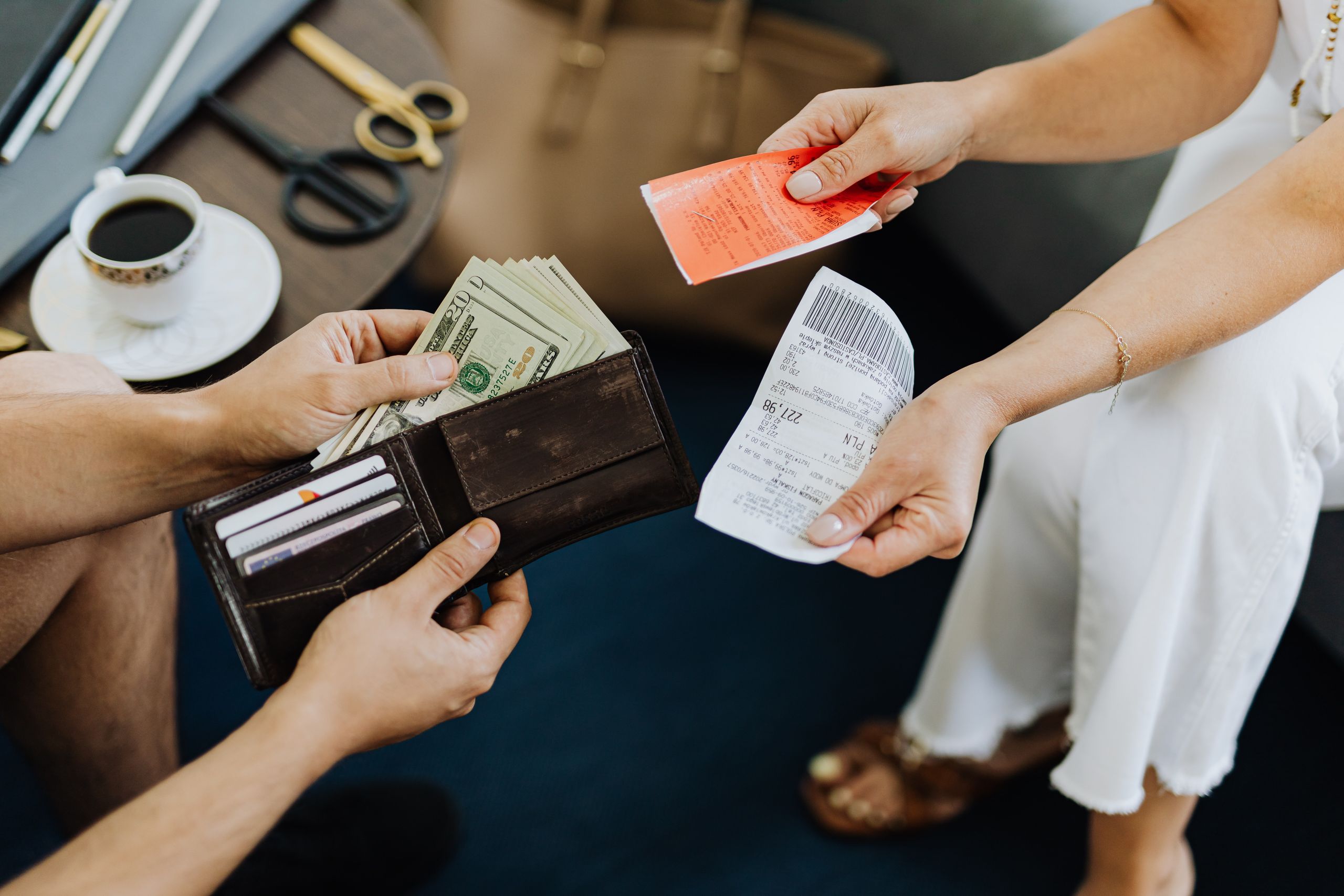
Bumpass said his Texas Roadhouse bill came to $64. After the meal, he claimed he left a $10 cash tip on the table for the server.
That detail sits at the center of the entire story. According to him, the server was not ignored. He says he did tip, just not through the card machine.
Many customers choose to leave cash tips because they feel more direct. They may believe the server receives the money faster, or they may simply prefer to separate the meal payment from the gratuity. In those situations, customers often write zero on the card tip line so there is no confusion later.
Bumpass said that is exactly what he did. He claimed he wrote zero where the card tip would normally go, completed the receipt, and left the restaurant believing the total charge would remain $64.
Then the notification arrived.
Instead of the expected charge, he said his account showed $84. That extra $20 turned the meal from an ordinary dinner into a financial dispute.
It is the kind of moment that makes a customer stop everything. You check the alert once. Then you check it again. Then you start replaying the whole payment process in your head.
The allegation that made viewers furious
The story did not go viral simply because a customer complained about a charge. Restaurant billing mistakes happen, and many can be fixed with a phone call.
What made Bumpass’s claim so explosive was his allegation that the receipt had been changed after he left.
He claimed the zero on the tip line was altered to look like a $20 tip. He also alleged that the final total had been changed to match the higher charge.
That accusation pushed the story into much more serious territory. A late appetizer, a cold steak, or a long wait can irritate customers, but a changed receipt feels different. It strikes at the basic trust between a business and a customer.
When a person signs a receipt, that signature is supposed to confirm one thing: this is the amount I agreed to pay. If that amount appears different later, the customer is left wondering who had access to the receipt and why the final charge changed.
That is why viewers reacted so strongly. The story was no longer only about whether a tip was fair. It became about whether a customer’s written approval still holds any weight once they leave the building.
The comments turned into a tipping battlefield.
As soon as the story spread online, the reaction split into familiar camps.
Some people supported Bumpass and urged him to dispute the charge, contact management, and keep records of everything. To them, the issue was simple. If he did not authorize the extra tip on his card, then the charge needed to be corrected.
Others focused almost entirely on the $10 cash tip. They questioned whether it was enough on a $64 bill and used the story to reopen America’s endless argument over tipping.
That is where the debate became messy.
People can disagree about whether $10 was generous, average, or disappointing. They can argue about percentages, service quality, local expectations, and whether tipping culture has gone too far. But those arguments do not erase the central issue.
A tip is supposed to be a choice. A card charge should reflect what the customer approved. If the customer says he left cash and wrote “0” on the card tip line, the real question becomes whether the final card charge matches the signed receipt.
That distinction matters. Otherwise, every dispute about an unauthorized charge gets dragged into a moral argument about whether the customer tipped enough.
Why the cash tip detail matters
The cash tip is what makes this story especially frustrating for many readers.
Bumpass did not claim he left nothing. He said he left $10 in cash and wrote zero on the card receipt because the server had already received a tip.
For customers who prefer to tip in cash, this is a common practice. Pay the bill on the card. Leave money on the table. Write zero on the tip line. Walk away.
It should be simple.
But if a customer leaves a cash tip and later sees a card tip added as well, it can create the feeling of being charged twice. It also makes the customer question a practice that many diners once viewed as safe and straightforward.
That is why this story may change how some people handle restaurant receipts. Many diners already feel uneasy about modern payment systems. They see suggested tips on screens, service fees on receipts, and rising menu prices everywhere they go. A story like this adds one more worry to the list.
Now, instead of only asking whether they tipped enough, customers may also ask whether they protected themselves enough. The bigger frustration behind one restaurant bill. This story landed at the perfect moment to make people angry because many Americans already feel exhausted by extra charges.
Dining out has become more expensive. People notice when menu prices rise. They notice when portions seem smaller. They notice that a meal that used to feel casual now feels like a financial decision.
Then comes the tip line.

In recent years, tipping has moved far beyond the traditional restaurant table. Customers now see tip prompts at coffee shops, takeout counters, bakeries, food trucks, delivery apps, and even places where they barely interact with an employee.
For some people, that constant prompt creates pressure. They feel judged by the screen. They feel watched by the person behind the counter. They feel guilty for choosing a lower option, even when the service was brief.
At the same time, servers and service workers are caught in a system that often leaves them relying on tips to earn a decent living. Many customers know that, which makes the whole topic emotional before anything goes wrong.
So when a customer claims a tip was added after he says he already left cash, it does not feel like a small private dispute. It feels like one more example of a system people already distrust.
Why does this hurt honest servers, too?
One reason stories like this spread so fast is that they give angry customers a villain. But the truth is more complicated.
Most servers are not trying to cheat diners. Many are working long shifts, managing difficult tables, handling customer pressure, and relying on unpredictable tips to pay their bills.
That is why an allegation like this can be damaging beyond one location. It can make customers suspicious of everyone who handles a receipt, including honest workers who had nothing to do with the situation.
The internet often turns one story into a symbol of an entire industry. One questionable receipt becomes proof, in the minds of some viewers, that every restaurant worker should be watched closely. That is not fair to servers who do their jobs with honesty and professionalism.
Still, customers also have a right to protect themselves. Trust cannot be demanded from people after a billing dispute. It has to be earned through clear systems, accurate charges, and quick corrections when something goes wrong.
That is the uncomfortable balance in this story. A customer should not assume every server is dishonest. A restaurant should not expect customers to ignore a charge that looks wrong.
The restaurant call added another layer.

Bumpass said he later contacted the restaurant after noticing the higher charge.
According to his account, management apologized. He also said he had started a payment dispute while trying to figure out what other steps he could take.
That response is important because it shows how these situations usually move from viral outrage to practical action. Online comments can offer opinions, but the real solution often begins with documentation.
The restaurant can review the receipt, check payment records, and speak with the staff involved. If there was a mistake, management may be able to reverse the extra charge or issue a refund.
The card issuer can also investigate through a dispute process. That is where proof becomes valuable. A photo of the signed receipt, a bank alert, and any communication with the restaurant can help establish what the customer says happened.
The problem is that many people do not photograph receipts until something goes wrong. By then, they may have already thrown away their copy, left the restaurant, or lost track of the details.
That is why this story has become a warning for other diners.
The receipt habit every diner may want now
The biggest lesson from the story is simple: do not leave your receipt open to confusion.
If you are leaving a cash tip, write zero clearly on the tip line. Do not leave the line blank. A blank line can create uncertainty, and uncertainty is the last thing you want when money is involved.
Then write the final total clearly. Make the numbers easy to read. Do not squeeze them into the corner or leave extra space where another digit could appear.
It may also help to take a quick photo of the signed receipt before leaving the table. That may feel unnecessary in the moment, but it can be useful if your bank alert later shows something different.
Customers should also check their card notifications soon after dining out. Many banks send alerts almost instantly, giving customers a chance to catch a suspicious charge quickly.
If the amount is incorrect, the first step is usually to contact the restaurant. Calmly explain the issue, ask to review the signed receipt, and request a correction if the charge does not match.
If that does not resolve it, the next step is to contact the card issuer and dispute the charge. The stronger your documentation is, the better your chances of resolving the issue.
Why diners are becoming more suspicious
This story also explains why so many customers are becoming more careful with payments.
People are tired of feeling surprised by costs. They are tired of opening receipts and finding unexpected fees. They are tired of seeing totals climb after taxes, tips, delivery charges, and service add-ons.
When money feels tight, even $20 matters.
That is why Bumpass’s claim touched a nerve. For some households, $20 is gas money. It is lunch for the next day. It is part of a grocery run. It is not just loose change.
And even for people who can afford the difference, the principle still matters. Nobody wants to feel like they were charged for something they did not approve of.
That is the emotional engine behind the story. The outrage is not only about the amount. It is about control.
A customer wants to know that when they sign a bill, the transaction is finished. They do not want to keep checking their account later, as if they were investigating a crime scene.
The uncomfortable truth about restaurant trust

Restaurants run on trust in small ways that people barely notice.
Customers trust that the kitchen prepares what they ordered. Servers trust that customers will pay and tip fairly. Managers trust employees to handle receipts correctly. Customers trust that the final charge will match the signed total.
When that trust breaks, even once, the damage travels fast.
That is why viral stories about receipts are so powerful. They do not require complicated details. Everyone understands the fear of being overcharged. Everyone understands the frustration of trying to prove what happened after the fact.
A customer can forget a bad meal. A customer may forgive slow service. But a customer who believes a receipt was changed may never look at that restaurant the same way again.
That is the real danger for businesses. A disputed charge can be refunded, but trust is harder to repair.
The real issue is not whether he tipped enough.
The loudest part of the online debate may be the $10 tip, but that is not the heart of the story.
The real issue is authorization.
If a customer leaves cash and signs a receipt for a different amount, the card should reflect the correct amount. If the final charge differs, the customer deserves a clear explanation and a prompt correction.
Tipping culture can be debated forever. Some people think customers should tip more. Others think businesses should pay workers better so customers are not pressured to make up the difference. Many people believe both things can be true.
But none of those debates justify confusion around a signed card receipt.
A tip should never feel like a trap. A restaurant bill should never feel like a gamble. And a customer should not have to wonder whether the total they signed is the total they will actually pay.
One viral bill became a warning.
Bumpass’s story may involve one customer, one restaurant visit, and one disputed charge, but the reaction shows how much frustration is sitting beneath the surface.
Americans are not only tired of high prices. They are tired of feeling like every transaction comes with fine print. They want the number on the receipt to mean what it says.
That is why so many people are connected with this story. It turned an ordinary dinner into a reminder that customers may need to stay alert, even in routine moments.
The next time, many diners leave a cash tip and may not simply stand up and walk away. They may write the zero more clearly. They may fill in the final total more carefully. They may take a photo before leaving the table.
Because once a restaurant receipt becomes a question mark, dinner does not really end when the plates are cleared.
It ends when the bank charge matches the bill.