The Trump administration is confronting a mounting legal storm as multiple federal courts push back against repeated refusals to comply with judicial orders. Top officials, including Homeland Security Secretary Markwayne Mullin, have openly questioned the impartiality of courts while defending the administration’s selective compliance, igniting renewed debate over executive authority, the rule of law, and congressional oversight. This clash has become one of the most consequential legal and political standoffs in recent U.S. history.
Federal judges across jurisdictions have issued rulings that the administration has ignored, delayed, or circumvented, spanning high-profile cases on election oversight, agency operations, and public spaces. Congressional committees have highlighted nearly 100 instances this year alone where courts allege noncompliance, making judicial defiance a central issue in government funding disputes and operational accountability.
DHS Funding Tensions Linked to Judicial Defiance

Secretary Mullin’s recent testimony to the Senate illustrates the friction. When asked about compliance with court rulings, Mullin suggested that judicial decisions were politically motivated, signaling selective adherence. Senator Chris Murphy emphasized that this pattern directly fueled disputes over Department of Homeland Security funding, contributing to the longest federal funding lapse in U.S. history.
Lawmakers face a dilemma: funding essential government operations while grappling with an agency accused of repeatedly violating court mandates. The stalemate has immediate implications for border security, immigration enforcement, and federal operational continuity.
Landmark Court Losses Highlight Executive Overreach
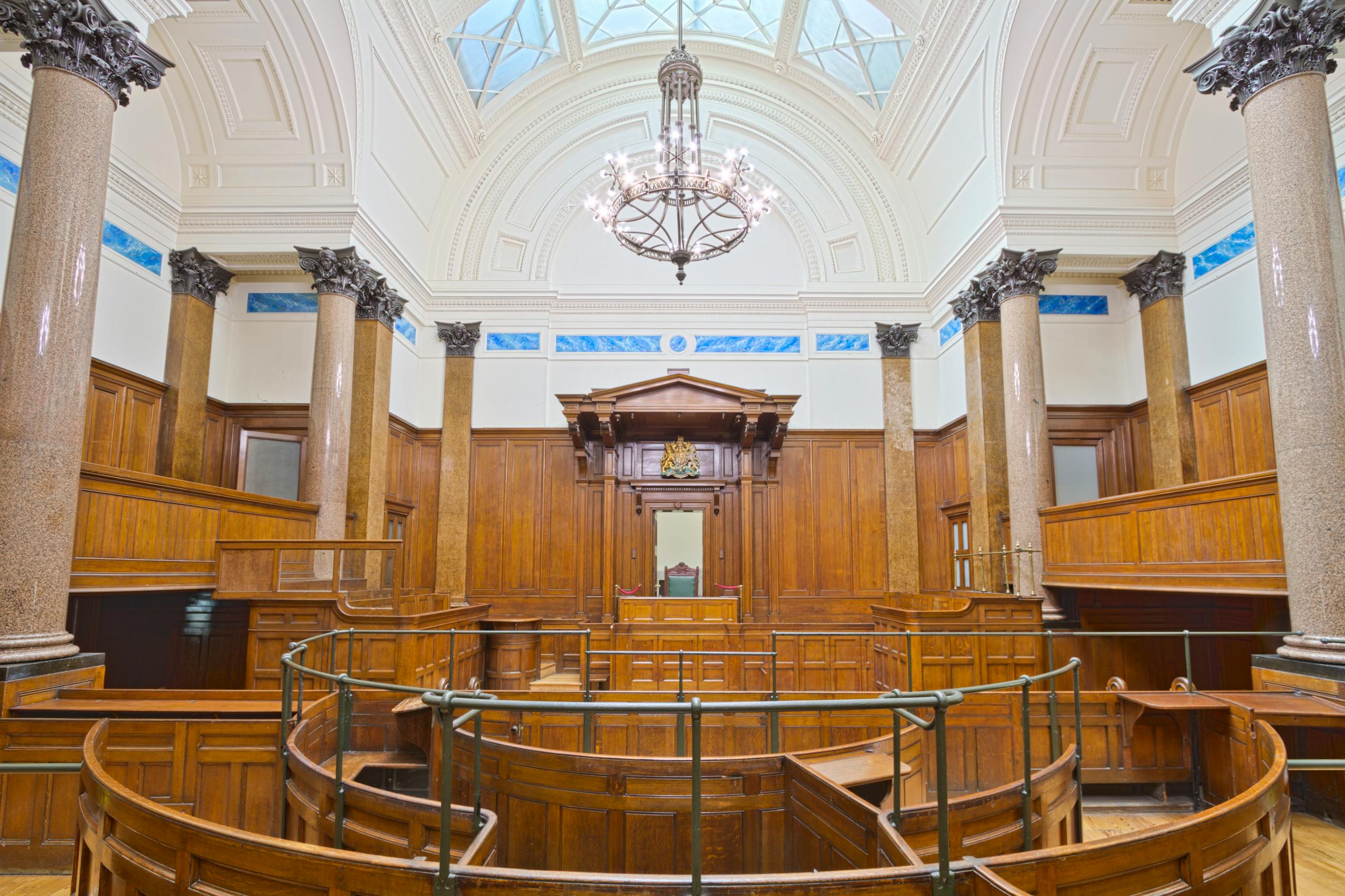
Recent rulings have struck down several Trump administration initiatives. A federal judge issued a restraining order preventing interference with a symbolic demonstration at the National Mall. Another court dismissed a Justice Department effort to access detailed voter registration records in Arizona. Separately, a judge ordered the removal of Trump’s name from the Kennedy Center for the Performing Arts and barred its closure under renovation claims.
Legal analysts note these cases raise fundamental separation-of-powers issues. Former Trump security advisor Miles Taylor stated the administration has faced over 700 significant constitutional challenges, losing at a 2-to-1 rate in lower courts, illustrating the judiciary’s active role in curbing unilateral executive action.
Public and Political Ramifications
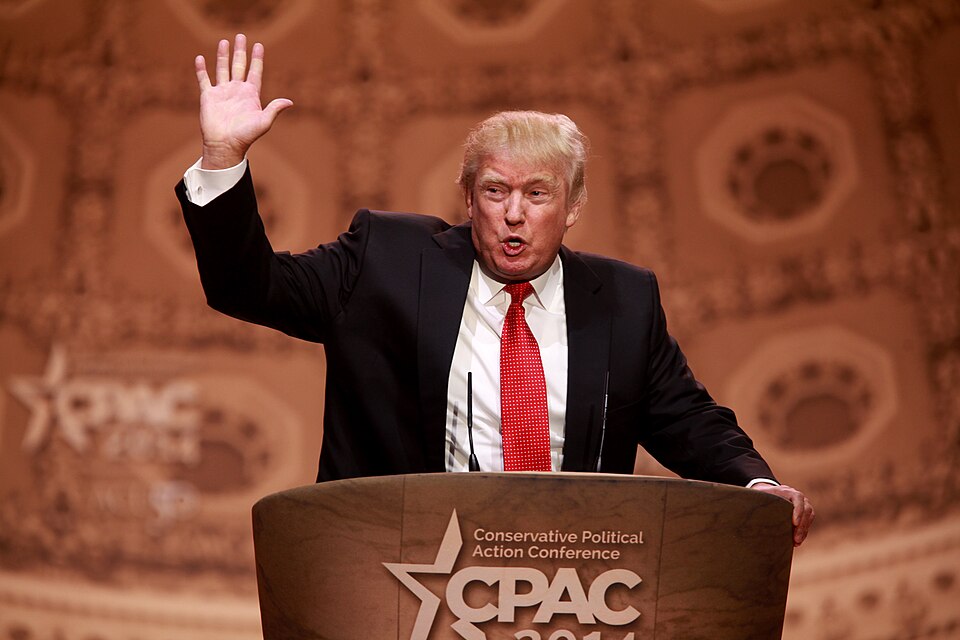
The administration’s approach has provoked strong reactions from legal scholars, political leaders, and the public. Repeated selective compliance with judicial orders has fueled media scrutiny, congressional hearings, and partisan debate over executive authority.
Beyond optics, persistent defiance risks setting legal precedents that could influence the balance of power and expectations of presidential authority. Experts warn that normalizing noncompliance could strain democratic institutions and complicate future governance.
The Separation-of-Powers Debate Intensifies
Central to the controversy is a constitutional question: how far can the executive branch resist judicial mandates without violating the law? The Trump administration’s stance has intensified debate over checks and balances, prompting courts, Congress, and legal experts to evaluate enforcement mechanisms and the limits of executive power.
The unfolding standoff has implications for executive accountability, institutional credibility, and constitutional interpretation, with each court ruling shaping the broader dynamics between branches of government.