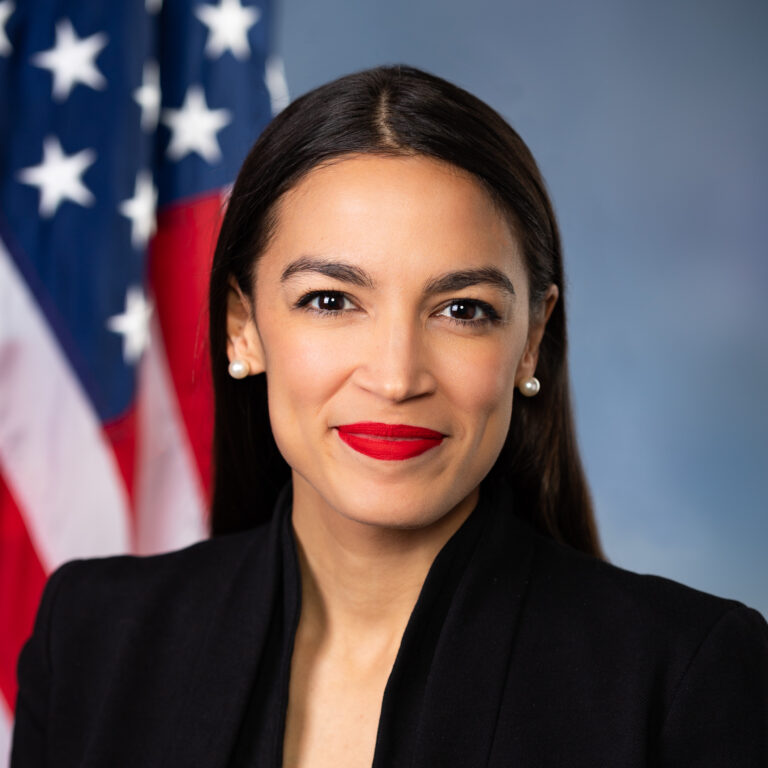
Chicago’s South Side became the focus of national attention as former President Barack Obama officially opened his Presidential Center in Jackson Park. The long anticipated project was meant to mark a defining moment in his post presidency legacy and a major cultural milestone for the city.
Instead, the opening quickly turned into a political flashpoint fueled by his remarks on the Founding Fathers and renewed scrutiny over the project’s rising cost.
The ceremony arrives just weeks before the United States marks its 250th anniversary. That timing amplified every message delivered on stage and intensified debate over how America should interpret its founding story.
Obama’s Founders’ Remarks Spark Immediate National Debate

Lawrence Jackson, Public domain, via Wikimedia Commons
During the dedication speech, Obama said the Founding Fathers “fell terribly short” of the ideals in the Declaration of Independence. He pointed to slavery, voting restrictions, and early exclusions from civic life as evidence that America’s democratic foundation was deeply incomplete at its birth.
The comments quickly triggered strong reactions across political and media circles. Supporters praised the remarks as an honest acknowledgment of historical reality. Critics argued the framing was unnecessarily harsh and politically charged for a presidential museum opening.
The timing of the remarks added fuel to the controversy. With the nation approaching its 250th anniversary, the debate over how to remember the founding era has already been intensifying. Obama’s speech placed that debate directly into the spotlight of a major national event.
$830 Million Presidential Center Faces Growing Cost Scrutiny
The Obama Presidential Center has been under construction for several years and carries an estimated price tag of around $830 million. Some estimates suggest total costs could exceed $1 billion once surrounding infrastructure improvements are included.
The Obama Foundation has stated that the museum itself is privately funded through donations. However, public investment in roads, transit adjustments, and utility upgrades around Jackson Park has drawn criticism from fiscal watchdogs and local residents.
Critics argue that while the museum may be privately financed, taxpayers are still contributing indirectly through infrastructure spending tied to the campus. Supporters counter that these improvements are necessary upgrades that benefit the wider South Side community and improve long term access to the area.
The cost debate has become one of the most persistent controversies surrounding the project, even before its first full day of public operations.
Celebrity Packed Ceremony Turns Opening Into National Spectacle
The dedication ceremony featured an unusually high profile guest list that included former Presidents Bill Clinton, George W. Bush, and Joe Biden. Vice President Kamala Harris, former House Speaker Nancy Pelosi, and former First Lady Hillary Clinton were also in attendance.
International and cultural figures such as former Canadian Prime Minister Justin Trudeau, Oprah Winfrey, and filmmaker Steven Spielberg added to the scale of the event. The guest list turned the opening into a global media moment rather than a traditional museum dedication.
Cameras captured a scene that blended politics, celebrity culture, and historical commemoration in a way rarely seen at public institutions. Supporters say the turnout reflects Obama’s global influence and the center’s significance. Critics argue it created the appearance of an elite gathering rather than a neutral civic institution.
Inside the Museum and Its Interpretation of American History
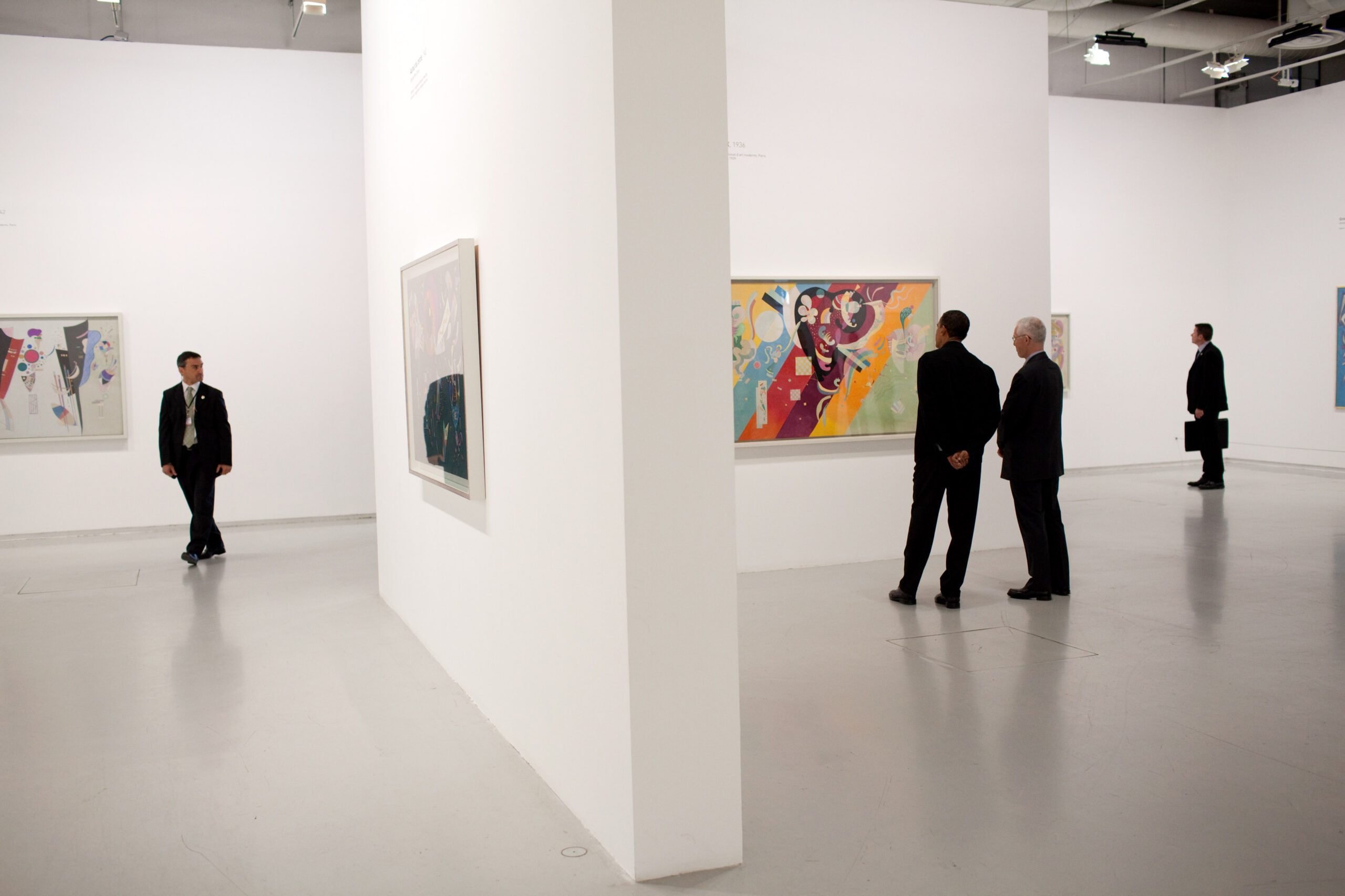
White House (Pete Souza) / Maison Blanche (Pete Souza), Public domain, via Wikimedia Commons
The Obama Presidential Center includes a museum tower, civic spaces, a public library branch, and outdoor areas designed for community use. Inside the museum, exhibits feature artifacts tied to the Declaration of Independence, Abraham Lincoln, Frederick Douglass, and Ida B. Wells.
The center also includes an Oval Office replica and digital archives documenting Obama’s presidency. The exhibits connect early American history to modern civil rights movements, presenting democracy as a long evolving process shaped by conflict and reform.
That interpretive approach has become part of the broader debate. Supporters say it reflects an honest and complex view of American history. Critics argue the narrative leans heavily toward a political framing that emphasizes injustice and struggle over balance and neutrality.
The museum is now being closely watched not just as a historical institution but as a reflection of how presidential legacy projects shape public memory.
South Side Development Brings Opportunity and Ongoing Tension
The center is located in Jackson Park on Chicago’s South Side, a location deeply tied to Obama’s early political life. The project was promoted as a long term investment in a historically underserved area of the city.
City officials and supporters argue the center will bring jobs, tourism, and renewed economic activity. They see it as a cultural anchor that could reshape the surrounding neighborhood over time.
However, concerns remain within parts of the local community. Some residents worry about rising property values and long term displacement pressure linked to large scale development projects. Others point to years of construction that already disrupted park access, traffic patterns, and daily neighborhood life.
The opening does not resolve these tensions. Instead, it brings them into sharper focus as the center begins its public life.
Infrastructure Spending Adds Fuel to Financial Debate
Beyond the museum itself, infrastructure spending tied to the project has become a major point of controversy. Road redesigns, transit improvements, landscaping work, and utility upgrades were required to support the scale of the campus.
City and state officials argue that these investments were necessary to ensure safety, accessibility, and long term functionality of the area. They also emphasize that such improvements will benefit residents and visitors well beyond the museum itself.
Critics, however, argue that the spending effectively functions as a public subsidy for a privately operated presidential institution. They question whether the scale of investment is justified at a time when cities face competing demands for housing, transit, and public services.
The financial debate has now become inseparable from the cultural and political conversation surrounding the center.
Founders Controversy Expands Ahead of America’s 250th Anniversary.

3d U.S. Infantry Regiment (The Old Guard), Public domain, via Wikimedia Commons
Obama’s remarks about the Founding Fathers have extended far beyond the opening ceremony. His statement has become part of a broader national debate over how American history should be interpreted and taught.
Supporters argue that the comments correctly highlight the contradictions between America’s founding ideals and its early realities. Critics say the framing risks deepening political division at a moment when national unity is often emphasized.
The timing is particularly significant. As the United States approaches its 250th anniversary, debates over monuments, education, and historical interpretation are already intensifying across the country.
Obama’s speech has now become part of that larger national conversation about identity, history, and meaning.
A Legacy Project That Opens Into Division Instead of Consensus
The Obama Presidential Center was intended as a space for civic engagement, historical reflection, and public education. Instead, its opening has immediately become a focal point for political, financial, and cultural debate.
The museum now sits at the intersection of competing narratives about American history and presidential legacy. It is being discussed not only for what it contains, but for what it represents in a divided national moment.
As visitors begin touring the exhibits and public grounds, the controversy surrounding the center is already shaping its legacy. What was designed as a celebration of history has opened into a broader argument over how that history should be told, funded, and understood.