The doorbell rings right when the living room still has yesterday’s mail on the coffee table, the bathroom trash is full, and the kitchen smells faintly like reheated leftovers. You smile, open the door, and hope nobody notices the chaos you stopped seeing weeks ago.
Most guests will not say anything. They will hug you, compliment the snacks, sit politely, and keep their real thoughts tucked behind a friendly face. That is what makes home habits so uncomfortable for guests.
A home does not need to look like a magazine spread to feel welcoming. People understand busy schedules, rising bills, work stress, kids, pets, and the everyday mess that comes with being human.
Still, certain habits can quietly make visitors uneasy. The issue is not perfection. It is whether your home feels cared for, safe, and comfortable enough for people to relax.
The Entryway Smells Like Yesterday’s Problems
The first thing guests notice is often not your decor. It is the smell that greets them before they even take off their coat. Old shoes, trash, pet odors, damp rugs, and stale air can create an instant impression that is hard to undo.
You may not notice it because your nose has gotten used to the space. Guests do not have that advantage. A quick airing out, a clean doormat, and fewer forgotten items near the door can change the whole mood before anyone sits down.
Home Habits Guests Judge Before They Sit Down
One of the home habits guests judge fastest is the lack of an obvious place for them to land. If the chairs are covered in laundry, the couch is crowded with bags, and every surface is cluttered, visitors may feel like they are interrupting your life rather than being welcomed into it.
This does not mean your home needs to be spotless. It means guests should not have to negotiate with piles just to find a seat. A clear chair, a small table space, and a place for coats can make your home feel more intentional in minutes.
A Bathroom That Feels Forgotten
Guests may forgive a messy closet, but they rarely forget an uncomfortable bathroom. A dirty sink, an empty soap dispenser, a wet hand towel, a full trash can, or a mystery smell can make people feel trapped in a private, awkward moment.
The bathroom is where people quietly measure care. Clean hands matter, and simple, proper handwashing steps depend on basics like soap, clean water, and something clean to dry with. When those things are missing, guests notice fast.
Pet Hair That Has Taken Over the Room

Pet lovers often stop seeing the fur because it becomes part of the furniture. Guests, especially those in dark clothes, notice it the second they sit down. Hair on pillows, blankets, dining chairs, and rugs can make even a friendly home feel careless.
Pets are family, but guests should not leave looking like they accidentally adopted one. A quick vacuum, a lint-roller pass, or a washable throw can keep the cozy pet-owner charm without making visitors silently inspect their pants.
A Kitchen That Makes People Hesitate
The kitchen does not need marble counters or matching jars to feel inviting. It does need to feel clean enough for food. Sticky counters, overflowing sinks, crusty stovetops, and questionable sponges can make guests politely decline a snack they actually wanted.
Food safety also matters more than people admit in social settings. Keeping cold food at safe temperatures and watching leftovers is not fussy, because safe food storage helps prevent the kind of stomach trouble nobody wants after a friendly visit.
Clutter That Blocks Every Surface
A little clutter can feel lived-in. Too much clutter can make guests feel overstimulated before the conversation even begins. Stacks of paper, tangled chargers, toys, delivery boxes, and random items on every surface send the message that the house is running ahead of its owner.
The problem is not that guests expect luxury. They simply need visual breathing room. Clearing one table, one counter, and one seating area can make the same home feel calmer, warmer, and easier to enjoy.
Dusty Details That Tell on You
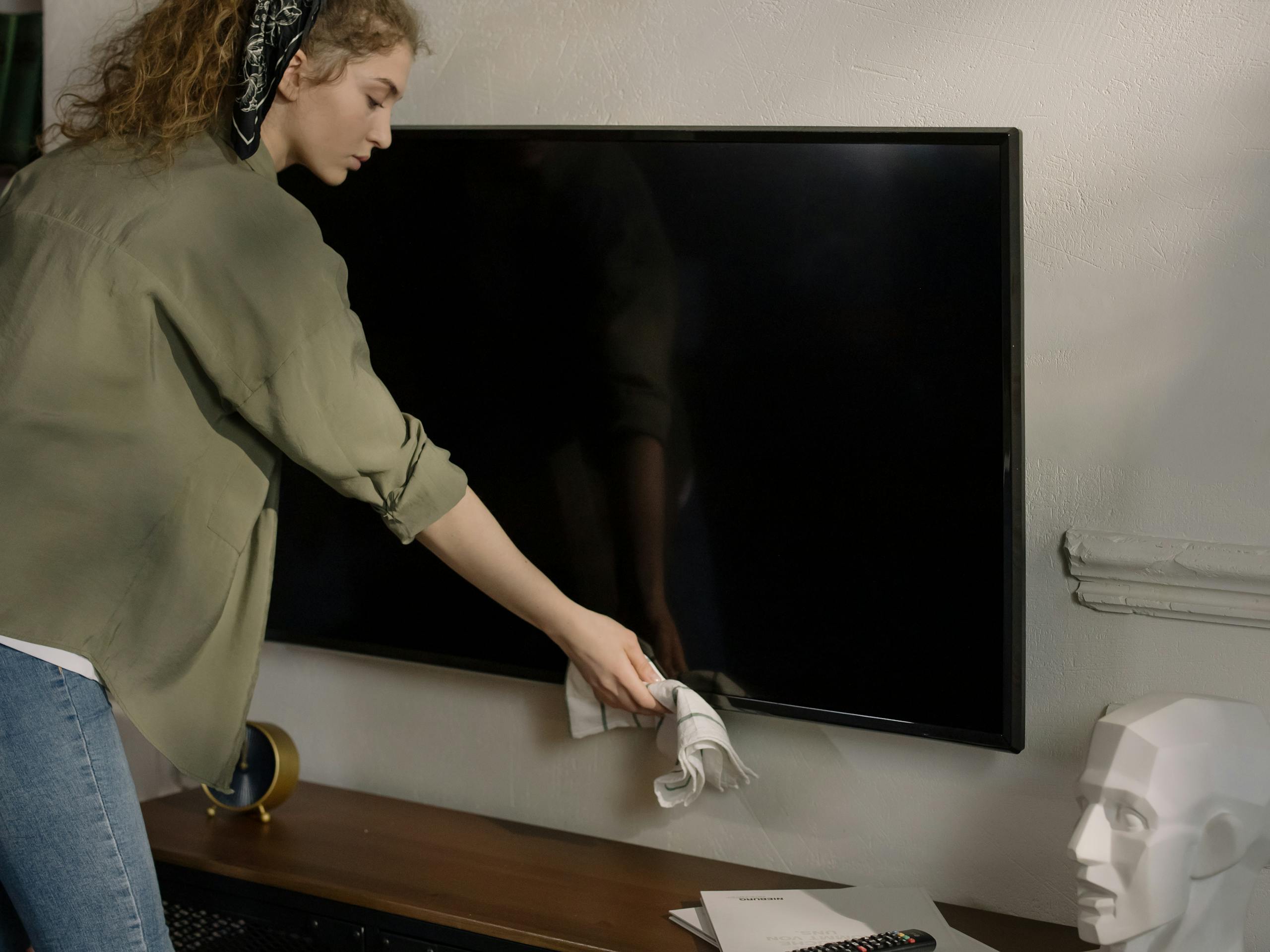
Guests may not inspect your baseboards, but they notice the little things when they are sitting still. Dust on lampshades, sticky remote controls, cloudy mirrors, and crumbs in corners quietly tell a story about what gets ignored.
Indoor air can also carry more than ordinary dust. Ventilation, moisture, smoke, mold, and household particles all affect indoor air quality, especially in spaces where people spend long hours. A cleaner, fresher room often feels better before anyone knows why.
Shoes, Coats, and Bags With No Place to Land
Guests do not want to stand by the door holding a coat like they are waiting for permission to exist. If there is no hook, chair, closet space, or clear instructions, they may feel awkward from the first minute.
Small hosting cues matter. A simple “You can put your coat here” feels warm because it removes confusion. It tells people they were expected, not squeezed into whatever space happened to be available.
Ignoring Basic Safety Signals
Guests may not comment on a dead smoke alarm chirping from the hallway, but they hear it. They also notice loose rugs, dark stairways, overloaded outlets, and walkways blocked by boxes. These things make a home feel less comfortable because people cannot fully relax in the presence of small risks.
Safety is part of hospitality. Working smoke alarms matter because they can reduce the risk of dying in a home fire. Fixing small hazards shows guests that comfort and care go beyond pillows and snacks.
Letting Moisture, Mold, or Pests Slide
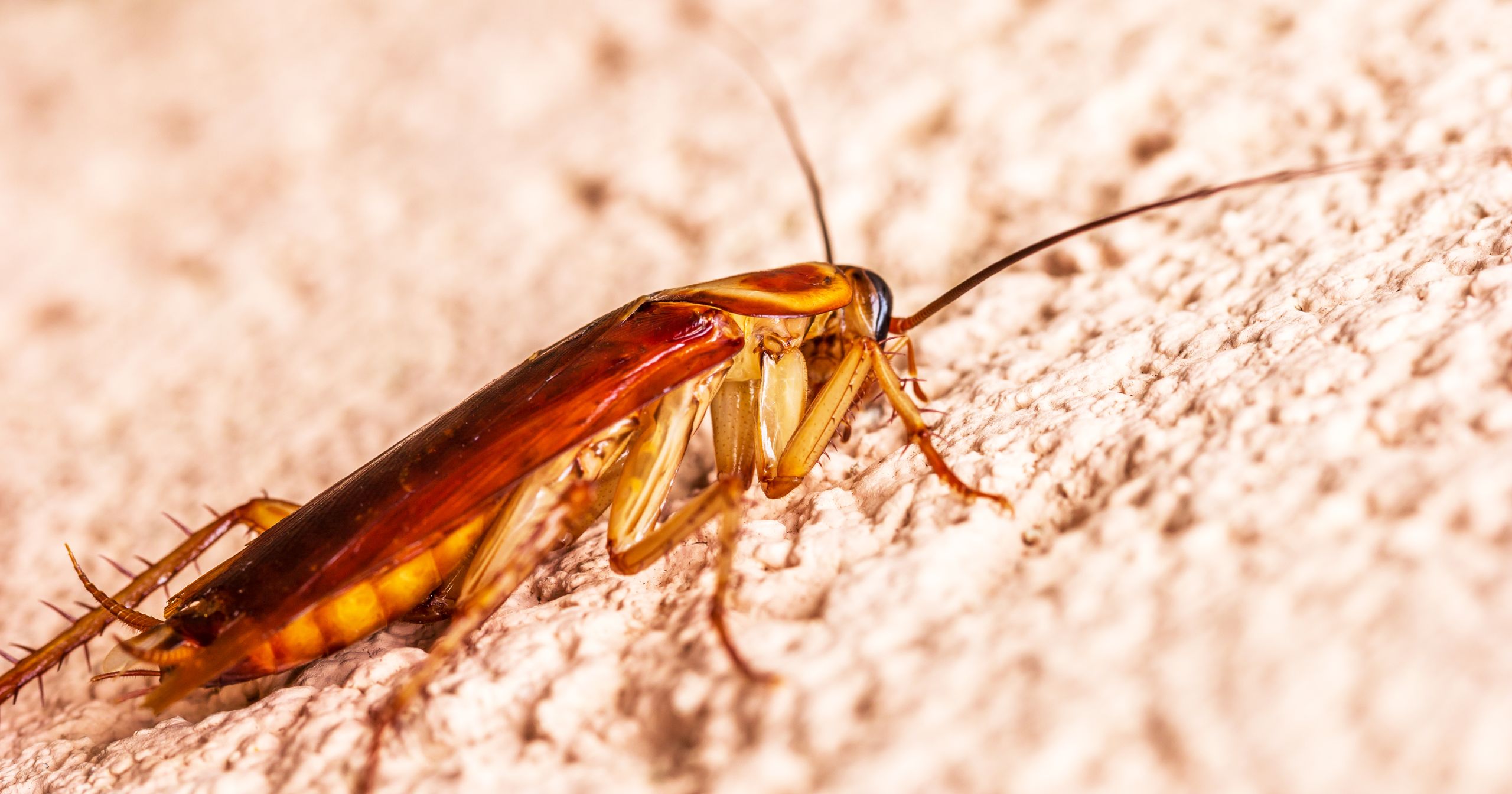
Nothing changes a guest’s opinion faster than seeing mold around a vent, bugs near a baseboard, or signs of pests. People may stay polite, but their brains start making private calculations about cleanliness and health.
Moisture problems deserve attention because mold grows where dampness lingers. Keeping home humidity low and fixing leaks can help prevent bigger problems. Pest signs also require quick action, since sealing gaps can help prevent rodent infestations before embarrassment turns into a real household issue.
Acting Unprepared After Inviting People Over
Guests do not need a grand performance, but they can tell when they were invited into chaos. No drinks, no clean glasses, no bathroom supplies, no place to sit, and no basic plan can make the visit feel like an accident.
Preparation is less about money and more about thoughtfulness. A pitcher of water, a clear couch, a clean towel, and a relaxed greeting can make even a modest home feel generous. If guests judge more by comfort than perfection, which of these home habits might be speaking louder than you realize?