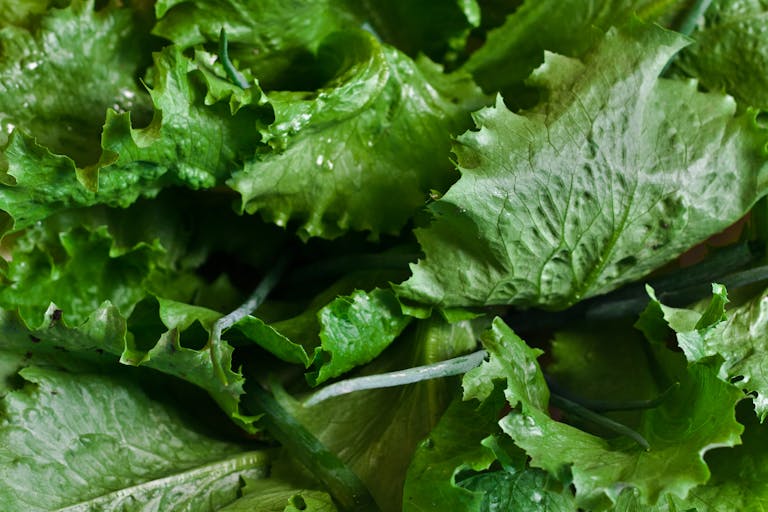
An expensive restaurant menu doesn’t get to decide what tastes good to you.
We’ve all encountered foods that seem to come with an expectation of appreciation. Someone orders an expensive delicacy, recommends an unfamiliar dish, or insists that a particular ingredient is something everyone should learn to love.
But what happens when you take a bite and simply don’t enjoy it?
In YouGov’s 2025 research on America’s most disliked foods, several familiar ingredients have substantial numbers of detractors.
The survey included 2,239 U.S. adults and measured stated food preferences, not whether they secretly pretend to enjoy certain dishes.
Still, the findings raise an entertaining question: Why should anyone feel obligated to praise food they don’t actually like?
Caviar
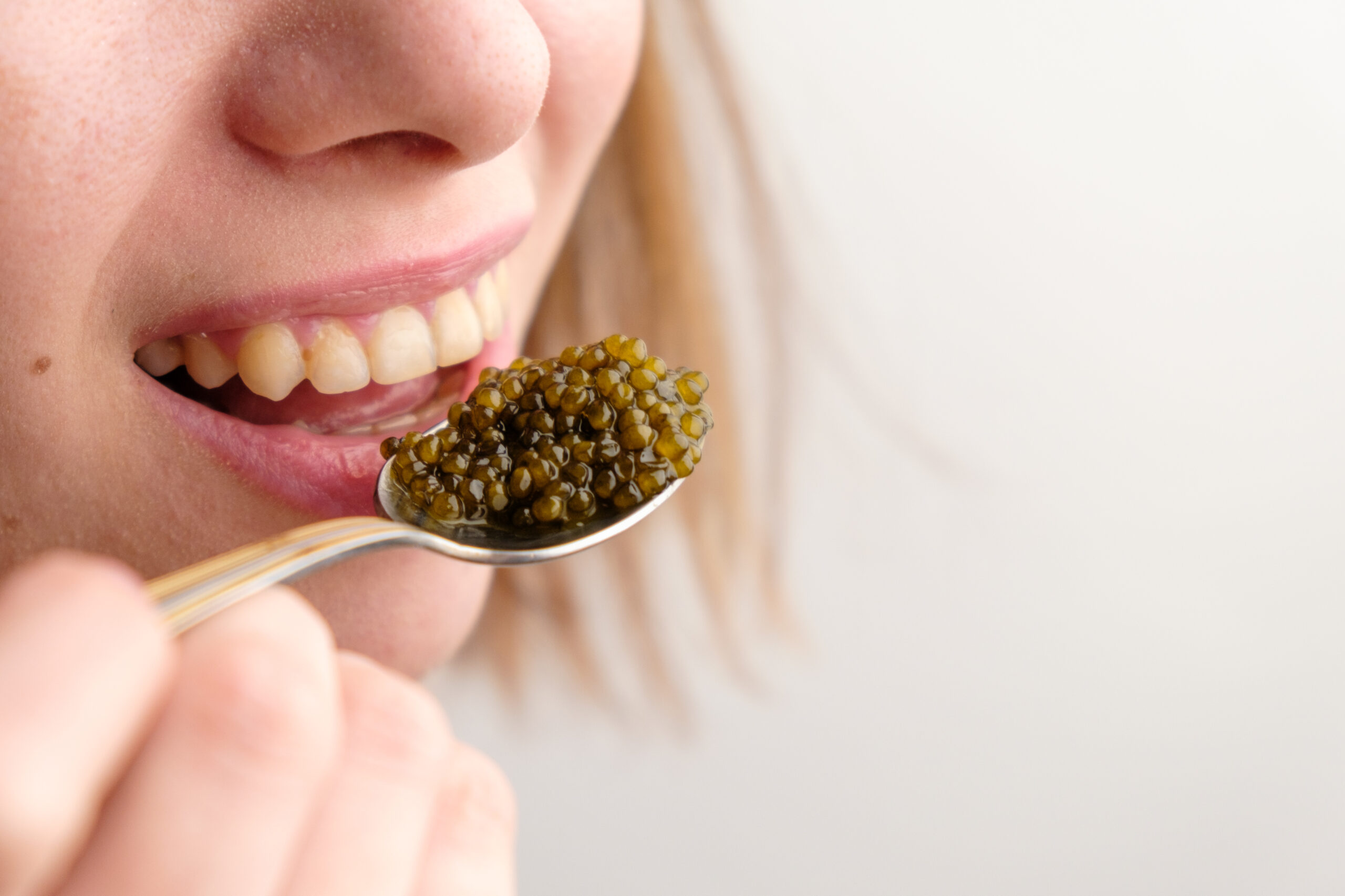
Just because it’s expensive doesn’t mean you’ll enjoy the taste. Caviar has long been associated with elaborate dining occasions and luxury menus. But an impressive presentation doesn’t guarantee that everyone at the table will appreciate what’s being served.
In YouGov’s survey of disliked foods, 43% of respondents said they disliked or hated caviar, while another 26% were unsure how they felt.
That uncertainty is worth remembering. Some people may simply lack enough experience with the food to have a strong opinion.
Caviar is often presented as something special, and descriptions of its subtle, buttery flavors can set high expectations.
But those tasting descriptions aren’t promises everyone will agree with. Sometimes, the occasion and presentation create expectations that personal taste simply doesn’t fulfill.
Oysters
The restaurant experience can be impressive even when the food isn’t your favorite. Oysters are another example of a food that inspires strong reactions.
Some diners appreciate the distinctive experience of ordering them from a raw bar, while others are less enthusiastic about their flavor or texture.
According to YouGov’s published findings, 42% of surveyed Americans said they disliked or hated oysters.
That doesn’t mean the remaining respondents all loved them, or that anyone ordering oysters must be pretending.
For diners who enjoy exploring unusual American delicacies, oysters may be an appealing choice. But if you don’t enjoy them, appreciating the restaurant’s atmosphere doesn’t require pretending the meal was delicious.
Blue Cheese
A distinctive cheese can make a dish memorable, but not necessarily enjoyable for everyone. Blue cheese is one of those ingredients that can immediately change a meal’s character.
Its assertive flavor makes it stand out in dishes where a milder cheese might otherwise disappear into the background.
But that same intensity can divide opinions. YouGov found that 39% of respondents disliked or hated blue cheese. It was the only dairy food included among the survey’s 40 selected foods, so the findings don’t establish that it is America’s most disliked cheese.
The ingredient also raises an interesting question about dinners people feel pressured to enjoy, particularly when strong flavors are presented as sophisticated choices.
Whether it’s crumbled over a salad or used in another preparation, the real question is simple: Does its distinctive character improve the dish for you?
There’s no universal answer.
Sushi
Disliking one roll doesn’t necessarily mean disliking every kind of sushi. Sushi is a particularly interesting entry because the term covers many different preparations. Yet people sometimes discuss it as though every sushi dish offers the same experience.
According to YouGov’s 2025 food-preference survey, 39% of respondents disliked or hated sushi. Adults aged 45 and older were more likely than younger adults to express an aversion.
The survey didn’t separate different sushi styles, ingredients, or preparations. Consider a spicy California roll featuring imitation crab, cucumber, avocado, and a spicy dressing.
That’s one particular preparation, not a definition of sushi as a whole. With so many variations, exploring unfamiliar Japanese foods can involve discovering which combinations you genuinely enjoy.
And if none appeals to you, that’s a preference, not a failure to appreciate another culinary tradition.
Kale
A food’s popularity doesn’t automatically make its flavor universally appealing. Kale has appeared in everything from salads to cooked vegetable dishes, but not everyone enjoys its distinctive character.
The preparation also matters. A raw kale salad and a cooked kale dish can offer noticeably different experiences, making sweeping judgments about the ingredient less useful.
In YouGov’s research, 31% of respondents disliked or hated kale, while another 31% reported feeling neutral toward it.
That second figure matters because neutrality isn’t the same as secretly disliking something. The discussion surrounding America’s most disliked vegetables also highlights how personal preferences can vary with texture and preparation.
For cooks willing to experiment, trying a different way to prepare kale may offer a new experience. But enjoying a particular preparation isn’t mandatory. Sometimes, an ingredient simply isn’t your favorite.
Anchovies
The little fish that creates one of the biggest disagreements at the dinner table. Anchovies may be small, but their distinctive savory, salty flavor can make them a noticeable part of a dish.
They appear in preparations ranging from pizza toppings to pasta dishes and salads. Yet of the six foods discussed here, anchovies received the highest dislike figure in YouGov’s published findings.
According to the original survey report, 56% of respondents said they disliked or hated anchovies. That doesn’t establish whether respondents were thinking about anchovies served prominently on pizza or incorporated into another recipe.
Someone who dislikes a prominent anchovy topping might react differently to another preparation. That’s why foods people change their minds about after trying a different preparation make such interesting dinner-table debates.
An ingredient’s reputation doesn’t always tell the whole story.
Your Taste Doesn’t Need Anyone’s Approval
The YouGov survey shows that these six foods have plenty of detractors, but it doesn’t prove that Americans are secretly pretending to enjoy them.
Some people genuinely love oysters, caviar, blue cheese, sushi, kale, and anchovies. Others don’t, and many may have mixed feelings depending on the preparation.
The fun begins when those preferences collide around the dinner table.
An expensive menu, a celebrated chef, or an approving crowd shouldn’t decide what tastes good to you.