Weightlifting looks powerful until one bad second turns the whole room silent. A loaded barbell does not care about confidence, crowd noise, personal records, or how many people are watching. The linked Ranker article collects several brutal lifting incidents involving Olympic athletes, powerlifters, strongmen, and gym goers, showing how quickly strength sports can flip from impressive to terrifying.
Still, this is not a warning against strength training itself. Proper lifting can build muscle, strengthen bones, support balance, and improve everyday movement when technique, warmups, control, and smart progression are respected. The real lesson is simple: the weight room rewards patience, but it punishes pride fast.
The Olympic elbow injury that stunned Beijing
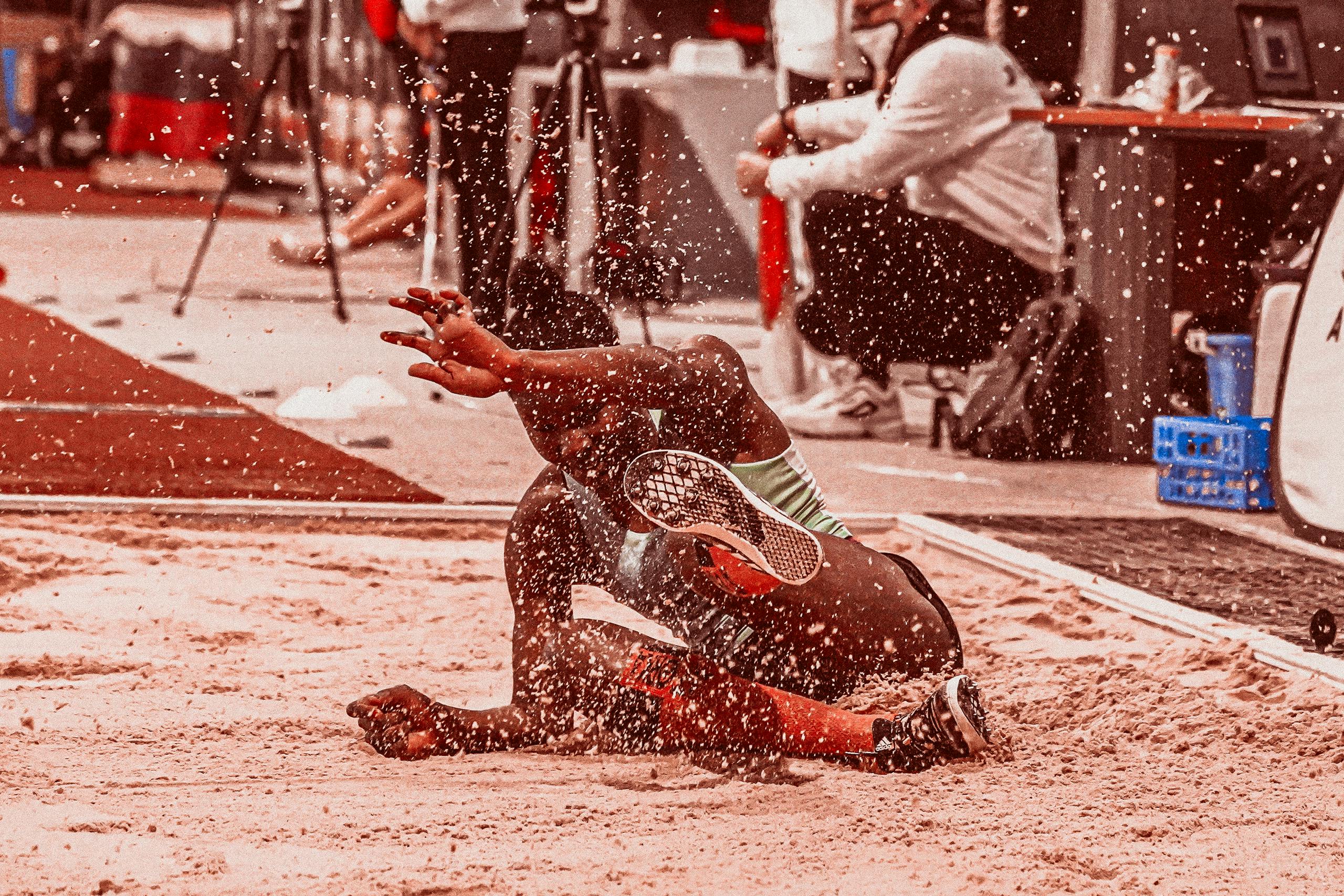
Janos Baranyai’s 2008 Olympic lift became one of the most replayed weightlifting accidents because it happened on one of the biggest stages in sports. He was attempting a heavy lift when his elbow gave way in a moment that stopped the audience cold. The frightening part was not just the injury but how quickly a controlled Olympic attempt turned into panic.
His comeback story gives the incident a different meaning. Baranyai reportedly avoided surgery, went through rehabilitation, and later carried the memory of Beijing in a permanent way with a tattoo connected to the Games. That detail makes the story less about shock and more about the strange courage athletes carry after a public disaster.
The strongman stone that almost crushed Craig Bongelli
Strongman events can look almost medieval because the equipment is huge, awkward, and unforgiving. Craig Bongelli’s accident during an Oktoberfest strongman competition showed exactly why atlas stones demand respect. He was handling heavy stone balls when his legs buckled, and the stone came down onto his chest.
The incident looked catastrophic, but Bongelli was lucky compared with how bad it could have been. He escaped with minor injuries and recovered quickly, which feels almost impossible when you imagine the weight involved. It is the kind of moment that reminds viewers that strongman competitions are not just about strength; they are also about grip, balance, breathing, and timing.
Andranik Karapetyan’s Rio lift went wrong in seconds.
At the 2016 Rio Olympics, Armenian weightlifter Andranik Karapetyan suffered the kind of injury that makes even seasoned sports fans look away. He was attempting a massive lift when his arm bent unnaturally under the pressure. The arena reaction told the story before the medical details did.
Reports later described the injury as a dislocation rather than a fracture, which sounds like a relief until you remember the force involved. Olympic lifting is beautiful when everything lines up perfectly, but it gives athletes almost no room for error. One small failure in timing, position, or joint stability can turn a medal attempt into a medical emergency.
Kevin Ogar’s accident changed his life forever.
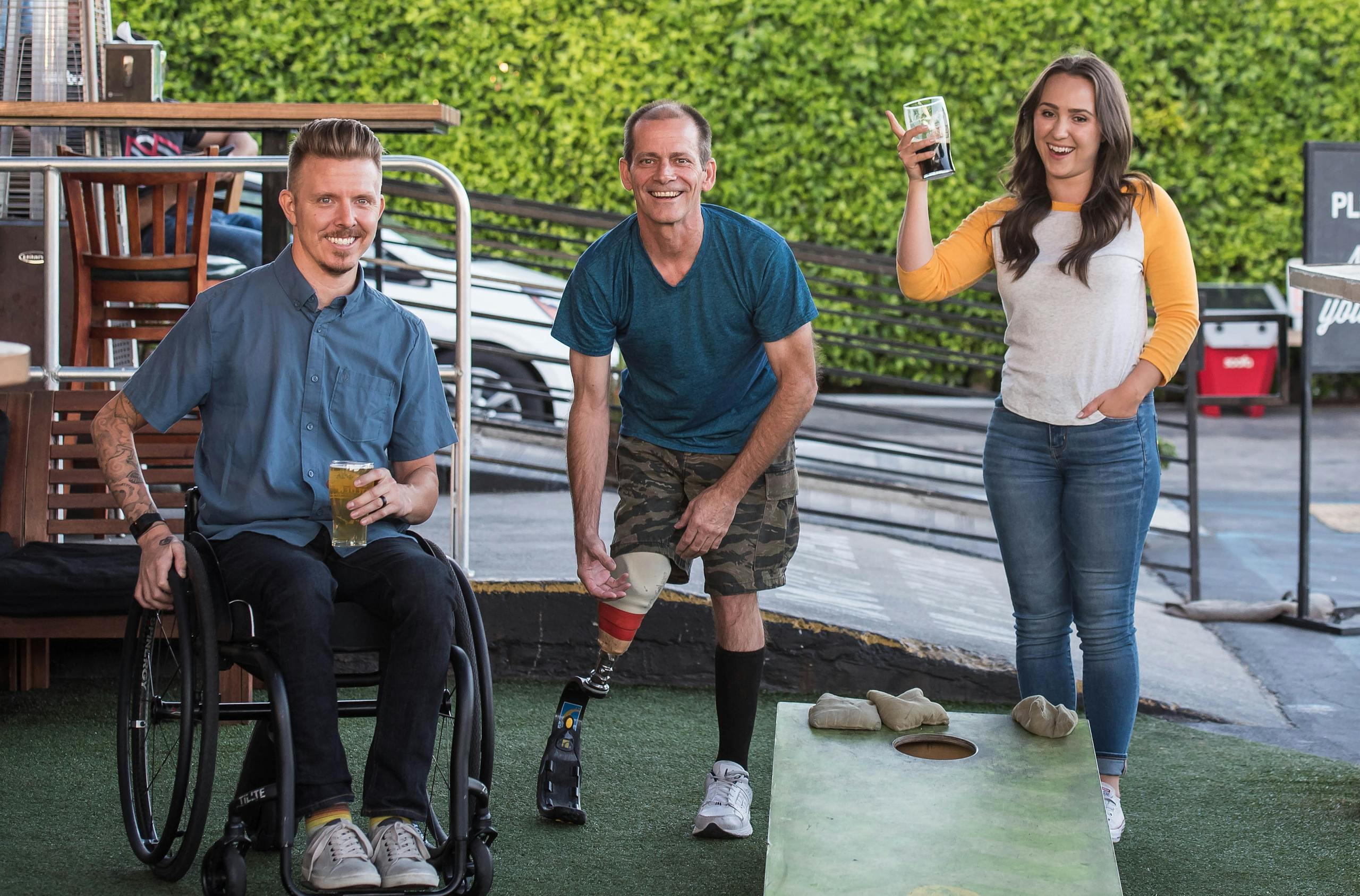
Kevin Ogar’s 2014 CrossFit accident remains one of the most sobering stories in modern strength sports. During a competition lift, a falling barbell struck his spine and left him paralyzed. Unlike many viral gym injuries that end with a limp, stitches, or a dramatic recovery, this one became a life altering tragedy.
His story also changed how many people talk about safety in competitive fitness. Heavy lifting under fatigue, crowd pressure, and timed competition creates a different risk environment from ordinary training. Ogar’s journey afterward has been marked by rehabilitation and resilience, but the accident still stands as a painful reminder that emergency planning matters as much as programming.
Kyle Thomson’s bench press tragedy showed why safety cannot be casual.
Bench pressing looks familiar, which may be why people underestimate it. Kyle Thomson’s fatal accident during a 315 pound bench press showed how dangerous the movement can become when a bar slips in the wrong direction. Even with someone nearby, the weight came down on his neck, and he later died from his injuries.
This is the point where the gym stops feeling like entertainment and starts feeling serious. Heavy benching needs proper rack height, reliable spotters, safety arms where available, controlled grip, and no rushed attempts. A personal record is never worth treating basic safety like a formality.
Igor Golushkin’s failed lift turned deadly.
Igor Golushkin’s accident is another brutal warning about the unforgiving nature of heavy bench pressing. He was attempting a massive lift with spotters present when the bar slipped and came down on his chest. The injury later proved fatal, making the incident one of the darkest examples of what can happen when a lift escapes control.
The hardest part is that spotters were there, yet the outcome still turned tragic. That detail matters because it shows that spotting is a skill, not just a position beside the bench. The person helping must be alert, strong enough to assist, properly positioned, and ready before the lifter even unracks the bar.
Big Brian Bach’s squat collapse was every lifter’s nightmare.
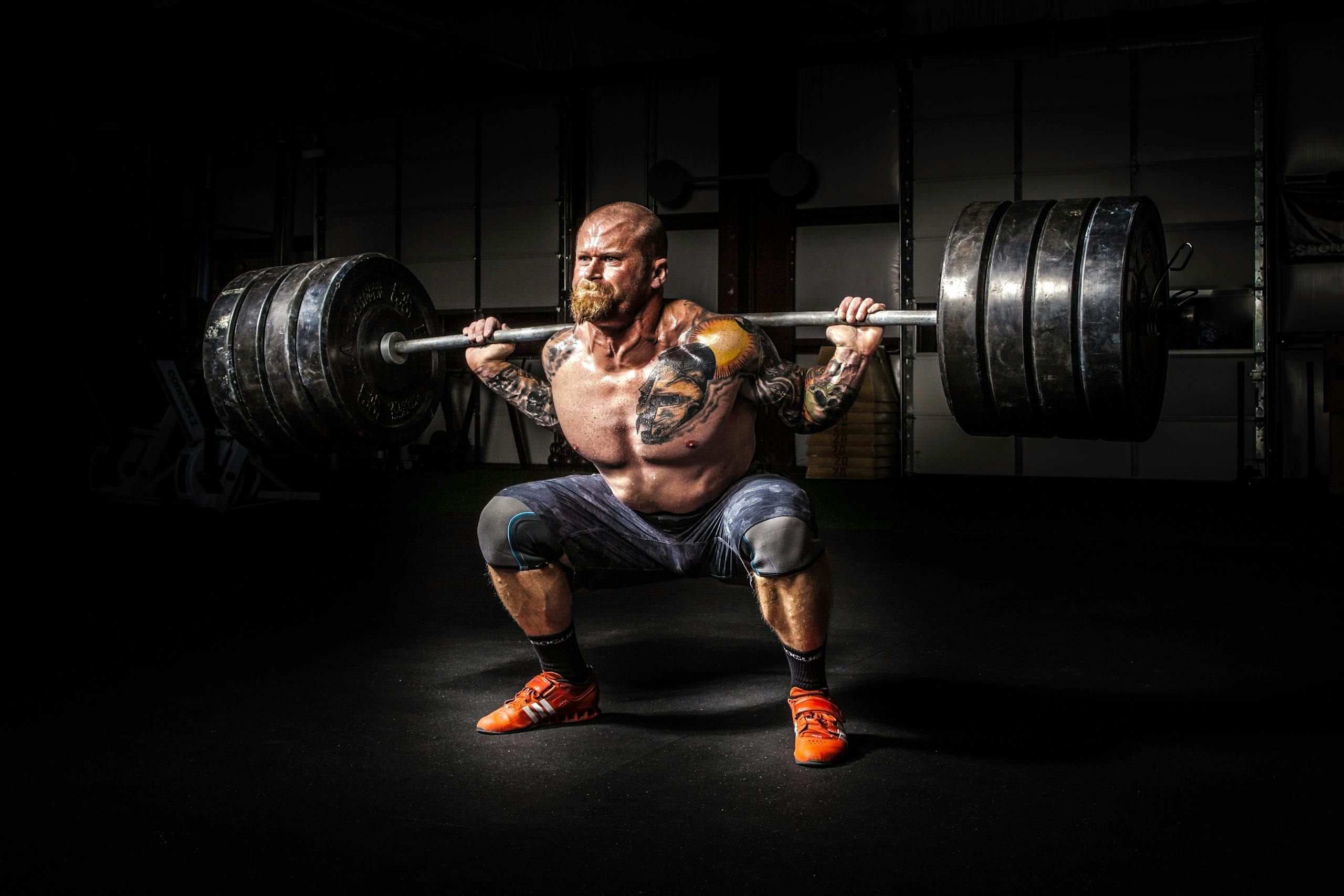
Squats demand full body cooperation. Legs, core, back, hips, knees, and balance all have to work together under pressure. When “Big” Brian Bach collapsed during a squat, the result was severe damage that reportedly included broken bones, knee trauma, hospitalization, and multiple surgeries.
The lesson is not that squats are bad. The lesson is that heavy squats become dangerous when load, fatigue, technique, and safety setup fall out of balance. Lifters need proper rack setup, spotter arms, sensible progression, and the humility to end a set before the body is forced to end it for them.
The viral leg press injury exposed a common gym mistake.
The leg press can fool beginners because it feels safer than a barbell. You are seated, supported, and pushing on a machine, so the danger can seem distant.
But the viral leg press injury featured in the Ranker article shows how locking out the knees under heavy pressure can turn a routine machine exercise into a horror scene.
This is why form matters even on machines. Controlled reps, proper range of motion, and avoiding full knee lockout under heavy load can reduce unnecessary risk.
The Mayo Clinic also stresses controlled movement, warmups, and proper technique as basic weight-training habits, which sounds simple until a lifter ignores them for one rep too many.
Matthias Steiner’s dropped barbell looked worse than the outcome.
Matthias Steiner’s 2012 Olympic accident was terrifying because the bar came down near his head and neck after a failed lift. For viewers, it looked like the kind of moment that could end a career instantly. Somehow, medical checks reportedly found no serious injury afterward.
That lucky ending should not soften the warning. Overhead lifts leave little margin once the bar drifts out of position. A lifter needs technical precision, mobility, timing, and the ability to bail safely. Steiner’s accident became memorable because it looked disastrous, but the deeper lesson is that even elite athletes can lose control of a lift in a blink.
Franco Columbu’s fridge race proved that strength can meet chaos anywhere.
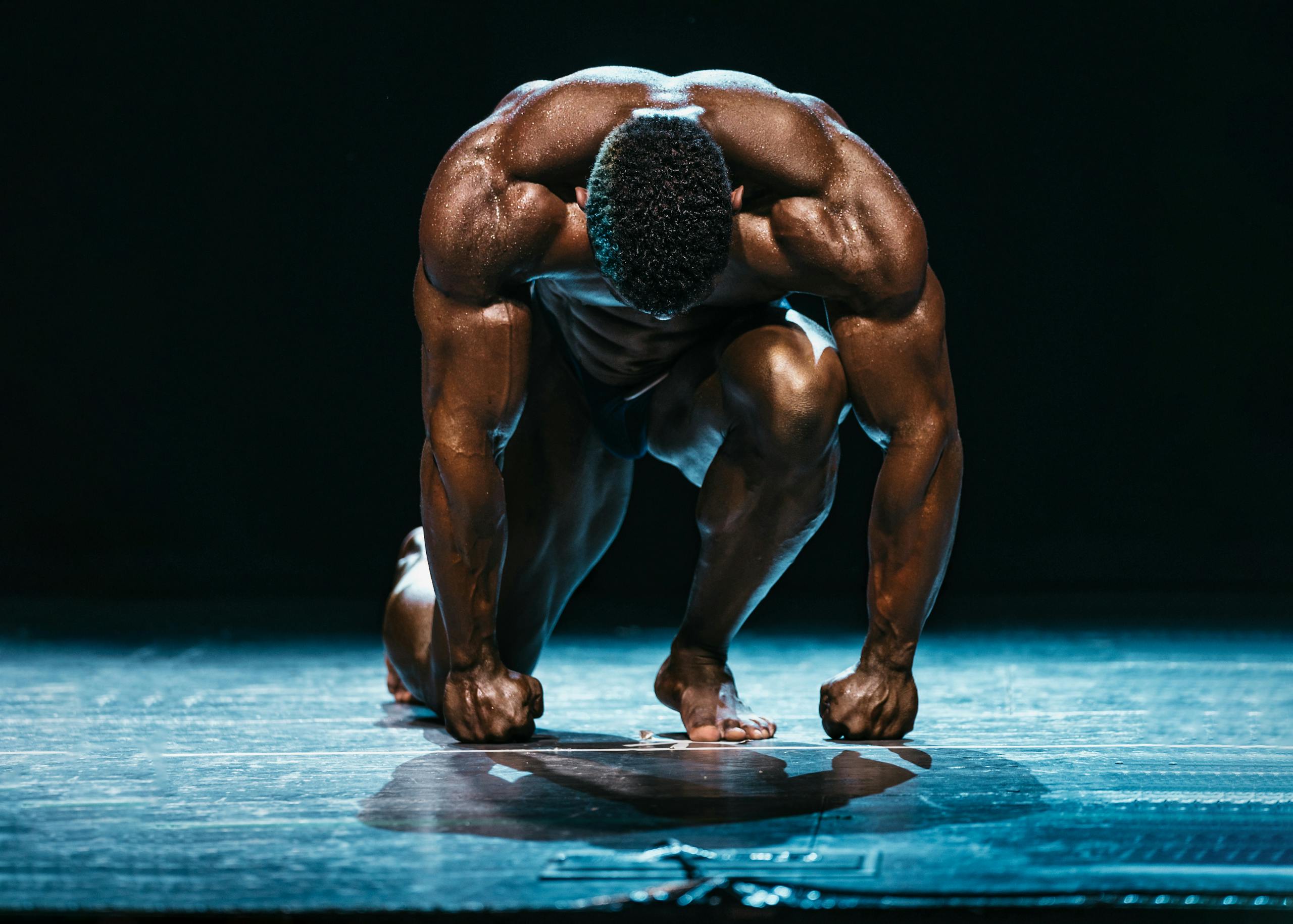
Franco Columbu was not an ordinary strongman. He was one of the most respected strength figures of his era, yet even he was not immune to a bizarre competition injury. During a refrigerator carrying event, one bad step sent him down and caused a serious leg injury.
The strange setup makes the story memorable, but the lesson is familiar. Odd object lifting adds chaos because the load does not behave like a balanced barbell.
The weight shifts, the body compensates, and one awkward step can ruin everything. Columbu recovered and went on to receive major recognition later in life, but that moment remains a reminder that strength does not cancel risk.
Conclusion
These weightlifting disasters are scary because they happened to people who were strong, trained, and often experienced. That makes the warning sharper.
The gym does not only punish beginners, it can punish anyone who lifts beyond control, skips safety basics, trusts the wrong spotter, or ignores technique under pressure.
Strength training still deserves respect as one of the best ways to build a stronger body when done correctly. The smarter approach is not fear. It is patience, coaching, proper warmups, controlled reps, safe equipment, and knowing when to walk away from a lift before the lift makes that decision for you.