The freezer aisle can feel like a lifesaver when you’re tired, hungry, and trying to get dinner on the table without spending hours in the kitchen. From frozen pizzas and chicken nuggets to vegetables and ready-made meals, there’s something for almost every craving.
But not everything behind those frosty glass doors deserves a spot in your shopping cart. Sometimes, the problem isn’t the food itself. It’s damaged packaging, questionable storage conditions, or a product that doesn’t offer much value for your money.
Before reaching for your usual frozen favorites, consider these 12 types of frozen foods worth a second look.
Frozen Vegetables Covered in Thick Ice
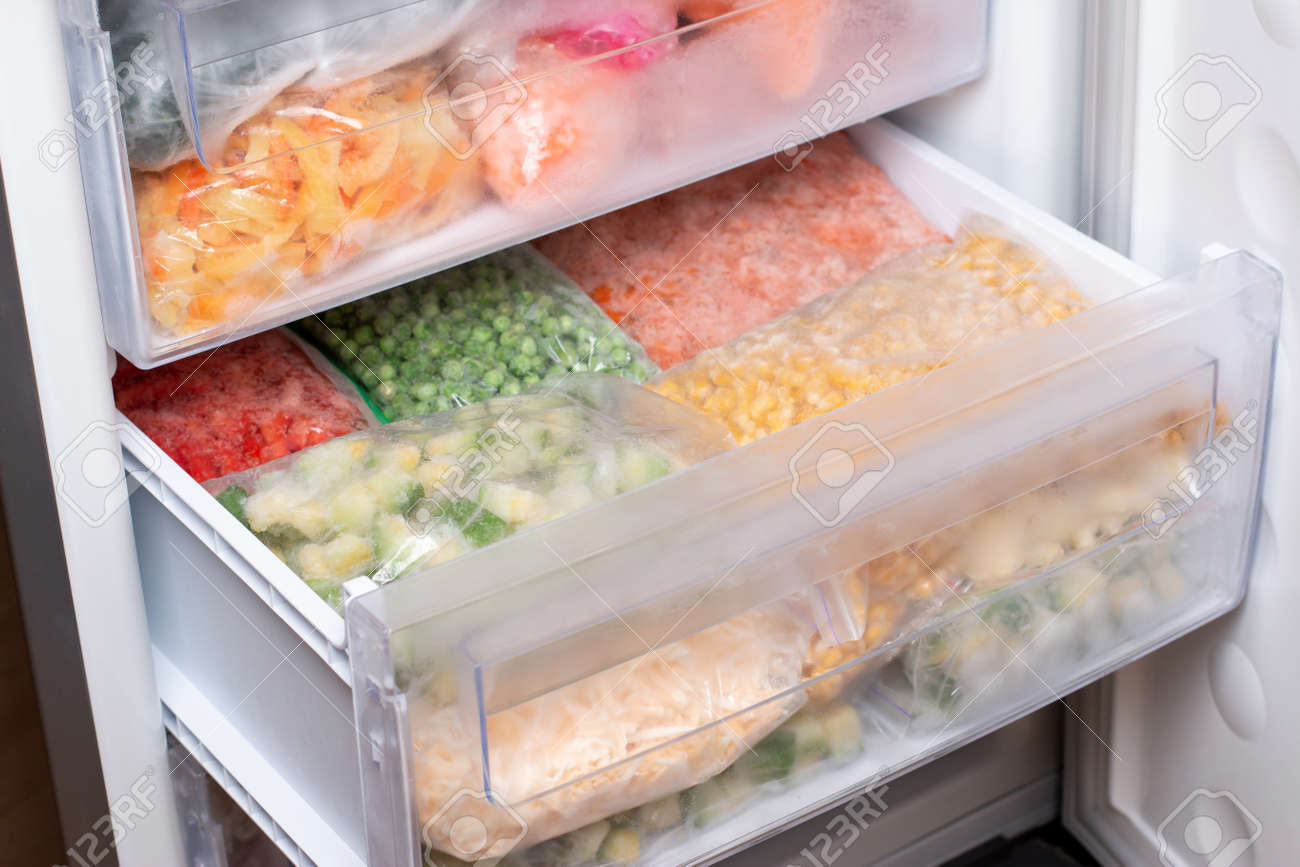
Frozen vegetables are convenient, affordable, and easy to incorporate into everyday meals. However, a bag containing excessive frost or vegetables frozen into one enormous block deserves a closer look.
Heavy ice buildup can sometimes indicate temperature fluctuations, damaged packaging, or moisture entering the bag.
According to the U.S. Department of Agriculture, large ice crystals can affect the texture of frozen foods.
A few ice crystals aren’t automatically a problem, but excessive frost can leave vegetables disappointing once cooked.
Choose bags that appear properly sealed and contain vegetables that move relatively freely.
Frozen Pizza With Damaged Packaging
Frozen pizza is a weeknight favorite, but a torn cardboard box or exposed inner wrapper should make you reconsider.
The cardboard box usually provides information and protection, while the inner packaging helps preserve the pizza’s quality.
If that protective wrapping has been punctured or torn, the pizza may be exposed to air, moisture, and unwanted freezer odors.
The USDA explains that inadequate packaging can contribute to freezer burn and declining food quality.
Choose a pizza with intact inner packaging rather than risking one that looks like it survived several rough shopping trips.
Frozen Chicken Nuggets With Excessive Freezer Burn
Chicken nuggets are practically a freezer staple in many American households.
They’re quick, familiar, and easy to serve with fries, vegetables, or dipping sauces. But nuggets covered in dry, discolored patches might not deliver the crispy dinner you’re expecting.
Freezer burn happens when moisture escapes frozen food, and the surface dries out.
The USDA emphasizes that freezer burn doesn’t automatically make food unsafe, but it can negatively affect flavor and texture.
If the packaging allows you to see extensive freezer burn, choose another bag. Nobody wants to pay full price for nuggets that taste like they’ve been forgotten for months.
Frozen Seafood in Torn or Leaking Bags
Frozen shrimp, fish fillets, and seafood mixes make preparing dinner surprisingly convenient.
However, seafood deserves extra attention when you’re examining packaging.
Avoid bags with visible holes, broken seals, or signs that liquid has escaped. Damaged packaging makes it harder to tell whether the contents were properly protected during storage.
A few ice crystals are normal, but unusual clumping, especially with damaged packaging, is another reason to choose a different product.
Look for securely sealed packages and seafood that remains completely frozen.
Frozen Meals With Crushed or Open Trays
Microwave dinners promise convenience, especially when cooking from scratch feels impossible.
Still, there’s a difference between a slightly dented cardboard sleeve and a meal with a broken tray or compromised protective film.
A damaged food tray can cause leaks during preparation, while a broken seal raises questions about how the product was handled.
Before adding a frozen dinner to your cart, check that the packaging is intact and the preparation instructions are still readable.
That extra moment of inspection could save you from discovering a messy surprise at lunchtime.
Frozen French Fries in Bags Full of Frost
Few freezer foods are as dependable as a bag of French fries. They’re easy to prepare and go with almost everything.
But fries that look heavily coated in frost or frozen into a solid mass may not cook as evenly as you expect.
Moisture and ice buildup can interfere with getting that satisfying crispy exterior.
Instead of grabbing the first bag you see, inspect the packaging for unusual frost accumulation.
A properly sealed package without excessive ice buildup is generally a better bet for achieving the texture you want.
Frozen Fruit With Large, Solid Clumps
Frozen strawberries, blueberries, mangoes, and mixed berries are useful for smoothies, desserts, and homemade sauces.
However, a bag containing one massive frozen lump may be less convenient than expected.
Clumping can happen when moisture causes individual pieces to stick together. It can also occur after partial thawing and refreezing, although clumping alone doesn’t prove that happened.
The USDA notes that properly handled foods can sometimes be safely refrozen, but their quality may decline.
For easier portioning, choose packages where the fruit appears individually frozen whenever possible.
Frozen Ice Cream That Looks Melted and Refrozen
Ice cream should be creamy, smooth, and enjoyable straight from the container.
Unfortunately, temperature fluctuations can ruin that experience.
A container showing signs of leakage, distorted packaging, or obvious melting and refreezing should be avoided.
When ice cream melts and refreezes, its texture can become coarse or icy as larger ice crystals form.
USDA emergency food guidance recommends discarding ice cream that has thawed during a power outage rather than refreezing it.
When shopping, pick a properly frozen container with intact packaging and no visible signs of leakage.
Frozen Burgers With Broken Seals
Frozen burger patties are useful for backyard cookouts, casual dinners, and last-minute meals.
However, packaging matters, especially when purchasing raw meat.
Avoid products with broken seals, exposed patties, or obvious packaging damage.
Protective wrapping helps limit exposure to air and preserves the quality of frozen meat.
Another consideration is whether the patties are completely frozen. If they feel noticeably soft or partially thawed in the store, select a different package and alert an employee.
Frozen Pasta Meals With Heavy Ice Buildup
Frozen lasagna, macaroni and cheese, and pasta dinners can turn an ordinary evening into an easy comfort-food occasion.
However, excessive ice buildup inside the package may signal changes in storage conditions or a poor seal.
These meals depend heavily on texture. Pasta can become unpleasantly soft, while sauces may separate after repeated temperature changes.
The USDA explains that freezing and thawing can affect food structure, particularly when large ice crystals form.
Choose frozen pasta meals with intact packaging and no unusual frost buildup.
Frozen Foods Stored Above the Freezer’s Load Line
This final warning isn’t about one particular food. It’s about where that food is sitting.
Some supermarket freezers have marked load limits indicating how high products should be stacked.
When packages are piled above those limits, they may not receive the intended airflow and temperature control.
The USDA recommends maintaining freezer temperatures at 0 degrees Fahrenheit or below for proper frozen storage.
If products sit above the freezer’s marked load line, choose items from a properly stocked compartment instead.
Even a bargain isn’t particularly attractive if you cannot feel confident about how the food has been stored.
Frozen Breakfast Sandwiches With Damaged Wrappers
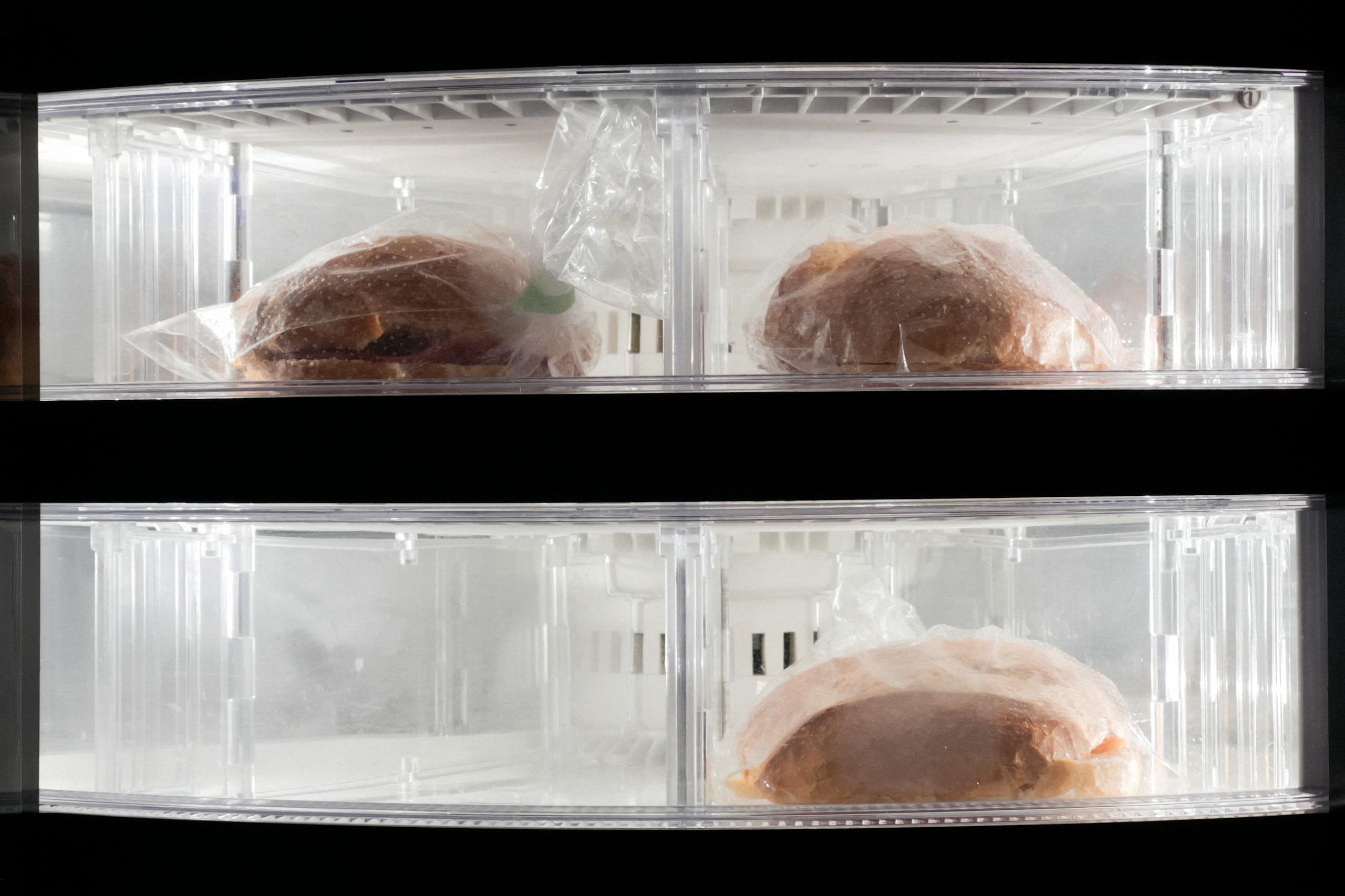
Frozen breakfast sandwiches are popular because they make busy mornings easier.
But individually wrapped sandwiches lose some of their convenience when the wrappers are torn or improperly sealed.
Exposed bread can dry out during freezer storage, and damaged packaging may let unwanted odors affect the meal.
Inspect the outer box and, when visible, the individual wrappers.
There’s no reason to settle for damaged packaging when a properly sealed alternative is sitting nearby.
The Bottom Line
The freezer aisle still offers plenty of convenient, budget-friendly options, and there’s no reason to avoid frozen foods altogether.
The smartest approach is to inspect packages, watch for unusual frost buildup, and choose products that have been stored properly.
Remember, ice crystals and freezer burn don’t automatically mean food is unsafe. Temperature history matters, and appearance alone cannot always establish safety.
A few extra seconds of attention can help you avoid disappointing purchases and bring home frozen favorites that are actually worth your money.
Post You May Like
5 Frozen Pizzas You Should Avoid Due to Serious Cancer Risks