Across America, the housing crisis is no longer just a political issue. It is a dinner table problem, a paycheck problem, a family problem, and a future problem.
For millions of Americans, the old promise sounds almost cruel now: work hard, save money, buy a home, raise a family, and build a better life. That promise still exists on paper, but in real life, it is slipping away from people who did almost everything right.
In places like Sacramento and across California, the pressure is especially clear. But the same pain is being felt in cities, suburbs, and small towns across the country. Rent is too high. Mortgage payments are too heavy.
Starter homes are disappearing. Young adults are stuck. Parents are stretched thin. Seniors are afraid of being priced out. This is not just about housing. It is about whether ordinary Americans can still afford stability.
The American Dream Now Feels Like a Monthly Payment Trap

For decades, homeownership was sold as the reward for discipline. Get a job. Build credit. Save for a down payment. Buy a modest home. Grow from there. Today, that ladder is missing its first steps.
Many families are not looking for mansions. They are looking for safe homes, decent schools, reasonable commutes, and payments that do not swallow their entire paycheck. But even modest homes now come with painful price tags, high interest rates, property taxes, insurance costs, repairs, and closing fees.
The result is a bitter reality: people can be employed, responsible, and careful with money and still feel locked out.
That is why the housing crisis feels so personal. It makes hard work feel less powerful than timing, wealth, and luck.
Renters Are Paying More but Moving Further From Freedom
Rent used to be a temporary step for many people. Today, it feels like a financial cage.
Millions of renters are paying so much each month that saving for a down payment becomes almost impossible. Every rent increase pushes the dream of ownership farther away. Every renewal letter brings stress. Every moving cost becomes another setback. Many renters are not living beyond their means. Their means are being swallowed.
After rent, utilities, groceries, gas, insurance, student loans, childcare, and medical bills, there is often little left. People are told to save more, but there is nothing magical to save.
This is one of the cruelest parts of the crisis: the people who need housing stability the most are often paying the highest price for never getting it.
Starter Homes Are Vanishing From the Market
The starter home used to be simple. It did not need granite counters, luxury finishes, or a perfect location. It just needed to be affordable enough for a first time buyer to begin. Now, starter homes are disappearing.
Some are bought by investors. Some are flipped into higher-priced homes. Some are demolished or replaced. Some are priced up because too many buyers are chasing too few properties.
This leaves young families trapped between expensive rent and impossible home prices. They are too stable to qualify for some assistance, but not wealthy enough to compete in the market. That middle group is getting crushed.
America cannot keep calling homeownership a dream while removing the homes that made the dream possible.
Middle Class Families Are Being Forced Into Survival Mode
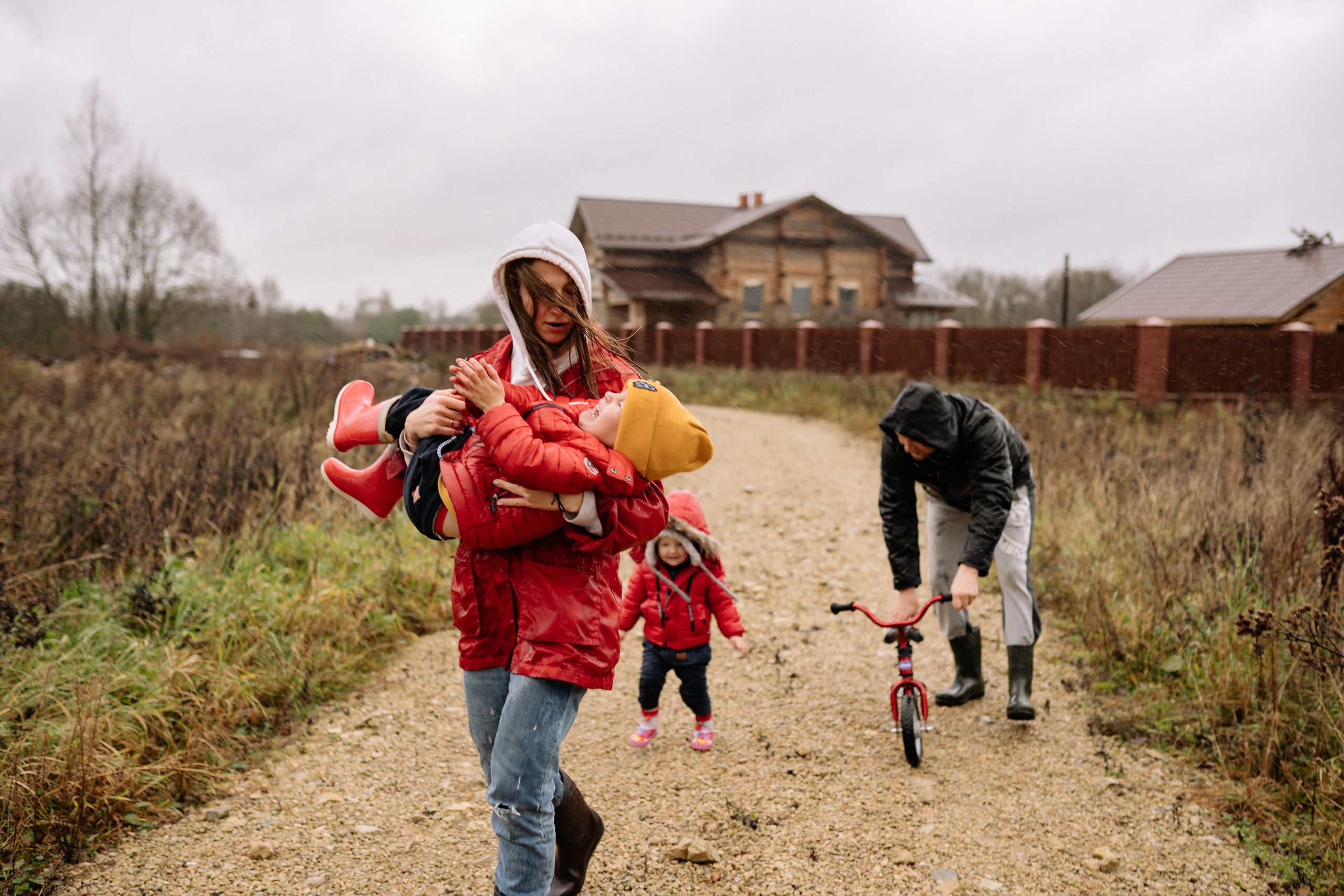
The housing crisis has changed what it means to be middle class.
A family may have two incomes and still feel broke. They may own a car, pay bills, and look fine from the outside, but inside the budget, there is no breathing room.
One car repair can become a credit card balance. One medical bill can wreck the month. One rent increase can force a move. One job loss can turn stability into panic.
This is the new American squeeze.
Families are not just budgeting for comfort anymore. They are budgeting to avoid falling. Housing has become the biggest weight on the household budget, and it is pressing everything else down with it.
Workers Can No Longer Afford the Communities They Serve
One of the most frustrating parts of the housing crisis is that many essential workers cannot afford to live near their jobs.
Teachers, nurses, restaurant workers, warehouse employees, police officers, firefighters, retail workers, and public employees often keep communities running. But many of them are being pushed farther away from those same communities because housing costs too much.
That creates longer commutes, more traffic, more stress, and less family time.
It also weakens local economies. Businesses struggle to hire. Schools lose staff. Hospitals face shortages. Small employers compete with housing costs they cannot control.
A city that cannot house its workers is building failure into its future.
Seniors Are Getting Trapped in Homes They Cannot Leave
The housing crisis not only hurts young families. It also traps older Americans.
Some seniors own homes but struggle with repairs, taxes, insurance, and maintenance. Others rent and fear the next increase. Many would like to downsize, but smaller homes or apartments are often too expensive.
So they stay put, even when the home no longer fits their life.
This creates another housing bottleneck. Larger homes do not open up for families. Seniors do not get better options. Younger buyers remain stuck. Everyone waits.
A healthy housing market should allow people to move when life changes. Today, many Americans feel trapped by the cost of moving.
Building Costs Are Making New Homes Too Expensive Before Anyone Moves In
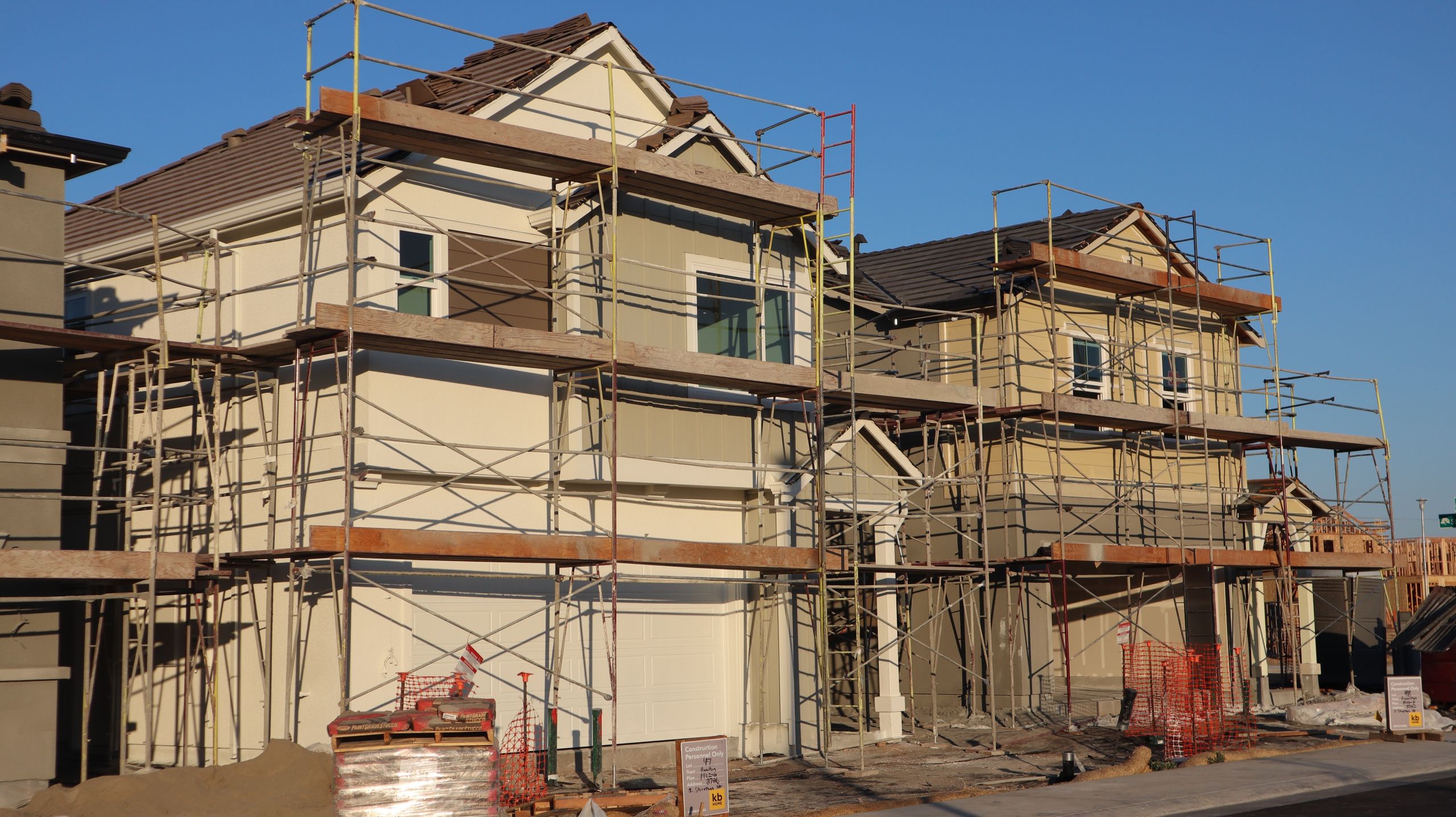
Many people blame builders, landlords, or buyers for the crisis. But the cost problem often begins long before a home is finished.
Land is expensive. Materials are expensive. Labor is expensive. Financing is expensive. Insurance is expensive. Local fees can add even more pressure.
Some fees are needed for roads, schools, parks, utilities, and public services. But when every cost gets loaded onto a new home, the final price becomes harder for regular families to afford.
That means fewer homes get built. Fewer homes mean more competition. More competition means higher prices. The cycle keeps feeding itself.
America needs a housing policy that understands a simple truth: a home cannot become affordable if every step of building it makes it more expensive.
Slow Permits Are Quietly Raising Prices
Permitting delays may sound boring, but they are one of the hidden costs behind expensive housing. When a project sits for months or years waiting for approval, costs keep growing. Loans cost more. Materials may rise. Workers move on. Plans get changed. Legal and consultant fees increase.
Those costs do not disappear. They show up later in the rent or sale price. Cities should protect safety, design, and community standards. But delay should not become a quiet way to block housing.
If a project follows the rules, the approval process should be clear, fair, and fast. Families should not pay higher housing costs because paperwork moved too slowly.
Luxury Housing Alone Will Not Save Ordinary Americans
Many Americans get angry when they see new apartments advertised as “luxury.” That anger is understandable.
People are struggling to afford basic housing, and the market keeps showing them rooftop lounges, premium finishes, and rent prices they cannot touch.
But the deeper problem is not only luxury housing. It is the lack of enough housing at every level.
America needs affordable rentals, starter homes, duplexes, townhomes, small apartments, accessory dwelling units, senior housing, workforce housing, and family-sized homes. A healthy market needs choices.
When cities build too little for too long, even older and ordinary homes become expensive. The answer is not to build only one type of housing. The answer is to build enough homes for real people with real budgets.
The housing crisis is breaking something deeper than budgets. It is breaking confidence. When people work hard and still cannot afford rent, they lose peace. When young families cannot buy starter homes, they lose hope. When seniors cannot move, they lose freedom. When workers cannot live near their jobs, communities lose strength.
This crisis did not happen overnight, and it will not be fixed overnight. But waiting has already cost families too much. America needs more homes, faster approvals, fairer costs, stronger affordable housing programs, and leaders willing to make hard choices instead of safe speeches. The country does not have a shortage of housing talk. It has a shortage of housing action