Midland woke up Friday to the kind of violence that turns familiar streets into crime scenes and routine mornings into lifelong trauma. What began near West Wall Street became a deadly active shooter response, an hours-long standoff, and another painful reminder that danger can move through a city before most residents understand what is happening.
But the deeper question is not only what happened on June 12. It is how a man who was already wanted after allegedly firing at a police officer two days earlier ended up at the center of another violent confrontation that killed Edward Randall Scott, injured 10 others, and left a West Texas community searching for answers.
A city street became the center of a public safety crisis.
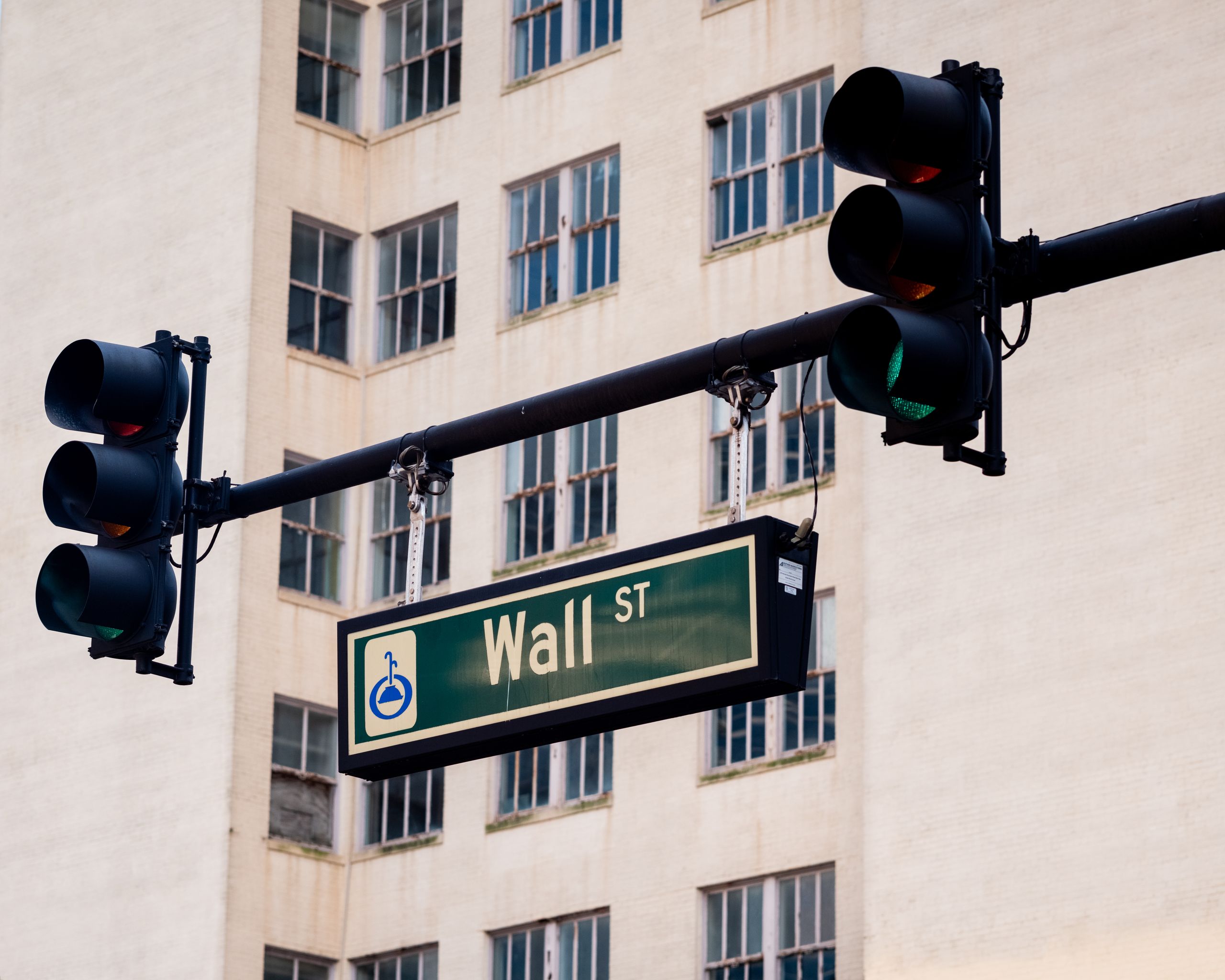
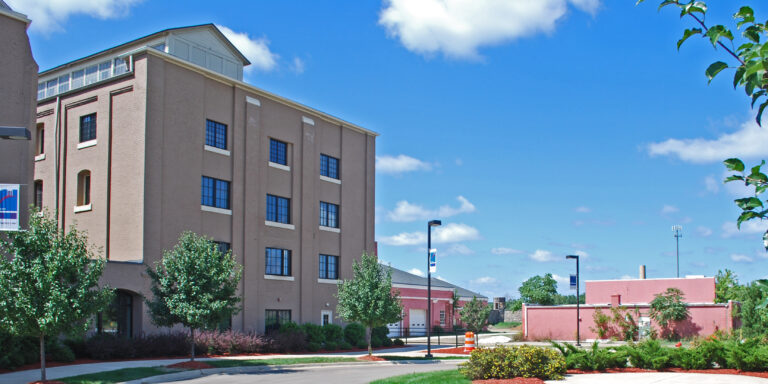
Authorities said law enforcement responded around 8 a.m. to reports of an active shooter in the 4600 block of West Wall Street. That area is not some hidden back road far from daily life. It sits near businesses, traffic routes, and workday routines that many Midland residents know well.
When officers arrived, officials said the suspect, identified as Victor Mata Villarreal of Odessa, opened fire at officers and bystanders before barricading himself inside an abandoned veterinary clinic. The response quickly grew beyond a single agency, with local, state, and federal partners converging on the area as residents were told to stay away.
The suspect was later found dead inside the building after a standoff. Officials said no law enforcement officers were injured, but the damage to civilians had already been done.
The timeline before Friday now matters
The most troubling part of this story is what happened before the mass shooting. Authorities said Villarreal had been wanted for attempted capital murder of a peace officer after allegedly firing multiple shots at a Midland police officer during a vehicle pursuit on Wednesday, June 10.
That detail changes the shape of the story. This was not a suspect unknown to law enforcement at the time of the Friday shooting, according to officials. He was already being sought in connection with a violent encounter involving police.
That makes the days between June 10 and June 12 central to the public conversation. Residents will want to know what warnings existed, how wide the search was, what information was shared, and whether more could have been done before a wanted suspect allegedly opened fire again.
The victim was more than a number.
The man killed was identified as Edward Randall Scott, 62, of Midland. City officials described him as a city employee, a husband, a father, and someone involved with local and regional softball organizations.
That detail matters because mass shootings often become numbers too quickly. One dead. Ten injured. One suspect is deceased. But behind the count was a local worker whose life was woven into the same community now trying to grieve him.
For Midland, Scott’s death lands inside City Hall, local parks, sports fields, and family circles. It is not only a crime story. It is a community loss that will be felt by people who knew him from work, from games, from everyday kindness, and from the quiet roles that keep a city moving.
The hospital became part of the emergency.
Midland Memorial Hospital also became part of the crisis response as victims arrived for treatment. Officials said several people required surgery, while others were listed in stable condition or later discharged.
In a mass-casualty event, hospitals become more than just medical buildings. They become reunification points, information centers, and emotional waiting rooms for families who do not yet know whether their loved ones are safe.
That is why the local impact spreads beyond the shooting scene. It reaches emergency rooms, chapels, dispatch centers, police units, nearby businesses, and households waiting for updates while roads are closed and rumors move faster than official briefings.
Investigators now need the public’s help.
The Texas Rangers are leading the investigation, and officials are asking anyone with video, photos, dash-camera footage, security-camera recordings, or other images from the area to submit them for review.
That request shows the case is still being pieced together. Investigators are not only looking at the moment shots were fired. They are working to build a timeline, understand movement around West Wall Street and Industrial Avenue, and determine what evidence may explain the full chain of events.
For residents and business owners, that means even ordinary footage could matter. A camera facing a parking lot, a dashboard recording from a nearby road, or a phone video taken during the confusion could help establish what happened before, during, and after the attack.
Midland is grieving, but it is also asking what comes next.
After the shooting, Midland leaders called for prayer, patience, and support for the victims. That response is natural in a city hit by sudden violence. People gather, check on neighbors, mourn the dead, and thank first responders who ran toward danger.
But grief does not erase the need for answers. Midland deserves a clear accounting of the timeline, the manhunt, the response, the road closures, the public alerts, and the decisions made between the June 10 officer incident and the June 12 shooting.
The story is not finished simply because the suspect is dead. For the families of the injured, for Edward Randall Scott’s loved ones, and for a city that has seen mass violence before, the next phase is about truth, accountability, and whether any lesson from this tragedy can prevent another one.