The holiday table can look wonderfully familiar, until you discover that some foods come with rules, restrictions, or even outright bans depending on where you live. A few of these foods are traditional favorites, while others are international delicacies that can run into state or federal regulations.
Eggnog Made With Raw Milk
That creamy glass of holiday eggnog can become a legal gray area when the recipe includes raw milk.
Raw milk isn’t treated the same way everywhere in the United States. The FDA prohibits interstate sales of raw milk, while states decide on intrastate sales; some states currently prohibit raw-milk sales, while others allow them in some form.
That means a homemade holiday recipe using unpasteurized milk can be perfectly legal in one place and restricted in another. For anyone buying farm-fresh ingredients for Christmas recipes, it is worth checking the rules surrounding raw milk rather than assuming every carton is treated the same.
Traditional Scottish Haggis
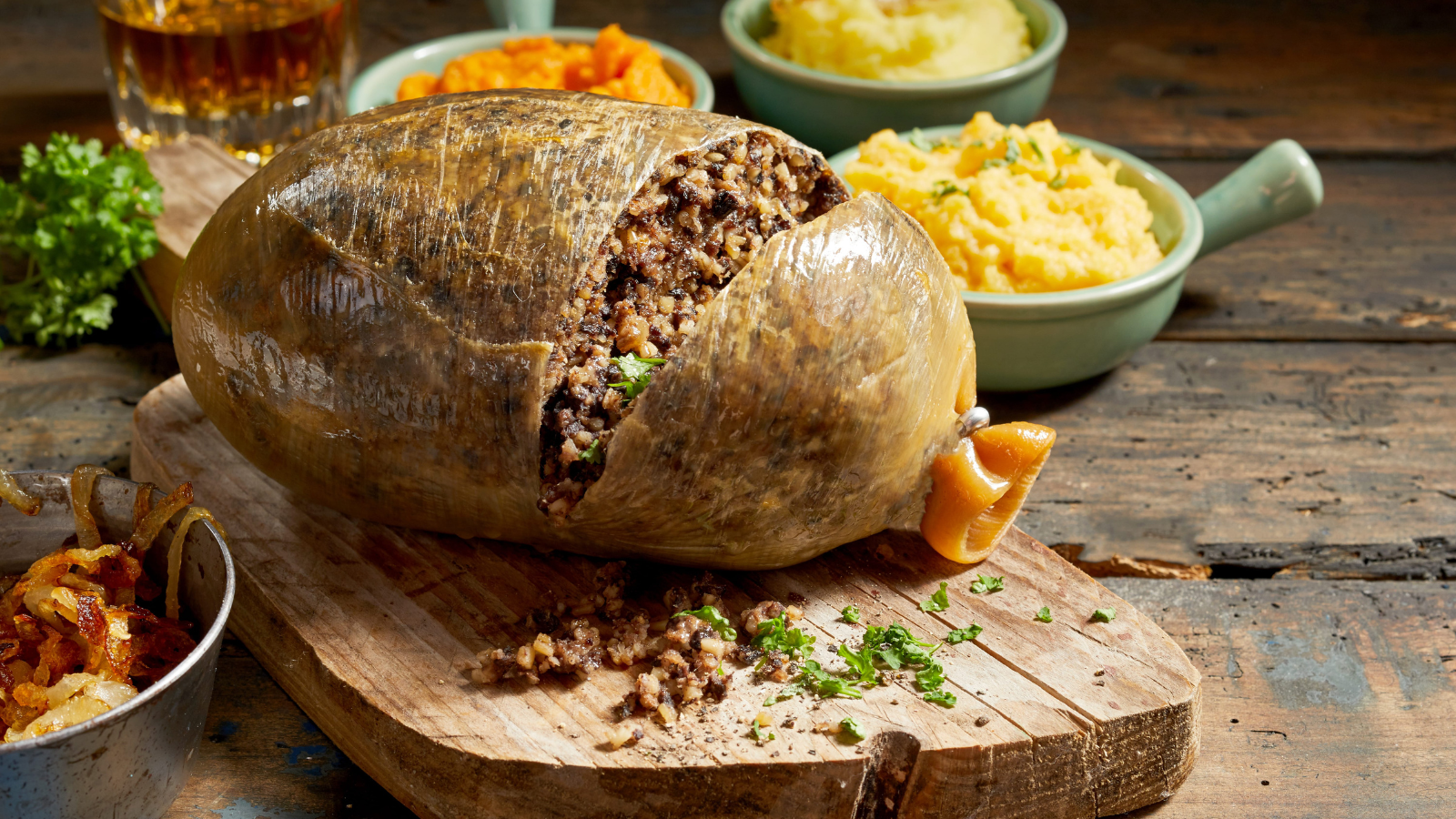
Haggis may be one of the world’s most famous Scottish dishes, but bringing the traditional version into America is a different story.
Traditional haggis is made using sheep’s offal, including organs, along with oatmeal, onions, and seasoning. The problem isn’t the oats or spices, it is the animal ingredients and the restrictions on certain meat products entering the United States.
So while a restaurant may serve an American-made version, bringing the traditional product home from an overseas Christmas trip can be much more complicated.
Related: 9 Things to Put Away Before Holiday Houseguests Arrive
Foie Gras
Few holiday foods create as much controversy as foie gras, especially when animal-welfare laws enter the conversation.
Foie gras is made from the enlarged liver of ducks or geese and has long appeared on upscale holiday menus. Its legal history in the United States is complicated, however, with restrictions that vary by jurisdiction and change over time.
That makes it a poor example of a food that is “banned everywhere.” The better takeaway is that foie gras has faced significant legal restrictions in some places, so its availability can depend on local law.
Shark-Fin Dishes
A bowl of shark-fin soup may sound like an exotic holiday delicacy, but detached shark fins face major U.S. restrictions.
Federal law now prohibits the possession, sale, purchase, and transportation of detached shark fins and products containing them, with narrow exceptions.
So this is one holiday food on our list where the restriction is much clearer than a simple state-by-state difference. Because the rules tie to shark conservation, the traditional dish is increasingly difficult to serve legally in the United States.
Horse Meat Dishes
Horse meat occupies a particularly unusual place in American food culture: it exists as food elsewhere, but Americans generally do not encounter it on ordinary holiday menus.
The legal situation surrounding horse meat has changed over the years, and federal funding restrictions have affected inspections and commercial processing. That means the question is more complicated than simply asking whether eating horse meat is “illegal.”
For travelers, restaurants, and food businesses, local and federal regulations can matter a lot.
Certain Imported Cured Meats
That beautiful European charcuterie board may contain ingredients that cannot simply be packed into a suitcase and brought home.
USDA restrictions can prevent travelers from bringing certain cured meats into the country depending on their origin and the disease situation there. For example, APHIS currently says travelers cannot bring certain prosciutto, Serrano ham, Iberian ham, and salami from specified European countries into the United States as personal baggage.
That matters during the holidays, when specialty meats often become souvenirs or gifts. The safest move is to check the current requirements for bringing meat products into the United States before packing that expensive charcuterie.
Raw Milk Holiday Cheese
A beautiful wedge of farmhouse cheese can be legitimate in one situation and restricted in another.
Raw-milk cheese has a complicated regulatory history in America, with rules governing production, aging, and interstate commerce. Some traditional cheeses can be legally sold when they meet federal requirements, while others may face restrictions depending on how and where they were produced.
The important distinction is that “raw milk” does not automatically mean “illegal cheese.” The details matter.
Imported Holiday Foods Containing Meat or Egg
Sometimes the problem isn’t the holiday food itself, it is one ingredient hiding inside it.
Holiday travelers may bring home mooncakes, pastries, sausages, pies, or specialty desserts without realizing that meat, egg, or dairy ingredients can trigger agricultural restrictions. APHIS says many agricultural products must be declared when entering the United States, and inspectors ultimately determine whether an item can enter.
Some commercially packaged foods are allowed under specific conditions, while others are not. That is why checking the latest entry requirements for food brought home from abroad can save a holiday souvenir from ending up in the trash.
The Holiday Table Has More Rules Than You Think
Food traditions travel surprisingly far, but the laws surrounding them don’t always travel with them.
A dish can be perfectly ordinary in one country, restricted in one American state, and subject to completely different rules when someone tries to import it. That is part of what makes food history so fascinating: recipes are shaped not only by taste and tradition, but sometimes by agriculture, public health, conservation and law.
If the holidays have you thinking about the foods we put on the table, these simple everyday habits and surprising superfoods are worth exploring, too.
So, which of these foods surprised you most, and is there a traditional holiday food you’ve discovered is restricted or difficult to buy where you live?