A sushi first-date fail can start with one small lie and end in a public debate about modern dating standards. That is what happened after a Chicago woman shared a story about meeting a man at Blue Sushi Sake Grill, only to realize at the table that he did not actually understand sushi, the menu, or the risk of pretending to like something he clearly did not know.
We can laugh at the awkwardness, but the reason this story traveled so quickly is simple. Many people have lived some version of it. Maybe it was not sushi. Maybe it was wine, art, travel, books, fitness, faith, or career ambition. The real issue was not that he had limited experience with food. The real issue was that he performed confidently before the date, then arrived unprepared, confused, and comfortable letting someone else manage the embarrassment.
The woman, Lois, shared that she and her date both claimed to like sushi before choosing Blue Sushi Sake Grill. On paper, that sounds like an easy first-date plan. Sushi restaurants usually give people room to talk, share plates, laugh over menu choices, and figure out whether the chemistry is real.
The problem began when the waiter arrived. Instead of ordering with confidence, the man froze. He appeared unfamiliar with sushi, was unsure about the menu, and was unable to explain which flavors he liked in a way that would help the server guide him. That moment changed the tone of the date because it exposed the gap between what he claimed before the meeting and what he actually knew once they sat down.
This Was Not Really About Sushi
The viral reaction focused heavily on sushi, ham sandwiches, and the strange energy of the waiter trying to help a grown man through a menu. But the deeper issue was honesty. First dates run on small signals, and food choices often reveal more than people expect.
When someone says they like sushi, we assume they have at least some basic comfort with it. They do not need to know every roll, every fish, or every sauce. They only need to be honest enough to say, “I have not eaten much sushi, but I would love to try what you recommend.” That one sentence would have turned the whole situation around.
Instead, the lie created a trust problem before the food even arrived. If someone bends the truth about something as harmless as sushi, we start wondering what else they are lying about. First dates do not require perfection, but they do require enough honesty to make the other person feel like they are meeting a real person, not a character built for approval.
The Ham Sandwich Answer Became the Internet’s Favorite Red Flag
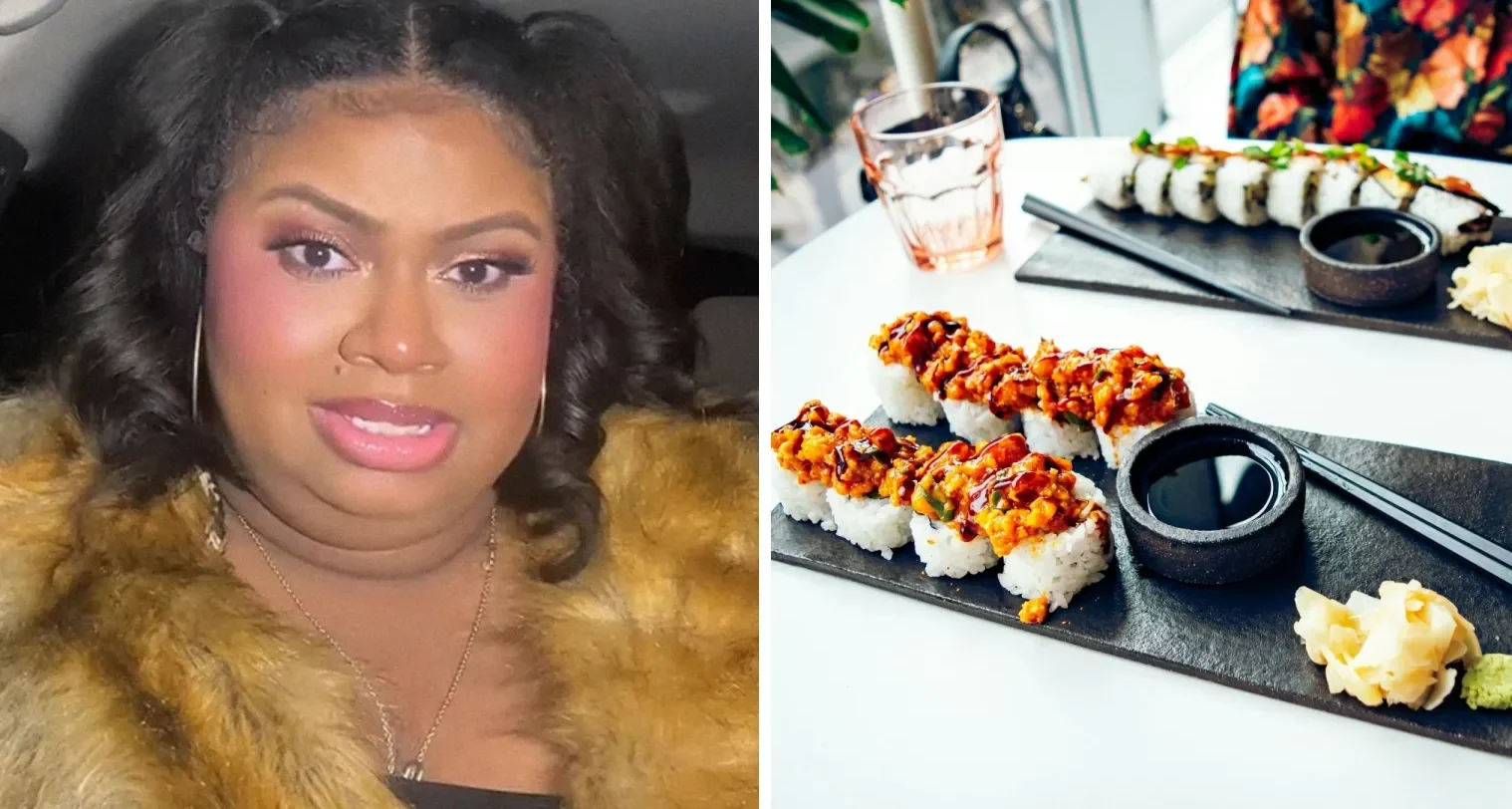
When the waiter reportedly asked what kind of food he liked, the man did not name flavors that translated easily to sushi. He mentioned foods like ham sandwiches, lemon pepper wings, and sweet potato fries. That answer became the detail that made viewers lose it.
The reaction makes sense because it sounded less like a preference and more like a panic response. The waiter was likely trying to understand whether he preferred spicy, savory, sweet, crunchy, cooked, or mild options. Instead, the answer made the situation feel even more disconnected from the restaurant they were sitting in.
This is why the story became bigger than one awkward date. People were not just reacting to a man who did not know how to make sushi. They were reacting to a man who seemed unprepared to participate in the setting he had agreed to. In dating, effort often shows up in tiny ways. Looking at the menu beforehand is one of them.
Low-Effort Dating Is What Made the Story Hit So Hard
The phrase “low-effort dating” gets thrown around often, but this story gives it a very visible shape. Low effort does not always mean refusing to pay, forgetting plans, or texting badly. Sometimes it means arriving at a date without doing the smallest amount of preparation, then expecting the other person to smooth everything over.
We can see why Lois felt embarrassed. She was not only trying to enjoy the date. She suddenly had to manage the server’s confusion, the man’s lack of awareness, and the public awkwardness of sitting across from someone who had misrepresented himself. That is emotional labor on a first date, and many people are tired of it.
A person does not need to be cultured in every area to be attractive. Curiosity can be attractive. Humility can be attractive. Admitting ignorance can even be charming. But pretending, freezing, and letting someone else rescue the night is rarely charming.
The Date Could Have Been Saved With One Honest Sentence
The most frustrating part of the sushi first date fail is how easily it could have gone differently. He could have said, “I have actually never had much sushi, but I wanted to try it with you.” That would have shown honesty, curiosity, and a willingness to share a new experience.
Instead, the situation became a performance collapse. Once the waiter started asking questions, the truth came to light. That is why the lie felt worse than the lack of knowledge about sushi. He did not simply lack experience. He created a false impression and then expected the date to survive the reveal.
This matters because first dates are fragile. People are looking for comfort, rhythm, honesty, humor, and shared effort. A small awkward moment can be cute when it is handled with self-awareness. It becomes a red flag when the person acts helplessly, defensively, or carelessly.
Being Uncultured Was Not the Real Problem
The word “cultured” appeared in the online reaction, but we should not confuse cultural experience with human value. A person can be wonderful and still know nothing about sushi. Someone can prefer wings and fries and still be intelligent, kind, generous, and emotionally mature.
The issue was not his food background. The issue was the mismatch between confidence and preparation. If he knew he did not understand sushi, he had options. He could have checked the menu. He could have asked questions before the date. He could have admitted he was new to it. He could have suggested another restaurant where both people felt comfortable.
Dating becomes exhausting when people pretend to match interests just to get through the door. We are not building a real connection when we fake compatibility. We are delaying disappointment.
The Tip Detail Made the Date Sound Even Worse
Lois also suggested that the man ask whether four dollars was enough for the tip. That detail added another layer to the conversation, prompting viewers to question the gap between image and behavior. If someone presents themselves as confident and impressive, then acts cheap or unaware at the table, the date can start to feel like a full audit of character.
Tipping culture is already a tense topic, especially in restaurants where servers depend on tips as a major part of their income. On a first date, the way someone treats service workers can reveal patience, respect, generosity, and basic social awareness.
Again, the issue is not wealth. Many people date on a budget. A thoughtful person can plan an affordable date and still make it feel respectful. The red flag appears when someone chooses a restaurant, shows confidence, creates embarrassment, and then seems unsure about basic dining etiquette.
First Date Red Flags Often Hide in Small Moments
Big red flags are easy to spot. Cruel comments, rude behavior, obvious dishonesty, and disrespect usually speak loudly. Small red flags are trickier because they arrive dressed as awkward moments. That is why this sushi story caught people’s attention.
A person who lies about liking sushi may seem harmless. But the deeper pattern can be revealing. They may care more about impressing someone than being truthful. They may expect others to fix problems they created. They may lack curiosity, preparation, or humility. They may treat a first date like a performance instead of a real meeting.
We should not turn one awkward meal into a full character trial. Still, people can quickly notice patterns. A first date is not a marriage contract. It is a moment of screening, and sometimes the smallest details tell us enough.
Honest Curiosity Beats Fake Sophistication Every Time
The internet reaction also shows a better path for anyone afraid of seeming inexperienced. Honesty is usually more attractive than fake sophistication. A person who says, “I have never tried this before, but I am open to learning,” can foster warmth rather than discomfort.
That kind of honesty gives the other person a chance to guide, laugh, share, and connect. It turns unfamiliarity into a shared experience. It also shows emotional maturity because it proves the person does not need to pretend to be perfect.
People do not need partners who have eaten every cuisine, visited every city, read every book, or mastered every social setting. Many people simply want someone honest enough to say what they know, what they do not know, and what they are willing to learn.
This Viral Sushi Date’s Lesson About Modern Dating
This story landed because modern dating already feels full of exaggerated profiles, inflated interests, recycled charm, and low-effort conversations. People are tired of discovering the truth only after they have dressed up, traveled across town, sat down, ordered drinks, and tried to make a stranger feel comfortable. The real warning is simple: if someone cannot be honest about something small, the date may be built on a much bigger lie.
The sushi date became a symbol of that frustration. It was not a disaster because someone lacked knowledge. It was a disaster because the truth arrived after the plan had already been built around a lie. That is why so many viewers felt secondhand embarrassment.
We can read this as a funny story, but it also gives a useful dating lesson. Do not pretend to love something just because the other person loves it. Say you are curious. Say you are new to it. Say you are open. Real confidence does not need a fake menu history.