Walmart says lower-income shoppers are showing signs of stress as gas prices jump 40.5%, food costs remain high, and families rethink every cart.
A Walmart trip now begins before shoppers ever reach aisle 1. With regular gas sitting near $4.15 a gallon, up from about $3.12 one year ago, many families are already spending more before they even park the car.
That is why Walmart’s latest warning feels bigger than one retail headline. Sam’s Club members are averaging about 9.8 gallons per fuel purchase, while Walmart says it has rolled back prices on about 7,200 items to keep shoppers close.
The deeper story is not just that Walmart’s lower-income shoppers are stressed. It is that gasoline rose 40.5% over 12 months, energy costs climbed 23.5%, and overall inflation hit 4.2% in May, turning ordinary errands into financial math.
The Pump Is Now Part of the Grocery Bill
For millions of Americans, gas is no longer a separate expense. A 10-gallon fill-up at today’s average price can cost more than $41, money that might otherwise have gone toward meat, diapers, lunchbox snacks, or cleaning supplies.
That is what makes the 9.8-gallon Sam’s Club number so revealing. When shoppers buy smaller amounts more often, it can signal that families are managing cash in $30 and $40 chunks instead of filling the tank without thinking.
A worker driving 100 miles a week in a car that gets 20 miles per gallon now burns about 5 gallons just getting around. At roughly $4.15 per gallon, that commute can take more than $20 out of the weekly budget before groceries are even considered.
Walmart Is Winning While Some Customers Are Weakening
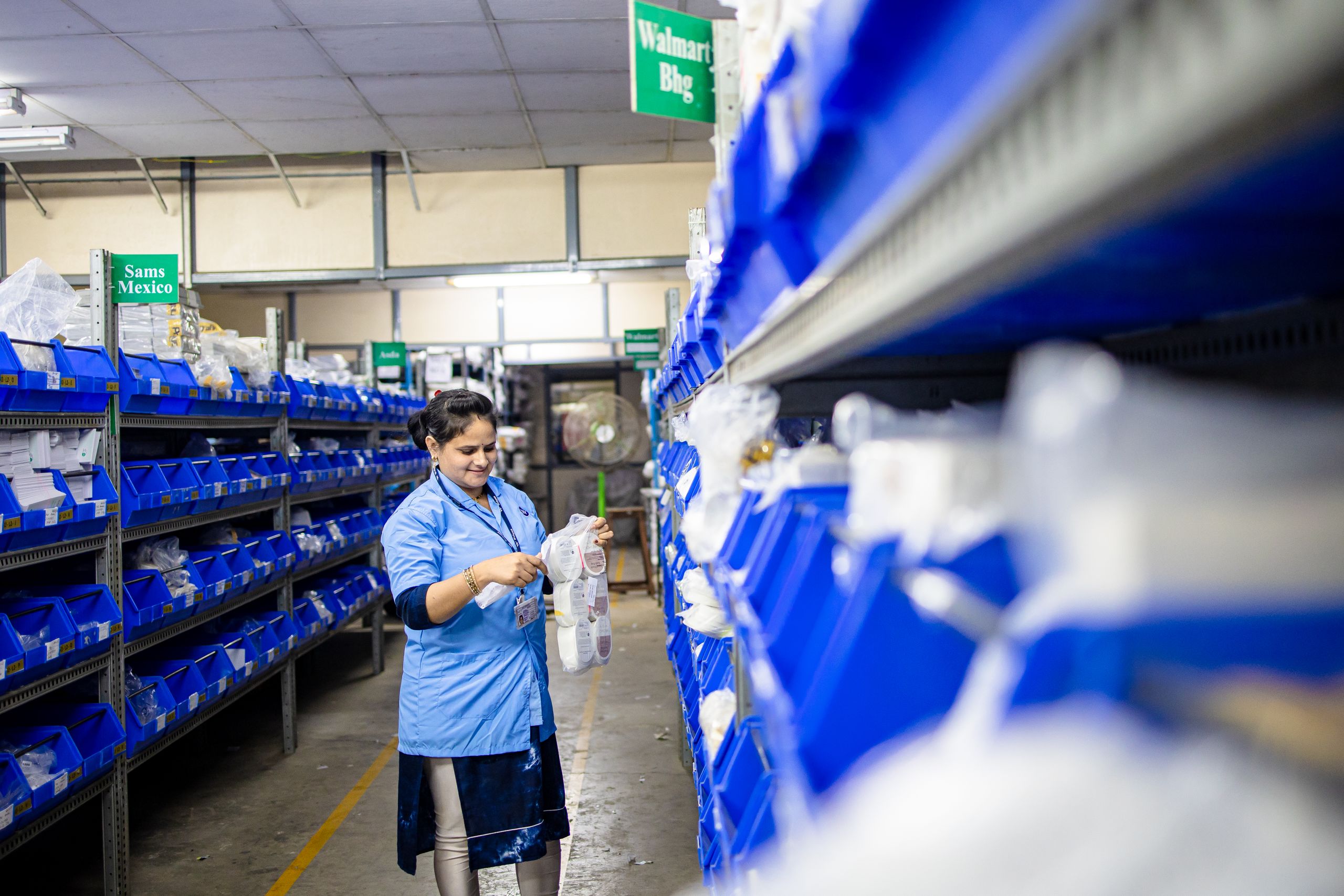
Walmart itself is not acting like a company in trouble. Its Q1 fiscal 2027 revenue rose 7.3%, operating income rose 5.0%, and global eCommerce jumped 26%, showing that the retail giant is still pulling shoppers in.
But that strength hides a split-screen economy. Walmart U.S. eCommerce also grew by 26%, and more than 36% of store-fulfilled delivery orders arrived in under 3 hours, helping attract busy, higher-income households that value both price and convenience.
That makes the warning more important, not less. Walmart has about 5,200 U.S. stores and clubs within 10 miles of roughly 90% of the population, so stress inside its aisles can say a lot about the country’s mood.
Rollbacks Help, but They Cannot Fix Everything
Walmart’s 7,200 rollbacks matter because shoppers are hunting for relief one shelf tag at a time. For a family making 1 big weekly grocery trip, even small price cuts can decide whether an item stays in the cart or goes back.
The problem is that many essentials are still elevated. Food at home rose 2.7% over the past year, fruits and vegetables rose 6.1%, nonalcoholic beverages climbed 5.8%, and shelter costs increased 3.4%.
Energy is doing the heaviest damage. In May alone, gasoline rose 7.0% on a seasonally adjusted basis, and energy accounted for more than 60% of the monthly increase in the overall consumer price index.
The Job Market Looks Strong, but Paychecks Feel Smaller
The U.S. added 172,000 jobs in May, and unemployment held at 4.3%, so the economy does not look broken from a distance. People are still working, hiring has not collapsed, and many stores are still busy.
But paychecks are losing some of their punch. Average hourly earnings rose 3.4% over the year, while consumer prices rose 4.2%, leaving workers with a gap of about 0.8 percentage points between wage growth and inflation.
That gap is where everyday stress lives. The labor market still had about 7.3 million unemployed people in May, and the long-term unemployed made up 27.5% of all unemployed workers, so not every household has a quick backup plan.
Debt Is Becoming the Quiet Backstory
Rising prices hurt more when families are already carrying balances. U.S. household debt reached $18.8 trillion in Q1 2026, while credit card balances stood at $1.25 trillion and auto loan balances hit $1.69 trillion.
Even the details tell a story. Credit card balances fell by $25 billion in the first quarter, while credit card limits rose by $60 billion, suggesting households still have access to credit even as they try to manage what they owe.
That matters for Walmart because shoppers under pressure do not always disappear. They may still walk through the doors, but they buy 3 cheaper meals instead of 5, skip a $25 toy, delay a $40 shirt, or trade down to store brands.
Consumer Confidence Is Flashing Yellow

Consumer confidence slipped 0.7 points in May to 93.1, which may not sound dramatic until you look underneath it. Lower-income households took a sharper hit, especially those earning between $15,000 and $39,999 a year.
The pressure is also showing up in spending plans. A supplementary survey found that about two-thirds of consumers were cutting back because of rising prices, with many delaying expensive purchases and trimming items they wanted rather than needed.
That is exactly the kind of behavior Walmart can see fast. A shopper may still buy $80 in groceries, but the $15 candle, the $20 shirt, and the $12 toy are easier to cut when gas has already taken another bite.
The Middle Aisles May Feel the Pain First
Grocery stores usually hold up because families still need food. The danger zone is the middle of the store, where a $30 home item, a $25 small appliance, or a $45 seasonal purchase can suddenly feel optional.
That is why Walmart’s stress signal reaches beyond fuel. If millions of shoppers remove even 2 or 3 nonessential items per trip, retailers can feel the pressure even when parking lots stay full.
Walmart’s digital growth, delivery speed, and 37% global advertising growth give it more ways to make money than old-school retail alone. Still, the checkout lane remains the place where a family’s budget tells the truth in 1 cart at a time.
What Happens Next Depends on Gas
The next 90 days could decide whether this pressure eases or spreads. If gas prices hold near $4.15, lower-income shoppers may keep cutting back on extras, while higher-income shoppers continue to use Walmart for value and fast delivery.
If gas drops by even 50 cents a gallon, a 12-gallon fill-up would cost about $6 less. That may sound small, but for a family counting every dollar, $6 can cover bread, milk, or part of a school lunch run.
That is why Walmart’s warning should not be brushed off as corporate caution. When inflation is 4.2%, gasoline is up 40.5%, and shoppers are buying fuel in 9.8-gallon bites, the real story is simple: America’s budget squeeze is now showing up before the shopping cart even starts rolling.