For years, the nonstick skillet was the default choice for many home kitchens. It was convenient, lightweight, and easy to maintain. But lately, another category of cookware has been drawing attention: heavy-duty pans with a history rooted in traditional cooking.
Carbon steel skillets, cast iron pans, and Dutch ovens are showing up more often in home kitchens as cooks explore sourdough baking, slow braises, high-heat searing, and other techniques that reward sturdy cookware.
This does not mean nonstick cookware is disappearing. Instead, it reflects a growing interest in tools that feel durable, versatile, and built to last.
Here are six reasons these classic cookware pieces are finding a new generation of fans.
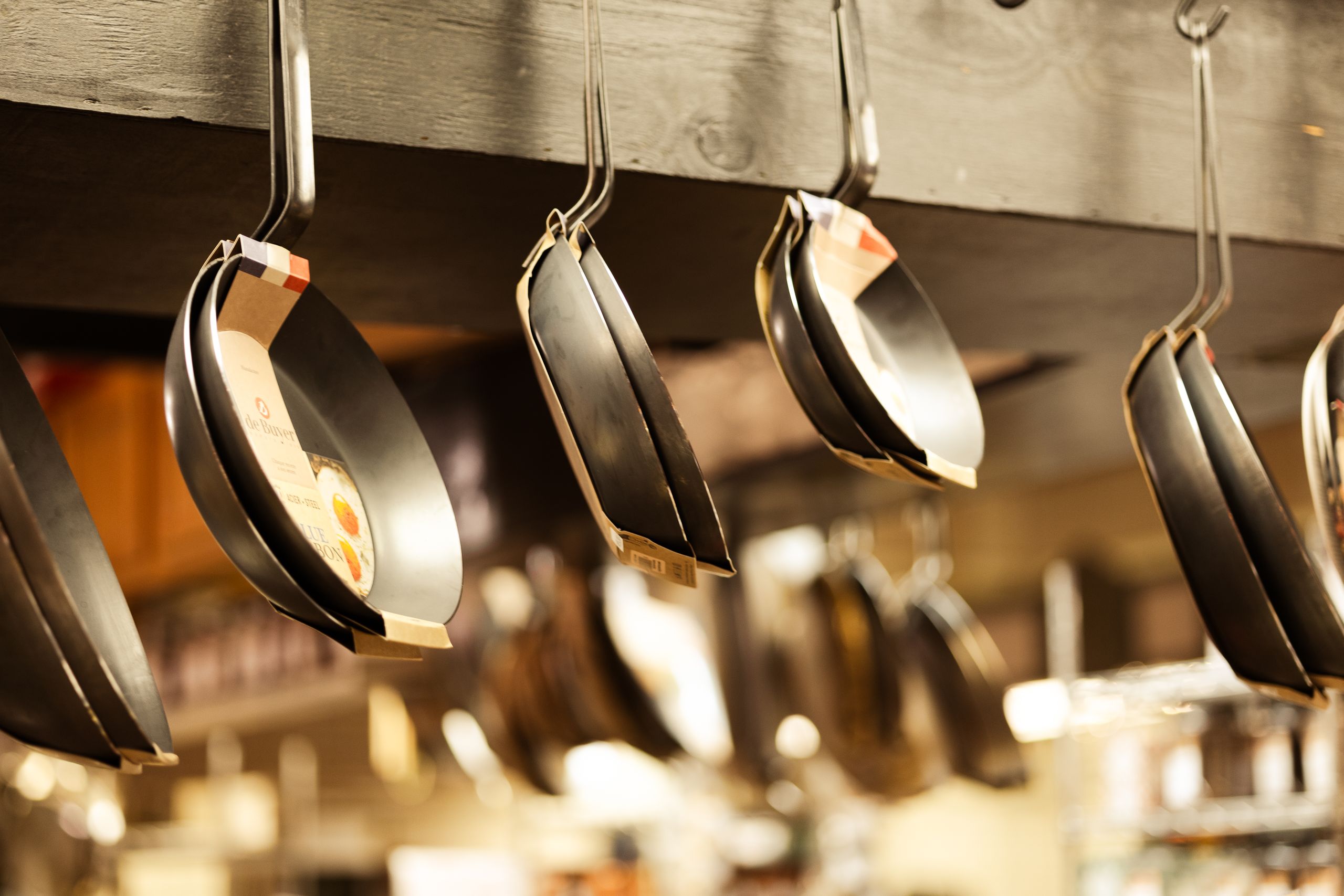
6 Reasons Carbon Steel and Cast Iron Are Making a Comeback in American Kitchens
Sourdough Baking Helped Bring Dutch Ovens Back Home
The sourdough revival changed how many Americans approached baking. What started as a pandemic-era hobby has continued for many home cooks who enjoy making bread from scratch and learning traditional techniques.
That interest has increased attention on Dutch ovens, which many bakers use to create the heat retention and steam environment needed for artisan-style loaves.
Market research has linked the continued popularity of home cooking with demand for durable cookware designed for baking, roasting, and slow cooking. Analysts tracking the Dutch oven category have pointed to growing interest in cookware that supports homemade meals and traditional preparation methods.
Home Cooks Are Looking for Cookware That Lasts
One reason cast iron and carbon steel remain popular is their reputation for durability.
A properly maintained cast iron skillet can last for decades, while carbon steel develops its cooking surface through seasoning and regular use. For many cooks, that creates a different relationship with cookware: instead of replacing pans frequently, they invest in pieces designed to become longtime kitchen staples.
The appeal fits with a broader interest in buying fewer, more reliable tools that can handle multiple cooking styles.
Carbon Steel Brings Restaurant Techniques Into Home Kitchens
Carbon steel has long been a favorite in professional kitchens, but more home cooks are discovering its strengths.
The material balances cast iron’s heat retention with a lighter, more responsive design. It heats quickly, handles high temperatures, and works well for techniques such as searing and roasting.
Cookware testers at CNN Underscored have highlighted carbon steel’s ability to deliver strong cooking performance while remaining easier to handle than traditional cast iron. Their testing notes that well-seasoned carbon steel pans can develop a naturally slick surface over time.
The Kitchn’s cookware testing has similarly found carbon steel appealing for home cooks who want a durable pan that improves with continued seasoning and use.
Ingredient Awareness Is Influencing Kitchen Choices
The renewed interest in traditional cookware is also happening alongside a broader conversation about ingredients and materials.
The International Food Information Council’s 2026 Food & Health Survey examined how Americans think about food choices, including awareness of processed foods and ingredient information. While the survey focuses on food habits rather than cookware, it reflects a broader consumer interest in understanding what goes into everyday products.
That mindset has encouraged some shoppers to explore cookware options made from materials such as cast iron, carbon steel, and stainless steel.
PFAS Regulations Are Bringing More Attention to Cookware Materials
Another factor shaping cookware conversations is the changing regulatory environment around PFAS, a group of chemicals used in many products, including some nonstick coatings.
Minnesota’s PFAS law restricts the sale of certain products containing intentionally added PFAS, including cookware, as part of a broader effort to reduce their use.
Other states have also introduced PFAS-related regulations, creating more awareness among consumers researching cookware options.
These changes do not mean traditional nonstick pans are disappearing. Many cooks still rely on them for specific tasks, such as preparing delicate foods. However, the discussion around cookware materials has encouraged some shoppers to consider alternatives.
Classic Cookware Matches Today’s Return to Hands-On Cooking
The renewed popularity of cast iron, carbon steel, and Dutch ovens reflects something bigger than a cookware trend.
Many home cooks are returning to slower, more intentional methods: baking bread, preparing long-simmered meals, and learning techniques that require patience and practice.
These tools reward that approach. A cast iron skillet can move from stovetop to oven. A Dutch oven can handle everything from bread baking to weekend stews. A carbon steel pan can become a reliable everyday workhorse with proper care.
Brands such as Lodge, Le Creuset, Staub, and Made In have helped keep these cookware categories visible for modern home cooks.
The return of traditional cookware is not about abandoning modern convenience. It is about choosing tools that offer performance, versatility, and a sense of connection to the cooking process.
For many Americans, the appeal is simple: a pan that improves with use and can stay in the kitchen for years.