Most Americans see prison through TV scenes, courtroom dramas, viral clips, or the occasional headline that flashes across a phone during lunch. The real place is stranger, quieter, and far more controlled than the version people imagine.
Inside, ordinary choices can disappear. A phone call, a hug, a letter, a snack, or even walking across a room may depend on permission, timing, and rules that sound unbelievable from the outside.
That is why prison rules can feel fake until the truth lands. They are not just about locked doors and uniforms. They shape every small part of the day.
For families, these rules can feel cold and confusing. For incarcerated people, basic human routines can become carefully watched events.
Visits Can Require Approval Before Anyone Shows Up
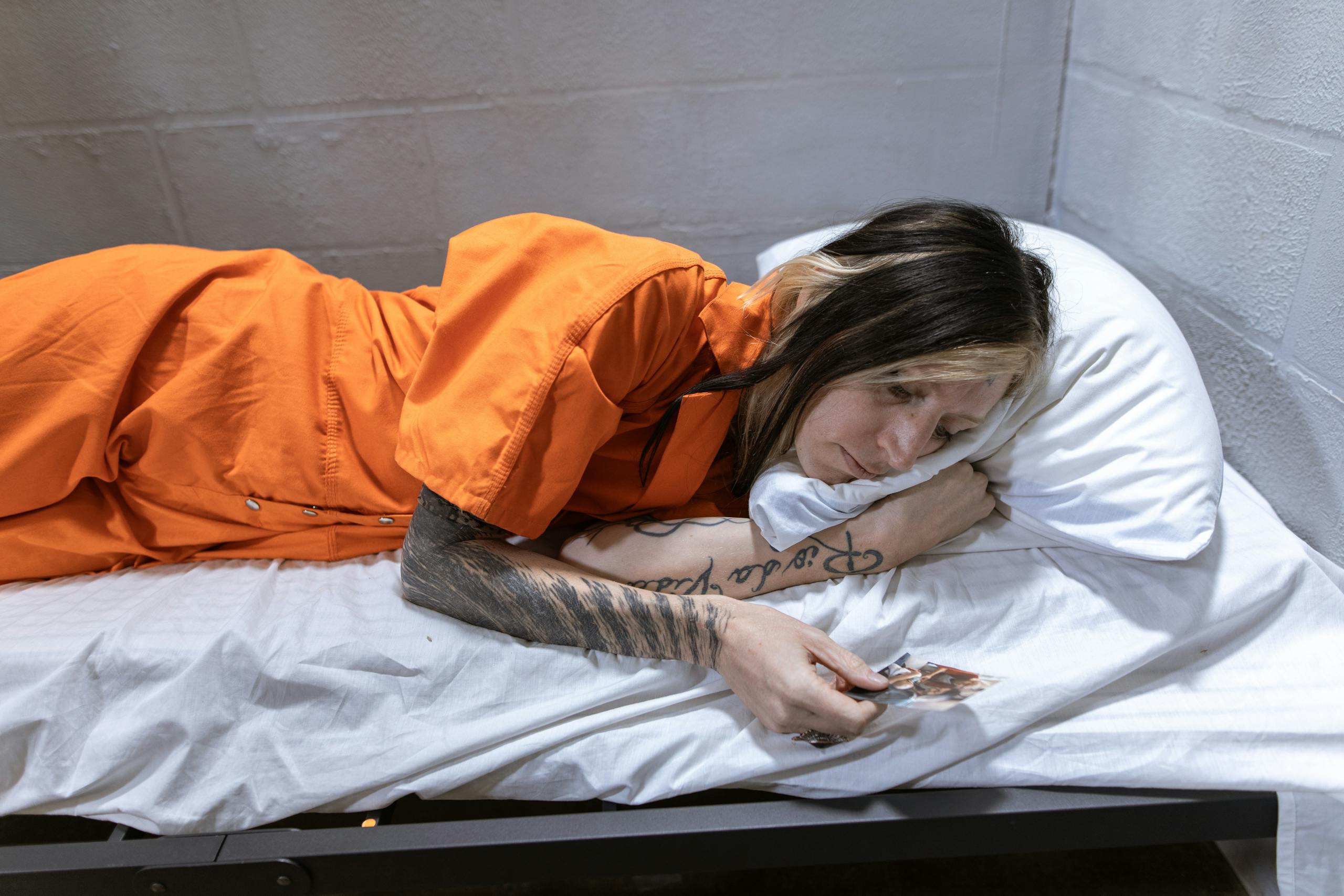
Many people imagine prison visits like going to a hospital or a courthouse. In reality, visitors often need approval before they ever reach the front gate. In federal facilities, a person generally must be placed on an approved visiting list before the visit can happen.
That can shock families who thought love alone was enough to get inside the visiting room. A mother, spouse, sibling, or friend may have to wait for clearance, follow dress rules, pass checks, and accept that the visit can still be limited. The rule sounds harsh until you remember that prisons treat every movement as a security decision.
A Hug Can Be Watched, Timed, and Limited
A hug sounds too human to regulate, but prison can regulate almost anything. Physical contact during visits may be limited to brief greetings and goodbyes, depending on the facility and security level. What feels natural in a living room can become a watched moment under fluorescent lights.
That rule can hit families hard. Children may want to climb into a parent’s lap, spouses may want privacy, and parents may want one long embrace. Instead, affection can become short, supervised, and emotionally painful because the room is built for control rather than comfort.
Mail May Not Arrive the Way It Was Sent
A handwritten letter can feel like a lifeline from home. Yet in some facilities, mail may be copied, scanned, inspected, delayed, rejected, or delivered in a form different from what the sender expected. Some prison systems have adopted mail-scanning policies that replace original letters with digital or printed copies.
That can sound fake because mail feels so ordinary outside prison. A birthday card, a child’s drawing, or a family photo can carry deep meaning behind bars. When that paper connection is restricted, the rule does more than address concerns about contraband. It changes the emotional texture of staying connected.
Phone Calls Are Not Private Family Catch-Ups

A prison call can sound like a normal family moment at first. Someone asks about the kids, rent, court dates, health problems, or what happened at school. Still, many calls are monitored, recorded, limited, and shaped by provider systems that families do not control.
The cost and access rules have become a national issue because incarcerated people do not choose their providers, and families often carry the bill. The communication service rules around prison and jail calls show how complicated a simple conversation can become. For many families, every minute feels emotional and expensive.
Prison Rules Can Punish Planning, Not Just Doing
Outside prison, people often think punishment comes after someone does something wrong. Inside, even planning, attempting, helping, or encouraging certain banned acts can be treated as serious offenses. The prohibited acts list for federal prisons includes categories and sanctions that can surprise anyone who thinks rules only cover obvious violence or contraband.
That means words, favors, messages, or small choices can carry major consequences. A person may not need to finish an act to get in trouble for it. In a place built around security, intent can matter almost as much as action.
Cash Usually Disappears Behind the Walls
Money works differently in prison. People do not usually walk around with cash in their pockets, buy snacks like customers at a gas station, or hand bills to someone else. Funds are commonly managed through accounts, commissary systems, and approved payment channels.
This can sound strange because money is freedom in the outside world. Behind bars, it becomes controlled access. A few dollars can mean soap, stamps, instant coffee, toothpaste, or a small food item that breaks the boredom of the week.
Personal Property Can Shrink to a Tiny List
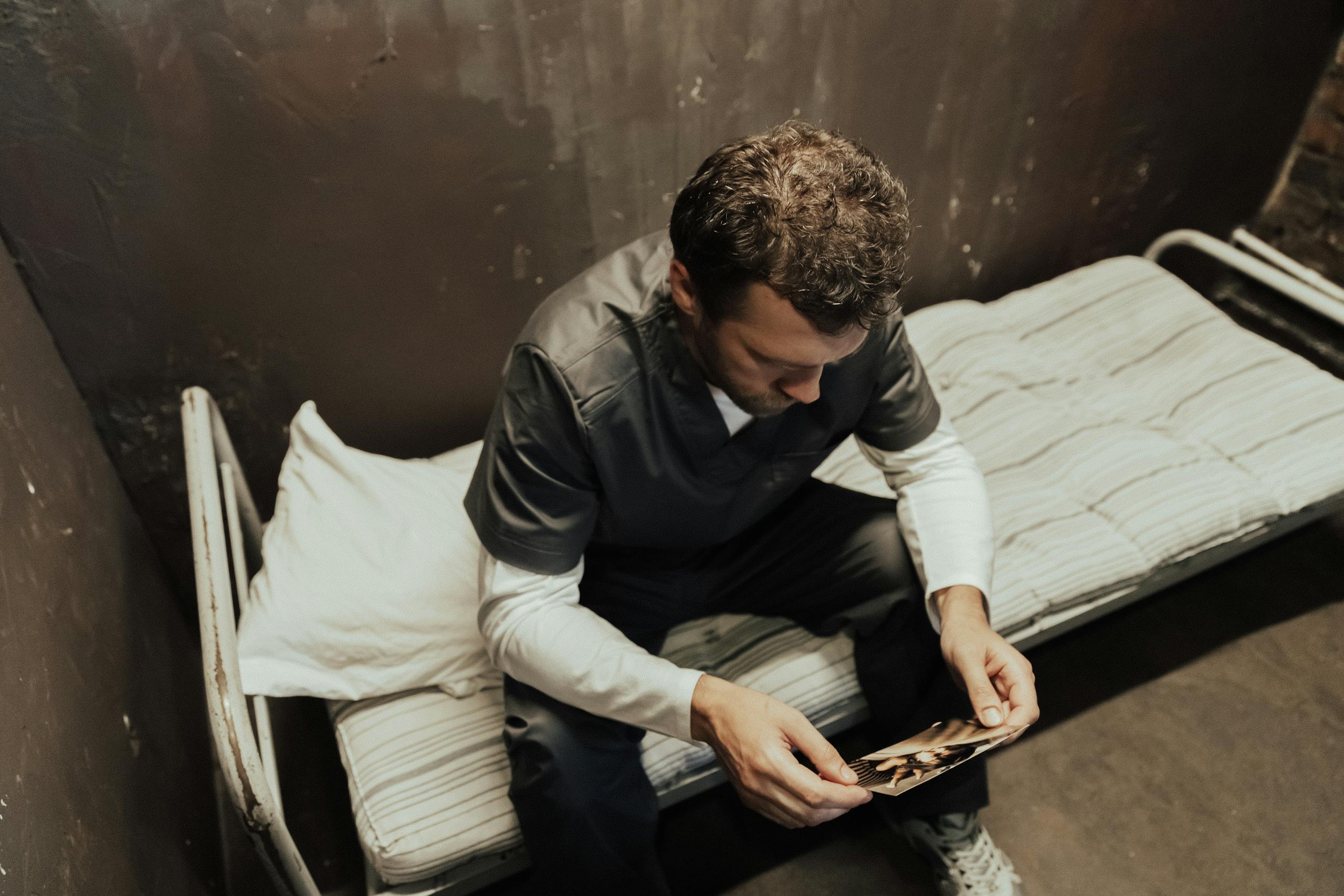
Most people own more things than they realize. Shoes, books, photos, chargers, jackets, snacks, watches, keepsakes, and little comfort items fill ordinary life. In prison, property may be limited by type, number, size, and security rules.
That is why the idea of “your stuff” changes fast. Federal guidance notes that prisons may limit jewelry, photographs, books, magazines, and other items for security, sanitation, and safety reasons through property possession limits. What sounds like clutter at home can become contraband inside.
Count Time Can Freeze the Whole Unit
Count time may sound like something from a school field trip, but in prison, it is serious. Staff need to confirm where people are, and movement can stop until that process is complete. A conversation, shower, card game, or meal routine may pause because the count comes first.
This rule sounds fake because life keeps moving on. Inside, the entire rhythm of the day can bend around being counted. The message is simple and constant: the system must know where every person is before normal activity continues.
Small Favors Can Become Serious Trouble
A favor in prison is rarely just a favor. Sharing food, lending property, passing a note, holding something for someone, or trading items can create problems fast. What seems generous or harmless may violate rules or pull someone into debt, pressure, or conflict.
That is one of the hardest truths for outsiders to understand. In a controlled environment, small exchanges can carry hidden meaning. A candy bar, stamp, or cup of coffee can become part of a social system far more complicated than it appears.
Conclusion

The strangest thing about prison rules is not that they exist. It is how deeply they reach into ordinary human behavior. A hug, a letter, a phone call, a visit, a snack, a photograph, or a few steps across a room can become controlled by policy.
That truth can feel uncomfortable because it strips prison of TV drama and replaces it with daily restriction. The rules may be framed around safety, order, and control, but they also reshape family bonds, personal dignity, and the smallest routines of life.
For people outside the system, these rules sound fake because freedom makes ordinary things invisible. Behind bars, those ordinary things become the whole story.