AUSTIN, Texas — Texas families already know what summer does to the electric bill. The air conditioner runs all day. The thermostat becomes a household argument. The bill shows up, and suddenly one hot month feels like punishment.
Now another fight is building across the state. Large data centers are asking for more Texas power, and residents want to know why regular families should be left to worry about the cost.
A June 10 order directed Texas utility regulators and ERCOT to protect residential customers from costs associated with data center growth. The June 10 order raises one question for millions of Texans: if giant companies need more power, should families help pay for it?
Texas Is Walking Into Another Expensive Summer
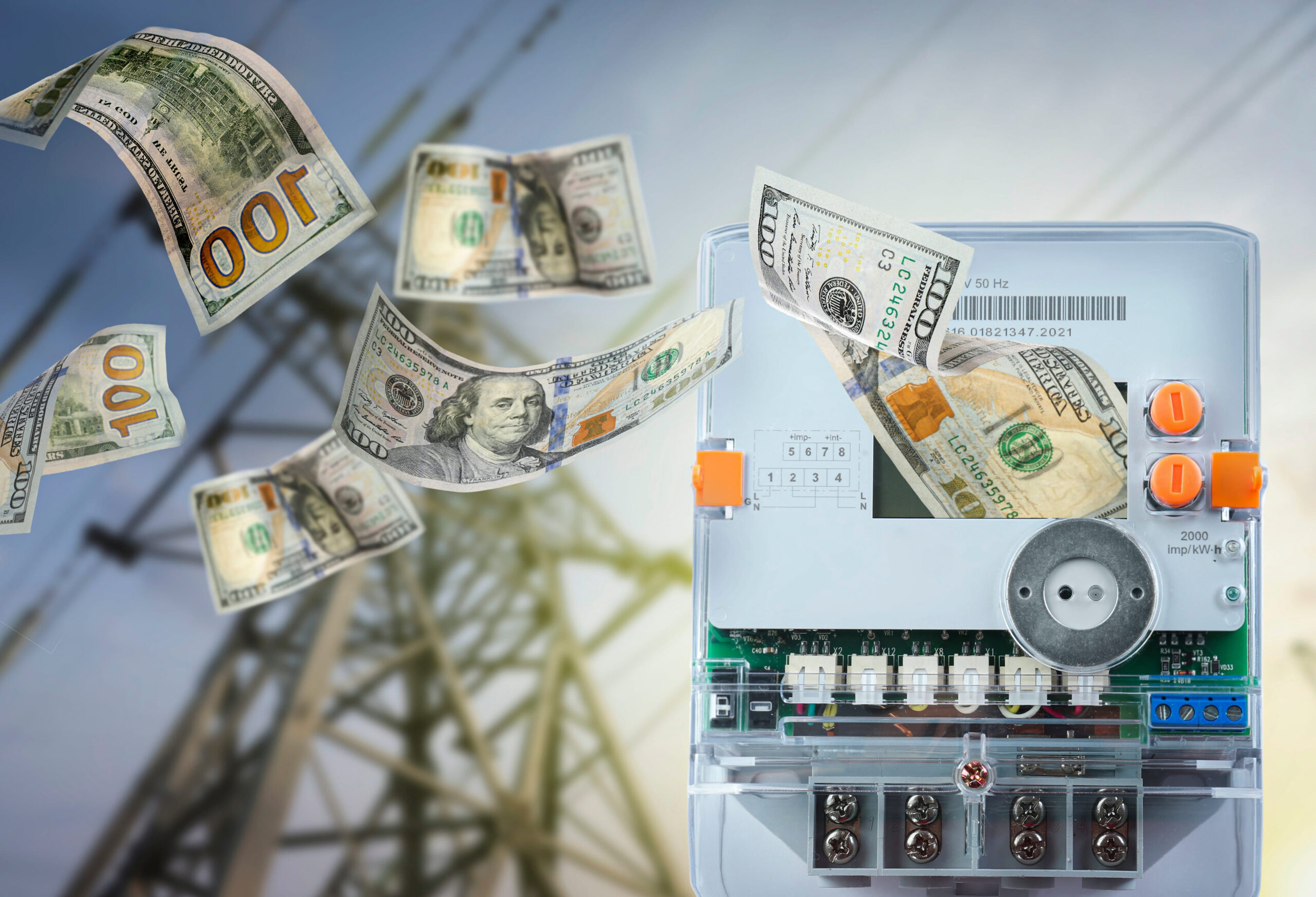
This is landing right when the Texans are already bracing for the heat. Summer in Texas is not gentle. It pushes homes, families, wallets, and the power grid all at once. When temperatures climb, people do not use electricity casually. They need it to stay safe.
The state’s summer power demand could climb past 92 gigawatts, topping the current record set during the August 2023 heat wave. That summer demand forecast points to a mix of heat, population growth, large projects, and rising electricity use.
For families, the number is not the story. The bill is the story.
Parents are not sitting at the kitchen table talking about power forecasts. They are asking whether the AC can stay on, whether the bill will jump again, and how many more expenses one household is supposed to absorb.
These Buildings May Look Quiet, but They Use Serious Power
A data center does not always look dramatic from the outside. It may sit behind fences, walls, security cameras, and clean landscaping. Drivers may pass by without thinking much about it.
But inside, these buildings consume large amounts of electricity throughout the day. They help run the online services people use for banking, shopping, streaming, phone storage, business tools, maps, and everyday internet life.
That takes power. It takes cooling. It takes backup systems. It takes strong connections to the grid.
That is why more Texans are starting to ask questions. These are not just quiet buildings on open land. They are major power users moving into a state where families already worry about summer bills and grid warnings.
The Number That Changes the Conversation
More than 480 large data centers are seeking to connect to the Texas grid by 2032. That grid connection surge is big enough to turn a business story into a household concern.
A few large buildings would be one issue. Hundreds of them create a much bigger question.
Who pays for the lines, upgrades, equipment, and backup support needed to serve them?
Many Texans support jobs and business growth. But that support can turn cold fast if residents believe large companies are getting the benefits while ordinary households are left with the pressure.
That is the anger point. Families do not want to feel like the easiest place to send the bill.
The Price Tag Is Already Massive
The money involved is not small.
New Texas transmission projects are expected to require more than $7 billion in investment, with upgrades intended to handle about 16 gigawatts of additional demand. The seven billion estimate includes work in areas such as the southern Dallas-Fort Worth region and the I-35 corridor.
That is not a minor repair bill. That is a giant fight over who pays for the next version of Texas growth.
Every dollar has to come from somewhere. Residents want to know whether the cost will stay with the companies driving demand or quietly spread among customers already tired of higher bills.
For many Texans, the answer is simple. If a company needs expensive power upgrades, that company should pay for them.
Families Are Tired of Paying for Growth They Did Not Ask For
Texas loves growth. That is part of the state’s image.
More people move in. More companies arrive. More roads fill up. More homes get built. More projects appear on land that used to be quiet.
But growth feels different when the costs reach ordinary families faster than the benefits do.
A family in Houston, Dallas, Austin, San Antonio, Waco, Round Rock, or Fort Worth may never walk into one of these data centers. They may never work there. They may never see a direct benefit.
But if the building adds strain to the grid, they may still feel the impact.
That is why this issue has so much heat behind it. Texans are not rejecting business. They are rejecting the idea that families should keep paying for deals made above their heads.
The Internet Has a Real Electric Bill
Everything online feels invisible until the power bill shows up somewhere.
Movies, apps, cloud storage, online shopping, work tools, bank transfers, and phone backups all depend on real buildings and equipment. Those buildings need electricity every day.
Texas has become attractive for these projects because it has land, energy resources, fast-growing cities, and a business climate that companies like.
But an open door does not mean a blank check.
If large companies want Texas power, Texans want to know what they are giving back in return. Are they paying their fair share? Are they helping strengthen the grid? Are they creating enough local jobs? Are they using local resources responsibly?
Those are fair questions, especially when families are already watching their bills climb.
Water Worries Make People Even More Nervous
Electricity is only part of the concern.
Some data centers use large amounts of water for cooling, depending on how they are built. In Texas, water is never a small issue. Drought, growth, farming needs, hot summers, and thirsty cities already put pressure on local supplies.
At least 248 data center projects have been identified across the state, while critics have warned about pressure on power bills and water supplies. That planned project count makes this feel like a statewide issue, not just one city’s problem.
Local communities have a right to ask what these projects will use and what residents will get in return.
How much water will be needed? How much power will be used? How many full-time jobs will actually remain after construction ends? What tax breaks are involved? What happens during drought or extreme heat?
Those questions are not anti-business. They are common sense.
Texans Remember When the Grid Failed Them
Electricity is precious in Texas because people remember what happens when the grid struggles.
They remember outages. They remember emergency warnings. They remember extreme heat. They remember winter failures. They remember being told to conserve while worrying about children, seniors, pets, and medical needs at home.
That memory changes how people see new demand on the grid.
A large power user may sound harmless on a mild day. It feels different during an August heat wave when the AC is running nonstop, and residents are being asked to cut back.
Texans do not want another lecture about sacrifice while major power users continue to grow.
They want rules that protect households first.
Reliability Worries Are Growing Too
Price is not the only concern. Reliability matters just as much.
Several large data centers and crypto-related sites recently failed voltage ride-through tests ahead of the summer season. Those voltage test failures raised concerns about how some large electricity users respond during grid disturbances.
That detail matters because families are not only asking who pays. They are also asking whether these large users could make the grid harder to manage during dangerous moments.
When a home is hot, a baby is sleeping, an elderly parent needs cooling, or someone depends on electricity for medical equipment, nobody wants excuses.
They want the lights to stay on.
The Question That Will Split Texas
This fight comes down to one simple question. Should regular Texans pay higher bills so big data centers can keep expanding?
Some residents will say no without hesitation. They will argue that large companies should pay every dollar tied to their own power needs.
Others will say Texas needs these projects to stay competitive, attract investment, support construction, and keep the state connected to the modern economy.
That split is exactly why this story will get people talking.
It is not only about electricity. It is about fairness. It is about whether regular people keep getting handed the bill after powerful companies get the deal.
What Happens Next
Texas regulators have been told to bring back recommendations by July 17. That timing matters. It lands during the same season when families will be watching their electric bills and checking the weather every day.
The next steps could include rules forcing large data centers to pay more of their own costs, stronger reporting on water and power use, changes to tax breaks, or new laws aimed at protecting households.
The promise sounds good. The rules will decide whether it means anything.
Texas Families Want a Fair Bill
Texas can welcome companies without making families pay for everything. The state can support growth and still demand that growth pays its own way. It can attract new projects while still protecting the people who already live there.
That is the line many residents want drawn before the next bill arrives.
If a data center needs more electricity, it should pay for that electricity. If it needs new lines, substations, and upgrades, it should pay for those upgrades. If it uses local water, local communities deserve straight answers.
Texas families are not asking for the state to stop growing. They are asking not to become the easiest place to send the bill.