Elon Musk has never been known for tiptoeing into political arguments. When he chooses to enter a debate, he usually arrives carrying a flamethrower.
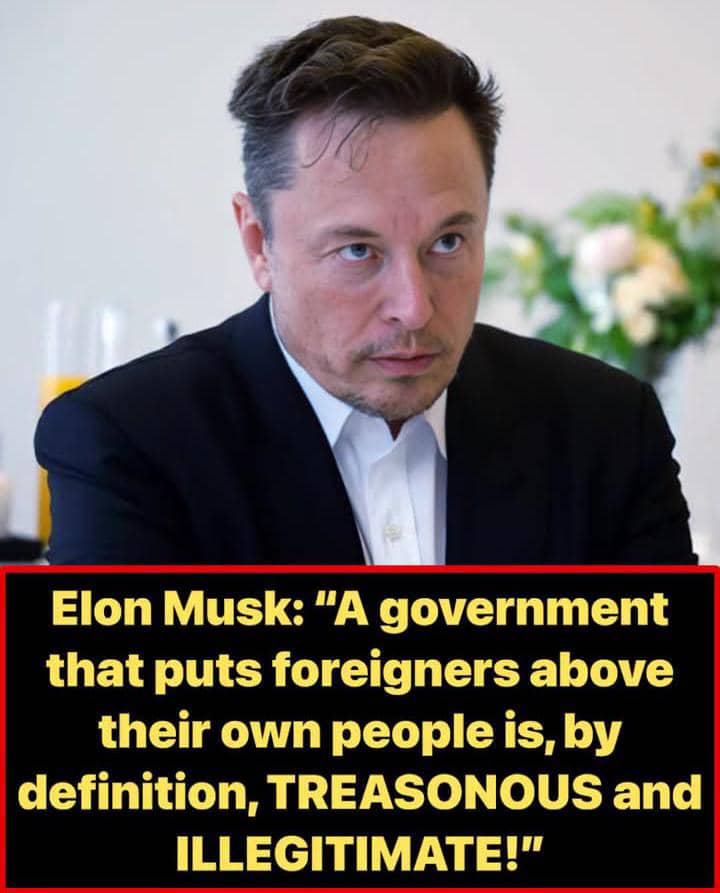
The billionaire owner of X did exactly that when he accused Britain’s government of putting foreigners ahead of its own citizens. “A government that puts foreigners above their own people is, by definition, treasonous and illegitimate,” Musk wrote.
It was an explosive claim, even by Musk’s standards. His comment landed as Britain was wrestling with a bitter dispute over asylum seekers housed in hotels, protests in local communities and a court ruling that stopped one council from forcing migrants out of a property in Essex.
The anger was real. The legal story, however, was more complicated than a single social media post made it sound.
How one Essex hotel became a national flashpoint
The controversy centered on the Bell Hotel in Epping, Essex, where the British government had placed asylum seekers while their claims were being processed.
Epping Forest District Council argued that using the property to house asylum seekers amounted to a major change in the hotel’s purpose. The council said the owners needed planning permission and asked the High Court to order the occupants to leave.
A judge initially granted an injunction requiring the asylum seekers to move out. That decision appeared to hand a major victory to local campaigners and political figures who wanted the hotel closed.
The Home Office and the hotel’s owner challenged the ruling. The Court of Appeal later overturned the injunction, meaning the asylum seekers could remain while the wider planning dispute continued.
Justice David Bean said the original ruling contained “a number of errors in principle.” The court also warned that using protests outside the hotel as a reason to shut it could encourage more disorder.
That point mattered because the hotel had become a regular site of demonstrations. Public anger grew after a resident was accused of sexually assaulting a teenage girl. The man denied the allegation, and the case had not been decided when the hotel dispute reached the appeal court.
Some protests remained peaceful. Others resulted in arrests, clashes and injuries to police officers.
The judges were not ruling on whether the government’s hotel policy was popular. They were deciding whether an emergency planning order was the correct legal tool for removing more than 100 people from the building.
Ministers deny putting asylum seekers above British citizens
The court decision quickly became political ammunition.
Education Secretary Bridget Phillipson faced questions about whether asylum seekers’ rights were being treated as more important than local residents’ concerns.
“It is about a balance of rights,” Phillipson said. She argued that the government had a duty to consider asylum applications while also protecting and listening to the communities surrounding the hotels.
That answer did not satisfy critics. Short clips of Phillipson’s remarks spread online, with some accounts presenting her comments as proof that the government had chosen migrants over British citizens.
Musk’s accusation followed that growing narrative.
Former Home Secretary Yvette Cooper later rejected the claim directly in Parliament. When Conservative lawmaker Esther McVey asked whether migrants arriving by small boats should take priority over Epping residents, Cooper replied, “No, that is wrong.”
Cooper said the government wanted to close asylum hotels, including the Bell Hotel, but argued that removing people immediately without alternative accommodation would simply move the problem somewhere else.
Asylum Minister Angela Eagle offered a similar defense. She said ministers had appealed the injunction so the hotels could be closed in a “controlled and orderly way.”
The government’s position was not that asylum seekers should receive greater rights than citizens. Its argument was that people could not be removed from accommodation without considering legal duties, available housing and the consequences for other communities.
That explanation lacked the punch of Musk’s accusation, but it reflected the issue before the court.
Musk turns a legal dispute into a political firestorm
Opposition politicians still accused the Labor government of mishandling the situation.
Conservative leader Kemi Badenoch said local communities should not “pay the price” for the government’s approach to illegal immigration. Epping Forest District Council leader Chris Whitbread also expressed disappointment after the appeal court overturned the injunction.
Whitbread called for calm and said protests should remain peaceful, even as the council continued challenging the use of the hotel.
Musk went several steps further than the British opposition. By describing the government as “treasonous and illegitimate,” he was no longer criticizing a policy or court strategy. He was questioning the democratic standing of the government itself.
His language also simplified the status of the people inside the hotel. Asylum seekers are people who have requested protection and are waiting for the government to decide their claims. Some applications are accepted. Others are rejected. Their cases are not automatically settled simply because they arrived through an unauthorized route.
Britain’s reliance on hotels has remained deeply controversial. The system costs taxpayers large sums, frustrates local communities and often leaves asylum seekers waiting for long periods with little certainty.
The government has acknowledged those problems and promised to reduce its use of hotels. More than 32,000 asylum seekers were still living in hotel accommodation by the middle of 2025, although that figure remained below the previous peak of more than 56,000.
Those numbers help explain the anger. Communities want answers about public safety, local services and how long the hotels will remain open. Taxpayers want to know why the system is so expensive. Ministers face pressure to process claims faster and remove people who have no legal right to stay.
Musk’s post captured that frustration in one fierce sentence. It also skipped over the legal details that shaped the court’s decision.
The judges did not declare that foreigners mattered more than British citizens. Ministers did not announce such a policy either. The court ruled that the council’s proposed method of removing the asylum seekers was legally flawed and risked creating a fresh accommodation crisis elsewhere.