Some crimes do not look dramatic at first. No ski mask. No getaway car. No police tape flapping outside a gas station. Just a fake account, an unpaid paycheck, a cruel post, a “small” lie, or one bad decision someone swears was not a big deal.
That is exactly why these crimes are dangerous. They hide behind ordinary life. A phone screen. A workplace. A school hallway. A parking lot. A relationship that ended badly. A mistake that someone thought would stay private. Then the damage spreads, and suddenly one “small” crime is costing someone their money, job, safety, reputation, peace, or future.
Identity Theft

Identity theft can start with something that feels almost invisible. A stolen Social Security number. A hacked email. A fake credit card account. A loan opened in someone else’s name. The victim may not even know what happened until a bill arrives, a credit score drops, or a bank suddenly treats them like the problem.
The damage can follow someone for years. In 2024, credit card identity theft resulted in 449,032 reports of misuse by people who said their information was used without their permission. That is why identity theft belongs on this list. It may happen quietly, but it can turn everyday life into a paperwork war with banks, creditors, landlords, employers, and government agencies.
Wage Theft
Wage theft does not always look like a crime because it can hide inside a paycheck. A boss asks workers to clock out and keep working. Tips disappear. Overtime never shows up. A final paycheck gets delayed. A worker gets told, “We’ll fix it next week,” until next week becomes next month.
For people living close to the edge, missing wages can wreck everything. More than $259 million in back wages recovered went to nearly 177,000 employees in fiscal year 2025. That missing money is not abstract. It can be rent, groceries, gas, medication, school supplies, or the difference between staying afloat and falling behind.
Cyberbullying
Cyberbullying can look like “just drama” to adults who do not understand how cruel the internet can feel to a teenager. A group chat turns nasty. A humiliating post spreads. A fake account mocks someone. A private photo becomes a weapon. The phone that should connect a kid to friends becomes the thing they fear checking.
The damage can be brutal because it follows the victim’s home. A 2025 national survey of U.S. middle and high school students showed that teen cyberbullying remains a serious issue in school-age life. This kind of cruelty may happen through screens, but the anxiety, shame, school avoidance, depression, and isolation are painfully real.
Stalking

Stalking is often minimized until it becomes terrifying. Someone keeps calling. Someone keeps showing up. Someone watches a house, checks locations, sends messages, tracks a routine, or refuses to accept that access has ended. At first, people may call it annoying, clingy, bitter, or dramatic. Victims know better.
Stalking can make ordinary life feel unsafe. It changes how someone walks to their car, answers the phone, sleeps at night, uses social media, and trusts strangers. What looks like “persistence” from the outside can feel like a slow invasion to the person being followed, watched, threatened, or cornered.
Nonconsensual Intimate Images
Some people still treat the sharing of private images like gossip. It is not gossip. It is a violation. A person’s body, trust, and privacy can be turned into a weapon with one upload, one text thread, or one act of revenge after a breakup.
The harm can be life-changing. Victims can lose jobs, relationships, safety, confidence, and control over their own image. Federal action targeting intimate image abuse shows how serious this kind of violation has become, especially when digital tools make humiliation easier to spread. What seems like a “private mistake” to the offender can become public trauma for the victim.
Hit-and-Run After a Small Crash
A driver taps a bumper, panics, and leaves. Someone clips a cyclist, gets scared, and keeps going. A pedestrian is hit in a dark crosswalk, and the driver convinces themselves that it was too late to stop. Hit-and-runs often begin with fear, but leaving the scene can turn a bad moment into a devastating crime.
The road is already dangerous enough without abandonment on top of the injury. In 2024, drivers struck and killed 7,148 pedestrians in the United States in 2024. When someone flees, victims may lose precious minutes of help, families lose answers, and the driver may face consequences far worse than if they had stopped.
False Police Reports
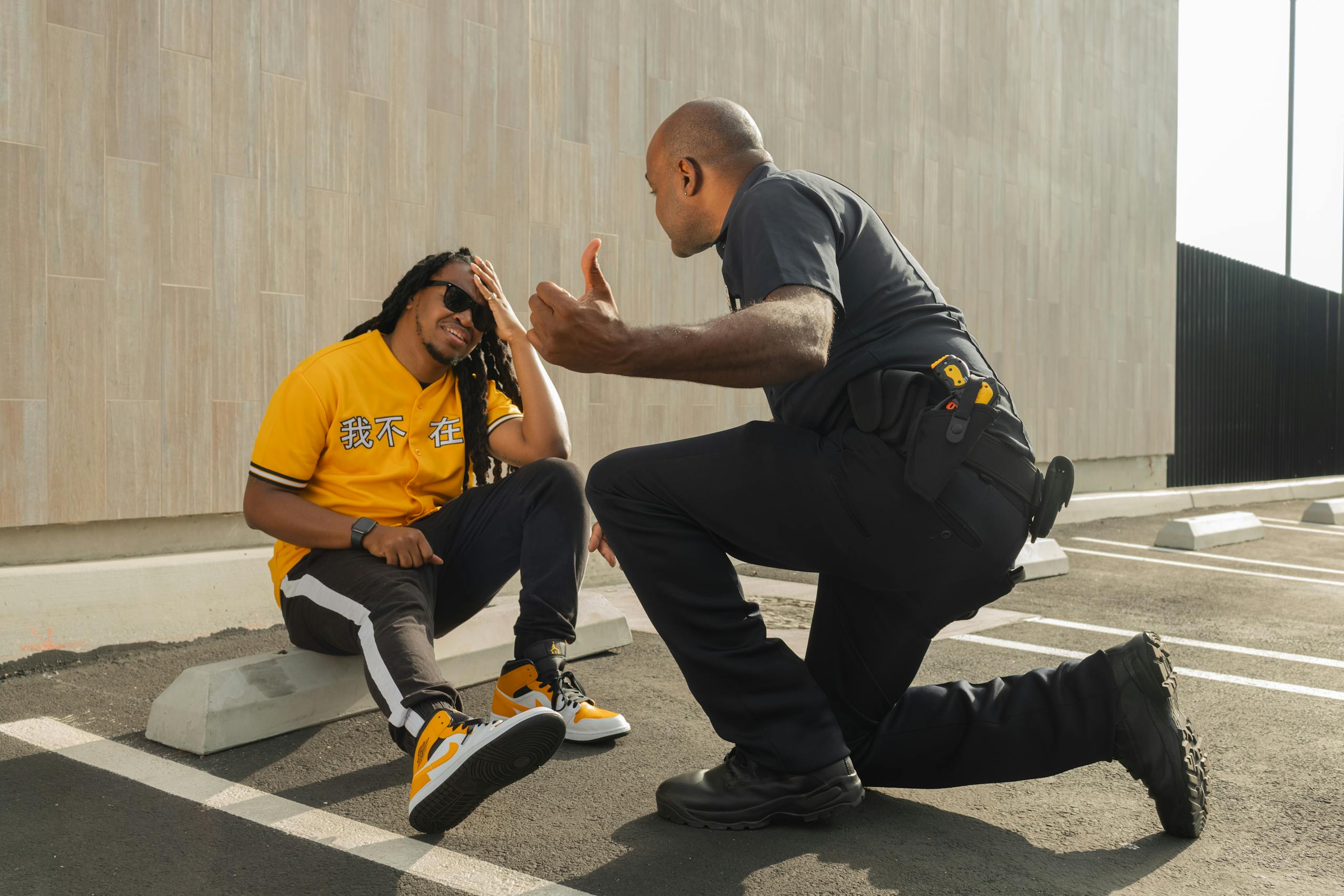
A false police report may start as a lie that someone thinks they can control. A fake theft claim. A false accusation. A made-up story to avoid embarrassment, take revenge on someone, or escape responsibility. But once police resources move, lives can change fast.
The damage can hit innocent people with suspicion, arrest risk, job loss, public shame, legal bills, and emotional trauma. It can also waste emergency resources that real victims need. A lie told to shift blame can become a crime that stains another person’s name for years.
Shoplifting That Turns Into a Record
Shoplifting may seem small when someone imagines a snack, makeup item, phone charger, or hoodie being taken from a store without payment. But a theft charge can follow a person far beyond the moment. A teenager’s bad choice, an adult’s desperate mistake, or a repeated habit can turn into court dates, fines, job problems, school consequences, and a criminal record.
The consequences can hit harder than the item was worth. Employers, licensing boards, landlords, and schools may not care that the theft seemed minor at the time. They may see only “theft” on a background check and decide that trust is too risky. One stupid decision in a store can outlive the receipt that never existed.
Check Fraud and Payment App Scams
Modern check fraud and payment app scams can feel casual because money now moves with a tap. Someone alters a check. Someone tricks a person into sending money. Someone uses another person’s account. Someone claims it was a misunderstanding after the funds disappeared.
The victim may spend months fighting banks, police reports, platform policies, and embarrassment. The offender may think it was quick money, but the victim may lose savings they needed to survive. A few seconds spent on a payment app can turn into months of financial cleanup.
Impersonation Online

A fake profile can look like a joke until it ruins someone’s life. Someone copies a person’s name and photos. Someone impersonates an employer, romantic partner, friend, landlord, or customer service agent. Someone uses another person’s identity to harass, scam, embarrass, or manipulate others.
Online impersonation can quickly damage reputations because the internet moves faster than corrections. Reported internet crime losses exceeded $16 billion in 2024, underscoring the cost of digital deception. A victim may have to prove they did not send messages, post content, request money, or threaten anyone. By then, the damage may already be spreading.
Conclusion
The crimes that seem small are often dangerous because people underestimate them. They do not always begin with violence. They begin with a password, a paycheck, a screenshot, a message, a lie, a missing payment, or a decision made in panic. Then the consequences grow teeth.
Identity theft can wreck credit. Wage theft can wreck rent. Cyberbullying can wreck a child’s confidence. Stalking can wreck safety. Nonconsensual images can wreck dignity. A hit-and-run can wreck a family. False reports can wreck reputations. Shoplifting can wreck opportunity. Payment scams can wreck savings. Impersonation can wreck trust.
That is why these crimes deserve to be taken seriously. A crime does not need to look dramatic to destroy someone’s life. Sometimes the smallest-looking harm leaves the longest shadow.