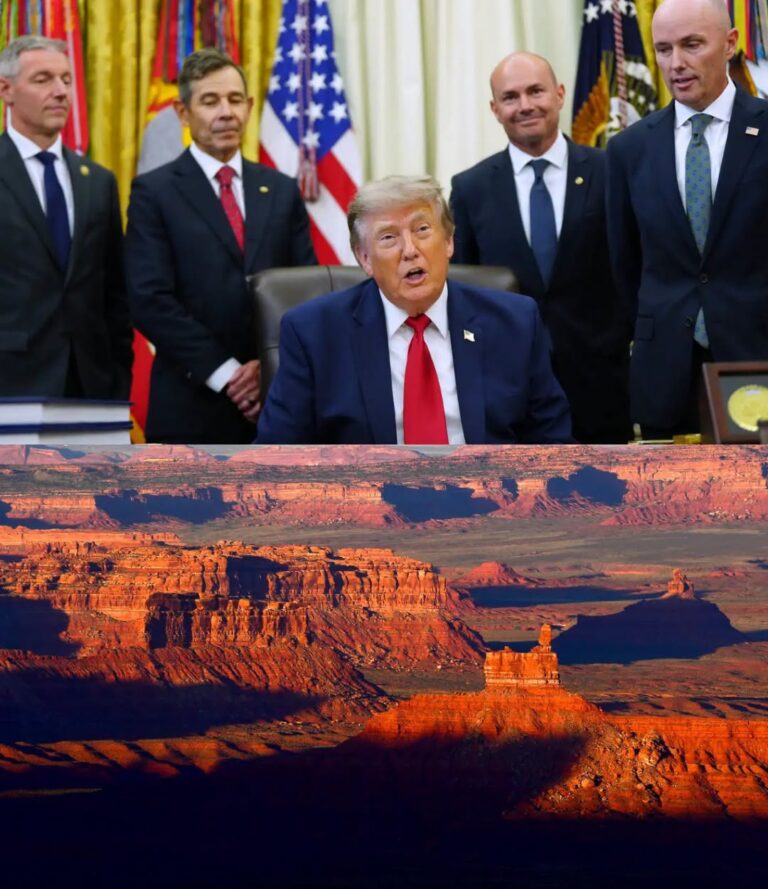
Iran tensions no longer feel like a faraway headline you scroll past during breakfast. They now sneak into gas prices, travel plans, grocery bills, cyber safety, and that uneasy feeling people get when the world looks one bad decision away from chaos. So why does this conflict feel so personal, even for people nowhere near Tehran or the Strait of Hormuz?
Gas Prices Turn Distant Conflict Into Household Math
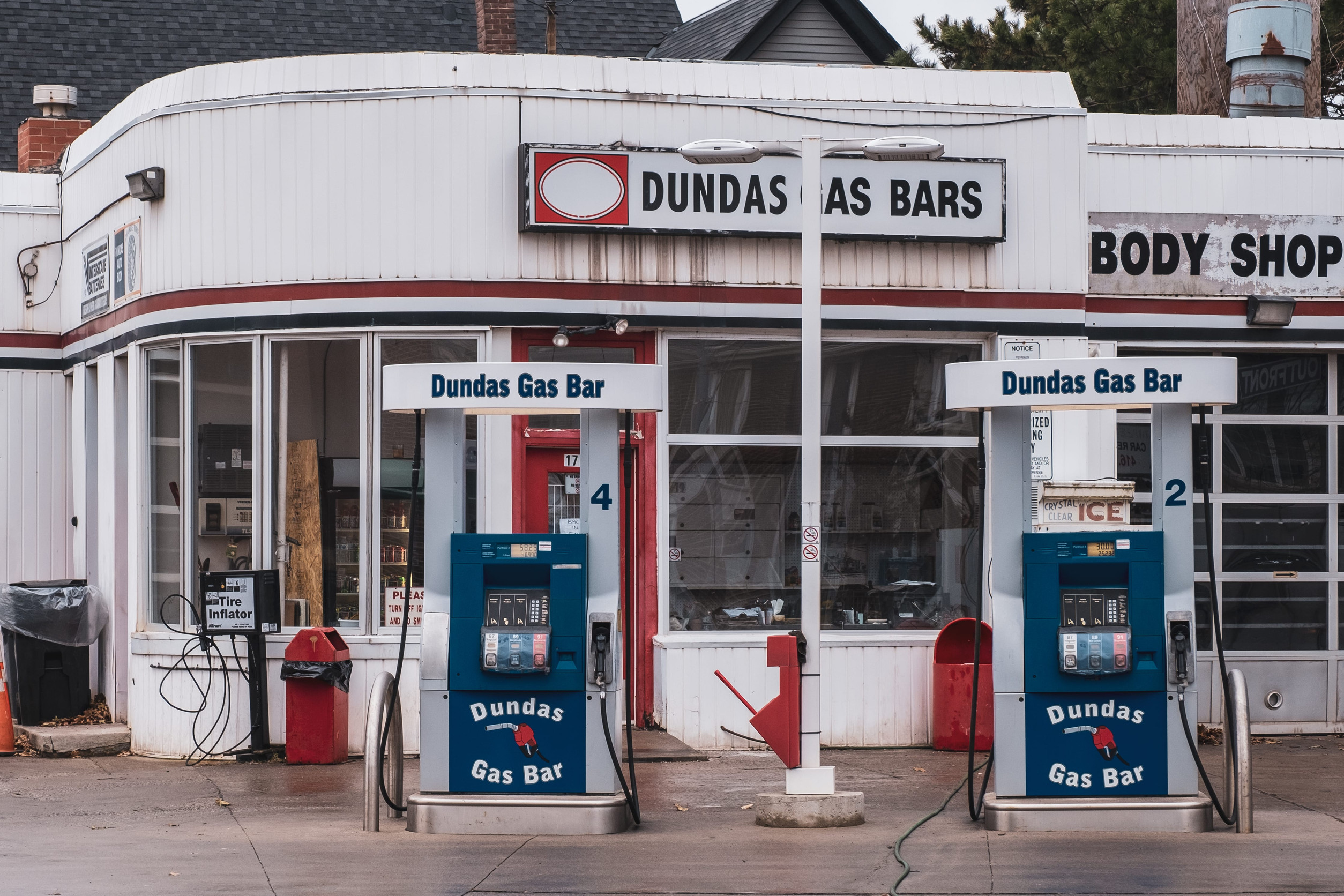
The first reason Iran tensions feel too close to home is painfully simple. People may not follow every diplomatic meeting, but they notice when filling a tank starts feeling like a financial ambush. The Strait of Hormuz remains one of the world’s most sensitive energy routes, and recent disruptions have shaken oil markets again.
That means a family trip, school run, work commute, or weekend errand suddenly costs more. Nobody needs a foreign policy degree to understand a receipt that looks rude. IMO, gas pumps have become the world’s most annoying political commentators.
Energy prices also create a domino effect. Shipping costs rise, airlines adjust prices, and stores quietly pass those costs on to shoppers. One conflict can travel from a military map to your grocery cart faster than anyone wants.
Grocery Bills Start Acting Suspicious
Food prices often rise when fuel costs rise. Trucks, ships, farms, warehouses, and delivery routes all depend on energy in some way. That is why tensions with Iran can feel like they are sitting right inside the refrigerator.
People may plan a simple dinner and still feel squeezed. Eggs, meat, bread, snacks, and frozen meals all move through systems that hate uncertainty. When oil jumps, the humble grocery list can start behaving like a luxury menu.
This is where global stress becomes kitchen table stress. Parents compare brands, couples delay treats, and single shoppers wonder why basic food feels dramatic again. Who knew geopolitics could make cereal feel personal?
Travel Plans Become A Nerve Test
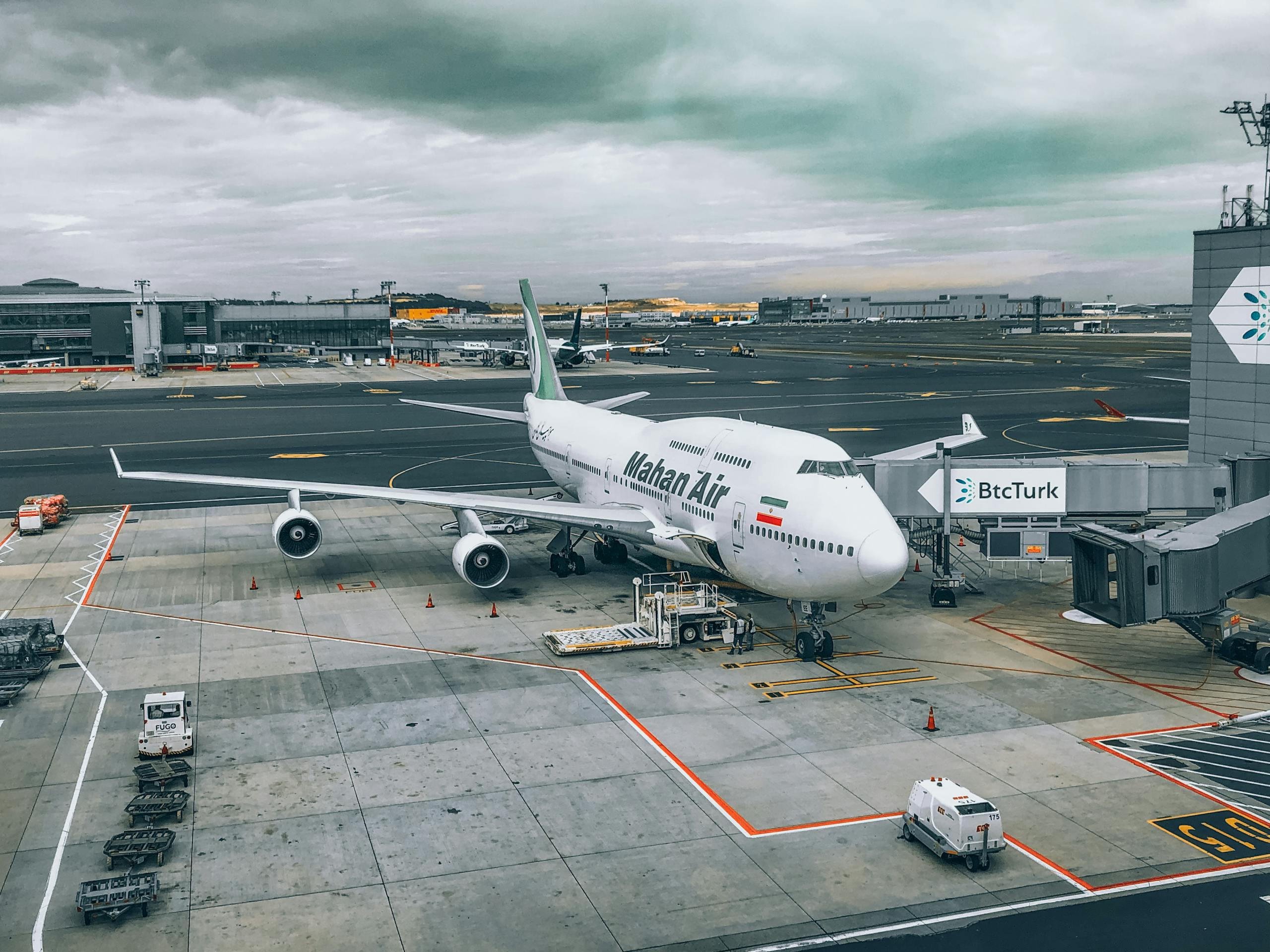
Travel already comes with delays, airport chaos, and that one person blocking the aisle like they own aviation. Add regional instability, airspace concerns, and official warnings, and suddenly, travel feels less carefree. The U.S. State Department still warns Americans not to travel to Iran and has also urged increased caution abroad during heightened Middle East risks.
That warning not only matters to people planning to visit Iran. It shapes wider travel anxiety across connecting routes, nearby countries, airline decisions, and family conversations. People with relatives abroad feel every update more sharply.
Vacation planning should feel exciting, not like reading a security briefing with a suitcase nearby. Yet many travelers now check alerts before checking hotel photos. FYI, nothing kills wanderlust faster than wondering if your flight path will become a news segment.
Cyber Threats Bring The Conflict To Your Screen
Modern conflict does not always arrive with tanks or missiles. Sometimes it arrives as a hacked account, a frozen payment system, or a local service that suddenly stops working. U.S. agencies have warned organizations to remain alert to Iran-linked cyber activity targeting critical infrastructure.
That is what makes today’s fear feel so intimate. People store banking details, medical records, work files, school accounts, and family photos online. A cyber attack can turn a geopolitical crisis into a personal headache before lunch.
This does not mean everyone should panic and wrap their router in foil. It does mean stronger passwords, updates, and basic digital hygiene matter more during tense moments. Sometimes the most patriotic thing you can do is stop using the same password everywhere.
The News Cycle Feels Impossible To Escape
Iran tensions feel close because the news follows people everywhere. It appears on phones, televisions, podcasts, group chats, and social feeds before anyone has had coffee. A person can try to avoid the topic and still meet it in a push notification.
The problem is not just the news itself. It is the emotional whiplash between peace talk rumors, strike reports, market swings, and fresh warnings. Reuters reported sharp oil moves as hopes for a deal rose and fell within days, showing how fast the mood can flip.
That constant uncertainty wears people down. One minute, headlines sound hopeful. The next minute, everyone is refreshing the feed like the group project depends on them.
Military Families Feel The Tension First
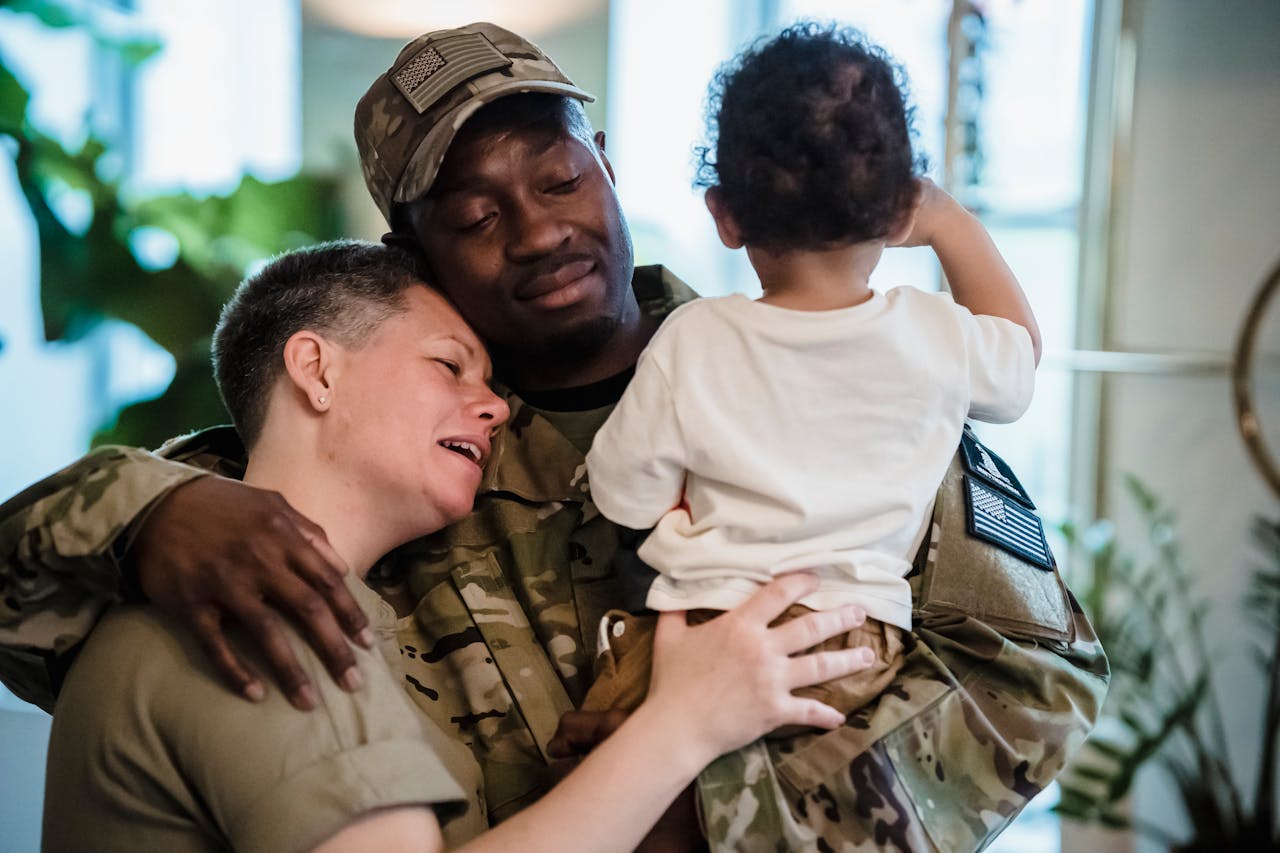
For military families, tensions with Iran do not feel abstract at all. They feel like late-night calls, quiet worry, packed bags, and news reports that land differently. When a region heats up, service members and their loved ones often feel the emotional temperature before everyone else.
Even families without active duty relatives can sense the possibility of escalation. They remember past conflicts, long deployments, and the way foreign crises can reshape domestic life. That memory sits under the surface like a bruise.
This is why casual political arguments can feel cruel to some households. For one person, the issue is a debate topic. For another, it could mean someone they love gets sent into danger.
Financial Markets Make Everyone Nervous
Wall Street may seem far removed from ordinary life, but markets shape pensions, savings, jobs, mortgages, and confidence. When Iran tensions rattle oil, gold, and stocks, regular people feel the ripple even when they never open a trading app. Reuters reported that markets moved sharply as investors weighed the risks of conflict and hopes for peace.
That matters because fear changes behavior. People delay purchases, businesses pause hiring, and investors move money into safer places. A headline overseas can quietly affect a paycheck decision at home.
The financial anxiety also feels familiar because many households already feel stretched. Add another global shock, and people wonder what breaks next. Is it dramatic to worry about your budget because of a foreign crisis? Not really.
Nuclear Anxiety Never Fully Went Away
Iran’s nuclear program remains one of the biggest reasons people feel uneasy. The International Atomic Energy Agency has continued reporting concerns over verification and access tied to Iran’s nuclear activities.
Nuclear language has a way of making the room colder. Even people who do not follow enrichment levels understand that nuclear tension raises the stakes. It turns politics into something that feels bigger than politics.
This fear also carries old emotional baggage. Many people grew up hearing about nuclear threats in school, movies, and family conversations. So when Iran tensions rise, that old dread wakes up and asks, “Anyone have a plan?”
Communities Feel The Social Pressure
International crises often spill into local communities. People argue online, neighbors disagree, families split over news coverage, and workplaces suddenly feel tense. The conflict may be overseas, but the arguments can happen right at the dinner table.
That social pressure can be exhausting. Some people feel expected to pick a side instantly. Others stay quiet because every opinion online seems one typo away from a digital courtroom.
This is where empathy gets tested. People can care about safety, civilians, diplomacy, and national interests without turning every conversation into a cage fight. Shocking idea, right?
The Sense Of Control Disappears

The most brutal part is the feeling of helplessness. Ordinary people cannot negotiate ceasefires, reopen shipping lanes, or calm military leaders. They can only watch, adjust budgets, check loved ones, and hope adults in power act like adults.
That lack of control makes Iran tensions feel bigger than other news stories. People can vote, donate, prepare, and stay informed, but they cannot directly steer the moment. That gap between awareness and control creates stress.
Still, everyday choices matter more than they seem. Staying informed without doomscrolling helps. So does checking emergency plans, protecting accounts, saving where possible, and refusing to spread nonsense online.
Conclusion
Iran tensions feel too close to home because modern life connects everything. Oil routes touch gas prices, cyber threats touch screens, travel warnings touch family plans, and market swings touch savings. A crisis across the world can now knock on the front door without ever asking permission.
The answer is not panic. Panic burns energy and solves very little, which is rude behavior for an emotion. The better response is calm awareness, practical planning, and a little less blind scrolling.
So yes, this situation feels personal because the world has become deeply connected. What happens in one region can reshape daily life in another with surprising speed. The real question is not whether people should care, but how they can stay steady when the headlines refuse to calm down.