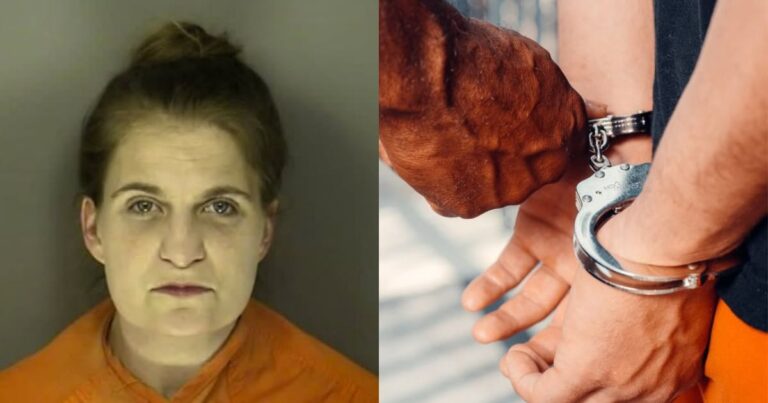
Most people do not wake up expecting their day to end in handcuffs. They wake up late, rush through traffic, forget paperwork, dodge a bill, answer a question badly, or make one panicked choice in a stressful moment.
That is what makes this topic so unsettling. Trouble does not always start with a dramatic crime scene. Sometimes it starts with a missed letter, an unpaid fine, a bad assumption, or a decision made in the heat of the moment.
These small mistakes in behind-the-bars stories are not meant to make people paranoid. They are about showing how ordinary life can collide with a legal system that often has very little patience for confusion.
Laws vary by state, and anyone facing a real charge should speak with a qualified attorney. Still, many problems get worse because people wait, guess, hide, or hope the issue will go away.
Missed Court Dates

A court date can feel easy to forget when life is already crowded with work, childcare, bills, illness, and transportation problems. Still, missing court can turn a manageable case into something much more serious.
Courts may issue a summons or even a warrant when someone fails to appear or fails to pay certain tickets. That means a traffic stop, job background check, or routine encounter can suddenly become an arrest because of a date someone thought they could fix later. The safest move is to address missed court dates promptly rather than hoping the system forgets.
Ignoring Traffic Tickets Until They Become Bigger Problems
A speeding ticket or parking-related court notice may seem like a small annoyance. People toss it on the counter, promise to deal with it later, then lose track of the deadline.
That delay can lead to additional fees, license issues, court trouble, or a warrant, depending on the state and the charge. A simple ticket becomes more dangerous when it moves from “I need to pay this” to “I ignored this long enough for the court to act.” Ordinary people often get trapped by delay, not rebellion.
Driving With a Suspended License
Some people do not realize their license is suspended until an officer tells them. Others know but feel they have no choice because they still need to get to work, school, court, childcare, or medical appointments.
That choice can create serious legal trouble. Driving with a suspended license may lead to arrest in many places, especially when linked to unpaid fines, insurance issues, DUI cases, or repeated violations. If driving privileges are gone, the better move is to contact the agency or court and work toward reinstatement before getting behind the wheel.
Talking Too Much During a Police Encounter

Innocent people often believe that explaining everything will help. They talk fast, fill awkward silence, correct themselves, guess at answers, or try to sound cooperative even when they are confused.
The danger is that every extra sentence can be misunderstood, misremembered, or used in a way the person did not expect. People generally have the right to remain silent, though rules around identifying yourself can vary by state and situation. Calm, simple answers are safer than nervous speeches.
Lying to Police About Small Details
A scared person might lie about where they were, who they were with, how much they drank, or why they were in a certain place. The lie may feel small in the moment because the person is trying to avoid embarrassment or panic.
That small lie can become a separate problem. Even when the original issue is minor, false statements can lead police and prosecutors to view the person as dishonest. If you do not know an answer, saying you do not know is better than inventing one under pressure.
Violating Probation Without Thinking It Counts
Probation can come with many conditions. A person may have to report to an officer, attend classes, avoid certain people, pay fees, stay sober, keep a job, follow curfews, or get permission before moving.
Missing one meeting or failing to meet one requirement can have consequences, even when the person did not intend harm. Courts may respond to probation violation consequences by adding conditions, extending probation, or revoking it in serious cases. That makes communication important before a small miss becomes a major hearing.
Depositing a Strange Check Without Asking Questions

Fake check scams often target people who need money, jobs, prizes, rental deposits, or quick payments. Someone sends a check, asks the victim to deposit it, then tells them to send part of the money elsewhere.
The bank may make funds look available before the check fully clears, but that does not mean the check is real. Once the fraud is discovered, the depositor may owe money back and could face ugly questions if the situation looks suspicious. Before moving money, watch for fake check scams and slow the whole thing down.
Forgetting That Protective Orders Are Not Suggestions
A protective order, restraining order, or no-contact order can feel confusing, especially when emotions are high. Someone may think one text, one apology, one social media message, or one drive past a house does not really count.
It can count. Violating an order may lead to arrest, even if the other person responds, invites contact, or seems willing to talk. The safest approach is to follow the order exactly and use legal channels to request any changes.
Failing to File Taxes and Hoping It Blows Over
Tax problems can feel terrifying, so some people avoid them. They miss a filing deadline, ignore letters, or assume the issue will get easier when they have more money.
Ignoring taxes usually makes the stress worse. Failure-to-file penalties can accumulate over time, and serious willful tax violations can lead to more severe consequences. Filing, communicating, and exploring payment options is far safer than pretending tax filing penalties do not exist.
Panicking and Running From a Bad Situation

Panic can make people do foolish things. Someone hears sirens, sees a fight nearby, gets pulled into a group confrontation, or fears being blamed for something they did not do. Then they run.
Running can make an innocent person look guilty and may create additional legal problems depending on the situation. Staying calm, moving to safety, calling for help, and speaking with legal support if needed is usually wiser than letting fear take control of your feet.
Key Takeaway
The scariest part about small mistakes behind bars is that many begin with ordinary pressure. People are late, broke, embarrassed, scared, confused, or trying to avoid one more problem.
The better path is not perfection. It is a fast correction. Open the letter. Call the court. Ask for legal help. Show up. Do not lie. Do not guess. Do not ignore deadlines. Small choices can either shrink a problem or turn it into a jail cell.