A trip to an American supermarket in the 1960s offered products that would look unfamiliar to many shoppers today. Packaging was different, television advertising was becoming increasingly influential, and food companies were experimenting with convenience.
Some products disappeared because of changing tastes or business decisions. Others were discontinued and later revived in different forms. These eight grocery store products capture the creativity and unpredictability of mid-century food marketing.
1. Fizzies Drink Tablets
Fizzies offered a simple idea: drop a flavored tablet into water and watch it transform into a fizzy drink. The product appealed to children who enjoyed the novelty of preparing their own beverage.
The tablets became widely recognized during the 1960s. Their popularity reflected an era when companies frequently marketed unusual convenience products to families.
Changes involving sweeteners contributed to problems for the original formula. Later revivals appeared, but Fizzies never regained the same position in everyday American grocery shopping.
2. Space Food Sticks
Space Food Sticks were chewy, individually wrapped snacks associated with America’s enthusiasm for space exploration. Pillsbury marketed the product during the late 1960s.
The sticks were available in flavors including chocolate and peanut butter. Their connection to astronauts and space technology made them attractive to children interested in the space program.
The original product eventually disappeared from mainstream grocery shelves. Similar nutrition bars remain common, but they lack the specific space-age identity that distinguished Food Sticks.
3. Screaming Yellow Zonkers
Screaming Yellow Zonkers was a glazed popcorn snack known for unusual packaging and humorous advertising. The black box stood out from conventional brightly colored snack packages.
The product appeared near the end of the 1960s and remained familiar during the following decades. Its advertising sometimes treated the package itself as entertainment.
The brand eventually disappeared from regular production, although limited returns occurred. Its distinctive name remains part of snack-food nostalgia.
4. Fruit Stripe Gum
Fruit Stripe gum combined colorful striped pieces with fruity flavors and a recognizable zebra mascot. The gum became familiar to generations of children.
Temporary tattoos and memorable packaging contributed to its appeal. Although the flavor was sometimes criticized for fading quickly, the product retained a loyal following.
Ferrara confirmed the gum’s discontinuation in 2024. A history of grocery products that vanished traces its place among familiar brands from earlier decades.
5. Jell-O 1-2-3
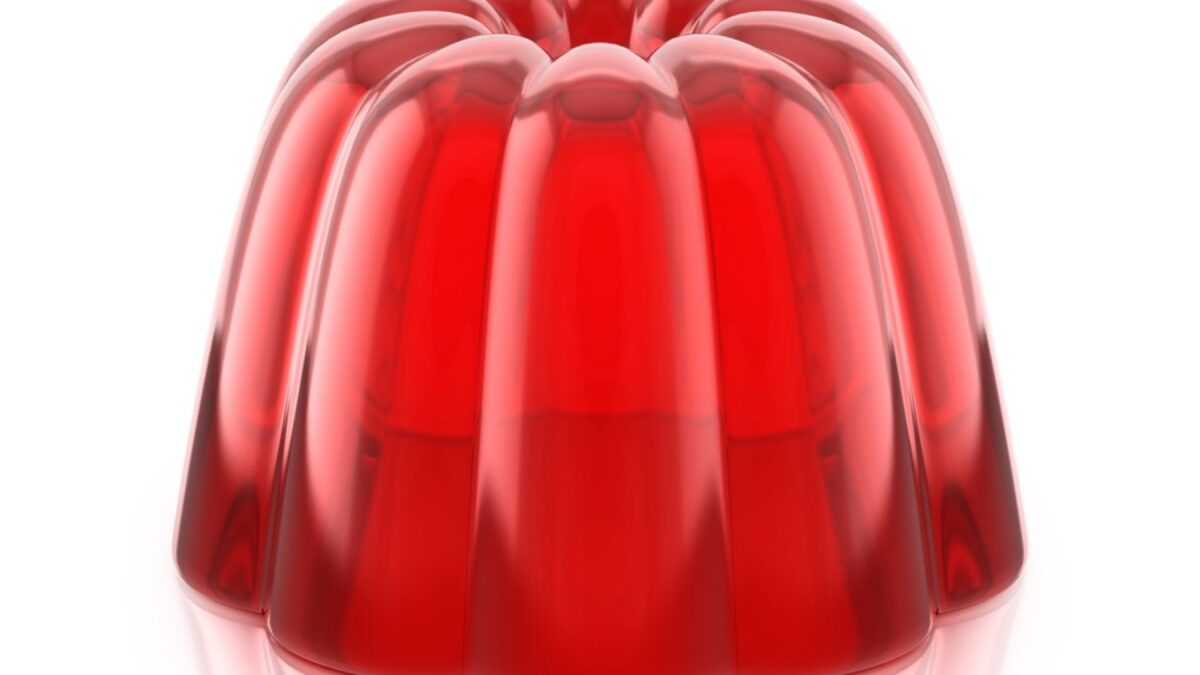
Jell-O 1-2-3 was introduced in 1969 and became familiar during the following decades. The dessert separated into three layers after mixing and refrigeration.
The finished product looked more elaborate than the preparation required. That made it attractive to families who wanted a decorative dessert without making several separate mixtures.
The original product was eventually discontinued in the 1990s. Its layered appearance remains one of the most recognizable features for people who remember it.
6. Pizza Spins
Pizza Spins were crunchy snacks shaped like small wheels and seasoned with pizza-inspired flavors. The unusual shape distinguished them from ordinary potato chips.
They emerged during an era when companies experimented with new snack formats and flavor combinations. Their appearance and marketing helped attract attention.
Pizza Spins did not remain part of the mainstream snack aisle. Although pizza-flavored snacks still exist, the original product’s distinctive shape remains part of its appeal.
7. Shake-A-Pudd’n
Shake-A-Pudd’n was a dessert product designed around convenience and preparation. The appeal came from creating pudding without using a traditional stovetop cooking process.
Consumers mixed the ingredients in a container, making the preparation part of the product’s novelty. It reflected the growing interest in foods that reduced kitchen work.
The brand eventually disappeared from regular grocery shelves. Instant pudding products remain widely available, but the original name and presentation are mostly associated with nostalgia.
8. Tang
Tang stands apart because it hasn’t disappeared completely. The powdered orange-flavored drink remains available in some markets, although its prominence in American households has changed.
The product became strongly associated with the space program after NASA used Tang on certain missions. Advertising helped connect the drink with astronauts and modern technology.
Tang demonstrates how a product can remain in existence while losing some of its earlier cultural visibility. Its historical identity is often more familiar than its current place on supermarket shelves.
Why Did These Products Lose Their Place?
A successful product launch doesn’t guarantee permanent shelf space. Companies respond to changes in sales, ingredient costs, consumer preferences, and competition.
The Smithsonian’s supermarket history documents how packaging and convenience products transformed American grocery shopping. Those changes created opportunities for new products while making older ones easier to replace.
Some of these products were unusual enough to be remembered decades later. Others were simply familiar parts of everyday childhood.
What makes them interesting is the way they capture a particular period in grocery history. A single package can remind someone of a supermarket aisle, a television commercial, or a childhood treat.