Every family has at least one food combination that seems completely normal until someone else hears about it. Peanut butter on a burger, French fries dipped in a milkshake, or mayonnaise on fruit can provoke surprisingly strong reactions.
Many combinations exist because they balance contrasting flavors and textures. Sweet ingredients can complement salty foods, while acidity can reduce the heaviness of rich dishes. These eight combinations demonstrate how personal food preferences can be.
1. Pineapple on Pizza
Pineapple pizza combines sweet fruit with cheese, tomato sauce, and savory toppings. Supporters enjoy the contrast, particularly when pineapple accompanies ham.
Critics dislike the sweetness or the moisture pineapple can release during baking. Some argue that fruit changes the character of a dish they expect to be entirely savory.
Neither preference establishes a universal rule about pizza. The combination remains popular enough to appear on menus, even as customers continue debating it.
2. French Fries Dipped in Milkshakes
Dipping hot French fries into a cold milkshake combines sweetness, saltiness, and contrasting temperatures. Some people consider the combination a perfect snack.
Others find the idea unappealing because fries are traditionally paired with ketchup or another savory sauce. The milkshake can also soften the fries, changing their texture.
The combination demonstrates how familiar foods can create a different experience when eaten together. People who enjoy sweet-and-salty snacks may find it more appealing than those who prefer distinct flavors.
3. Peanut Butter on Hamburgers
Peanut butter burgers appear on some restaurant menus, particularly in places known for creative burger toppings. The spread adds richness and a recognizable nutty flavor.
Supporters appreciate the contrast between peanut butter and seasoned beef. Critics may find the combination too heavy, especially when the burger already contains cheese or bacon.
The result depends on portion size and preparation. A small amount of peanut butter can produce a different experience from a thick layer covering the entire patty.
4. Mayonnaise on Fruit
Some traditional American salads combine fruit with mayonnaise, cheese, or vegetables. Southern pear salad, for example, commonly features canned pear halves with mayonnaise and shredded cheese.
For unfamiliar diners, the combination seems surprising because mayonnaise is usually associated with savory foods. Yet its tanginess can contrast with the sweetness of fruit.
These preparations belong to a broader history of unusual old-fashioned foods. Their continued popularity in particular families shows how strongly food traditions can influence taste.
5. Watermelon With Salt
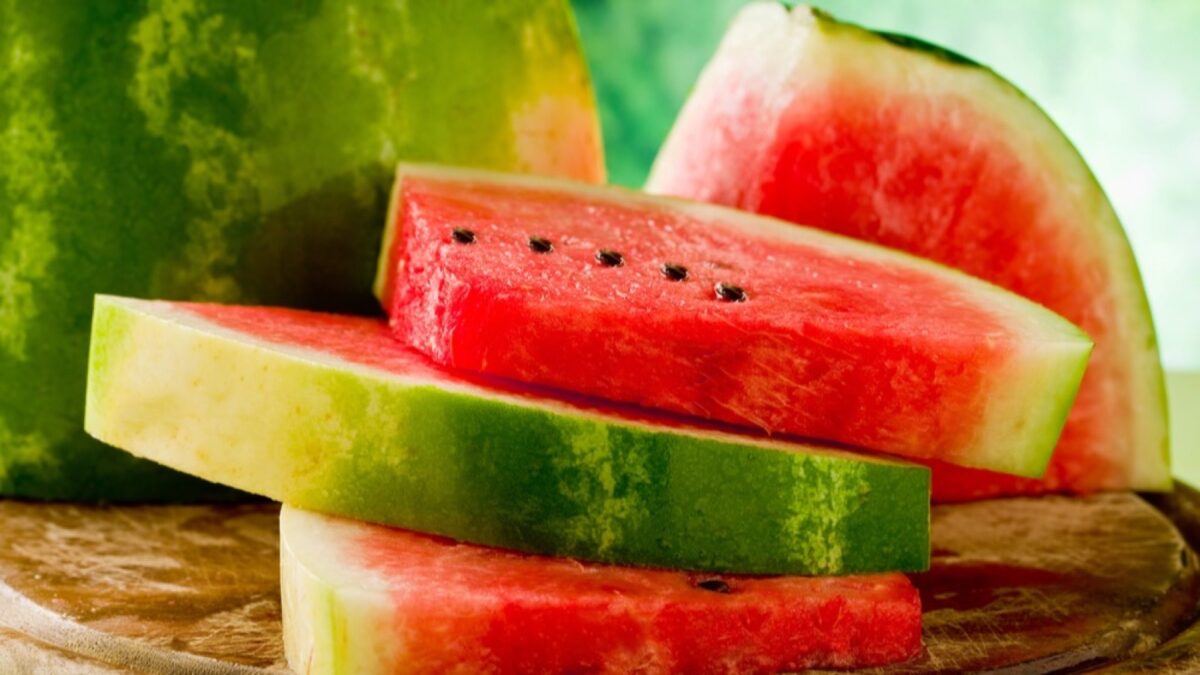
Watermelon is naturally sweet, but some people sprinkle salt onto the fruit before eating it. A small amount can change how its sweetness is perceived.
Others dislike the addition because they prefer fruit without seasoning. The idea of salting something normally served as a refreshing dessert may seem unnecessary.
This habit varies by household and region. Some people associate it with childhood summers, while others have never tried it.
6. Cheese With Apple Pie
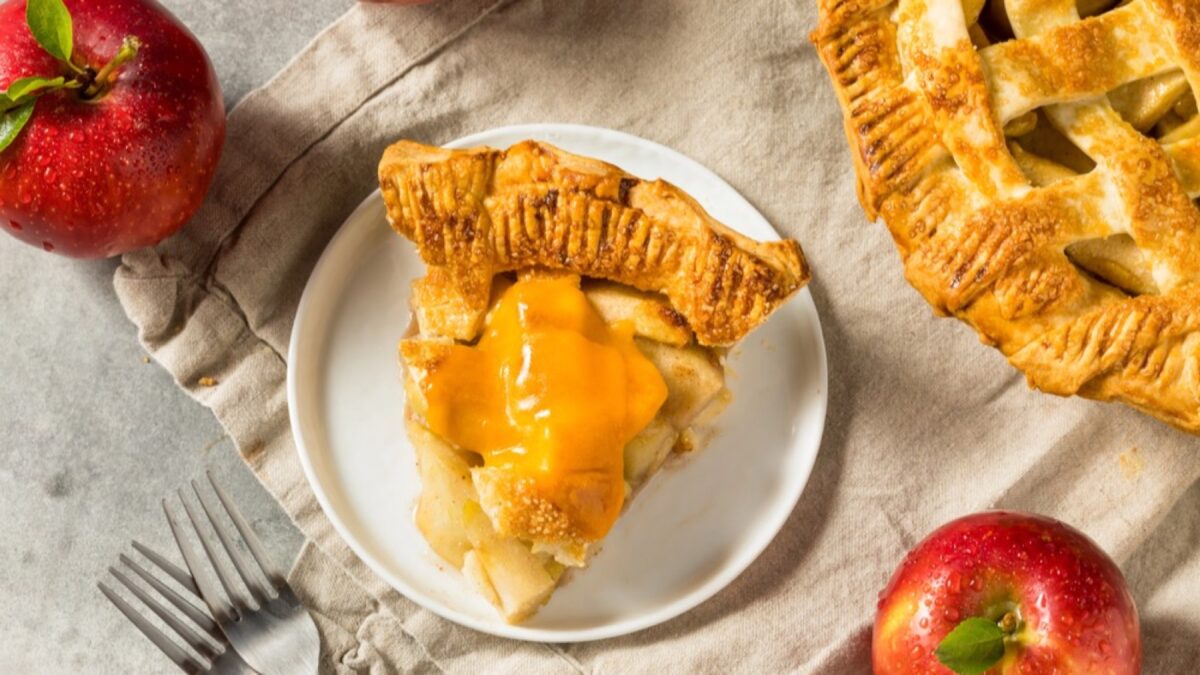
Cheese and apple pie is a traditional pairing in parts of the United States. Cheddar is a familiar choice because its sharp, savory flavor contrasts with the sweet filling.
Some people enjoy melting cheese over warm pie. Others prefer a slice served alongside the dessert.
For someone accustomed to eating apple pie with ice cream, the combination may seem unusual. Yet both pairings rely on contrasting flavors to complement the fruit.
7. Potato Chips Inside Sandwiches
Adding potato chips to a sandwich creates a crunchy layer between otherwise soft ingredients. The chips contribute salt and texture, particularly in sandwiches containing cheese or sliced meat.
Some people enjoy the added crunch, while others find it messy and unnecessary. Chips may also become soft if the sandwich sits too long before being eaten.
The combination is especially associated with casual lunches and childhood experimentation. It turns an ordinary sandwich into something slightly different without requiring another major ingredient.
8. Ketchup on Scrambled Eggs
Ketchup is a familiar topping for fries and burgers, but some people add it to scrambled eggs. Its sweetness and acidity contrast with the eggs’ mild flavor.
Critics may argue that ketchup overwhelms the taste of properly cooked eggs. Supporters appreciate the added moisture and familiar seasoning.
Other people prefer hot sauce, salsa, or no topping at all. Breakfast preferences are shaped by habit as much as any supposed culinary rule.
Why Do These Combinations Divide Opinion?
Flavor preferences develop through experience, exposure, and cultural traditions. A combination that seems unpleasant in one household may be a familiar favorite in another.
Texture also matters. Someone may enjoy the individual ingredients but dislike how they feel when combined.
There is no need to treat every unusual combination as something everyone should try. Food traditions are diverse, and personal preferences deserve room.
Perhaps the most interesting part of these combinations is how ordinary they become through repetition. Once something is associated with childhood or family gatherings, it can feel natural even when outsiders find it surprising.