Severe weather is no longer the kind of problem Americans can treat like a rare interruption. Storms are stronger. Flood warnings arrive faster. Wildfires spread with terrifying speed. Tornado sirens can turn an ordinary evening into a race for safety. Yet many families are still preparing too late, too casually, or not at all.
The most painful part is that children often carry the emotional weight of adult confusion. They hear the panic. They see the rushed packing. They watch the weather alerts light up every phone in the house. Then they look to adults for calm, only to find more fear. This is not just a weather problem. It is a family readiness problem.
Across the country, households are learning the hard way that emergency preparation is not about being dramatic. It is about keeping children calm, protecting older relatives, saving pets, avoiding last-minute chaos, and making sure a bad day does not become lasting trauma.
Too Many Families Wait Until the Storm Is Already at the Door
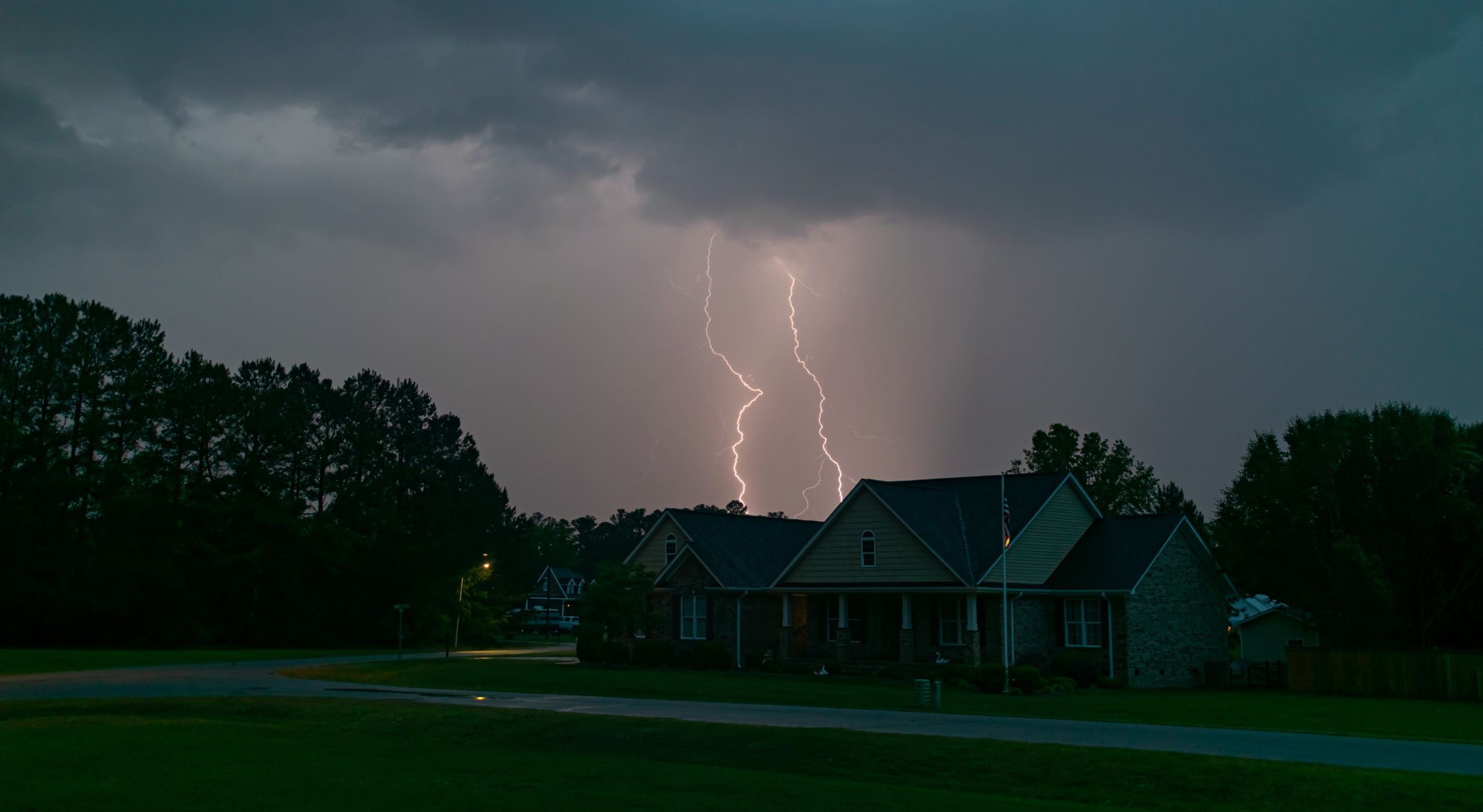
The first major mistake is waiting too long. Many Americans do not start preparing until the warning is already flashing across the TV screen. By then, grocery stores may be packed. Gas stations may have lines wrapped around the block. Batteries may be sold out. Roads may already be flooding.
That delay creates panic inside the home. Children notice when adults suddenly rush from room to room. They hear the fear in quick phone calls. They see parents arguing over what to pack, where to go, and whether it is already too late to leave.
A real severe weather plan should be ready before the hurricane, tornado, wildfire, or winter storm season begins. Families should already know where to shelter, where to evacuate, who to call, and what supplies are packed. Waiting until the storm arrives does not make anyone brave. It makes the whole household more vulnerable.
Parents Often Forget That Children Are Watching Every Reaction
Children do not need a weather expert in the living room. They need a calm adult. One of the biggest mistakes families make during severe weather is allowing panic to become the loudest voice in the house.
A child may not understand radar maps or storm categories, but they understand facial expressions. They understand tone. They understand when adults are scared. That does not mean parents should lie and say everything is fine. Children need honesty, but they need it in simple, steady words.
Instead of saying, “This is really bad,” a parent can say, “A strong storm is coming, and we are going to our safe place now.” Instead of saying, “I don’t know what we’re going to do,” a parent can say, “We have a plan, and we are going to follow it step by step.”
The difference matters. A child’s fear often rises or falls based on the adult in front of them. Calm words do not stop the storm, but they can stop panic from spreading through the family.
Emergency Kits Often Leave Out the People Who Need the Most Help
A flashlight, bottled water, and canned food are not enough. Many emergency kits are built as if every household were the same. But real families have babies, toddlers, grandparents, pets, pregnant women, people with disabilities, and relatives who depend on medication or medical devices. That is where many plans fall apart.
A family with an infant may need formula, diapers, wipes, bottles, and baby safe medicine. A child may need snacks, headphones, a favorite toy, or a small blanket to feel secure. An older adult may need glasses, hearing aid batteries, blood pressure medication, mobility support, or written medical instructions. Pets need food, water, leashes, carriers, waste bags, and vaccination records.
The emergency kit should match the actual home. Not the ideal home. Not the average home. The real one. The worst time to discover missing medicine, a pet carrier, or no baby supplies is during an evacuation order.
Americans Rely Too Much on Phones That May Fail
Phones are useful until they are not. During severe weather, cell service can weaken. Power outages can drain batteries. Internet service can drop. Chargers become useless when outlets stop working. Families who rely only on phones may suddenly lose their main source of information.
That is why a backup alert system matters. A battery powered radio, printed emergency contacts, written addresses, power banks, and saved offline information can make a major difference. Families should also agree on an out of area contact person. Sometimes it is easier to reach someone in another state than someone across town during a disaster.
Children should also know basic information, depending on their age. They should know their full name, their parents’ names, and what to do if separated from them. Technology helps, but it should not be the entire plan. A severe weather emergency is the wrong time to discover that the family’s safety plan depends on one dying phone.
Disaster Videos Make Children More Afraid Than Adults Realize

After storms, floods, tornadoes, and wildfires, social media fills with terrifying images. A flooded street. A burning neighborhood. A collapsed roof. A rescue boat. A crying family. The same video may play again and again across different platforms. Adults may understand that the footage is from another city or another state. Children may not. To them, repeated images can feel like repeated danger.
That is why families should limit disaster coverage around children. Staying informed is important, but children do not need nonstop images of destruction. Parents can explain what is happening without turning the home into a disaster newsroom. They can say, “That video is from another place.
We are watching our local alerts.” They can check updates at set times instead of refreshing the news every few minutes. Children need information, not emotional overload. When frightening images take over the home, the storm can keep going in a child’s mind long after the weather clears.
Families Do Not Practice the Plan Before They Need It
A plan that nobody has practiced is only half a plan. Families often assume everyone will know what to do when a warning comes. But emergencies create stress. Stress creates confusion. Confusion wastes time. A five minute drill can reveal problems quickly.
Maybe the flashlight batteries are dead. Maybe the safe room is packed with storage boxes. Maybe the child cannot find shoes. Maybe the pet hides under the bed. Maybe an older relative cannot get downstairs fast enough. Practice makes the plan real.
Children can also benefit from practice because it turns fear into action. They learn where to go. They learn what to bring. They learn that the family has a routine. The goal is not to scare them. The goal is to make safety feel familiar. When severe weather hits, practiced families move faster and panic less.
Many People Ignore the Mental Health Damage After the Weather Clears
A storm can end outside and continue inside people’s minds. After a severe weather event, adults may feel anxious, numb, angry, exhausted, or unable to sleep. Children may become clingy, quiet, irritable, or afraid of normal rain. Some may have stomachaches, nightmares, or sudden mood changes. These reactions can happen even if the family home was not destroyed.
People can be affected by nearby damage, school closures, power outages, evacuation stress, or fear for friends and relatives. Business owners may grieve the loss of equipment, records, income, or years of hard work. Parents may feel guilty over how scared their children became. The mistake is pretending everyone should simply “move on.”
Families should watch for stress that lasts for weeks or gets worse. They should talk openly, return to routines, seek community support, and get professional help when needed. Surviving the storm is one part of safety. Recovering from it is another.
Americans Keep Treating Severe Weather Like a Surprise
The most relatable mistake is also the most frustrating one. Every year, communities face hurricanes, tornadoes, floods, wildfires, winter storms, heat waves, and power outages. Yet every year, many households still act shocked when preparation becomes necessary. Severe weather may be unpredictable in timing, but the need to prepare is not.
Families do not need to live in fear. They need a plan that works. They need supplies that fit their household. They need calm language for children. They need backup communication. They need pet plans. They need medicine plans.
They need routines for recovery. Preparedness is no longer optional. It is a basic family responsibility. The families who handle severe weather best are not the ones who never feel afraid. They are the ones who know what to do while they are afraid. In the end, the storm is not the only danger.
The real danger is confusion, delay, panic, and pretending there will always be more time. For American families, severe weather readiness is no longer about being cautious. It is about refusing to let the next warning catch the whole household unprepared.