A backyard garden can be a wonderful little kingdom. You plant a few seeds, watch the leaves unfold, and dream about the delicious things you’ll eventually bring into your kitchen. But here’s an unexpected twist: some perfectly edible plants can land you on the wrong side of state gardening laws.
Across at least three U.S. states—Massachusetts, Texas, and New York—six edible plants face documented cultivation restrictions. Some are prohibited outright, while others require permits or cannot legally be propagated.
New York’s invasive-species rules took effect on March 10, 2015, while Texas introduced a water-spinach cultivation permit framework in 2009. These regulations aren’t about banning dinner. They’re largely designed to protect forests, waterways, and native plants.
Before you add something unusual to your vegetable patch, check these six edible plants against your local rules.
Black Currants: The Berry Massachusetts Won’t Let You Plant
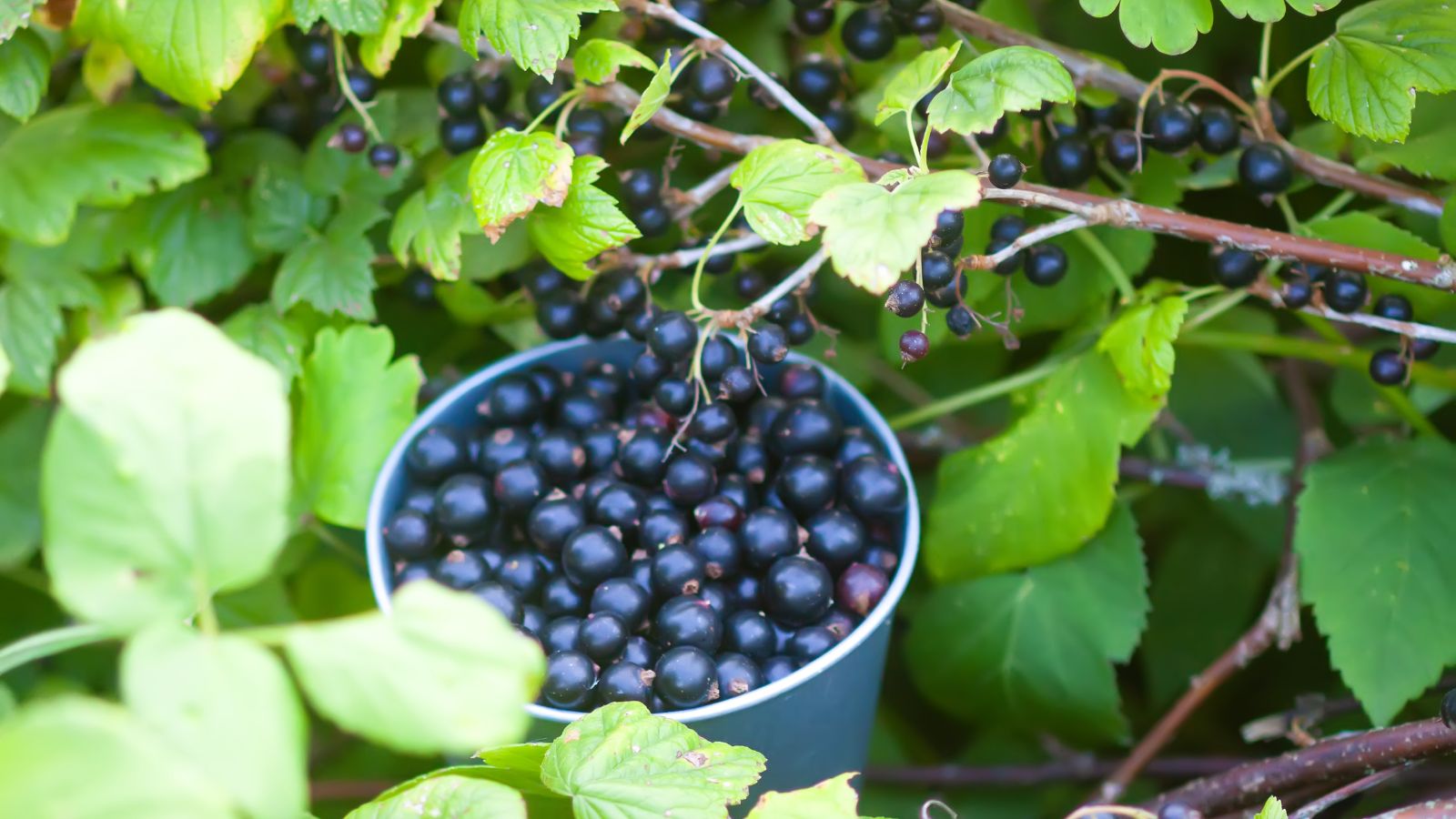
Black currants might sound like a delightful addition to a backyard berry garden. Unfortunately, Massachusetts prohibits planting them.
According to the Massachusetts Department of Agricultural Resources, black currants, scientifically known as Ribes nigrum, can spread white pine blister rust, a fungal disease that threatens white pine trees.
Under state regulation 330 CMR 9.02, black-currant plants, roots, seeds, and cuttings cannot be transported into or within Massachusetts.
Another detail gardeners shouldn’t overlook: Even black-currant hybrids, including jostaberries, are not permitted to be grown in the state.
The restriction doesn’t mean every black-currant product is forbidden. Massachusetts specifically exempts fruit transported or possessed solely for processing, as long as it isn’t being used to extract planting seeds.
So while the fruit can still have a place in food preparation, growing the plant is another story entirely. Sometimes the berry is welcome, but the bush isn’t.
Gooseberries: A Berry That Comes With Paperwork
Gooseberries may look like an innocent choice for a home garden, but Massachusetts has a complicated relationship with these little fruits.
Unlike black currants, gooseberries aren’t prohibited statewide. Instead, growers must obtain permission before planting them in eligible municipalities.
The Massachusetts permit guidance says the nursery or shipper must apply for and receive the required permit. However, some municipalities aren’t eligible for these permits.
Under regulation 330 CMR 9.03, the restricted destinations include Acton, Andover, Deerfield, Dover, Haverhill, and Newburyport, among others.
Red currants fall under the same general permit framework, although they shouldn’t be confused with the statewide black-currant planting prohibition.
It’s an unusual situation: a gardener in one Massachusetts town may be allowed to plant gooseberries with the proper paperwork, while someone elsewhere may not qualify.
The lesson? Before ordering berry bushes, check your town’s rules. Your gardening ambitions shouldn’t arrive in the mail before the permit does.
Water Spinach: The Vegetable That Needs Permission in Texas
Water spinach is a familiar ingredient in cooking traditions, but in Texas, growing it isn’t as simple as planting a few stems.
Also called kangkong, the plant’s scientific name is Ipomoea aquatica. It’s different from ordinary garden spinach, Spinacia oleracea.
According to the Texas Parks and Wildlife Department, cultivating water spinach requires a permit, even when someone intends to grow it only for personal use.
Texas approved its water-spinach permit framework in November 2009, with requirements covering facilities, inspections, recordkeeping, and measures intended to prevent plants from spreading into waterways.
The distinction between buying and growing matters here. Texas allows people to purchase lawfully supplied water spinach for personal consumption without obtaining the cultivation permit.
Meanwhile, the USDA also regulates water spinach as a federal noxious weed, including restrictions governing importation and interstate movement.
So yes, water spinach can still appear on a Texas dinner table. But turning your backyard into a growing space for it requires official permission.
Chinese Yam: An Edible Tuber With a New York Restriction
A vegetable that grows underground might seem like an unlikely troublemaker. Yet Chinese yam has earned a place on New York’s prohibited invasive-species list.
Known scientifically as Dioscorea polystachya, Chinese yam is cultivated for its edible tubers. Its alternative scientific name, Dioscorea batatas, also appears in official records.
According to the New York Department of Environmental Conservation, prohibited invasive species cannot legally be propagated, sold, imported, or introduced, subject to applicable exceptions and authorizations.
The state’s 2015 regulations were established to reduce the spread of invasive species and protect existing ecosystems.
A New York invasiveness assessment also notes that discarded yard waste can contribute to the spread of Chinese yam. That makes this restriction particularly relevant to gardeners who enjoy experimenting with unfamiliar crops.
Importantly, the rule doesn’t mean every yam or sweet potato is prohibited. It concerns a particular species identified by its scientific name.
Before planting an unusual tuber, make sure you know exactly what you’re growing. Similar-sounding vegetables don’t always share the same legal status.
Garlic Mustard: The Edible Green New York Doesn’t Want Propagated
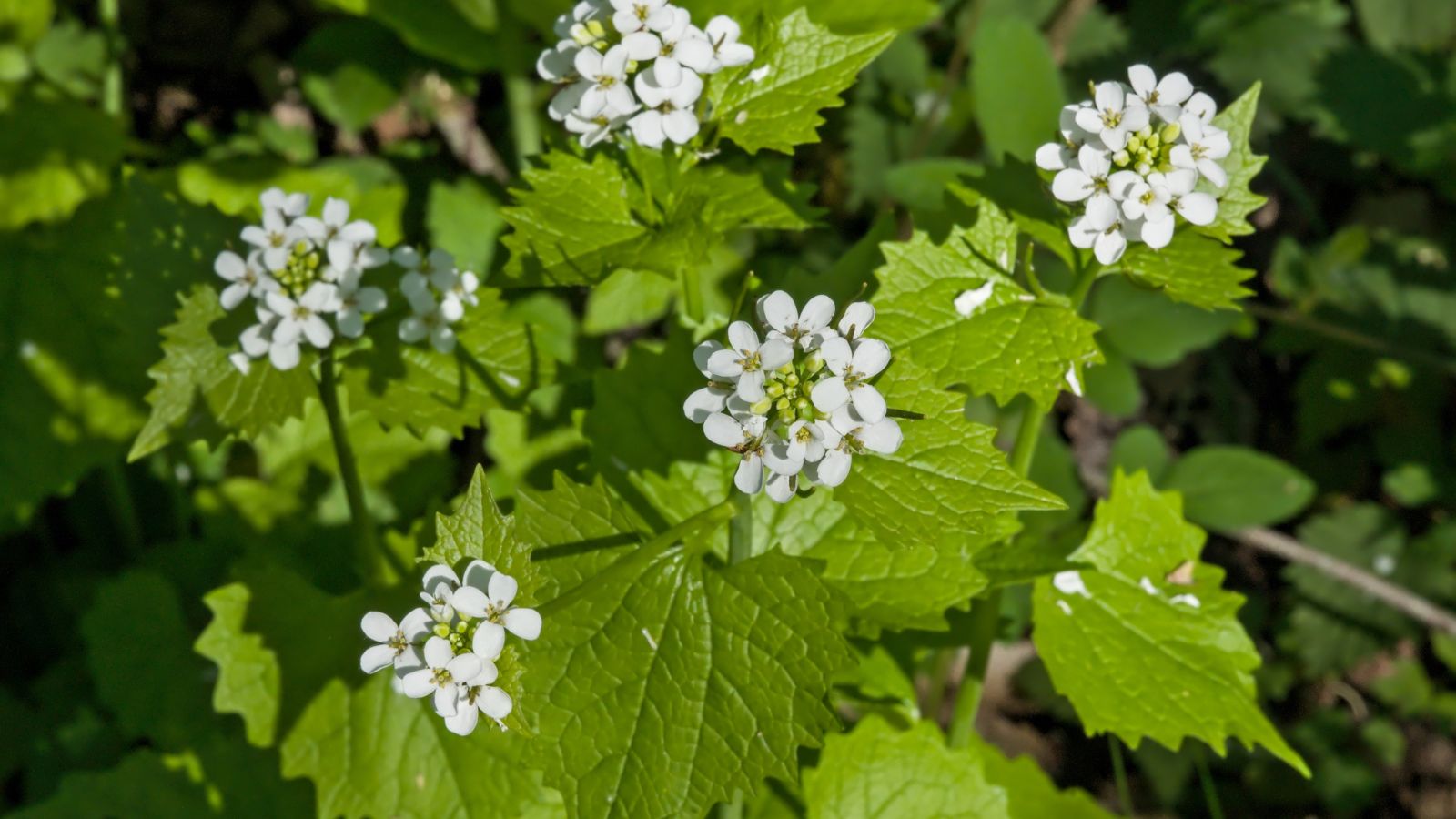
Garlic mustard sounds like something a creative cook might happily welcome into the kitchen. The name practically promises flavor.
But New York has placed Alliaria petiolata, commonly known as garlic mustard, on its prohibited invasive-species list.
Under the state’s Part 575 regulations, propagating this plant is prohibited because of concerns about its spread.
The Wisconsin Department of Natural Resources explains that garlic mustard can invade forests and other habitats. The plant releases chemicals into the soil that interfere with relationships between beneficial fungi and native plants. Yet there’s an interesting twist.
Wisconsin’s official foraging guidance allows personal-consumption collection of garlic mustard on certain state properties, subject to location-specific rules.
That distinction matters. Collecting an existing invasive plant where permitted is not the same as intentionally cultivating it.
New York’s regulations also don’t automatically make homeowners offenders simply because garlic mustard appears on their property.
So although this edible plant may have a place in some foraging traditions, deliberately growing it in New York is another matter.
Japanese Wineberries: A Raspberry Relative With Restrictions
Japanese wineberries have an appealing culinary side, but New York treats the plant as a prohibited invasive species.
The USDA Forest Service identifies Japanese wineberry (Rubus phoenicolasius) as a raspberry relative with edible fruit. You can eat its berries fresh or use them in jams, jellies, syrups, desserts, and even wine. That’s quite a tempting list for anyone who enjoys homemade fruit preserves.
However, the same species appears on New York’s prohibited invasive-species list. The USDA Forest Service explains that Japanese wineberry can spread through seeds and vegetative growth, including canes that take root when their tips contact the ground. This ability to establish new plants helps explain why moving or propagating the species raises concerns.
In New York, deliberately propagating Japanese wineberry is prohibited under Part 575, although that doesn’t mean ordinary raspberries or every plant in the Rubus genus face the same restriction.
It’s a reminder that delicious fruit doesn’t automatically make a plant suitable for every garden.
The Bottom Line: Check the Rules Before You Plant
These six plants reveal something surprising about American gardening: what’s perfectly acceptable to eat isn’t necessarily legal to cultivate.
Massachusetts distinguishes between black-currant prohibitions and gooseberry permits. Texas requires permission to grow water spinach. New York restricts propagating several edible invasive species under regulations that took effect in 2015.
The important detail is location. A rule in one state doesn’t automatically apply nationwide, and restrictions on live plants don’t necessarily ban harvested food.
Before purchasing seeds, cuttings, or unusual edible plants, check your state agriculture department or environmental agency’s current guidance.
After all, a beautiful kitchen garden should bring you the pleasure of growing something delicious—not an unexpected argument with the law.