Health advice spreads quickly, especially bad advice. We hear it from relatives, social media, and confident people. The issue is that common health tips often do not protect us but instead create confusion and unhealthy habits.
Egg Yolks Are Bad for You
Egg yolks have long carried an unfair reputation, mainly because people associate them with cholesterol. Yet the yolk is where many of the egg’s most valuable nutrients live. It contains choline, vitamin D, vitamin A, folate, iron, and healthy fats that help keep us fuller for longer.
Avoiding yolks can make eggs less nutritious. For most people, whole eggs fit into a balanced diet. Moderation, not fear, is key.

Cholesterol Is Always Dangerous
Cholesterol is not the villain many imagine. The body needs it for cell function, hormone production, and normal function. Problems arise only when cholesterol levels are unhealthy, driven by lifestyle, genetics, and diet.
Instead of fearing all cholesterol, we should focus on healthier fats, fiber-rich foods, movement, and regular checkups. Nuts, olive oil, fish, beans, fruits, and vegetables can support better heart health. The goal is balance, not panic.

Starving Yourself Helps You Lose Weight
Starving the body may seem like a shortcut, but it often turns into a trap. Extreme restriction can lower energy levels, increase cravings, reduce muscle mass, and leave people feeling weak, irritable, and exhausted. It may create quick scale changes, but it rarely builds lasting health.
Healthy weight loss needs food, not punishment. We do better with balanced meals, protein, fiber, water, movement, and realistic portions. A body that is nourished works better than a body that is constantly fighting hunger.

Detox Diets Cleanse the Body
Detox diets sound powerful because they promise a fresh start. The truth is that the body already has a built-in cleanup system. The liver, kidneys, lungs, skin, and digestive system work every day to process waste and protect the body.
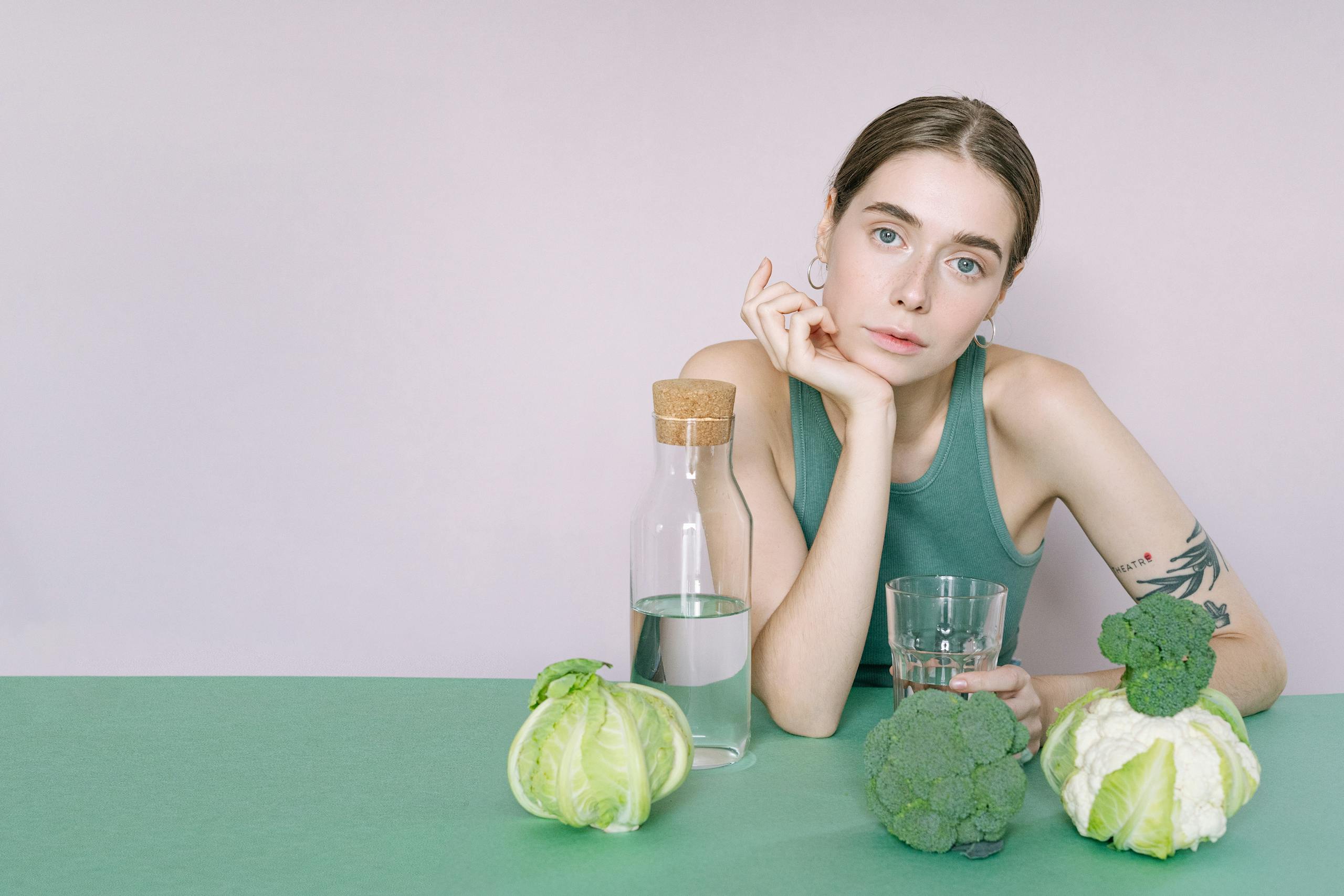
Most detox plans only create temporary restriction, water loss, or frustration. We support natural cleansing better through hydration, whole foods, sleep, and less alcohol, sugar, and ultra-processed food. Real wellness is built through steady habits, not dramatic cleanses.
Eating Before Bed Makes You Gain Weight
Eating at night does not automatically cause weight gain. The bigger issue is what we eat, how much we eat, and how often late-night eating becomes mindless snacking. A small balanced snack before bed is very different from overeating chips, sweets, or heavy leftovers every night.
The body does not suddenly stop processing food after sunset. What matters most is total daily intake and food quality. If bedtime hunger is real, a light option with protein or fiber can be better than going to sleep uncomfortably.
Crunches Give You a Six Pack
Crunches can strengthen the abdominal muscles, but they cannot reveal a six-pack on their own. Visible abs depend on overall body fat, nutrition, strength training, sleep, and consistency. Doing endless crunches without improving food choices and full-body fitness usually leads to disappointment.
A strong core is still worth building. Planks, resistance training, walking, and balanced meals do more for long-term results than one exercise repeated endlessly. Fitness works best when the whole body is included.
The Flu Shot Gives You the Flu
The flu shot does not give people the flu. Some people feel soreness, tiredness, or mild fever afterward because the immune system is responding. That reaction is not the same as catching influenza.
Skipping the flu shot because of this myth can leave people more vulnerable, especially older adults, children, pregnant people, and those with weaker immune systems. Vaccination remains one of the most practical ways to reduce flu risk and protect the people around us.

Conclusion
Health myths survive because they sound simple, familiar, and easy to repeat. Real health is usually more balanced than the loudest advice online. We protect our well-being best when we question extreme claims, respect the body’s natural systems, and build habits that can last.