Every neighborhood has its own rhythm. Dogs bark at the same mail truck, garage doors open around rush hour, kids leave bikes in driveways, and someone always seems to know when the trash schedule changes.
That is why strange behavior stands out. Not because privacy is suspicious or because every quiet person is dangerous. Most private neighbors are just busy, tired, introverted, or protecting their peace.
Still, the idea of a normal neighbor hiding something unsettles people because danger does not always arrive with loud warnings. Sometimes it hides behind a trimmed lawn, a polite wave, and an ordinary-looking front porch.
The key is not paranoia. It is paying attention to patterns that feel unsafe, repetitive, or clearly out of step with normal privacy practices.
Always Avoids Basic Interaction

Some people simply like privacy, and that should be respected. But a neighbor who panics over harmless contact, refuses any normal exchange, or reacts aggressively to basic questions may raise concerns over time.
One strange moment does not mean much. A pattern of extreme avoidance, hostility, and secretive behavior may warrant notice, especially if accompanied by other warning signs. Privacy is normal, but fear around ordinary contact can feel different.
Strange Visitors Come and Go at Odd Hours
Every household has guests, delivery drivers, relatives, workers, and late-night emergencies. That alone is not suspicious. The concern grows when there is constant traffic, quick visits, people waiting in cars, or repeated late-night movement that does not match normal social life.
Neighbors should avoid inventing stories out of curiosity. Still, if the pattern seems connected to threats, violence, drugs, exploitation, or unsafe activity, it may be wise to document what is actually seen and contact local authorities. Community safety efforts often rely on careful observation, not gossip, and neighborhood watch basics can help people understand the difference.
They Get Defensive About Simple Questions
A casual question like “Did you see the delivery truck?” or “Was your power out too?” should not usually trigger rage, panic, or a strangely rehearsed answer. People can have bad days, but repeated overreaction can make others uneasy.
Defensiveness can signal many things, including stress, trauma, family conflict, or fear. It does not prove wrongdoing. The bigger concern is when the behavior includes intimidation, threats, or attempts to make everyone else stop asking basic questions.
Their Story Changes Every Time Something Happens

In normal life, details shift because people forget. But when a neighbor offers wildly different explanations for loud noises, damaged property, strange visitors, missing items, or police activity, the inconsistencies can be hard to ignore.
Changing stories may point to embarrassment or conflict, rather than to crime. Still, repeated contradictions can matter if a serious incident happens nearby. When safety is involved, facts should be shared through proper channels instead of whispered through the block.
You Hear Signs of Trouble Behind Closed Doors
Arguments happen in many homes, but repeated screaming, threats, crashing sounds, cries for help, or signs that someone may be trapped or harmed should be taken seriously. It is better to be cautious than to ignore potential danger, even if it feels awkward.
Domestic violence often hides behind ordinary routines, and neighbors may notice pieces of a pattern before anyone else does. If someone appears unsafe, support resources like domestic violence help can guide people toward safer steps. In an immediate danger situation, calling emergency services takes priority over politeness.
They Pressure People for Money, Favors, or Secrecy
A neighbor who repeatedly asks for money, uses emotional pressure, pushes strange deals, or wants personal information may not simply be friendly. The pressure can become more concerning when they target older adults, newcomers, lonely residents, or people who are trying to be kind.
Scams often succeed because they leverage trust, urgency, and charm. People should be careful with cash, checks, accounts, passwords, gift cards, and private details. Basic awareness of common scam tactics can keep kindness from becoming vulnerability.
The House Looks Normal, but the Behavior Feels Controlled
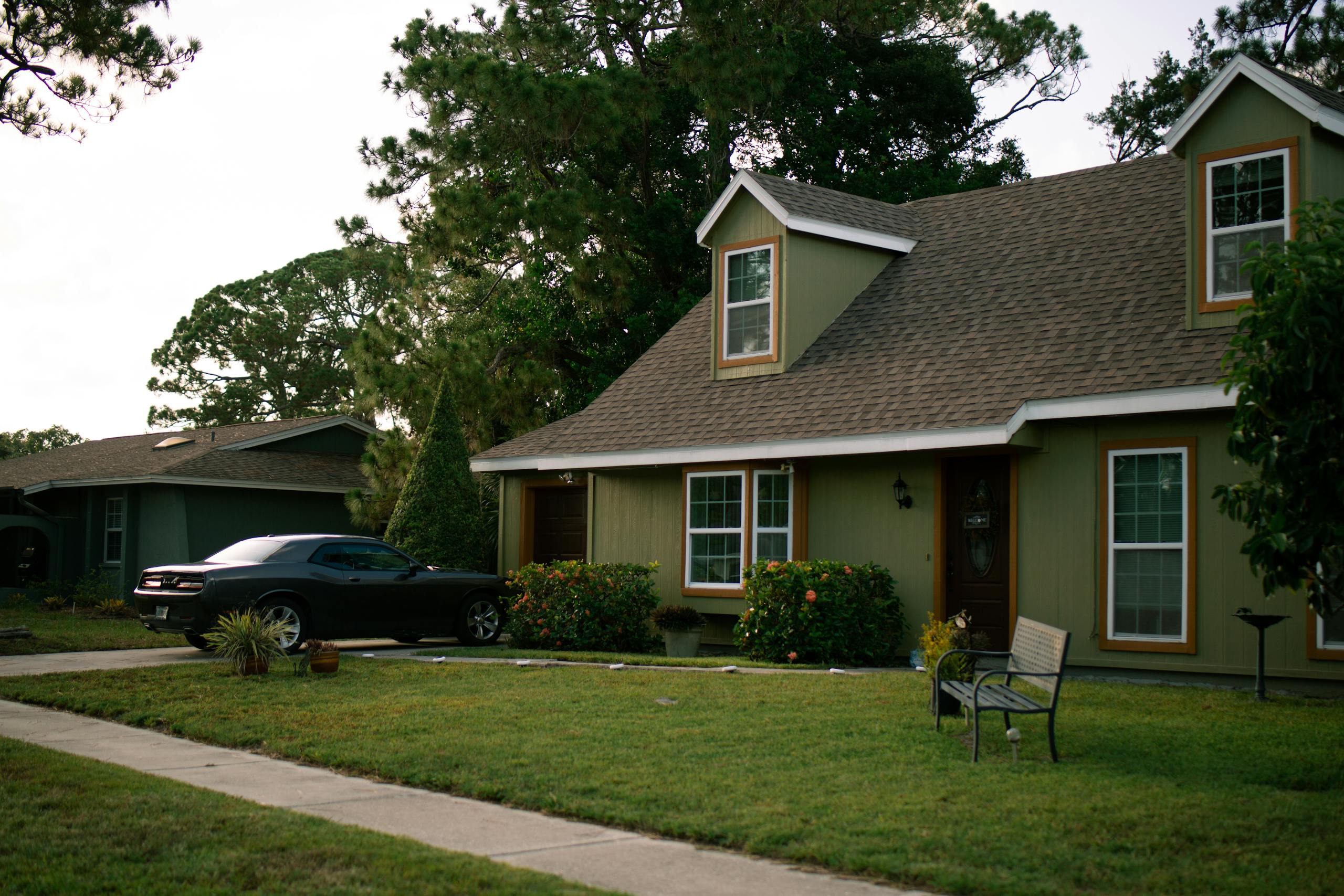
A tidy yard and quiet driveway can hide difficult realities. Sometimes one person in a household seems unable to speak freely, leave freely, answer the door, use a phone, or interact without another person watching closely.
That kind of control deserves attention. It could involve abuse, exploitation, coercion, or something else that needs careful handling. The goal is not to confront the controlling person directly, because that can make things worse. Safety comes first.
They Seem Too Interested in Everyone Else’s Routine
A neighbor who knows when people leave, when kids come home, when packages arrive, when garages are open, or when homes are empty may simply be observant. Some people notice everything because they are home often.
The concern grows when curiosity becomes intrusive. Asking repeated questions about schedules, security systems, travel plans, passwords, or who lives alone can feel predatory. If the behavior crosses into stalking, harassment, or threats, national guidance on stalking warning signs can help people recognize when attention has become unsafe.
Something Serious Happens, and They Push Everyone Not to Report It
A person who urges neighbors to ignore a threat, hide damage, avoid calling police, delete footage, or stop talking after a serious incident may be trying to control the story. That does not automatically make them guilty, but it is a serious red flag.
People should not be pressured into silence when safety is at stake. If there is a crime, threat, exploitation concern, or suspicious pattern, official reporting matters. For serious federal concerns, people can submit federal crime tips rather than let neighborhood fear handle the situation on its own.
Key Takeaway
A normal neighbor hiding something is not something anyone should assume lightly. Quiet people, private families, messy homes, odd schedules, and awkward conversations do not pose danger. Jumping to conclusions can hurt innocent people.
The safer approach is to notice patterns, not personalities. Write down facts, avoid gossip, protect vulnerable people, and report immediate danger through the right channels. A good neighbor is not someone who spies on everyone. A good neighbor is someone who pays attention when something truly feels unsafe.