The morning starts with a phone alarm, a weather app, a calendar reminder, a news alert, and a smart speaker answering a question nobody felt like typing. Before breakfast is even over, the brain has already outsourced half the day.
Across America, people are leaning on screens to remember birthdays, find restaurants, settle arguments, navigate familiar roads, manage lights, count steps, entertain children, and fill every awkward silence. Convenience feels harmless until it starts replacing effort.
That is why smart devices have become such a strange modern comfort. They make life easier, faster, and smoother, but they may also be training people to think less deeply, wait less patiently, and remember less on their own.
The problem is not technology itself. The problem starts when the device becomes the brain’s first answer to everything.
Smart Devices Are Turning Memory Into a Subscription Service

People used to memorize phone numbers, birthdays, directions, appointments, recipes, and small daily details because they had to. Now the phone remembers everything, and the brain gets fewer chances to practice.
That may feel efficient, but memory works like a muscle. When people stop using it for ordinary tasks, they can become more dependent on external prompts. A calendar reminder is helpful, but it should not become the only reason someone remembers their own life.
Constant Alerts Are Breaking Focus Into Pieces
Every ping feels tiny until the whole day becomes a pile of interruptions. A text, email, app badge, delivery alert, sale notification, and breaking news banner can pull the mind away from real thinking again and again.
Research on task switching costs shows that shifting attention is not as effortless as people pretend. The brain loses time and sharpness when it keeps jumping between tasks. Smart devices may not steal intelligence directly, but they can chop attention into scraps.
Search Engines Are Replacing Curiosity With Quick Answers
There is nothing wrong with looking things up. The trouble begins when people stop wondering long enough to think. A question appears, a search bar answers, and the mind moves on before any real reasoning happens.
Quick answers can make people feel informed without making them wiser. Curiosity grows when the brain wrestles with a question, compares ideas, and sits with uncertainty. Instant answers can solve a problem fast, but they can also train people to avoid the slow work of understanding.
GPS Is Weakening People’s Sense of Direction
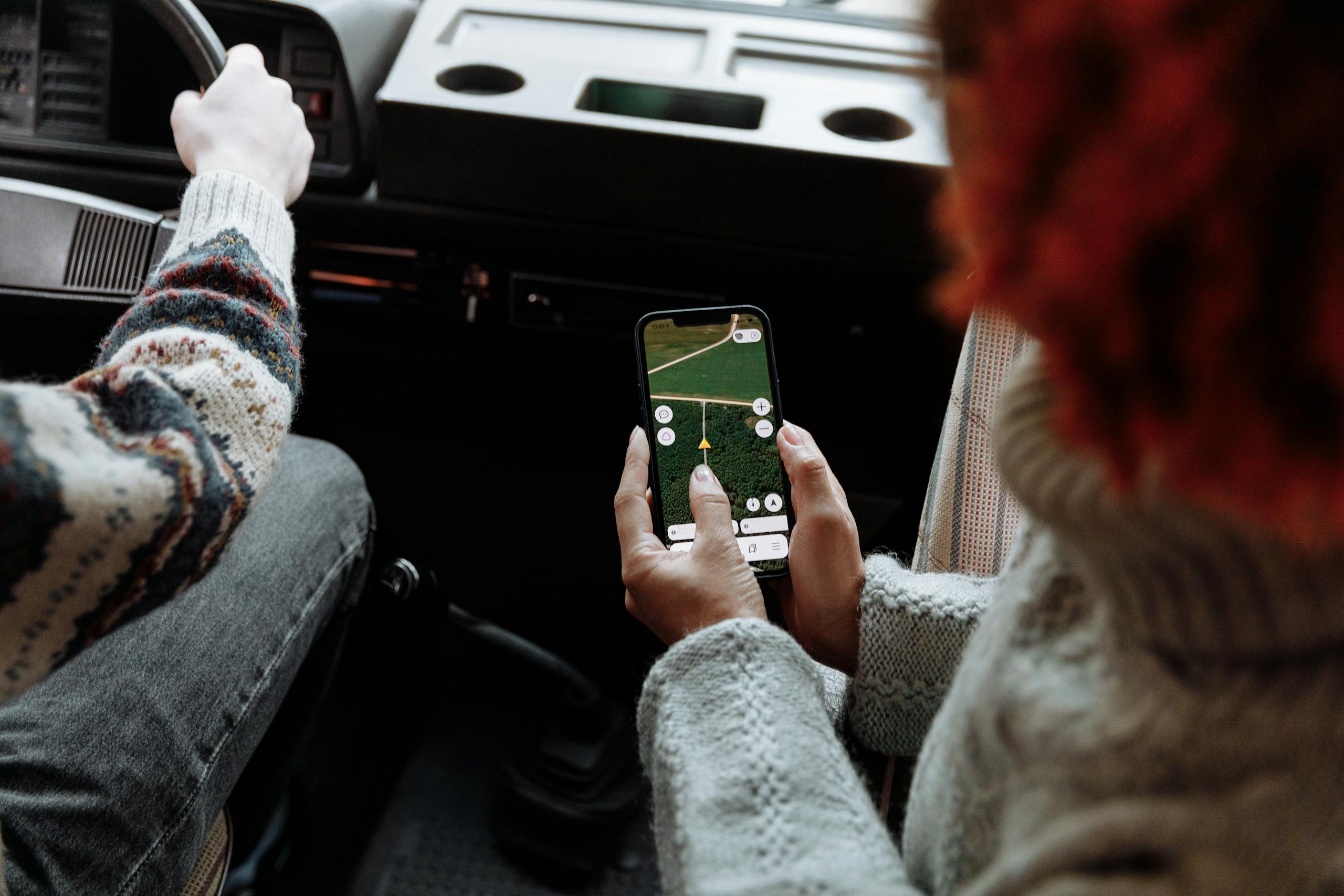
GPS has rescued countless drivers from wrong turns, missed exits, and family arguments in unfamiliar cities. It is one of the most useful tools in modern life. Still, it can quietly weaken a person’s internal map.
When people follow turn-by-turn directions everywhere, they may stop noticing landmarks, routes, distances, and neighborhoods. The driver arrives, but the brain barely learns the journey. Over time, that can make even familiar places feel harder to navigate without help.
Autocorrect Is Making Careless Writing Feel Normal
Autocorrect saves people from plenty of embarrassing typos. It also lets them type quickly without thinking much about spelling, grammar, punctuation, or word choice. The device cleans up the mess, so the brain gets lazy.
That matters because writing is thinking in public. When people rely too heavily on correction tools, they may stop noticing the structure of their own sentences. A polished text message can hide a weaker habit underneath.
Smart Devices Are Making Patience Feel Unbearable
Waiting used to be part of life. People waited in lines, sat through commercials, looked out windows, read labels, and stood in silence without instantly reaching for entertainment.
Now boredom feels like a system error. A slow elevator, a delayed appointment, or a quiet restaurant table sends hands straight to the screen. Smart devices have trained many people to expect stimulation on demand, which can make ordinary stillness feel strangely uncomfortable.
Too Much Screen Time Is Hurting Sleep and Thinking

A tired brain is not a sharp brain. Late-night scrolling, streaming, gaming, and checking messages can keep the mind active when it should be powering down. The next day, focus, memory, mood, and decision-making often pay the price.
Bedtime technology use has been linked with poorer sleep quality, and bedtime device use can affect the rest people need to think clearly. The issue is not one late night. It is the routine of letting a glowing screen become the last voice in the room.
Algorithms Are Feeding People What They Already Believe
Smart devices do not just show people information. They often learn what keeps people watching, clicking, reacting, and staying. That can create a cozy little tunnel where people see more of what already confirms their mood.
The danger is intellectual softness. When people rarely encounter serious disagreement, their thinking can become sharper in anger but weaker in balance. A person can know more headlines and understand less of the world.
Phones May Drain Brainpower Even When They Are Silent
A phone does not have to buzz to take up mental space. Just knowing it is nearby can pull part of the mind toward the possibility of checking it, answering it, or resisting it.
Studies on smartphone cognitive capacity found that the mere presence of a person’s smartphone can reduce available cognitive resources, even when the phone is not being used. That is a brutal little truth. Sometimes the device is distracting people simply by existing within reach.
Smart Homes Are Making Basic Skills Feel Optional
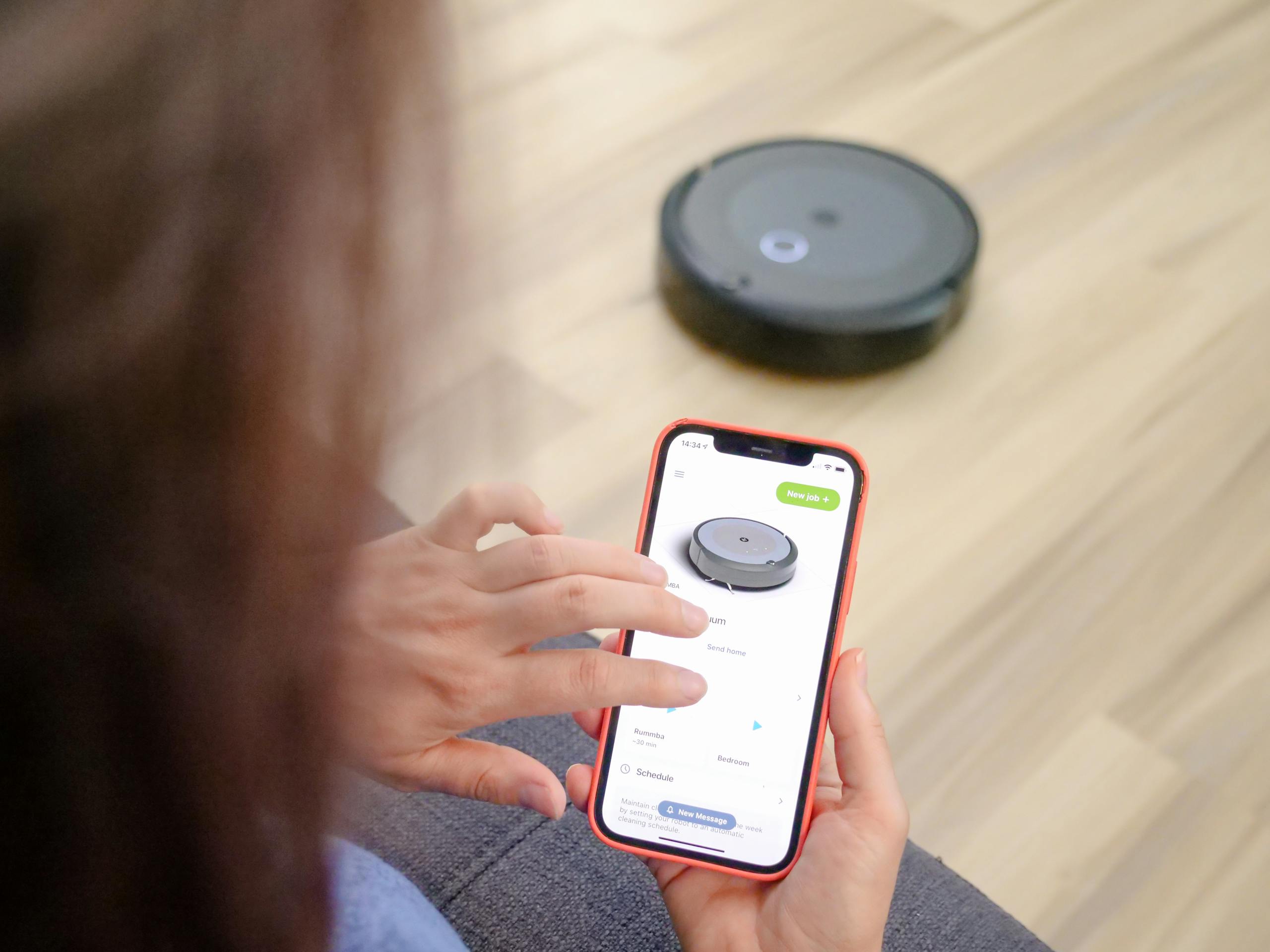
Smart speakers, automatic lights, robot vacuums, grocery apps, meal subscriptions, and voice commands can make home life smoother. For busy families, that convenience can feel like survival.
Still, every convenience removes a small moment of effort. People may cook less from scratch, fix fewer things, estimate less, plan less, and remember fewer routines. Automation is useful, but too much of it can make ordinary competence feel like an outdated hobby.
Key Takeaway
The smartest way to use smart devices is not to reject them. They help people work, travel, learn, connect, stay safe, and manage busy lives. The danger comes when convenience replaces effort so completely that the brain stops getting regular exercise.
A sharper life does not require throwing the phone into a lake. It means remembering a route sometimes. Writing without autocorrect sometimes. Sitting in silence sometimes. Reading long enough to think. Talking without checking the screen.
Smart devices should serve the mind, not slowly train it to do less.