For decades, the Southern Poverty Law Center stood as one of the loudest watchdogs in American public life. Its reports could put extremist groups on notice, shape media coverage, and influence how millions of Americans understand hate in the country.
Now that same organization is facing the kind of public scrutiny it once directed at others.
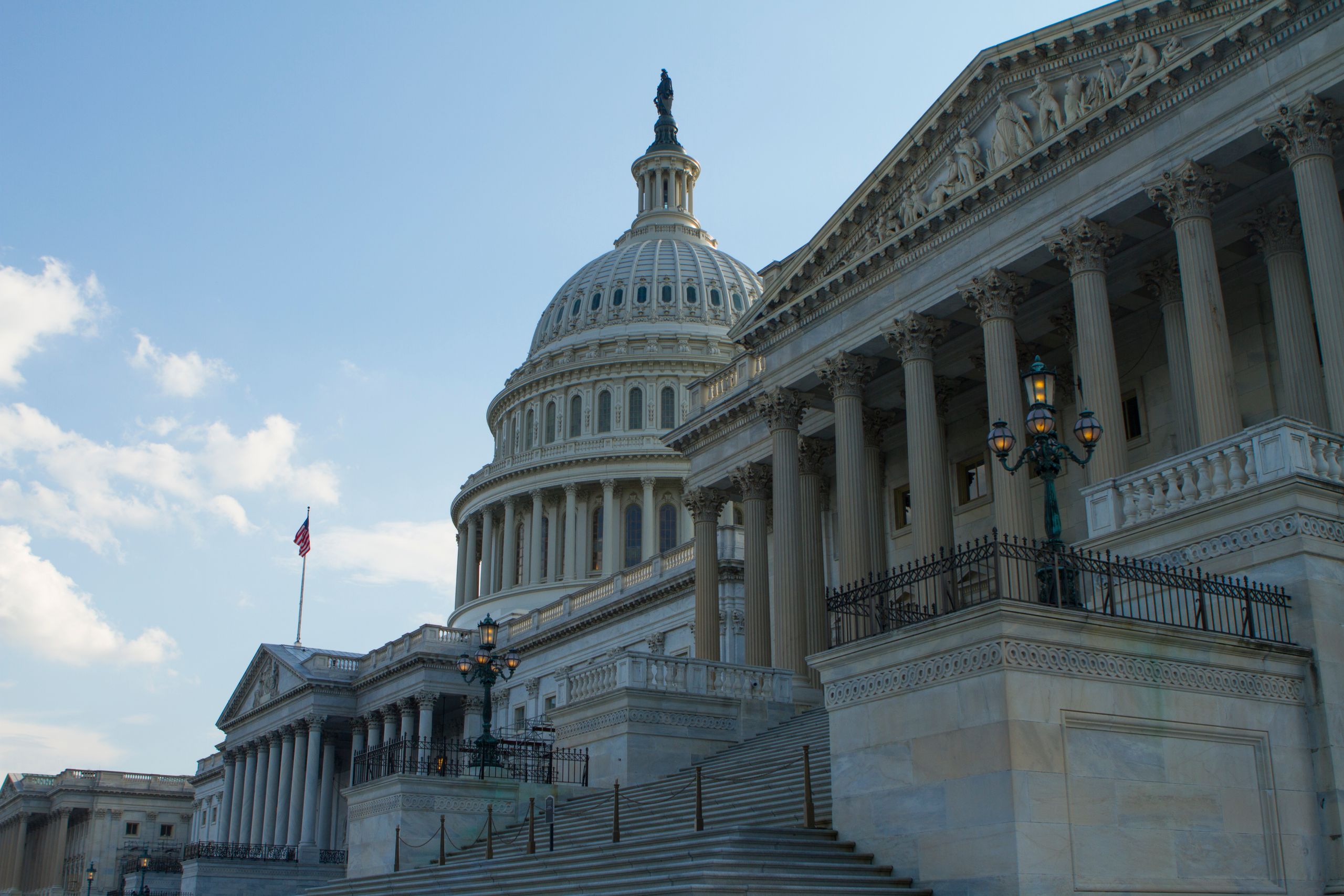
A tense congressional hearing placed SPLC interim president and CEO Bryan Fair under pressure as lawmakers questioned the organization’s past use of paid informants inside extremist groups. The hearing quickly became more than a debate about nonprofit spending. It became a larger fight over trust, political power, donor money, and who gets to decide what counts as extremism in America.
The Watchdog Became The Headline
The Southern Poverty Law Center has long been known for tracking hate groups, filing civil rights lawsuits, and warning the public about extremist movements. To its supporters, that work has made the group a necessary voice in a country still wrestling with racism, political violence, and organized hate.
But the congressional hearing flipped the script. Instead of asking which groups deserve to be exposed, lawmakers asked whether the SPLC itself has been transparent enough about how it gathered information.
That is what made the moment so striking. An organization built on moral authority was suddenly forced to defend its methods before the country.
The Allegations Hit At The Center Of Its Image
The Justice Department has accused the SPLC of financial crimes tied to payments allegedly made to informants embedded in extremist groups. Prosecutors say the organization misled donors about how some money was used.
The SPLC denies wrongdoing and argues that its past informant work was meant to monitor dangerous groups, gather intelligence, and help prevent violence. Fair has defended the organization’s mission and said the allegations do not change its commitment to fighting hate.
Still, the damage to public perception is already difficult to ignore. When a civil rights organization is accused of secretly paying people connected to the very groups it condemns, the story becomes bigger than a legal case. It becomes a crisis of credibility.
The Hearing Was Built For Political Fireworks
The House Judiciary Committee hearing had all the ingredients of a major Washington clash. Republicans pressed the SPLC over its influence, its donor practices, and its role in labeling certain groups as extremist. Democrats and civil rights defenders saw the hearing as part of a broader attack on advocacy organizations that criticize conservative movements.
That divide made the room feel less like a fact-finding session and more like a national argument in miniature.
On one side, the SPLC represents an activist group that became too powerful and too political. For the other, it remains a civil rights institution being targeted because of the enemies it has made.
Donors May Have The Hardest Questions
Most people who give to advocacy groups believe they know what their money supports. They imagine legal work, public education, research, community programs, and campaigns against injustice.
They usually do not imagine covert payments to informants inside extremist circles.
That is why the donor issue may be the most damaging part of the controversy. Even if the SPLC argues the work was necessary, many supporters may still wonder whether they were given the full picture.
Nonprofits depend on trust. Once donors begin to question where their money went, the legal details may matter less than the feeling of betrayal.
Informants Create A Dangerous Gray Area
There is nothing new about using insiders to monitor dangerous groups. Law enforcement agencies, journalists, and investigators have relied on confidential sources for years to understand closed networks that would otherwise remain hidden.
But informants also create moral risk. A source inside an extremist group may attend meetings, build relationships, collect information, and stay close to people spreading hate. That can help expose danger, but it can also raise uncomfortable questions about whether the source is only watching or helping keep the movement alive.
That gray area sits at the heart of the SPLC controversy. The organization says the work was about safety. Critics say the payments raise questions that cannot be brushed aside.
The Power To Label Is The Power To Damage
The SPLC’s influence has never been limited to research papers or courtroom filings. Its hate-group labels can affect its reputation, donations, partnerships, media coverage, and public trust.
That is why the hearing touched such a sensitive nerve.
In modern America, being labeled an extremist can carry enormous consequences. Some people see that as necessary accountability. Others see it as a weapon that can be used against political opponents.
The SPLC has always operated in that tense space. Now lawmakers are asking whether any private organization should hold that much power without facing tougher scrutiny of its own.
The Case Lands In A Country That Already TrustS Almost Nothing
This controversy would be explosive in any political climate. In today’s America, it is even more combustible.
The public is already suspicious of institutions. Many Americans distrust Congress, the courts, the media, prosecutors, universities, activist groups, and wealthy nonprofits. Every major investigation now arrives with a second argument attached: who is behind it, and why now?
That is why the SPLC case is not being viewed only through the lens of law. It is being filtered through political identity, media loyalty, donor anger, and deep national exhaustion.
The Bigger Fight Is About Moral Authority
The most important question may not be whether the SPLC survives the legal fight. The bigger question is whether it can still speak with the same authority after being forced to defend its own conduct.
That matters because watchdog groups do not run on money alone. They run on belief. They need the public to believe that their motives are clean, their methods are defensible, and their warnings are based on truth rather than political convenience.
Once that belief weakens, every future report becomes easier to challenge.
Why This Story Will Not Fade Quickly
The hearing did not settle the case. It did not prove guilt, clear the SPLC, or answer every question about its informant program. Those questions will continue to surface in court filings, political hearings, and public debate.
But the hearing did something important. It showed that the SPLC is no longer only a group that judges the threat of extremism in America. It is now part of the argument over how that threat is defined, funded, investigated, and used.
For years, the SPLC warned the country about dangerous movements hiding in plain sight. Now the organization faces a different kind of warning: when any institution gains the power to shape public fear, the public will eventually ask who is watching the watcher.