Nothing’s more disappointing than opening a carefully packed sandwich at lunchtime and finding the bread has turned into a damp, floppy mess.
The fillings still look delicious, and the flavors are exactly what you wanted, but suddenly your beautiful homemade lunch falls apart in your hands.
The surprising part? Some of the culprits are the very ingredients that make sandwiches taste so good.
Juicy tomatoes, crisp cucumbers, tangy pickles, and flavorful dressings all belong between two slices of bread. The problem isn’t necessarily what you’re adding. It’s how much moisture you’re bringing along.
If you’re making sandwiches ahead of time, these seven familiar ingredients deserve a little extra attention before you close the lunchbox.
Juicy Tomato Slices
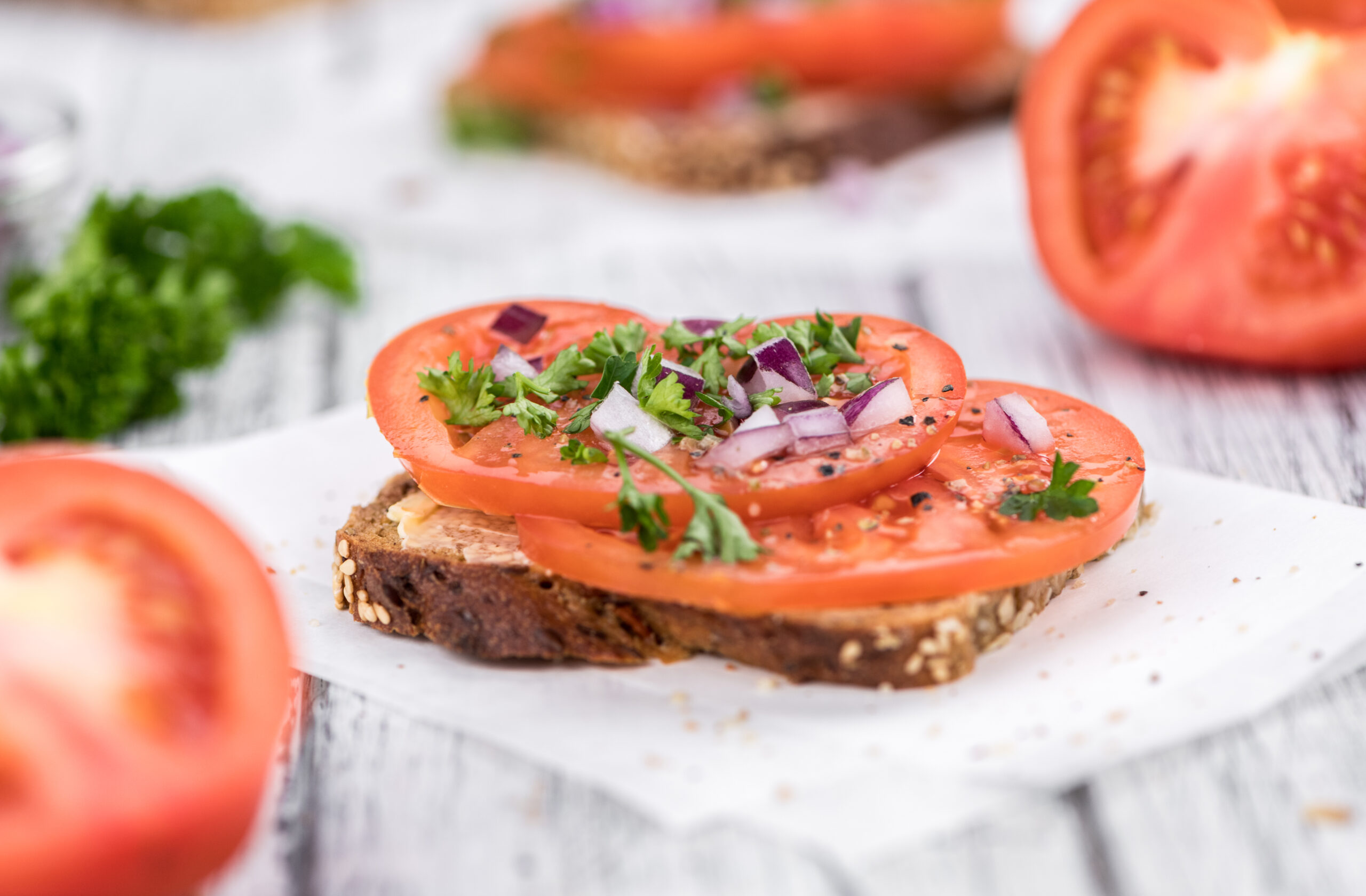
Fresh tomato slices belong in plenty of classic sandwiches, including BLTs, club sandwiches, and simple tomato sandwiches. Their juicy texture is part of the appeal, but that same moisture can gradually soften bread when the slices sit directly against it.
The trick is placement, not elimination.
TastingTable guidance recommends placing tomatoes between other fillings instead of directly against the bread. That gives the sandwich a better chance of maintaining its intended texture.
For a lunch you won’t eat immediately, another practical option is to pack the tomato separately and add it when you’re ready to eat.
You still get the flavor and freshness you want without letting the bread absorb all that juice in the morning.
Cucumber Slices That Haven’t Been Drained
Cucumber slices bring a refreshing crunch to sandwiches, but they also contain plenty of water. This is especially noticeable in delicate cucumber sandwiches, where the bread and filling are often the main attractions.
Fortunately, managing the moisture doesn’t require giving up cucumbers.
Serious Eats explains that lightly salting sliced cucumber draws out some of its water. After draining, you can dry the slices before assembling your sandwich.
Draining time varies by method, so there’s no need to turn it into a rigid rule. Remember, salting also affects the final seasoning.
For a packed lunch, the goal is simple: let the cucumber add crunch without carrying excess water onto the bread.
Pickle Chips Straight From the Jar
Dill pickle chips add a tangy bite and satisfying crunch to burgers and sandwiches. But when you lift them straight from the jar and place them on bread, they bring extra brine along for the ride.
That liquid is the real troublemaker.
America’s Test Kitchen specifically identifies excess pickle liquid as a contributor to soggy sandwiches. Its guidance includes draining pickled vegetables before using them.
You can also finely chop drained pickles and mix them into a thicker condiment, distributing their flavor without leaving large amounts of loose brine in the sandwich.
There’s no reason to abandon pickles. Just let them drain for a moment before adding them to your lunch.
Related: 30 Easy Lunch Ideas for Kindergarten Kids on Frenz Hub includes sandwich combinations and practical ideas for preparing packed lunches.
Lettuce That’s Still Wet From Washing
Fresh lettuce can add a crisp layer to a club sandwich, BLT, or cold-cut sandwich. But if the leaves are still dripping from washing, you’re adding water along with that crunch.
The solution is wonderfully uncomplicated: dry the lettuce before building the sandwich.
Sandwich prep guidance recommends patting fresh ingredients dry, especially when you’ll pack them for later. Dry lettuce leaves can also help keep bread from getting soggy from wetter fillings.
Of course, lettuce isn’t a guaranteed waterproof barrier. And the ingredient itself isn’t the problem.
The difference is between a leaf that’s ready to be layered into your sandwich and one that’s still carrying water from the sink.
A little attention during assembly can make a noticeable difference when lunchtime arrives.
Jarred Roasted Red Peppers With Extra Liquid
Jarred roasted red peppers can make a sandwich more interesting with little extra prep. Their soft texture and distinctive flavor pair well with other fillings.
However, transferring the peppers straight from the jar can also transfer some of their packing liquid.
That extra moisture may seep into the bread while the sandwich sits.
For a make-ahead lunch, drain the portion you’re using and gently blot away excess liquid before assembling everything.
You could also pack the peppers separately and add them when you’re ready to eat.
Different products may use different packing liquids, so check what’s actually in the jar rather than assuming every roasted pepper product is prepared identically.
The peppers can stay. The unnecessary liquid doesn’t have to come with them.
Tuna Salad That Hasn’t Been Drained Properly
Tuna salad is a familiar sandwich filling, but its consistency matters, especially when the sandwich will be packed for several hours.
Good tuna salad can be creamy without excess free liquid.
Serious Eats’ classic tuna-salad sandwich recipe specifies drained tuna and well-drained pickled onions. It also recommends lightly toasted bread and serving the sandwich promptly.
Those details matter when adapting an immediate-service recipe for a packed lunch.
Drain the tuna and any liquid-heavy additions before mixing the filling. If you won’t eat it right away, pack the salad separately and assemble the sandwich later.
And don’t automatically blame mayonnaise for every soggy tuna sandwich. A properly mixed dressing is part of the filling; the excess loose moisture needs attention.
Runny Vinaigrettes and Italian Dressings
Thin salad dressings and vinaigrettes add plenty of flavor to sandwiches, but they can also soak directly into the bread if added too early.
This is especially noticeable when you’re preparing a lunch that will remain assembled until later.
Instead of pouring a runny dressing directly onto the bread, sandwich-building guidance suggests applying it to the fillings or carrying it separately.
A small container lets you add the amount you want right before eating.
That doesn’t mean every sandwich should remain dry. Some preparations, including certain pressed sandwiches, intentionally allow flavorful dressings to soak into the bread.
The distinction is whether that softened texture is part of the recipe or an unwanted surprise when you open your lunchbox.
A Better Sandwich Starts With Managing Moisture
The best part about these seven ingredients is that none needs to disappear from your favorite sandwiches.
Tomatoes, cucumbers, pickles, lettuce, roasted peppers, tuna salad, and dressings can all contribute wonderful flavors and textures. The trick is to drain, dry, layer, or separate ingredients as needed.
And remember that keeping bread from getting soggy is separate from keeping packed food properly refrigerated. Perishable lunches should be kept cold using appropriate storage.
A little thought during preparation can help your sandwich taste as carefully made at lunchtime as it did when you first assembled it.