There was a time when getting through an ordinary day meant depending on people whose jobs barely exist anymore. Someone delivered milk to your doorstep, another connected your phone calls, and a friendly face at the movie theater made sure the film played without a hitch.
Today, machines, computers, and changing shopping habits have taken over much of that work. Some changes happened so gradually that Americans hardly noticed. Others transformed entire industries and left generations of workers searching for something new.
Of course, not every job on this list has disappeared completely. A few survive in specialty businesses, historic locations, or modernized forms. But the days when these workers were familiar faces in everyday American life are largely behind us.
Here are 10 occupations that once helped keep America running.
Telephone Switchboard Operators
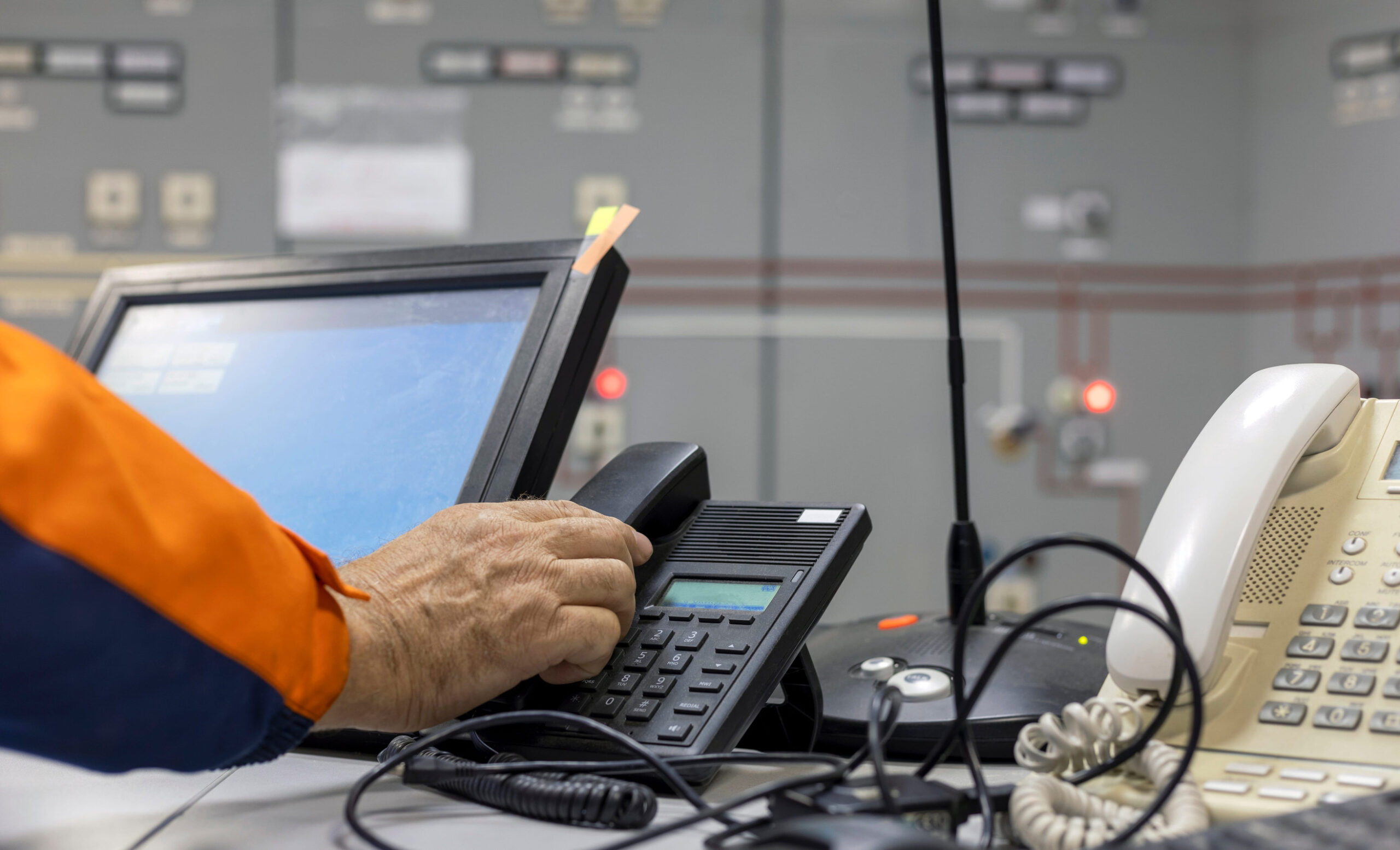
Before smartphones, speed dial, and automated phone systems, making a telephone call could involve another person entirely.
Telephone switchboard operators connected callers by plugging cords into large panels filled with sockets. They needed quick hands, excellent memories, and enough patience to handle several calls at once.
According to the Federal Reserve Bank of Richmond, America had approximately 178,000 telephone operators in 1920. That figure grew to around 342,000 by the mid-century.
Automatic switching eventually changed everything. Instead of asking an operator to connect them, customers could dial numbers themselves.
Telephone and switchboard operator jobs still exist, but the familiar cord-and-plug operator has largely vanished from American life.
Neighborhood Milkmen

Remember when groceries came to your door before grocery delivery apps existed?
For many American families, the milkman was a regular visitor. He delivered fresh milk, collected empty glass bottles, and sometimes left dairy products in a special compartment built into the house.
Customers didn’t always need to be home. A standing order or a note could keep everything running smoothly.
But household refrigeration, supermarkets, and widespread car ownership gradually changed shopping habits. As neighborhoods spread farther apart, dedicated delivery routes also became more expensive to operate.
Milk delivery hasn’t disappeared completely. Companies such as Oberweis still offer home delivery in selected areas, sometimes including groceries alongside dairy products.
Still, spotting a neighborhood milkman making his regular rounds is no longer an everyday experience.
Elevator Operators

Today’s elevator experience is wonderfully simple. Press a button, watch the numbers change, and step out at your floor.
That wasn’t always how things worked.
Elevator operators once controlled elevator car movement, adjusted speed, and carefully aligned them with each floor. Their job required training and attention, particularly before modern automatic controls became standard.
Interestingly, Americans weren’t immediately comfortable with operatorless elevators. Some passengers reportedly stepped out when they realized nobody was controlling the car.
Automatic elevators existed around 1900, but widespread acceptance took decades. The 1945 New York elevator strike also highlighted the importance of reducing dependence on manual operation.
Today, routine elevator operators are rare, though the evidence doesn’t show that every such position has disappeared.
Bowling Alley Pinsetters
Long before bowling alleys had automatic machinery, someone had to put all those fallen pins back where they belonged.
Often, that someone was a teenage boy working behind the lanes.
Known as pin boys, these workers cleared fallen pins, arranged them for the next frame, and returned bowling balls to players.
It was repetitive, physically demanding work that happened largely out of sight.
Mechanical pinsetters eventually changed the game. The Hart Cluett Museum traces an important mechanical invention to 1936, although widespread adoption happened gradually.
Automatic machines took over resetting, while other workers handled equipment maintenance and jams.
A few alleys have preserved manual pinsetting, but the days of teenagers scrambling behind busy bowling lanes are mostly history.
Household Ice Delivery Workers
Before electric refrigerators became common, keeping food cold required a little more planning.
Many American households used an icebox, an insulated cabinet that needed regular deliveries of large blocks of ice.
Enter the iceman.
These delivery workers transported heavy blocks of ice into homes, often following familiar neighborhood routes. Customers could even display cards in their windows indicating how much ice they wanted.
It was an early way to order without calling.
Electric refrigeration gradually eliminated the need for this service. The popular GE Monitor Top refrigerator arrived in 1927, and household refrigerators increasingly replaced iceboxes in the decades that followed.
Commercial ice deliveries still exist, of course. But delivering blocks to refill a family’s kitchen icebox is a very different kind of work.
Newspaper Linotype Operators
Newspaper production once involved much more metal than most readers would imagine.
Linotype operators worked with complicated machines that transformed keyboard input into solid lines of metal type. Those lines helped create the printed pages Americans read over breakfast.
The machines required considerable skill, and even experienced operators could make mistakes.
One fascinating detail was the keyboard sequence “etaoin shrdlu,” which operators used to mark an erroneous line for removal.
As newspapers adopted newer composition systems, hot-metal printing gradually became outdated.
The New York Times produced its final hot-metal edition in July 1978, replacing its remaining 61 Linotype machines.
That wasn’t the end of traditional typesetting everywhere, but it marked a memorable turning point in newspaper history.
Keypunch Operators
Before businesses could enter information directly into computers, many relied on punched cards.
Keypunch operators typed information into specialized machines that punched holes into cards. Computers and tabulating equipment could then read the encoded information.
Accuracy mattered enormously. A misplaced hole could mean incorrect information, so some workplaces employed verifiers to check completed cards.
The occupation was particularly common in information-heavy businesses, including insurance companies.
As computer terminals and desktop systems became widespread, the intermediate step of punching cards largely disappeared.
The work didn’t vanish entirely. Data entry continued, but employees increasingly entered information directly into computer systems instead of preparing physical cards.
Traditional Movie Theater Projectionists
Movie nights once depended on a skilled worker sitting inside a projection booth.
Traditional projectionists threaded film through projectors, monitored screenings, and managed reel changes.
It wasn’t simply a matter of pressing play.
Over time, improved film equipment reduced some manual tasks. Then digital cinema dramatically changed how theaters operated.
In 2007, approximately 2,200 of America’s more than 38,000 movie screens were digital. Conversion accelerated in subsequent years.
Modern systems can use programmed playlists to control the movie, trailers, lighting, and sound.
Traditional film projection still survives at some specialty theaters and screenings. But the full-time projectionist managing physical film reels has become much less common.
Related: 71% of Americans Fear AI Could Take Jobs Despite Reassuring Employment Data
Door-to-Door Encyclopedia Salespeople
Before online searches answered nearly every question, owning an encyclopedia set was a significant household purchase.
And someone had to sell those heavy volumes.
Door-to-door encyclopedia salespeople visited homes, demonstrated reference sets, and persuaded families that a collection of books was worth the investment.
The sales pitch often focused on education and dependable information at home.
Digital encyclopedias eventually changed the business.
Microsoft introduced Encarta in 1993, while Encyclopedia Britannica ended its door-to-door sales operation in spring 1996.
Interestingly, Britannica didn’t announce the end of its printed editions until 2012.
The traditional encyclopedia salesperson had largely disappeared long before the physical books stopped being produced.
Video Rental Store Clerks
For Americans who grew up during the VHS and DVD years, Friday nights often included a trip to the video rental store.
Rows of movie cases lined the shelves, and employees helped customers find titles, process rentals, and return movies.
Choosing a film was an outing, not a few clicks on a screen.
Then entertainment habits changed.
Digital streaming reduced the importance of physical rental storefronts, and major chains gradually closed their locations.
Blockbuster’s Bend, Oregon, store became the last remaining U.S. location in 2018 and the final one worldwide in 2019.
The location has continued operating as a reminder of the rental-store era.
And here’s a delicious irony: a documentary about the surviving Blockbuster eventually appeared on Netflix.
The Jobs Changed, but the Memories Remain
Looking back at these occupations reveals something interesting about American life. Technology didn’t simply eliminate certain tasks. It changed the way people shopped, communicated, worked, and entertained themselves.
Some jobs disappeared because machines became more efficient. Others faded as customers did the work themselves.
While modern conveniences have made everyday life easier in countless ways, they’ve also changed the small human interactions that once filled ordinary routines.
For many Americans, remembering these jobs isn’t just about remembering how things used to work. It’s about remembering the people who made those things happen.
Related: 8 Jobs That Were Everywhere When Boomers Were Kids but Barely Exist Now
Other Posts You May Like
- 10 Jobs That Pay Decently, But Many People Think They Are Too Good For
- 10 Higher-Paying Jobs Workers Are Quitting Despite Strong Demand