People should be able to focus on healing. Instead, many Americans start calculating deductibles before they even understand what they are. A doctor says more tests are needed, and the patient’s first thought is not fear of the diagnosis, but fear of the bill.
That is the cruel emotional math of American healthcare. Pain comes first, then paperwork, then a number that can follow a person long after the hospital bracelet comes off. Getting sick often comes with a second diagnosis: money panic.
This is why so many people feel financially guilty when illness enters the house. They worry about missing work, draining savings, asking family for help, or becoming the reason everyone has to cut back. The body is trying to recover while the bank account starts bleeding.
When the Bill Hurts After the Illness
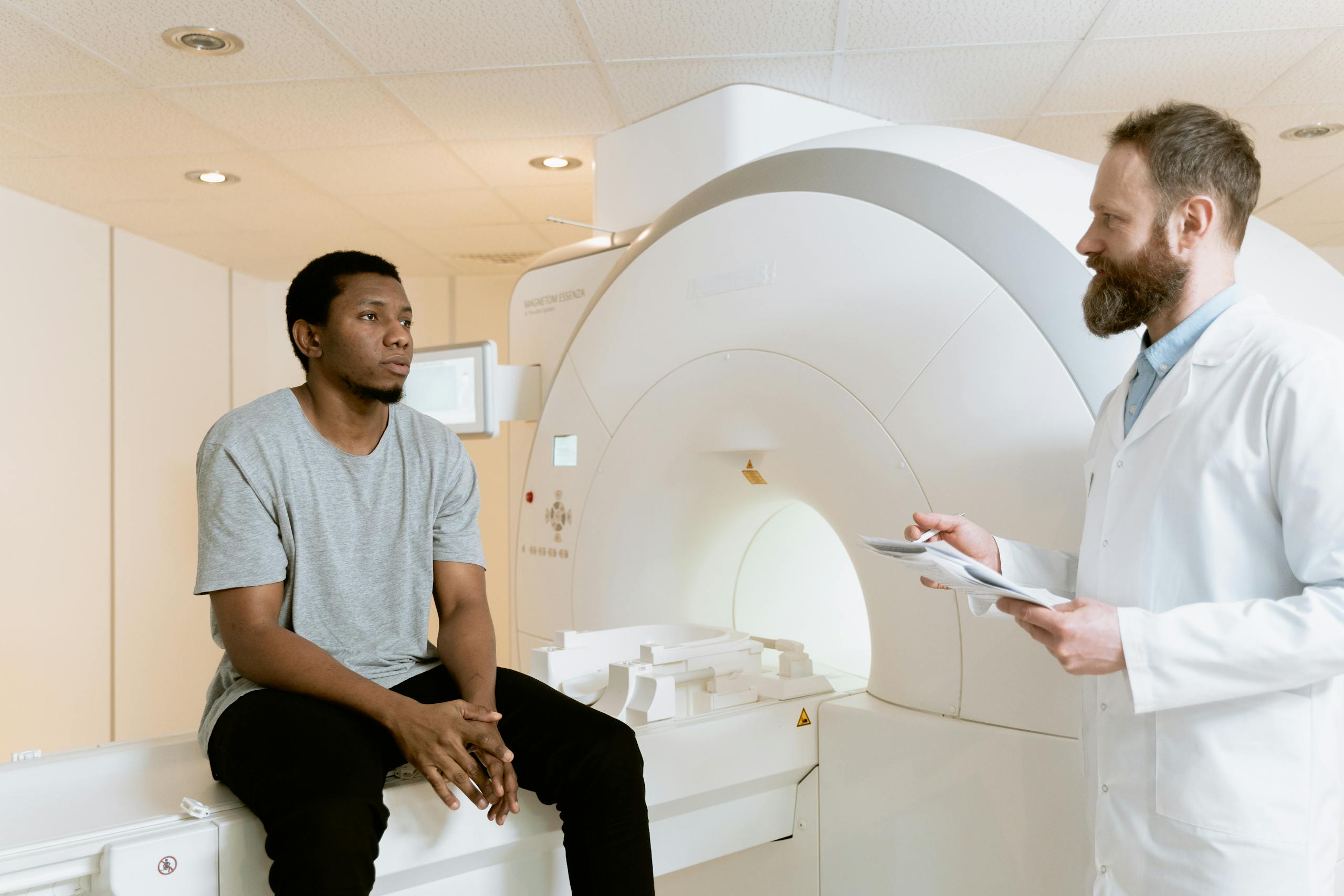
The appointment may last twenty minutes, but the bill can haunt a household for months. A person can leave the clinic relieved that the scan was clear, then feel their stomach drop when the payment notice arrives. Healing begins to feel unfinished because the financial wound stays open.
This is where the guilt gets ugly. People start wondering if they should have waited, skipped the test, or ignored the symptom a little longer. Nobody should have to treat medical care like a luxury purchase, yet many families do exactly that.
When People Delay Care to Save Money
Many Americans do not avoid the doctor because they enjoy risk. They avoid the doctor because they are doing mental math between rent, groceries, gas, prescriptions, and one mysterious pain that might be nothing. The decision can feel responsible in the moment and dangerous later.
The pressure is real, especially when surveys keep showing that health care costs force people to delay or skip care. That delay can turn a small problem into a larger one. It also teaches people to feel ashamed for needing help from their own healthcare system.
When Insurance Feels Like a Second Job
Insurance is supposed to create peace of mind. For many Americans, it creates homework. Patients spend hours reading confusing letters, calling customer service, checking codes, and trying to understand why something their doctor recommended is suddenly in dispute.
The most exhausting part is the tone of it all. Sick people must act like lawyers, accountants, and professional negotiators while dealing with pain, fear, or fatigue. A system that requires that much fighting is not just expensive, it is emotionally punishing.
When Prescriptions Become Monthly Stress

A prescription can feel like hope until the pharmacy screen shows the price. Then hope turns into bargaining, asking about generics, calling the doctor again, or walking away with nothing. Some patients leave the counter smiling politely because embarrassment feels easier than explaining they cannot afford the medicine.
This is one of the cruelest ways Americans are made to feel financially guilty. People know they need the medication, yet prescription drug costs can force them to stretch doses or delay refills. That turns treatment into a monthly test of income, discipline, and luck.
When Families Start Fundraising for Survival
A medical fundraiser can look inspiring on social media. Neighbors donate, relatives share the link, and strangers leave kind comments under a smiling photo. Still, behind every campaign is a harder truth: someone got sick in a country where kindness often has to replace protection.
Crowdfunding can help, but it also exposes people at their most vulnerable. Research on crowdfunding medical bills shows that donations often cover only a small piece of what patients owe. That means families may share private pain publicly and still remain buried under costs.
When Medical Debt Follows People Home
Medical debt does not always feel like normal debt. People did not buy a fancy vacation or a new entertainment system. They got injured, got diagnosed, gave birth, needed surgery, or tried to stay alive.
That is why the shame feels so misplaced. Even policy fights around medical debt burdens show how deeply medical bills can affect people’s financial lives. A hospital stay can follow someone into credit decisions, housing plans, car loans, and everyday confidence.
When Insurance Denials Feel Like Betrayal

There are few moments more maddening than hearing a doctor say care is necessary while an insurer says it is not covered. The patient is left in the middle, holding pain in one hand and paperwork in the other. It can feel like being asked to prove suffering in the correct format.
Coverage fights create a special kind of guilt. People wonder if they should appeal, pay out of pocket, wait longer, or give up. Reports on coverage denial problems show how denials and surprise bills can leave patients stressed, confused, and financially exposed.
When Missing Work Becomes Another Diagnosis
Being sick costs money even before the medical bill arrives. A worker may lose hours, miss shifts, burn through paid time off, or worry that too many absences will make them look unreliable. The body asks for rest, but the paycheck demands performance.
This pressure hits hourly workers, gig workers, caregivers, single parents, and anyone living close to the edge. They do not just ask, how sick am I. They ask, how much sickness can I afford before everything else starts falling apart.
When Caregivers Absorb the Financial Shock
Illness rarely affects only one person. A spouse takes unpaid time off, an adult child drives to appointments, a parent covers groceries, or a sibling quietly pays a bill nobody else can handle. Love becomes logistics, and logistics becomes money.
That can create guilt on both sides. The sick person feels like a burden, while the caregiver feels guilty for feeling exhausted. Families can love each other deeply and still crack under the weight of medical costs, travel, missed work, and constant worry.
When People Start Apologizing for Being Sick

The saddest part is how often sick people say sorry. Sorry for needing a ride, sorry for another bill, sorry for canceling plans, sorry for being tired, sorry for being scared. Illness already steals comfort, and financial pressure steals dignity.
Nobody should have to apologize for needing care. Yet America often makes people feel financially guilty for the simple fact that their bodies need attention. That is not a personal weakness; it is a system that turns vulnerability into a billable event.
Key Takeaway
America makes sick people feel financially guilty by placing money panic next to pain. Patients are asked to heal, work, appeal, budget, explain, and protect their families simultaneously. That burden can make illness feel like a personal failure, even when it is anything but.
The cruelest part is that many people are not asking for special treatment. They want clear bills, fair coverage, affordable medicine, honest prices, and enough breathing room to recover without fear. Healing should not require a financial apology.
A decent healthcare system should make sick people feel cared for, not blamed. Until that changes, too many Americans will keep treating symptoms with one hand and checking their bank balance with the other. That is not healing, it is survival with a receipt.