The life of a Catholic priest may look simple from the pew, but in reality, it is tightly governed by centuries of Church law, sacred tradition, and spiritual discipline. Every day, priests navigate strict rules that shape their behavior, speech, and even personal life.
From celibacy to confession, obedience to financial integrity, these rules are far more rigorous than most outsiders realize. Here are nine of the most shocking and surprising rules that Catholic priests must follow.
Only Men Can Be Ordained
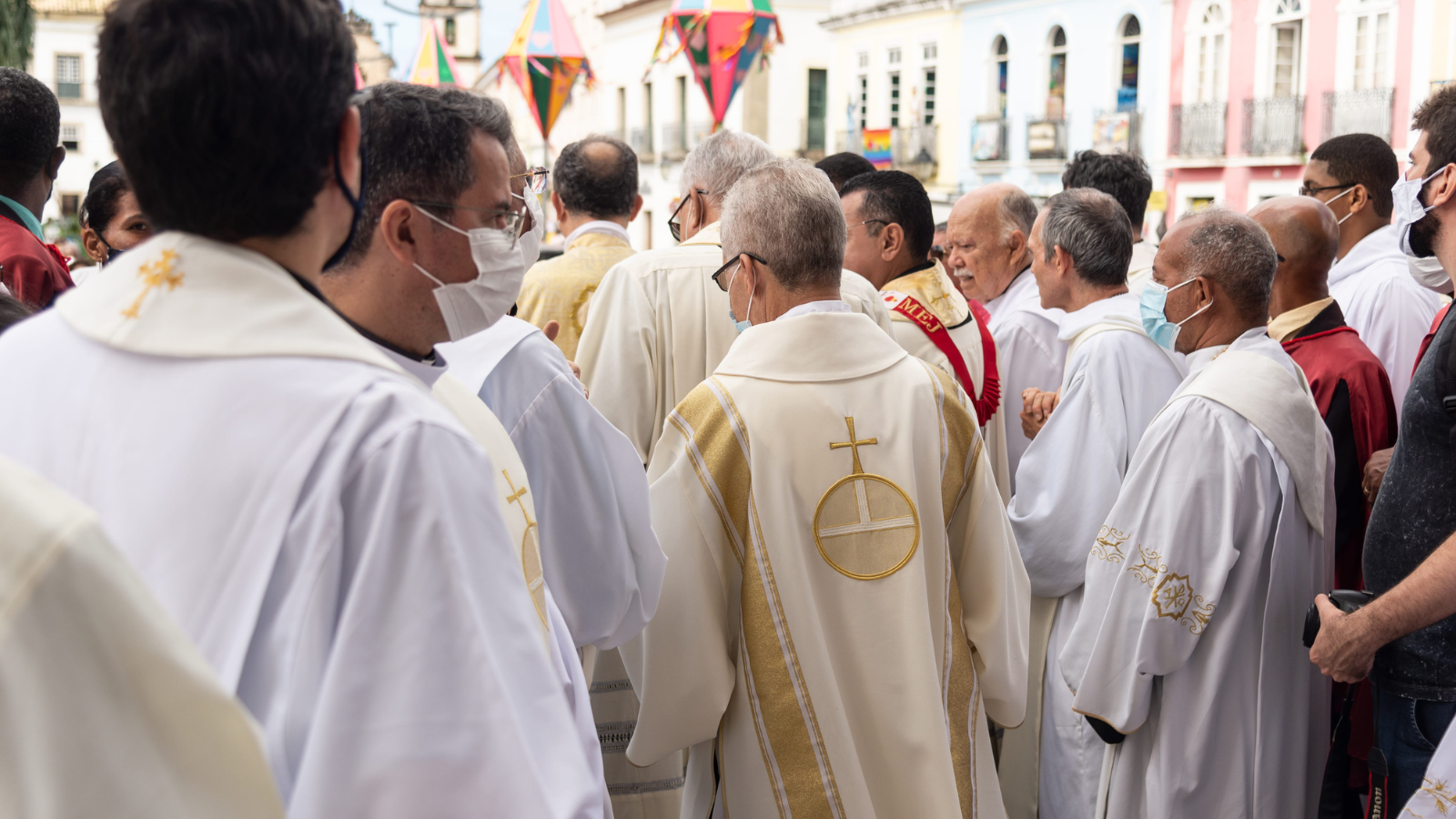
Catholic law strictly reserves the priesthood for baptized men, which makes the vocation unique in its gender exclusivity. Candidates cannot simply feel called; they must undergo rigorous evaluation of moral character, emotional stability, spiritual maturity, and intellectual readiness.
The Church considers ordination a public and lifelong responsibility rather than a private career choice, ensuring that only men deemed suitable can serve the faithful.
Even with strong spiritual desire, a man cannot bypass seminary screening or formation. The Church examines every aspect of readiness, from pastoral temperament to personal ethics, ensuring that priests are equipped to guide communities responsibly.
Celibacy Is Mandatory
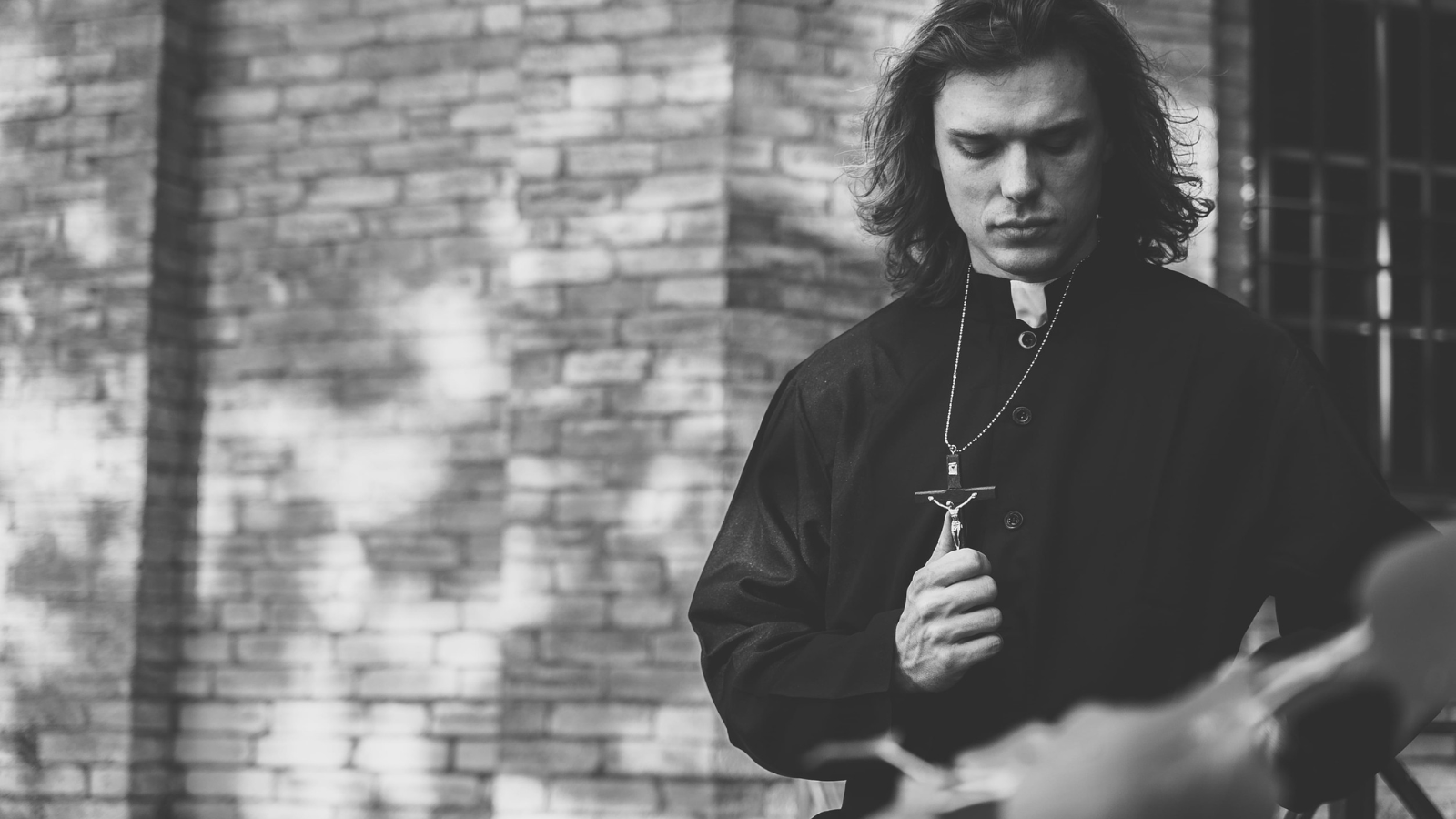
Latin Rite priests are required to remain unmarried and live celibately throughout their ministry. This lifelong commitment allows priests to dedicate themselves entirely to their vocation, focusing on the spiritual needs of their parishioners without the obligations of family life.
While some Eastern Catholic traditions allow married priests, the Latin Church maintains celibacy as a distinctive sign of spiritual devotion and sacrifice.
This rule is not intended as punishment but as a demonstration of total dedication. By forgoing marriage, priests signal that their first and highest allegiance is to the Church and its people, often serving as a symbol of spiritual availability and undivided attention to ministry.
Confessions Are Secret Forever
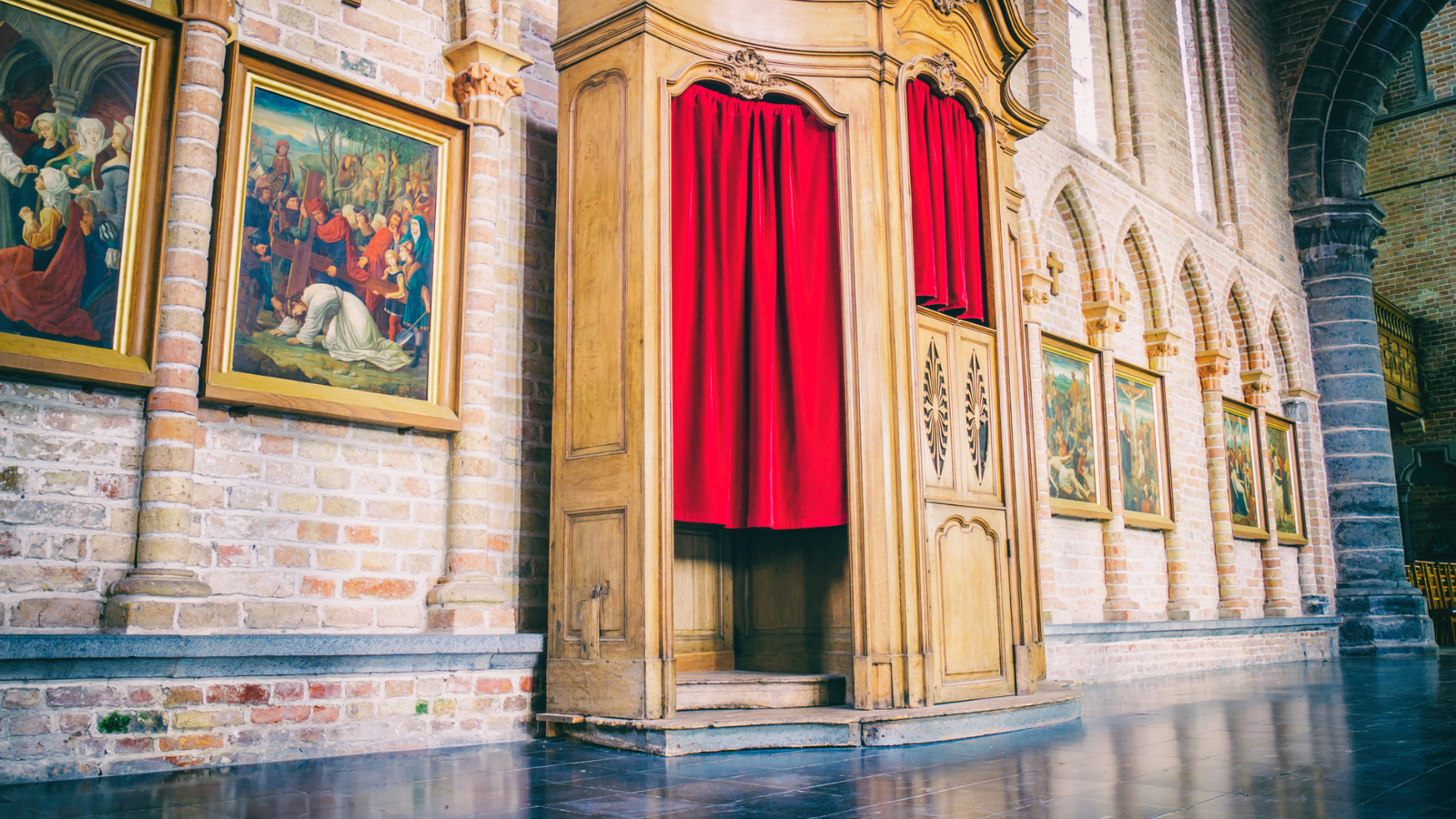
The sacrament of confession comes with one of the strictest rules in Catholicism: priests may never reveal what is confessed to them. The seal of confession is absolute, applying regardless of external pressure, threat, or even legal mandates. Breaking this rule is considered one of the gravest offenses in canon law.
This inviolability ensures that penitents can confess freely without fear, preserving the integrity of the sacrament. Priests must balance empathy with discretion, offering guidance and absolution while never compromising trust or revealing private information under any circumstances.
Mass Must Follow Precise Rules
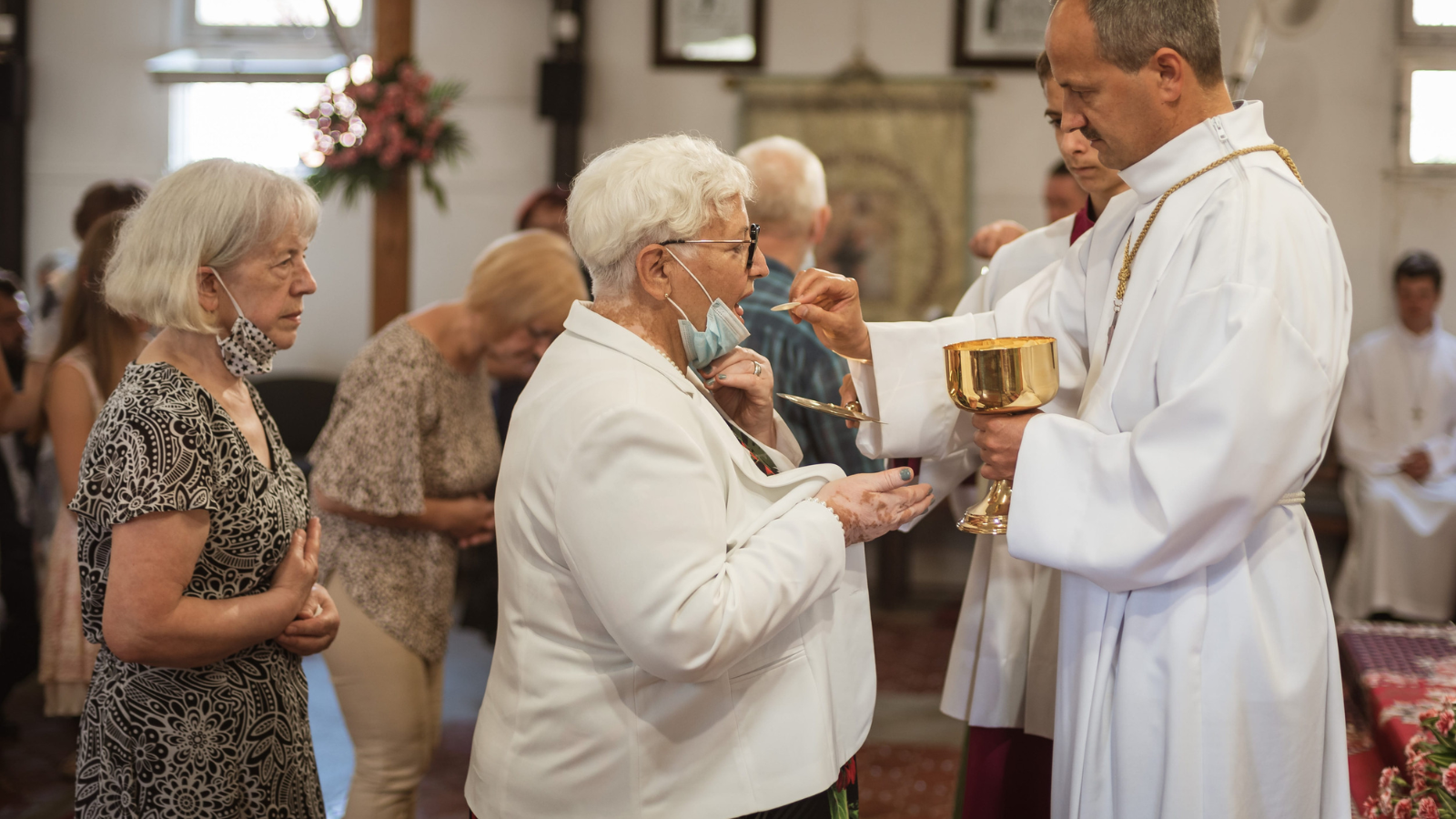
Celebrating Mass is not an open ended performance; every gesture, word, and vestment is strictly prescribed by the Church. Priests must adhere to liturgical law and the General Instruction of the Roman Missal to maintain the Eucharist’s sacred integrity.
Even minor deviations can compromise the ritual’s validity and the unity of worship across the global Church.
Priests may inject pastoral warmth into their homilies, but the structure of the Mass, the prayers, consecration, and gestures must remain faithful to tradition. This ensures that the faithful can experience the same spiritual and sacramental reality whether they attend Mass in Rome, Manila, New York, or Nairobi.
Obedience Overrides Personal Preference
Priests are bound by strict rules of obedience to their bishop and the diocesan hierarchy. They cannot choose their parish, ministry focus, or schedule based on personal desires. Assignments and transfers are decided by Church authority, ensuring that the priest serves the needs of the diocese rather than individual ambition.
Obedience is a cornerstone of priestly discipline. It keeps ministries aligned with the Church’s mission, maintains unity among clergy, and teaches priests to prioritize service over personal comfort or preference.
Priests Cannot Mismanage Money
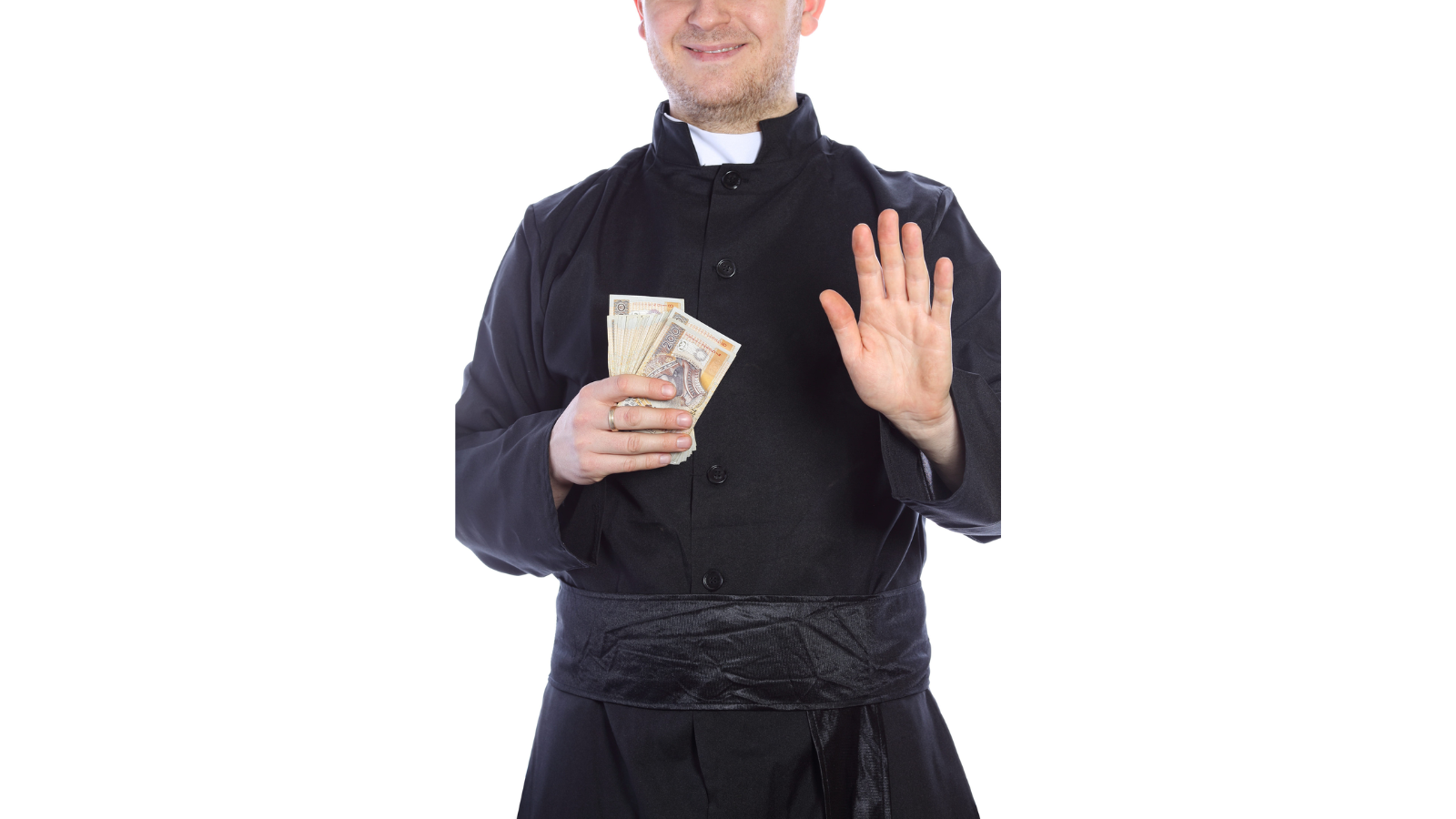
Handling parish funds, Mass intentions, and charitable donations is a delicate responsibility. Priests are forbidden from mixing personal finances with Church resources, and any misuse, even accidental, can severely damage trust and credibility.
Financial discipline protects both the faithful and the priesthood itself. Parishioners trust priests to manage donations ethically, and breaches of this trust can erode confidence in the Church’s spiritual authority.
Daily Prayer and Liturgy Are Required
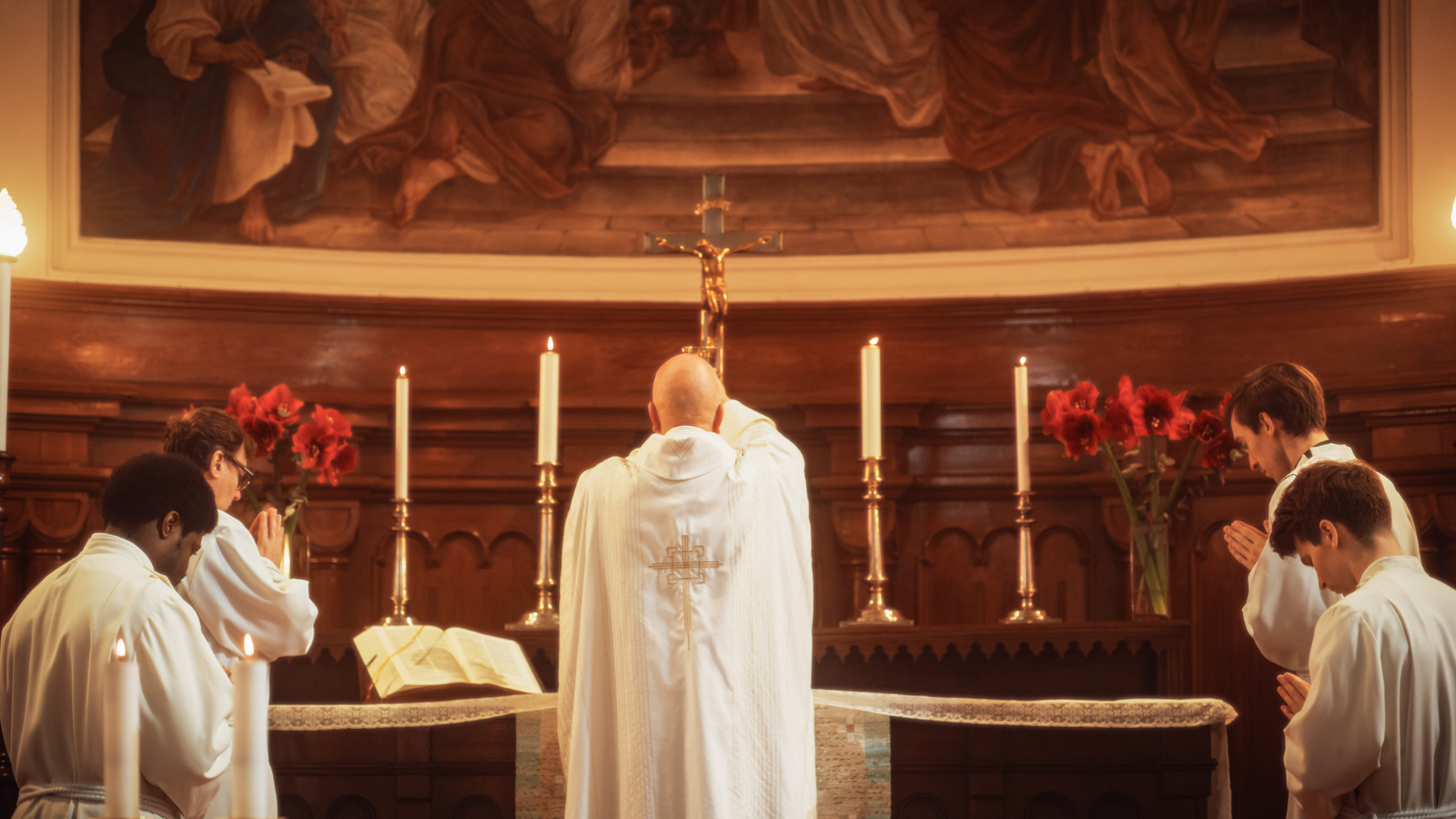
Priests are expected to pray daily, including the structured Liturgy of the Hours, which marks the day with psalms, readings, and intercessions. This disciplined prayer keeps priests spiritually grounded amidst a demanding schedule of sacraments, pastoral visits, and administrative duties.
Daily prayer connects priests to the universal Church while reminding them that ministry is fueled not by tasks or public recognition, but by constant communion with God. It reinforces the spiritual core that underpins every other obligation in their life.
Scandal Must Be Avoided at All Costs
Every action of a priest, from relationships to social media posts, is under scrutiny. Any behavior that causes public doubt, misleads parishioners, or damages the priesthood is considered scandal. This rule extends to personal habits, political opinions, and even public statements.
The Church emphasizes that trust is fragile. A single misstep can damage the priesthood’s credibility, overshadowing decades of faithful service. Priests must always act with integrity, humility, and transparency.
Cardinals Over 80 Cannot Elect a Pope
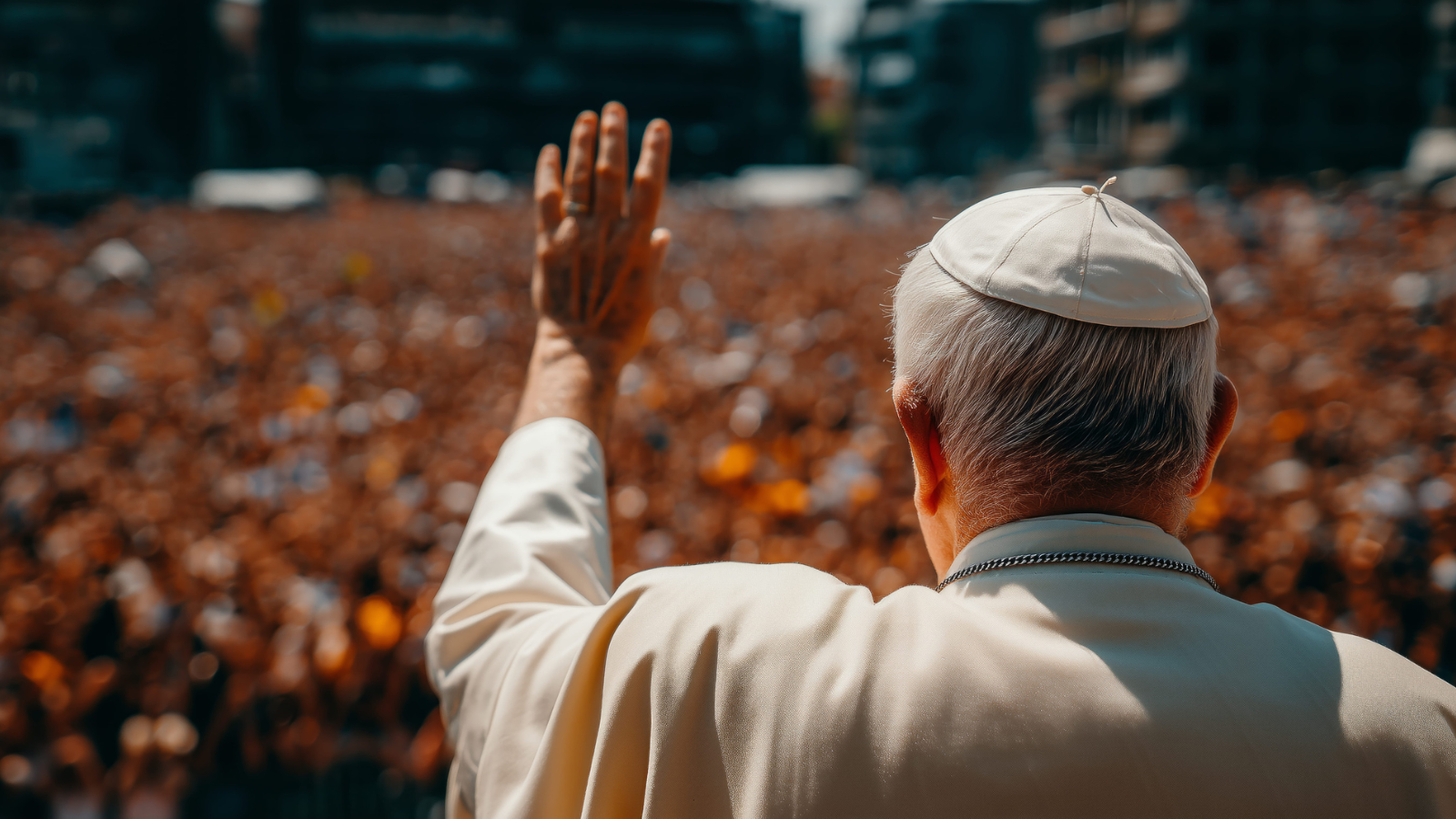
Age limits prevent cardinals over 80 from voting in papal elections. Only those under the threshold participate as electors, ensuring that those making one of the Church’s most critical decisions are fully alert, engaged, and capable of handling the intense responsibilities of the conclave.
This rule is part of a broader governance system designed to maintain continuity, clarity, and accountability at the highest levels of the Church hierarchy. Even the most senior clergy are bound by precise regulations.
Conclusion.
These nine rules reveal a priesthood that is far stricter, more disciplined, and more structured than most imagine. Celibacy, obedience, sacramental fidelity, and public accountability define every aspect of life, reflecting a vocation that is both demanding and deeply sacred.