Grocery shopping in 2026 feels less like a routine errand and more like a small financial negotiation at the end of every aisle. Shoppers are still dealing with higher food costs, even after the worst inflation spikes of the early 2020s faded from the headlines.
The latest federal data shows food at home prices rose 0.7 percent from March to April 2026 and 2.9 percent over the year, with five of the six major grocery groups increasing in April. That may sound modest on paper, but at the checkout line, those increases show up in meat packs, coffee cans, produce bags, snack shelves, and dairy coolers.
These are the grocery aisles where Americans are feeling the sharpest price pressure in 2026.
The Beef Aisle
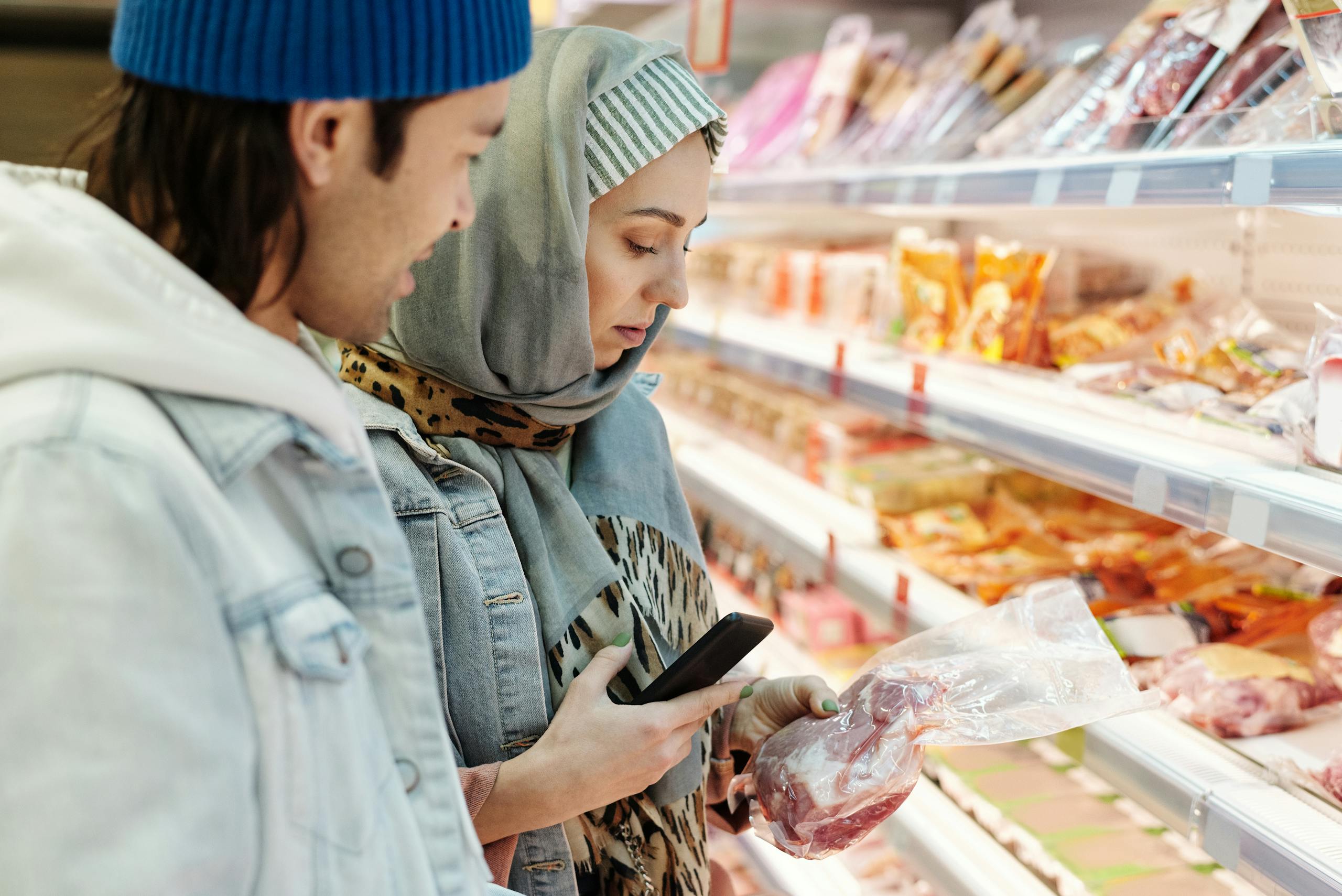
Beef has become one of the clearest symbols of grocery sticker shock in 2026, especially for families who rely on ground beef, chuck roast, steak, or stew meat for regular meals. USDA data shows beef and veal prices were 14.8 percent higher in April 2026 than in April 2025, and farm-level cattle prices were also sharply higher because the U.S. cattle herd has been shrinking since 2019.
That means the price pain is not just a temporary shelf problem. It starts earlier in the supply chain, where fewer cattle, higher feed costs, and slower herd rebuilding keep retail prices under pressure. For shoppers, the result is simple and frustrating: taco night, burgers, pot roast, and steak dinners all feel more expensive than they used to.
The Fresh Vegetable
Fresh vegetables used to be the reliable, healthy choice that made a grocery cart feel balanced, but in 2026, that section has become one of the biggest shock zones. Retail fresh vegetable prices were 11.5 percent higher in April 2026 than a year earlier, and fresh tomatoes were nearly 40 percent higher, making salads, sauces, sandwiches, and meal prep bowls noticeably more expensive.
The problem is especially painful because vegetables are not a luxury item for most households. They are part of the basic weekly rhythm of cooking. When the prices of tomatoes, lettuce, peppers, onions, and other staples rise, families either pay more, buy less, or shift toward frozen and canned options.
The Coffee and Beverage Aisle

The coffee aisle has become a quiet source of daily frustration because Americans do not just buy coffee; they build mornings around it. Nonalcoholic beverage prices were 5.1 percent higher in April 2026 than a year earlier, and the USDA notes that higher global coffee prices are one reason this category has been rising faster than its long-term pattern.
That pressure reaches ground coffee, instant coffee, bottled coffee drinks, teas, juices, sports drinks, and other everyday beverages. For households already cutting back on café runs, higher grocery store coffee prices feel especially unfair. The at-home cup was supposed to be the cheaper choice, but even that small daily comfort now feels like another budget line under attack.
The Candy and Sweets Aisle
The candy aisle still looks playful, colorful, and harmless, but the prices tell a different story. Sugar and sweets were 6.3 percent higher in April 2026 than in April 2025, with the increase largely driven by candy and chewing gum, a category that includes many chocolate products.
That matters because sweets often land in carts as small emotional purchases, not major planned expenses. Parents grab candy for kids, workers buy chocolate for desk drawers, and families pick up treats for movie nights, lunchboxes, holidays, and road trips.
A few dollars more here and there can feel minor until shoppers realize that even comfort snacks have joined the inflation fight.
The Fruit Aisle
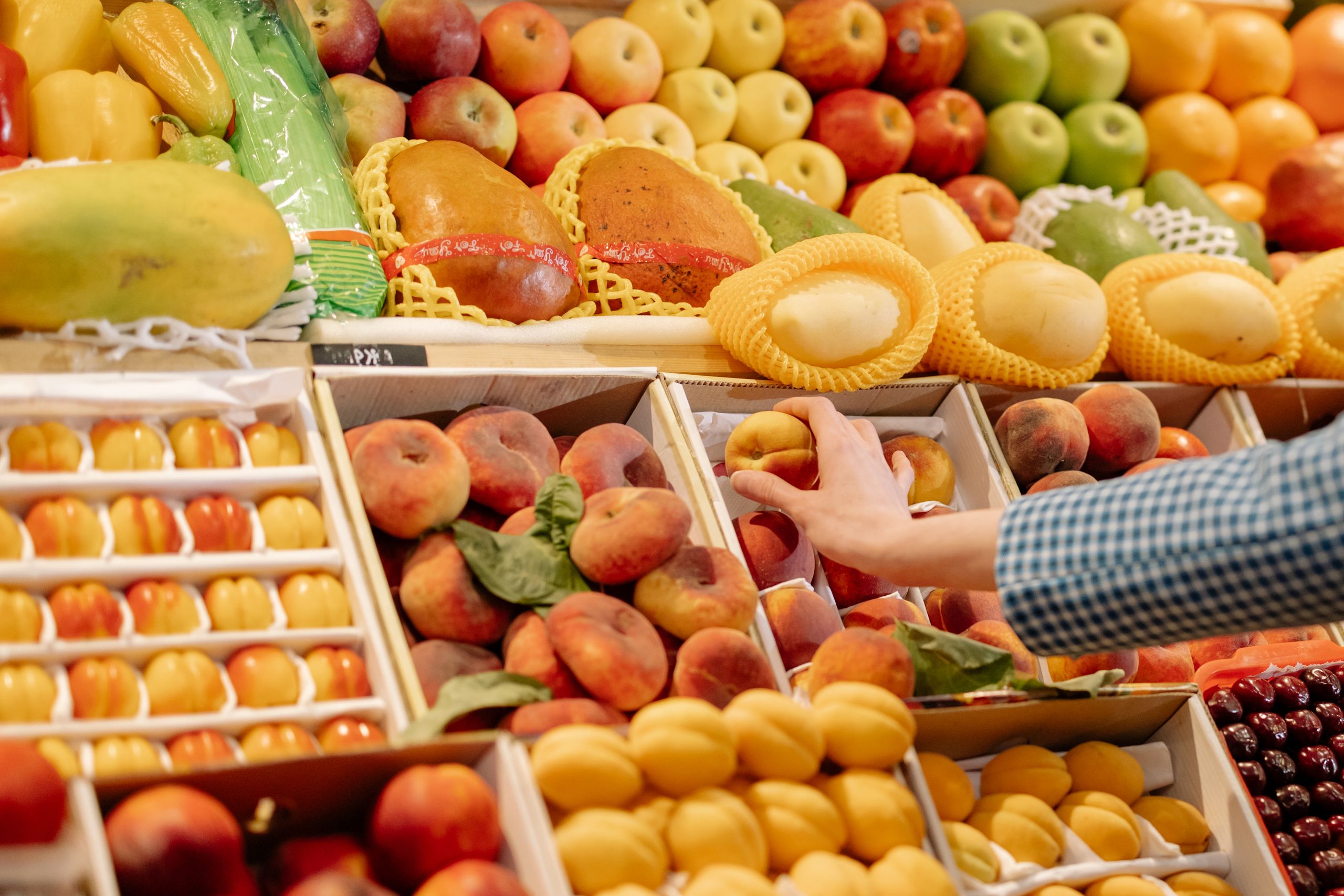
Fresh fruit is not rising as sharply as vegetables, but shoppers still feel the pinch because fruit is often bought and wasted easily if prices force people into smaller, less flexible purchases. Retail fresh fruit prices were 2.1 percent higher in April 2026 than one year earlier, and prices rose 1.2 percent from March to April.
That may seem manageable compared with beef or tomatoes, but families notice it when berries, grapes, apples, citrus, and bananas have to stretch across school lunches, breakfasts, smoothies, and snacks. The fruit aisle also carries a psychological sting. People want to buy healthier food, but higher prices make that choice feel like a privilege instead of a basic household standard.
The Dairy Cooler
Dairy looks confusing in 2026 because the broad retail dairy index was down slightly over the year, yet shoppers are still seeing pressure beneath the surface. BLS reported that dairy and related products rose 0.8 percent from March to April 2026, and USDA reported farm-level milk prices jumped 20.6 percent over that same month and were 13.2 percent higher than a year earlier.
That gap shows why the dairy aisle can feel unpredictable. Milk, yogurt, cream, cheese, and butter do not always move together, and retail prices can lag behind changes at the farm level. For families with children, coffee drinkers, bakers, and breakfast lovers, even small dairy increases are hard to dodge.
The Bread and Bakery Aisle
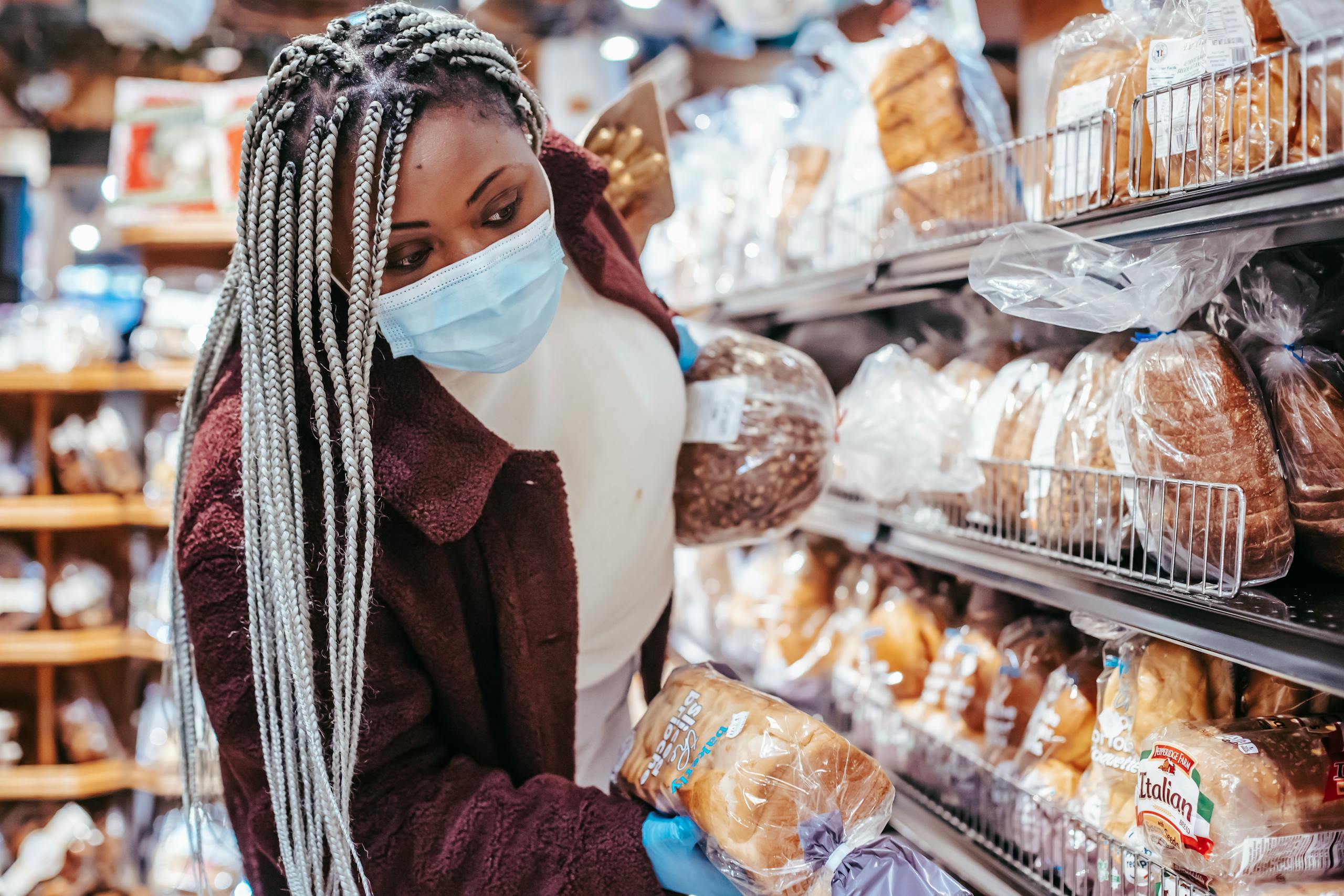
Bread, cereal, rolls, crackers, tortillas, and baked goods rarely create the same headline shock as eggs or beef, but this aisle keeps squeezing families through slow, steady increases. BLS reported that cereals and bakery products rose 2.6 percent over the 12 months ending in April 2026, with a smaller 0.1 percent monthly increase in April.
That kind of rise feels sneaky, since these are pantry staples, not special-occasion foods. A household might buy sandwich bread, breakfast cereal, hamburger buns, pasta, flour, and crackers in the same trip. When each item climbs a little, the total cart cost rises without one obvious villain to blame.
The Poultry and Meat Case
The broader meat case remains a sore spot, even though not every protein is rising at the same speed. BLS reported that the meats, poultry, fish, and eggs category rose 1.3 percent in April 2026, with beef rising 2.7 percent during the month.
USDA data shows poultry prices were mostly flat month to month and only slightly higher year over year, but shoppers still feel pressure because poultry often becomes the fallback when beef gets too expensive. That substitution effect matters.
When families shift from steak to chicken, from chicken breasts to thighs, or from fresh meat to frozen packs, they are not always saving as much as they hoped. The meat case has become a math exercise. (Bureau of Labor Statistics)
The Pantry Staples Aisle
The pantry aisle is where price pain hides in plain sight. Sauces, dressings, oils, canned goods, condiments, mixes, snacks, seasonings, rice, and boxed meal helpers may not all be surging at once, but the overall other food at home category was still 2.5 percent higher over the year through April 2026.
This aisle hurts because it supports everything else. A family can buy cheaper meat, but then still needs sauce, seasoning, oil, rice, pasta, or canned vegetables to turn it into dinner.
These small add-ons make the receipt climb quietly, and shoppers often notice only when a cart that used to feel average suddenly looks expensive at checkout.
Conclusion
The grocery pain of 2026 is not coming from a single aisle. It is showing up in beef, vegetables, coffee, sweets, fruit, dairy, bakery products, meat cases, and pantry staples, which means shoppers feel squeezed from nearly every direction.
The hardest part is that many of these products are not optional luxuries. They are the building blocks of breakfast, lunch, dinner, snacks, school meals, packed lunches, and family routines.
Americans are responding the way practical shoppers always do. They are comparing unit prices, trading down to store brands, buying frozen produce, stretching meat with beans or pasta, and cutting back on small treats that used to feel harmless. Still, the deeper frustration remains: grocery shopping now demands more planning, more tradeoffs, and more patience than many families ever expected.
In 2026, the checkout line is not just where people pay for food. It is where they feel the real weight of the economy.