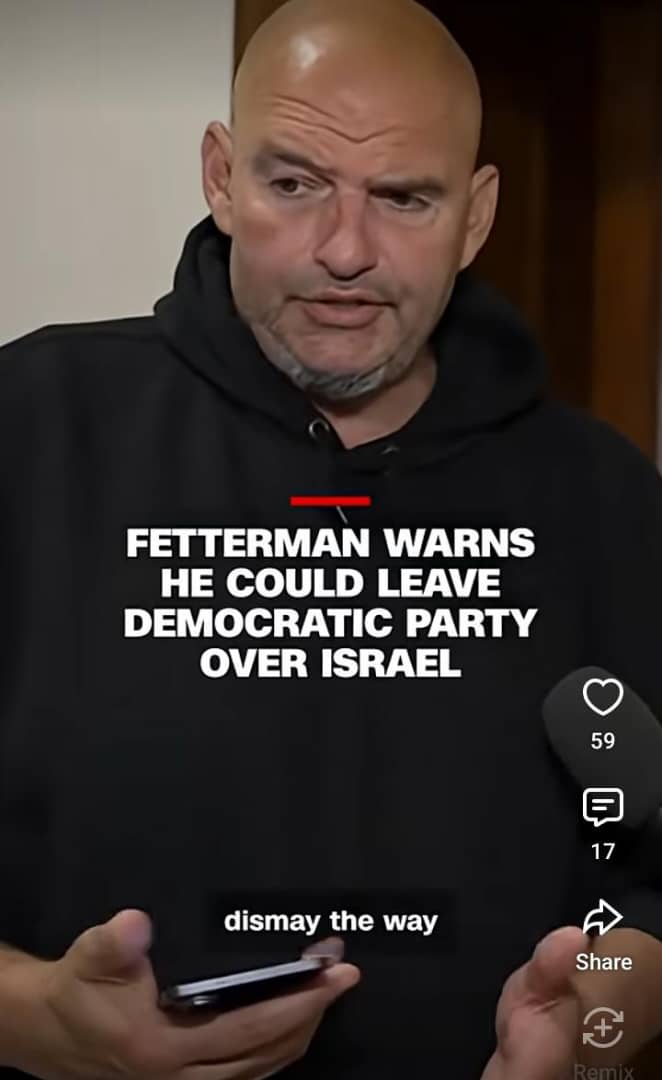
Illinois’ immigration debate has grown into something much bigger than one statehouse argument. It now touches the same worries many Americans already feel at home: rising taxes, stretched hospitals, frustrated police departments, public safety fears, and leaders who seem to change their tone only after pressure becomes impossible to ignore.
We are no longer looking at immigration as a distant border issue. In Illinois, the debate has moved into local budgets, county jails, health care programs, law enforcement policy, and the daily question many families ask when bills keep rising: Who is the government really protecting first?
Taxpayers Feel Like They Are Paying for Decisions They Never Approved

For many Americans, the most relatable part of the Illinois immigration fight is the money. Families already feel squeezed by groceries, rent, gas, insurance, and medical bills. When they hear that state funded programs for undocumented immigrants cost far more than expected, frustration grows fast.
This is where the issue becomes deeply personal. We can talk about compassion, fairness, and public health, but taxpayers still want to know why their own costs keep rising while government programs expand faster than leaders promised.
When public spending runs beyond early estimates, people stop seeing it as policy and start seeing it as betrayal.
Health Care Costs Became a Political Time Bomb
Illinois’ health benefit programs for immigrant adults and seniors became one of the biggest flashpoints in the debate. Supporters argued that health coverage prevents bigger problems later, especially when uninsured people delay care until emergencies. That argument may sound reasonable on paper.
But Americans who struggle to afford their own prescriptions, doctor visits, and insurance premiums hear the story differently. To them, it feels like the state found money for newcomers while longtime residents still fight with deductibles, denied claims, and unpaid medical bills. That emotional gap is why the issue exploded.
Local Police Are Caught in a Dangerous Middle
The Illinois TRUST Act limits how state and local law enforcement interact with federal immigration enforcement in many situations. Supporters say the law helps immigrant communities report crimes without fear. Critics say it makes it harder for local officers to cooperate with federal authorities when immigration status becomes part of a criminal case.
This leaves police and sheriffs stuck in the middle. They are expected to protect neighborhoods, follow state law, avoid federal conflict, and answer angry residents all at once. For many Americans, that sounds like the worst kind of government confusion: everyone has a rulebook, but nobody seems fully responsible when something goes wrong.
Public Safety Became the Issue Democrats Struggle to Explain

Public safety is the most explosive part of this debate. When violent crimes involve undocumented suspects, voters want clear answers. They want to know how the person entered the country, whether authorities already knew about them, and whether local laws made removal harder.
Democrats often respond with broader arguments about due process, community trust, and the danger of blaming entire immigrant communities for individual crimes. Those points matter. But if leaders cannot clearly explain what happens when an undocumented person commits a violent crime, Republicans will continue to dominate the message with one simple question: why were they still here?
Sanctuary Policies Now Sound Different to Working Families
The phrase “sanctuary state” once sounded like a moral promise to supporters. It suggested protection, humanity, and resistance to harsh federal enforcement. But to many working families, the phrase now sounds like a warning sign that state leaders are putting politics ahead of everyday residents.
That shift matters. Americans do not need to understand every legal detail to form an opinion. They look at their tax bill, their hospital wait time, their local crime concerns, and their children’s future. If sanctuary policy feels disconnected from those worries, it becomes politically toxic.
Gov. Pritzker’s Tougher Language Shows the Pressure Is Working
Gov. J.B. Pritzker has long defended immigrant protections in Illinois. But his stronger language about undocumented violent criminals shows how much pressure has built up around the issue. When a Democratic governor says convicted violent offenders who are undocumented should be removed from the country, Republicans see an opening.
Their argument is simple: if state leaders now admit dangerous offenders should not remain, then Illinois law should make cooperation easier in those cases. That puts Democrats in a tight position. They must defend the TRUST Act while also proving they are serious about removing people who commit violent crimes.
Counties Want a Say Because One Rule Does Not Fit Every Community
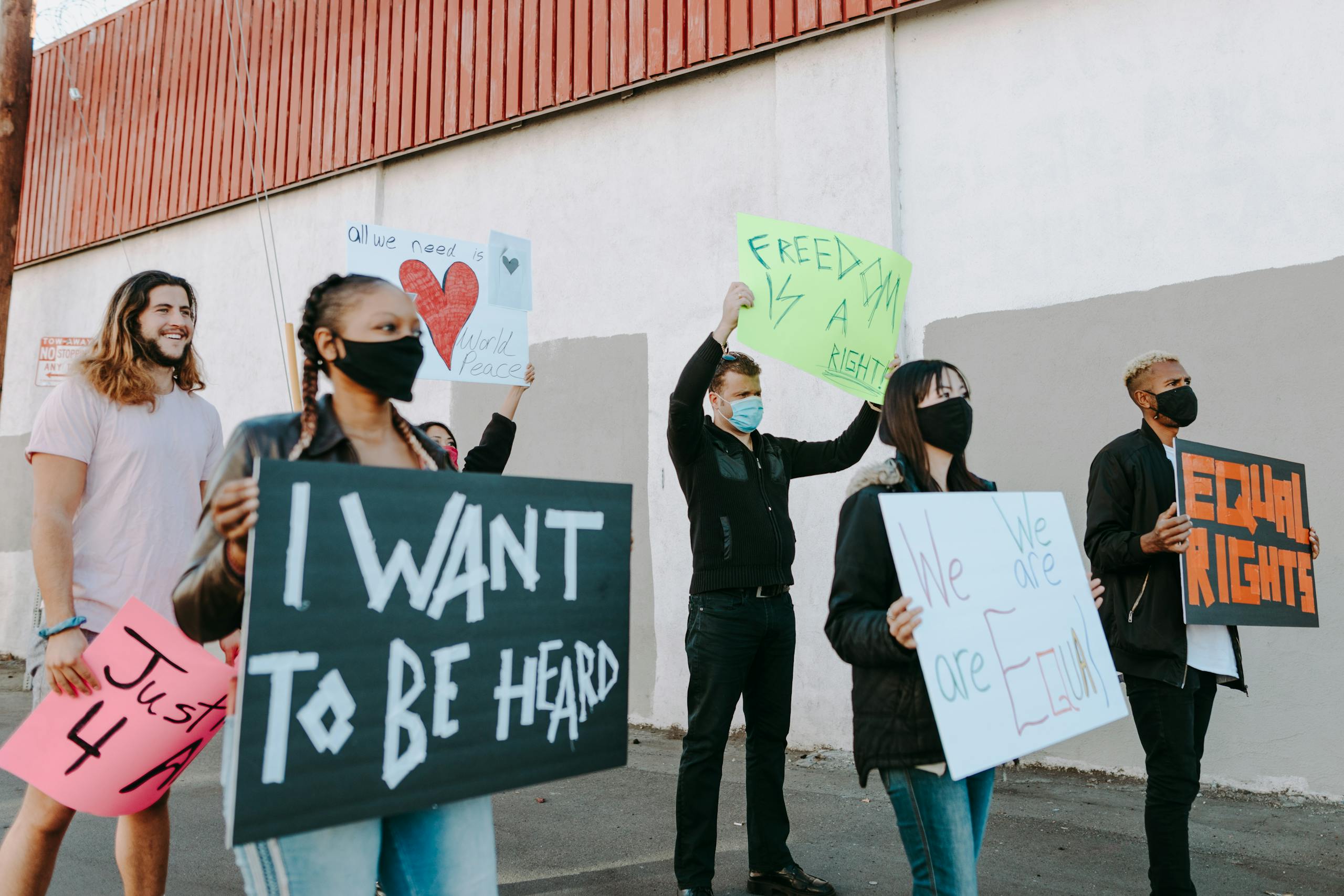
Illinois is not politically uniform. Chicago does not think like many downstate counties. Suburban voters may not see the issue the same way as rural sheriffs. That is why proposals allowing counties to opt out of certain TRUST Act restrictions have gained attention.
For many Americans, local control feels fair. If a county believes state immigration rules weaken public safety, local leaders want room to respond. Democrats may argue that patchwork enforcement creates confusion, but Republicans will argue that forcing every county to follow one statewide sanctuary policy creates resentment.
The Debate Exposes a Bigger Trust Problem in Government
The deepest problem is not only immigration. It is trust. Voters are tired of leaders announcing programs with one price tag, then returning later with a much larger bill. They are tired of hearing moral arguments from politicians who do not seem to face the same consequences as working families.
When the government loses trust, every policy becomes harder to defend. A health program becomes a spending scandal. A police rule becomes a public safety failure. A sanctuary law becomes proof that leaders are ignoring citizens. Illinois is now living inside that trust crisis.
Americans Want Compassion, but They Also Want Limits
Most Americans are not demanding cruelty. They understand that many immigrants come to the United States looking for work, safety, and a better life. They know families should not be treated like political props. But they also want rules that mean something.
That is the balance Illinois has failed to explain clearly. We can protect victims, witnesses, children, and hardworking families while still saying violent criminals should be removed. We can support legal immigration while demanding stronger border enforcement. We can show compassion without asking taxpayers to accept endless costs and vague promises.
The Illinois immigration fight is not just about one law, one governor, or one group of lawmakers. It is a warning about what happens when leaders let complicated policies grow faster than public trust. Once voters believe the system is unfair, even well meaning programs become symbols of failure.
Americans want a government that protects the vulnerable without forgetting the people paying the bills. They want safe neighborhoods, honest budgets, clear rules, and leaders who do not change their tone only when elections get close. Illinois now faces a hard choice: keep defending a policy many residents no longer trust, or draw clearer lines before frustration turns into a political reckoning.